
Divine India · Yoga
Yoga in India

By Beauty of Bharat — India travel guide, every place, every flavour.
Guides covering all 36 States and UTs, researched from official sources and checked at publish time. Corrections welcome — see About Beauty of Bharat.
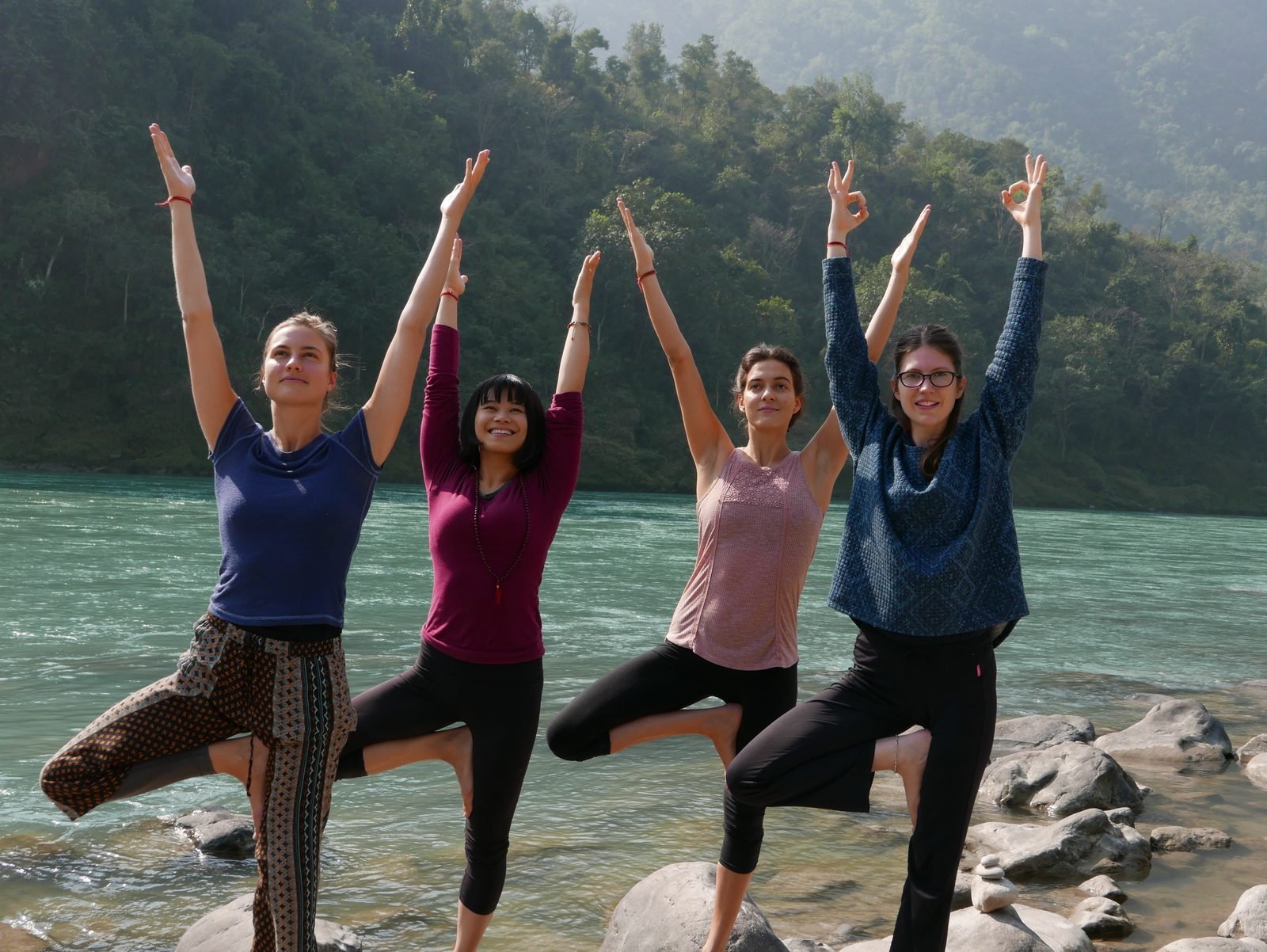
Yoga in India is not one school. It is a market of ashrams, lineage institutes and commercial teacher-training schools — and the strongest search phrase in the whole section is a practical one: “yoga teacher training in Rishikesh”. The two guides below are the ones with their facts fully verified: the 200-hour training market in Rishikesh, and the town itself.
Rishikesh is commonly called the Yoga Capital of the World — a nickname, not a formal title, and definitely not a UNESCO title: UNESCO inscribed yoga itself in 2016, not Rishikesh. What is verifiable is the scale of the draw. Parmarth Niketan’s International Yoga Festival in March 2026 brought nearly 2,000 participants from more than 100 countries, and the state festival that closed on 22 March 2026 drew more than 2,500 practitioners. Read the RYT 200 explainer and the visa note below before you pay any school a deposit.
At a glance
- Guides in this section: 2 built, 6 more coming
- Best season: October to March for most yoga travel; February to April and September to November for Rishikesh
- Festival: March in Rishikesh — 2027 dates not yet announced
- Town rules: Rishikesh is vegetarian and alcohol-free
- First check: verify any school in the Yoga Alliance directory before paying
Yoga in India: the guides
 YogaNew
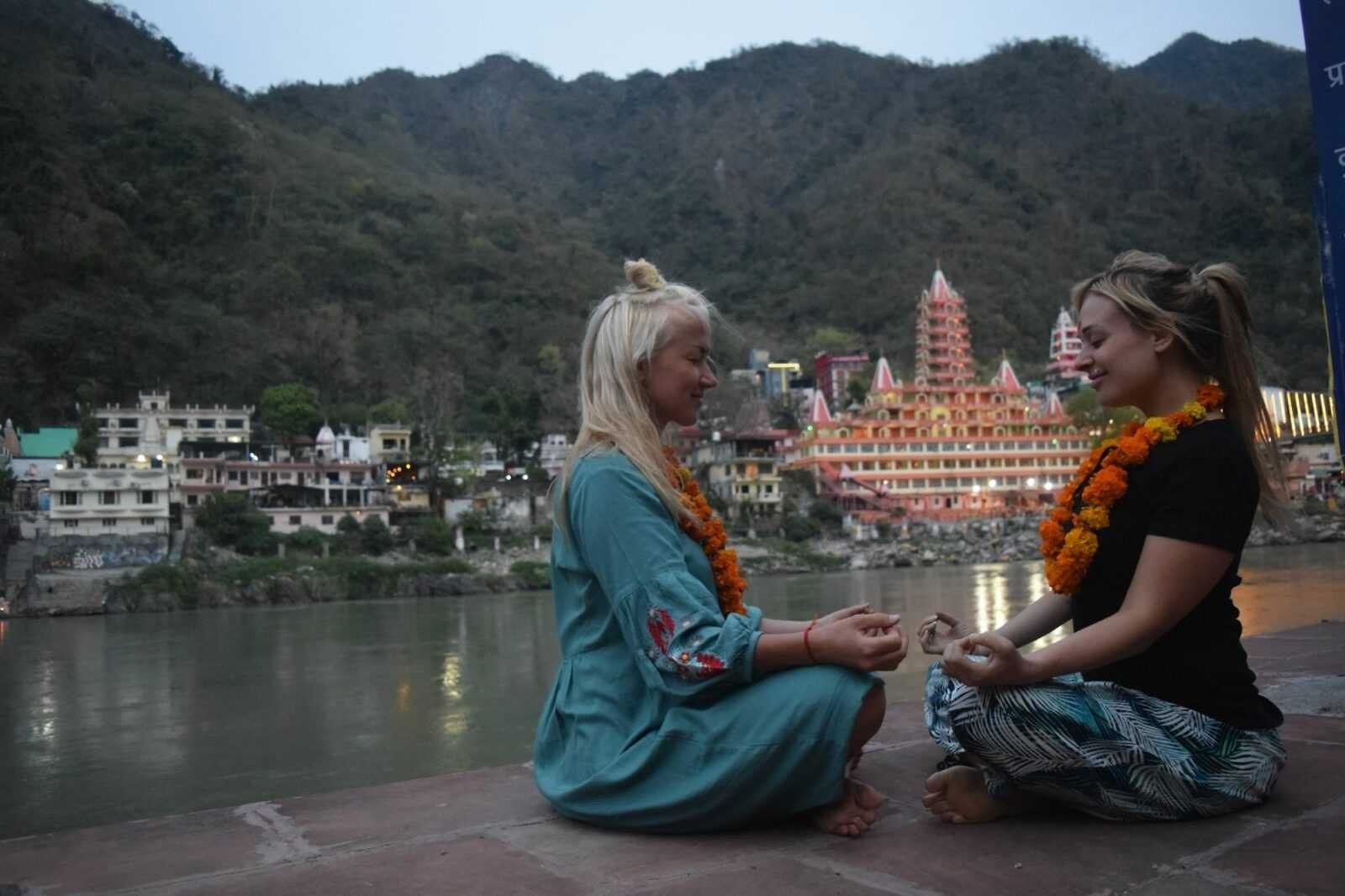
Yoga Teacher Training in Rishikesh
The 200-hour teacher training that brings students from around the world to Rishikesh — around 24 days residential, English instruction, monthly batches. How to choose a school, what RYT 200 really means, and the visa question to ask first.
Rishikesh · 200-hour training
 YogaNew
Rishikesh — Yoga Capital of the World
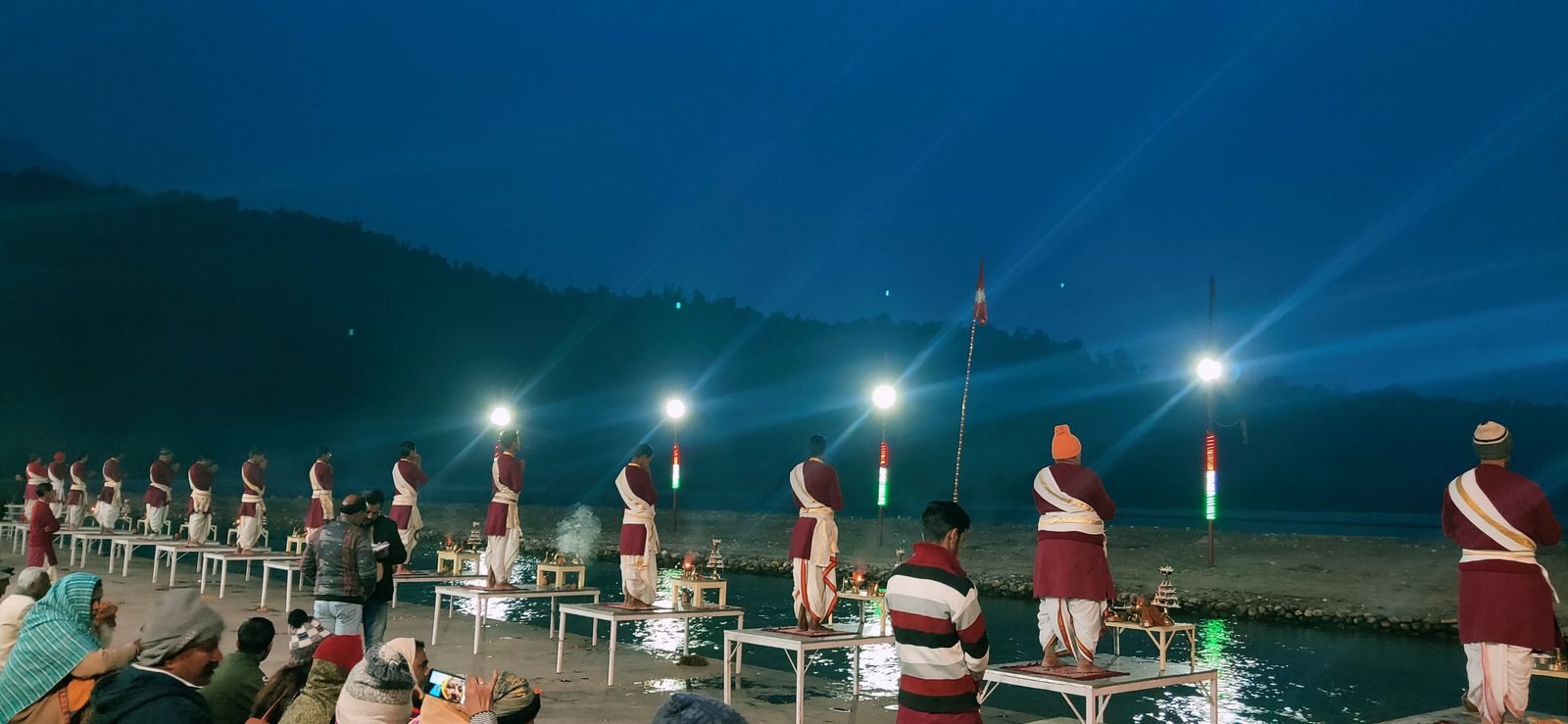
Why the world calls Rishikesh the Yoga Capital — and why that is a nickname, not a formal title. Ashrams on the Ganga, the evening aarti, and two International Yoga Festivals every March, which must not be confused with each other.
Rishikesh · A nickname, not a title
What RYT 200 actually means
RYT stands for Registered Yoga Teacher. You obtain RYT 200 after completing a 200-hour teacher training registered with Yoga Alliance at a Registered Yoga School (RYS 200), and multiple trainings cannot be combined. It is a registry, not a government licence and not a training body — Yoga Alliance does not train anyone. E-RYT 200 needs the same training plus two years of teaching.
Before you pay a deposit, search the school by name in the Yoga Alliance school directory on yogaalliance.org — not just on the school’s own site. Check that the specific course is at an RYS 200: a school can hold one credential and sell another. Note that “Yoga Alliance International”, “Canadian Yoga Alliance” and “World Yoga Alliance” are separate organisations from Yoga Alliance, and their certificates do not count toward RYT. For lineage schools — the Sharath Yoga Centre in Mysuru, RIMYI in Pune, the Bihar School of Yoga and Kaivalyadhama — Yoga Alliance status is not the credential that matters; lineage authorisation and the institute’s own diploma are. Do not judge them by RYS status.
The e-Tourist Visa trap for teacher training
The Government of India e-Tourist Visa lists “attending a short term yoga programme” among its purposes, and you apply at least four days before arrival on indianvisaonline.gov.in only — lookalike sites charge extra. But the official definition covers short courses that are not formal or structured, last no more than six months, and do not issue a qualifying certificate or diploma. A certificated 200-hour teacher training course arguably falls outside that wording. So do not present the e-Tourist Visa as automatically correct for a TTC: ask the school which visa its foreign students use, and re-check the official portal. This is not legal advice.
More yoga guides coming
These pages are researched and queued. They will be built one at a time, each with its own verified photo.
- Sivananda Yoga, Neyyar Dam — the guide is written, but the page waits on a licence-clear photo of the ashram. It is the clearest foreigner-priced ashram stay in this section: the four-week teacher training course from US$1,466 for international students and ₹59,500 for Indian nationals, and Yoga Vacations from US$12 to US$23 a night for foreigners.
- Mysuru Ashtanga — the Sharath Yoga Centre, home of Ashtanga Vinyasa in the Mysore method of self-practice. Regular classes only: not a 200-hour teacher training course and not a retreat, with no food or accommodation provided. The fee is not publicly stated.
- Kerala yoga and Ayurveda — Kerala is primarily an Ayurveda destination with yoga alongside it. Kerala Tourism classifies Ayurveda centres Green Leaf and Olive Leaf — Green Leaf means qualified Ayurvedic doctors on site — and that is the first check for any resort. For Ayurveda treatment the traditional season is the monsoon, June to September; for yoga, travel and the beach, October to March.
- Bihar School of Yoga, Munger — founded by Swami Satyananda Saraswati in 1963 on the Ganga, teaching Satyananda Yoga. Serious residential ashram training, not drop-in classes and not a commercial 200-hour course; the 2027 trainings are conducted in English medium only, and applications close one month before the course.
- Kaivalyadhama, Lonavala — founded by Swami Kuvalayananda in 1924, describing itself as the world’s first scientific research institute for yoga. The nine-month PG Diploma in Yoga Education is formal education; the best first-timer entry is the one-week Yoga and Relaxation stay, Sunday check-in to Sunday check-out.
- RIMYI, Pune — the Ramamani Iyengar Memorial Yoga Institute, home of Iyengar Yoga since 1975. Foreign students need at least eight years of Iyengar Yoga practice, including inversions held eight to ten minutes, and an acceptance letter that must be presented on arrival — no admission without it. Classes are generally booked a year or two in advance.
The town behind the training
Rishikesh sits in the Himalayan foothills on the Ganga, in Dehradun district, Uttarakhand — around twenty-five kilometres north of Haridwar, with the nearest airport at Jolly Grant, Dehradun, twenty-one kilometres away. The town is not one school but a market: ashram stays, drop-in classes in Tapovan, and a large commercial 200-hour teacher-training market, with ashrams and resorts both offering sessions and courses. Its yoga history is older than the training market. The Divine Life Society was founded in 1936 by Swami Sivananda, who had reached Rishikesh in 1924. Parmarth Niketan, the largest ashram on the east bank at Swarg Ashram, was founded in 1942. The Beatles stayed at Maharishi Mahesh Yogi’s ashram from February to April 1968, and Uttarakhand Tourism credits the stay with nearly forty-eight songs. The International Yoga Festival has been held here since 1999.
There are two festivals each March, and they must not be confused. Parmarth Niketan’s International Yoga Festival ran from 9 to 15 March 2026 — a seven-day immersion with nearly 2,000 participants from more than 100 countries and over seventy hours of yoga classes, ticketed through the festival’s own site. The Uttarakhand Tourism and GMVN state festival closed on 22 March 2026, with more than 2,500 practitioners from India and abroad; its start date is given differently by different secondary sources, so no start date is published here. Neither organiser had published 2027 dates when checked in November 2026, and the usual timing — March, traditionally the first week — is a habit, not a promise: 2026 proves it can shift later in the month. Re-check from January.
March weather is part of the draw: Dehradun normals put Rishikesh at around 26.8°C by day and 12.2°C by night — warm afternoons, cool mornings by the river. October to March is the popular window for international students, with February to April and September to November as the comfortable shoulders. Book monthly-batch courses online direct with the school; popular October-to-March batches fill first, and festival tickets sell months ahead. There is no town-wide official price: individual commercial schools advertise their own all-inclusive fees for a 200-hour course, so judge each school on its own listing and never on a single “Rishikesh costs” figure. And remember that an ashram stay is not a hotel stay — fixed schedules, modest dress, vegetarian food and silence hours are the norm.
Frequently asked questions
Where is the best place to learn yoga in India?
It depends on what you want. Rishikesh is the place for 200-hour teacher training, with monthly batches and English instruction. Mysuru is the pilgrimage for committed Ashtanga practitioners. Kerala pairs yoga with doctor-led Ayurveda. The lineage institutes — Bihar School of Yoga, Kaivalyadhama and RIMYI — are for serious, longer study, not a first holiday.
Is Rishikesh really the Yoga Capital of the World?
It is a nickname, not a formal title. No government or yoga body has formally awarded it, and it is definitely not a UNESCO title: UNESCO inscribed yoga itself on the Representative List of Intangible Cultural Heritage in 2016, not Rishikesh. Uttarakhand Tourism itself says the town is “commonly referred to as” the yoga capital of the world.
What does RYT 200 mean?
RYT 200 means Registered Yoga Teacher with 200 hours of training: you earn it by completing a 200-hour course registered with Yoga Alliance at a Registered Yoga School (RYS 200). It is a registry, not a government licence — Yoga Alliance does not train anyone. Verify the school by name in the Yoga Alliance directory before you pay.
Can I do a yoga teacher training in India on an e-Tourist Visa?
Not automatically. The e-Tourist Visa lists short-term yoga programmes among its purposes, but the official definition covers courses that are not formal or structured and do not issue a qualifying certificate or diploma. A certificated 200-hour course arguably falls outside that wording — ask the school which visa its foreign students use.
When is the best time for yoga in India?
October to March for most yoga travel. February to April and September to November are the comfortable shoulders for Rishikesh, and March is festival season — though the 2027 dates have not been announced. November to February is the main season in Mysuru, and October to March is the dry season for Kerala travel.
Our general guide: Yoga in India · Rishikesh · India e-Visa guide · Best time to visit India · Divine India