
Offbeat Place · North India
Chitkul: India's Last Village on the Baspa

By Beauty of Bharat — India travel guide, every place, every flavour.
Guides covering all 36 States and UTs, researched from official sources and checked at publish time. Corrections welcome — see About Beauty of Bharat.

At the far end of Himachal Pradesh's Baspa Valley in Kinnaur, where the road from Sangla simply stops, Chitkul is the last inhabited village before the mountains rise towards Tibet. Wooden houses with carved balconies and slate roofs cluster around the ancient Mathi Temple, buckwheat and potato fields step down to the Baspa River, and the air at this altitude carries a thin, luminous clarity. Peaks crowd every horizon, the river runs milky with glacial flour, and nights arrive cold and star-filled in every season.
Chitkul stays offbeat because the journey itself is the filter — hours of mountain road through Sangla and Rakcham that casual tourists rarely attempt. Those who arrive find a village that still belongs to its residents: farmers in buckwheat fields, children walking to the small school, travellers welcomed into simple homestays and the famous last dhaba of India for a hot meal. There is little to 'do' in the checklist sense, and that is the point — altitude, silence and enormous mountains, experienced slowly, at the very end of the road. Sunsets here turn the peaks rose-gold while woodsmoke rises straight into still, freezing air above the rooftops.
Chitkul at a Glance
| State | Himachal Pradesh |
| Region | North India |
| Known for | Chitkul is known as a remote high-altitude village in Himachal's Kinnaur district — the last inhabited… |
| Gateway | Shimla & Sangla, Himachal |
| Best time to visit | May to October is the practical season, with the road open, fields green or golden and days bright at… |
| Time needed | two days, after a night in Sangla |
| State capital | Shimla |
| More offbeat in Himachal Pradesh | 4 more places in this guide |
Why Chitkul Stays Off the Beaten Path
Chitkul is known as a remote high-altitude village in Himachal's Kinnaur district — the last inhabited village on the India–Tibet road in the Baspa Valley, where wooden Kinnauri houses, a small temple and buckwheat fields face dramatic snow peaks. It helps that Chitkul asks a little more of the traveller — a slower road, a plainer stay, a plan made around seasons rather than weekends — and repays the effort with room to breathe.
Presented honestly as lesser-known, never as an “undiscovered secret”: Chitkul is known and loved locally, and facilities are plainer than in Shimla. Go for the place itself — the slower mornings, the unhurried conversations, the sense of Himachal Pradesh without a crowd in front of it — and it will not disappoint.
Things to Do in Chitkul
The highlights below are the reasons to make the detour. None of them need a packed schedule — Chitkul rewards travellers who pick two or three and linger over them.
Walk to the Baspa River
Descend through buckwheat fields to the riverbank, where glacial water rushes past boulders beneath some of Kinnaur's grandest peaks.
Visit the Mathi Temple
See Chitkul's ancient wooden temple to goddess Mathi, its carved doors and Kinnauri architecture anchoring village life for centuries.
Eat at the last dhaba
Take a hot, simple meal at the celebrated 'last dhaba of India', a Chitkul ritual as much as a lunch stop.
Photograph the village at dawn
Wake early for first light on slate roofs, carved balconies and snow peaks, when the village is quietest and clearest.
Stargaze the high-altitude sky
Step out after dinner into the cold, dark village lanes for a Milky Way display that city travellers rarely ever see.
Best Time to Visit Chitkul
May to October is the practical season, with the road open, fields green or golden and days bright at altitude. Winter cuts Chitkul off in deep snow for long stretches, and even summer nights are cold, so carry serious warm layers.
Across Himachal Pradesh the wider season runs like this: Varies by valley: March–June and September–November for many areas; winter for snow destinations. Check road/weather conditions. Time Chitkul inside that window and you get the place at its best — and, this being the offbeat list, usually without the peak-season pressure of the headline stops.
How to Reach Chitkul
Chitkul is reached by road through Kinnaur via Shimla, Rampur and Sangla in the Baspa Valley, with buses and taxis running to Sangla and onward local transport beyond. Shimla is the established gateway city; allow generous time for the mountain roads.
Most travellers fold Chitkul into a wider Himachal Pradesh trip rather than coming only for it — paired with Shimla or the state guide's headline stops, it becomes the quiet chapter of the journey.
Chitkul — Transport at a Glance
| Nearest airport | Shimla (SLV) has limited flights; Chandigarh (IXC) is the reliable air gateway |
| Nearest railway station | Shimla is the established gateway city; the Kalka–Shimla line and Chandigarh serve the approach |
| By road | By road through Kinnaur via Shimla, Rampur and Sangla in the Baspa Valley; buses and taxis run to Sangla, with onward local transport beyond — allow generous time for mountain roads |
| Getting around | The village, temple and riverside are walked; hikes towards the border-side meadows go with local guides |
More Offbeat Places in Himachal Pradesh
Chitkul is one of 5 offbeat corners in the Himachal Pradesh state guide — pair it with a sibling below for a slower, deeper trip.
Tirthan Valley
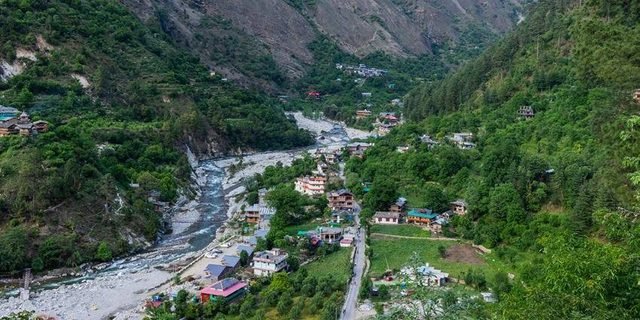
Known for: quieter mountain escape. It helps that Tirthan Valley asks a little more of the traveller — a slower road, a plainer stay, a plan made around seasons rather than weekends — and repays the effort with room to breathe.
Jibhi
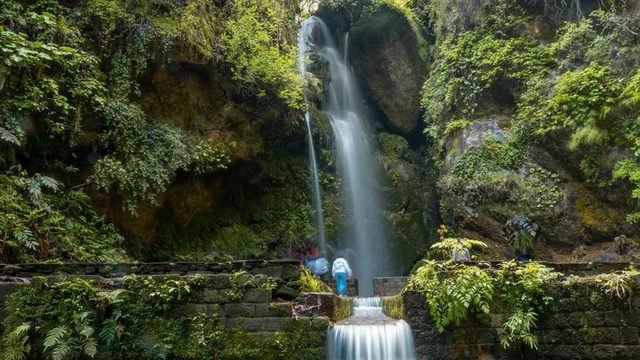
Known for: forest and village travel. Jibhi has stayed off the standard circuit because it sits a little beyond the usual route through Himachal Pradesh — close enough to reach in a day, far enough to keep its quiet.
Barot

Known for: valley and trout region. Nothing about Barot is staged for visitors. Come outside the short peak window and you may share its best hours with almost no one — that, more than any single sight, is the luxury here.
Shoja

Known for: forested mountain retreat. It helps that Shoja asks a little more of the traveller — a slower road, a plainer stay, a plan made around seasons rather than weekends — and repays the effort with room to breathe.
While You Are in Himachal Pradesh
Start from the full Himachal Pradesh travel guide for the complete picture. Headline destinations to pair with this trip: Shimla · Manali · Dharamshala & McLeod Ganj. And eat the state properly while you are there — Dham · Siddu lead the table in the Food Atlas.
Frequently Asked Questions
What is Chitkul known for?
Chitkul is known as a remote high-altitude village in Himachal's Kinnaur district — the last inhabited village on the India–Tibet road in the Baspa Valley, where wooden Kinnauri houses, a small temple and buckwheat fields face dramatic snow peaks. It sits in this atlas on Himachal Pradesh's offbeat list — the state's quieter, lesser-visited side.
What is the best time to visit Chitkul?
May to October is the practical season, with the road open, fields green or golden and days bright at altitude. Winter cuts Chitkul off in deep snow for long stretches, and even summer nights are cold, so carry serious warm layers. For Himachal Pradesh as a whole, Varies by valley: March–June and September–November for many areas; winter for snow destinations.
How do I reach Chitkul?
Chitkul is reached by road through Kinnaur via Shimla, Rampur and Sangla in the Baspa Valley, with buses and taxis running to Sangla and onward local transport beyond. Shimla is the established gateway city; allow generous time for the mountain roads. The usual gateway is Shimla & Sangla, Himachal.
How many days do I need for Chitkul?
Plan on two days, after a night in Sangla. Most travellers pair Chitkul with Tirthan Valley and Jibhi or the headline stops in the Himachal Pradesh state guide rather than rushing it as a whistle-stop.
Do I need a permit to visit Chitkul?
Indian travellers generally need no permit for Chitkul itself, though you must carry valid identification and should not venture beyond the village towards the border. Foreign nationals have additional protected-area requirements for parts of Kinnaur, so check the current rules before travelling.
Every Place. Every Flavour.
Chitkul is one of 154 offbeat places in this atlas — alongside 36 states and union territories, 188 destinations and 213 regional dishes, each with its own full guide page.
Explore all 36 states Read the blog