
Festival Guide · West Bengal
Durga Puja 2027 in Kolkata: The City as a Gallery

By Beauty of Bharat — India travel guide, every place, every flavour.
Guides covering all 36 States and UTs, researched from official sources and checked at publish time. Corrections welcome — see About Beauty of Bharat.
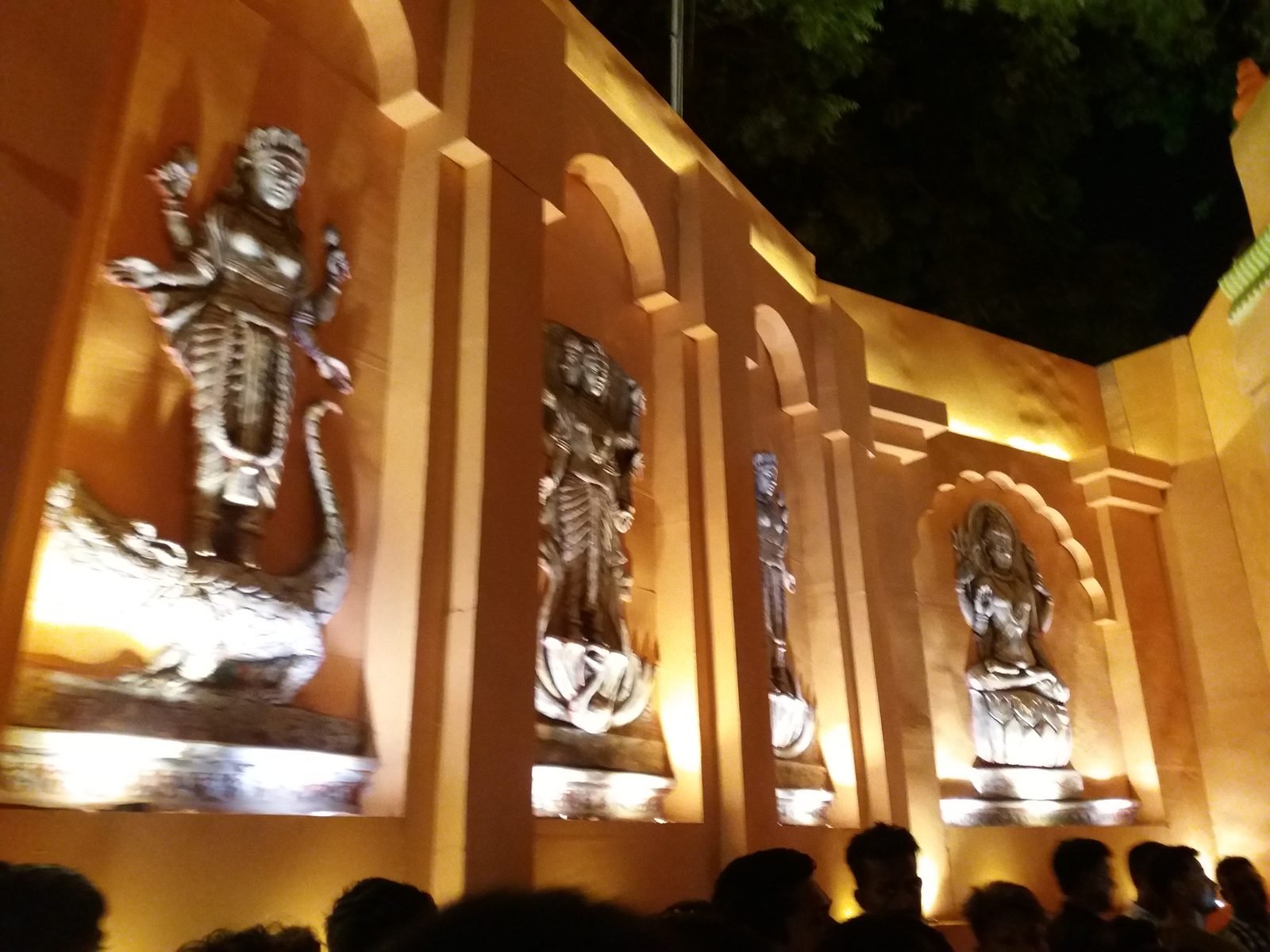
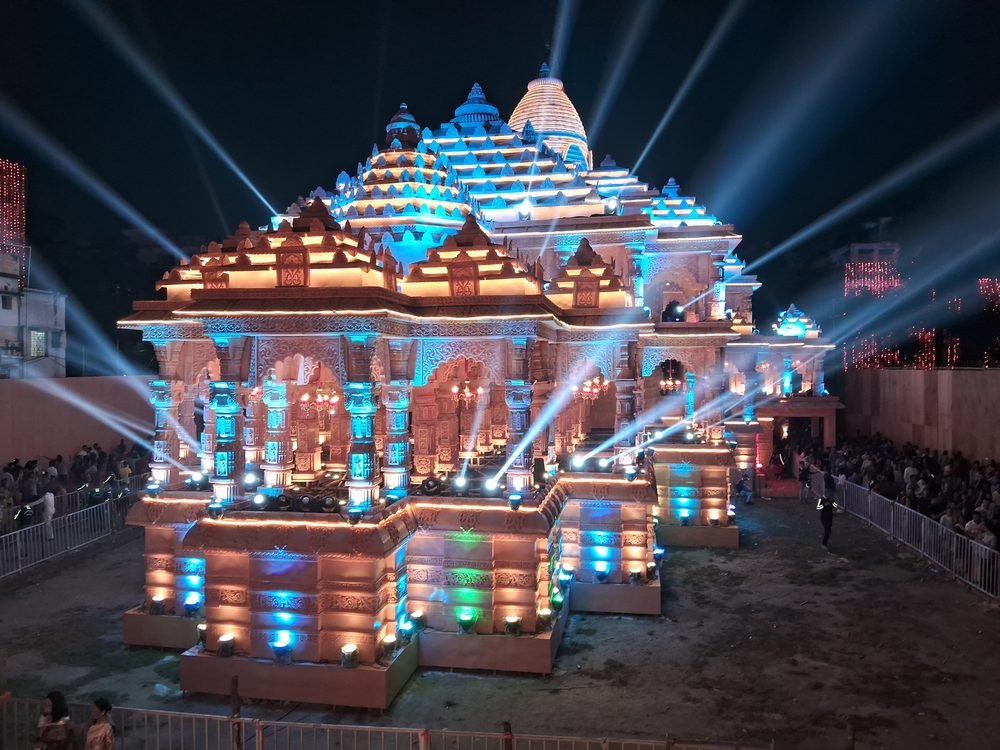
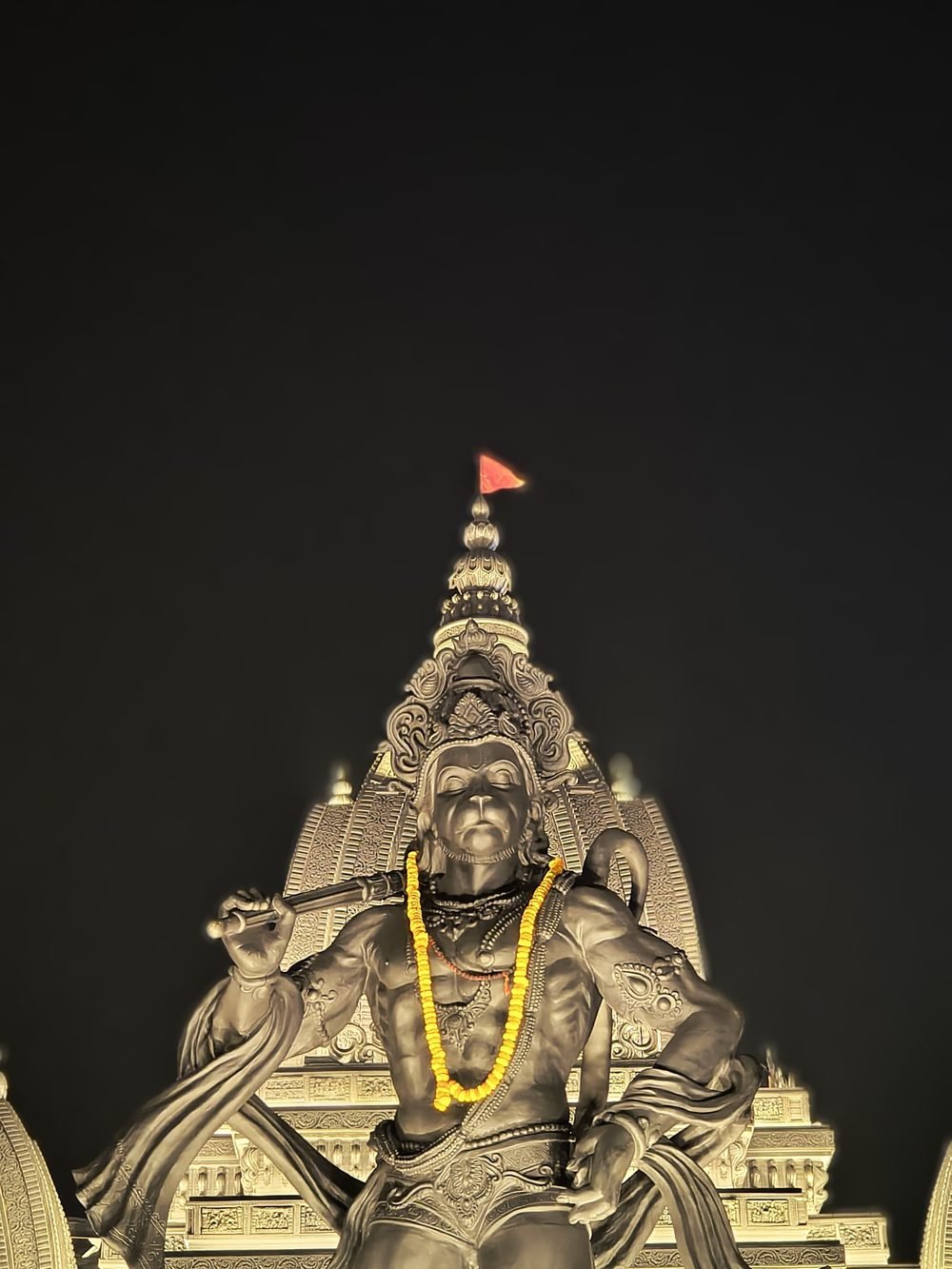
For five days every autumn, Kolkata stops being a city and becomes a gallery that a goddess walks through. Around 3,000 community pandals — temporary temples built of bamboo, cloth, light and imagination — rise across the city, each housing a clay Durga slaying the buffalo demon, each competing in artistry: one year a pandal is a terracotta temple, another a commentary on climate, another a recreation of a lost Bengal village. UNESCO inscribed Kolkata's Durga Puja on its Intangible Cultural Heritage list in 2021, the first Asian festival so honoured.
In 2027 the main days run from Maha Shashthi on Tuesday, 5 October to Bijoya Dashami on Sunday, 10 October. Come for the art, stay for the ritual: the dawn baths of the kola bou, the thunder of dhak drums, the sindoor khela in a swirl of red and white, and a city that quite simply does not sleep.
Durga Puja at a Glance
| Next edition | Tuesday, 5 October (Maha Shashthi) – Sunday, 10 October 2027 (Bijoya Dashami); Mahalaya on 29 September |
| Main venue | Pandals across Kolkata, immersion at the Hooghly ghats |
| State | West Bengal |
| Best for | Art lovers, street-food explorers and anyone curious about the world's largest open-air art festival |

The Story Behind Durga Puja
Durga Puja marks the goddess Durga's victory over Mahishasura, the buffalo demon — and, in Bengal's telling, a daughter's annual homecoming to her parents' house with her four children, Lakshmi, Saraswati, Kartik and Ganesh, who flank her in every pandal. The autumn worship is called Akal Bodhan, the "untimely awakening": Rama is said to have invoked Durga out of season before his battle with Ravana, and Bengal has kept the autumn date ever since.
The public form is about 250 years old, born in the courts of Bengal's zamindars and scaled up in the twentieth century into the sarbojanin (community) pujas of today, funded by neighbourhood subscription. The idols still begin as river clay in Kumartuli, the potters' quarter, where the same families have sculpted the goddess for generations — and where the first ritual of the season, the painting of the goddess's eyes on Mahalaya, is performed.
When It Happens: Dates & How They Are Set
Durga Puja follows the Bengali almanac (panchang). Mahalaya, the dawn that opens Devi Paksha with tarpan on the Hooghly and the famous Mahishasuramardini radio broadcast, falls on Wednesday, 29 September 2027. The five main days: Maha Shashthi on 5 October (the goddess is formally welcomed and the pandals open), Maha Saptami on 6 October, Maha Ashtami on 7 October, Maha Navami on 9 October, and Bijoya Dashami on 10 October, when the idols are immersed.
One 2027 quirk to know: the Ashtami tithi runs long, into the morning of 8 October, so Sandhi Puja — the climactic rite at the junction of Ashtami and Navami — falls in the early hours of Friday, 8 October, and some observances spread across both days. Pandals, in practice, are visitable from a day or two before Shashthi, and the biggest theme pandals unveil even earlier.
What Happens: Highlights & Where to Be
Pandal-hopping is the sport: plan a north Kolkata route (Kumartuli, Ahiritola, Bagbazar, the old bonedi-bari pujas of the aristocratic houses) and a south route (the famous theme pandals of the Rashbehari–Deshapriya Park belt, Ballygunge and Jodhpur Park), and walk each at night when the light-work blazes. The traditional pujas in the great houses — Shobhabazar Rajbari is the best known — are the counterpoint: ritual over spectacle, and two centuries of continuity.
Catch the rituals, not just the art. On Saptami morning, watch Nabapatrika — the bathing of the kola bou, a banana plant dressed as a bride, in the Hooghly at dawn. On Ashtami, join the pushpanjali flower offerings and find a Kumari Puja, where a young girl is worshipped as the goddess. On Dashami afternoon, married women in white-and-red saris play sindoor khela, smearing vermilion on the goddess and each other, before the processions carry the idols to the ghats for immersion.
Eat as the city eats: pandal-side rolls, chops and biryani at 2 am, mishti doi and sandesh from century-old sweet shops, and a traditional bhog lunch of khichuri at a community puja on Ashtami. During Puja week, Kolkata's restaurants and streets run all night, and so should you — the city is at its best between 10 pm and 4 am.
How to Attend
Kolkata is a metro with an international airport and two great rail termini (Howrah and Sealdah); the Metro is the smartest way to move during Puja, when the police close and one-way many streets. Our Kolkata transport guide covers gateways, and the stay section the best bases — anywhere on the Metro spine works, since you will be walking pandal to pandal on foot.
Everything is free: pandals are public shrines. The only planning that matters is shoes you can walk ten kilometres in, a route list each night, and patience at the marquee pandals, where queues are part of the theatre. Book accommodation early — Kolkata fills with returning Bengalis from across the world.
Good to Know Before You Go
Pandals are temples: keep voices down inside, do not touch the idols or cross the barricades, and ask before photographing rituals or worshippers at close range. Morning visits are far calmer than nights if crowds worry you. Traffic diversions are extensive and change daily — rely on the Metro and your feet. For the city beyond the festival, see our Kolkata destination guide and the West Bengal guide.
Frequently Asked Questions
When is Durga Puja in 2027?
The main days run from Maha Shashthi on Tuesday, 5 October 2027 to Bijoya Dashami on Sunday, 10 October 2027. Mahalaya falls on 29 September 2027, and pandals generally open to visitors from around 4 October.
Are the dates confirmed?
Yes — they are calculated from the Bengali almanacs (panchang) for Kolkata: Shashthi 5 October, Saptami 6 October, Ashtami 7 October (running into the morning of the 8th, when Sandhi Puja is held), Navami 9 October and Dashami 10 October 2027. Almanac traditions can differ by a day for some rites, but these are the dates Kolkata observes.
How many pandals are there in Kolkata?
Around 3,000 community (sarbojanin) pujas across the city, plus hundreds of household and apartment pujas. Nobody sees them all — serious pandal-hoppers plan north and south routes over three or four nights.
What is sindoor khela?
On Dashami, before immersion, married women in white saris with red borders bid the goddess farewell by offering her sweets and smearing vermilion (sindoor) on her and then playfully on each other — one of the festival's most joyful and photographed rituals.
Is Durga Puja free to attend?
Completely. Pandals are public and free; you pay only for food, transport and your stay. Some famous pandals have long queues at peak hours — early mornings are the quietest time to visit.
Keep Planning
Return to the festivals hub for the year-round calendar, read the Kolkata destination guide for the full picture of the place, and browse the West Bengal travel guide. Pair this festival with Navratri Garba and Mysuru Dasara.