
Food Guide · Tamil Nadu
What to Eat in Tamil Nadu: 12 Dishes from Chettinad to Filter Coffee

By Beauty of Bharat — India travel guide, every place, every flavour.
Guides covering all 36 States and UTs, researched from official sources and checked at publish time. Corrections welcome — see About Beauty of Bharat.
The most famous food of Tamil Nadu is masala dosa, idli, Chettinad chicken, pongal and filter coffee — a cuisine built on rice, lentils, coconut and freshly ground spices. Tamil Nadu eats by the clock: light tiffin in the morning, a banana-leaf meal at midday, snacks with evening coffee, and a fiery non-vegetarian spread for those who want it. From Chennai's tiffin rooms to Madurai's late-night parotta stalls and the pepper country of Chettinad, these are the 12 dishes to try first, and what makes each one distinct. For the wider picture, see our best food in India guide and our famous food of Goa post.
12 famous dishes of Tamil Nadu
1. Masala dosa — the crisp icon

A dosa is a thin, crisp crepe of fermented rice-and-urad-dal batter, cooked on a cast-iron griddle until golden. The masala version folds in a spiced potato filling, and it arrives with sambar and coconut chutney. Order it as a ghee roast for extra crispness, or a podi dosa dusted with fiery gunpowder spice. Every tiffin room makes it slightly differently, which is half the fun. See our idli and dosa varieties guide.
2. Idli and medu vada — the gentle breakfast
Idli are soft, steamed rice cakes — light, mild and endlessly dunkable in sambar. They are almost always paired with medu vada, a crisp, doughnut-shaped fried lentil fritter. Together with chutney, they are Tamil Nadu's default breakfast and the gentlest possible introduction to the cuisine: no chilli heat required, just fermentation, steam and good sambar. Mini idlis dunked in sambar, served in a small bowl, are a Chennai tiffin-room speciality.
3. Pongal — comfort in a bowl

Ven pongal is rice and moong dal cooked soft with ghee, black pepper, cumin, cashews and curry leaves — savoury, soothing and served for breakfast and at temples. Its sweet twin, sakkarai pongal, uses jaggery instead of pepper and is the dish of the Pongal harvest festival in January. Both are comfort food in the truest sense. See our pongal guide.
4. Chettinad chicken — pepper country on a plate
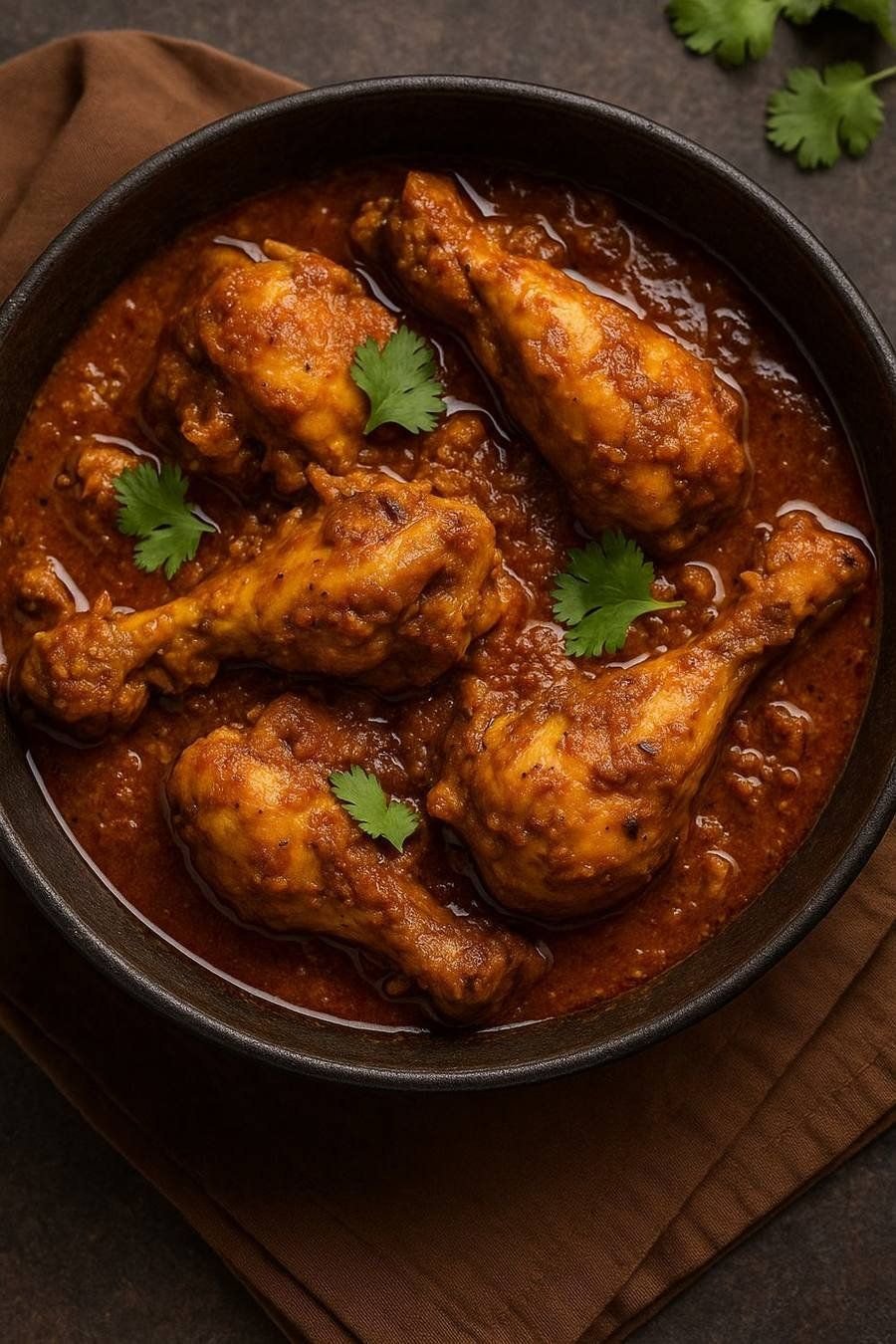
Chettinad cooking, from the Chettiar merchant region around Karaikudi, is Tamil Nadu's most celebrated non-vegetarian cuisine. Its masalas are roasted and ground fresh — black pepper, dried red chillies, coriander, cumin, fennel and stone flower — and the heat is real, not decorative. Chettinad chicken is the signature: dark, aromatic and unapologetically spicy, best with parotta or steamed rice. See our Chettinad cuisine guide.
5. Kothu parotta — dinner with a soundtrack

Kothu parotta is Madurai's late-night legend: flaky parottas chopped on a hot tawa with egg or chicken, onion, tomato and salna gravy, the metal spatulas clattering a rhythm you hear before you see the stall. The name means "minced" parotta, and the chopping is the show. Eat it standing at a Madurai night stall for the full effect. See our kothu parotta guide.
6. Filter coffee — the davara-tumbler ritual
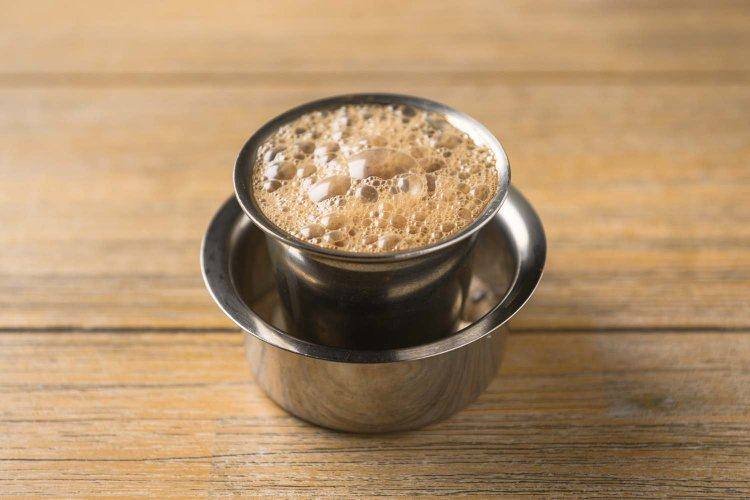
No Tamil meal is complete without filter coffee: strong coffee brewed in a brass or steel drip filter, mixed with hot milk and sugar, then poured high between davara and tumbler until it froths. It is served after breakfast, after lunch, and again in the evening — and in a traditional home, it is also how guests are welcomed. The froth and the steel tumbler matter as much as the coffee. See our filter coffee guide.
7. Murukku — the spiral snack

Murukku are crisp, coiled spirals of rice and urad-dal flour, pressed through a mould and deep-fried with cumin and asafoetida. They are the state's defining savoury snack — made in bulk for Deepavali, sold in every bakery, and eaten with evening coffee. Variations range from buttery butter murukku to peppery milagu murukku. See our murukku guide.
8. Sambar and rasam — the two soups that run the meal
Sambar, the lentil-and-vegetable stew with tamarind and drumstick, is the gravy that ties breakfast and lunch together; rasam, its thinner, peppery, tomato-tamarind cousin, is served with rice as a digestive course and as a home remedy for colds. Every household's sambar powder recipe is slightly different, and Tamil cooks will happily debate the proportions. If a meal has no sambar, it is barely a Tamil meal.
9. Banana-leaf meals — the full Tamil sapadu
The full Tamil vegetarian meal, sapadu, is served on a fresh banana leaf: rice in the centre, poriyal (stir-fried vegetables), kootu, appalam, pickle, curd and payasam arranged around it, eaten by hand. It is the celebratory format — weddings, festivals and Sunday lunches — and the leaf itself flavours the food. In Chennai and Madurai, mess-style restaurants serve a simpler daily version at lunch, and it remains one of India's best-value meals.
10. Dindigul biryani — the small town's big rice dish
Dindigul, a town near Madurai, makes its own biryani: seeraga samba rice instead of basmati, a tangier, pepper-led masala, and meat cooked in small batches in a sealed pot. It is distinct from Hyderabadi and Malabar biryanis — lighter on saffron, heavier on black pepper and lemon. If you are passing through the Madurai region, this is the biryani to compare all others against.
11. Jigarthanda — Madurai's cooling drink-dessert
Jigarthanda, Madurai's beloved street cooler, layers milk, almond gum (badam pisin), sarsaparilla syrup and ice cream into a thick, sweet drink that cools the city's summer heat. The name translates roughly as "cool heart", and it is sold from carts around Madurai's temple streets. It is dessert and refreshment at once, and it pairs perfectly with a spicy parotta meal.
12. Payasam — the sweet finish
Payasam is Tamil Nadu's celebratory pudding: rice, vermicelli or moong dal simmered in milk and jaggery or sugar, finished with ghee-roasted cashews and cardamom. Elaneer payasam, made with tender coconut water and pulp, is a Chettinad and Kongu speciality. It closes weddings, festivals and banana-leaf meals, and no Tamil feast feels finished without a small bowl of it.
How to eat your way through Tamil Nadu
Start in Chennai for tiffin culture, then head to Madurai for kothu parotta and jigarthanda, Chettinad for the pepper-hot curries, and Thanjavur for temple-town meals. Our Tamil Nadu state guide covers the places behind the plates, and our best food cities in India guide puts Chennai in national context. First-timers should also read our first-timer's guide to Indian food.
Watch & feel the place
See the food being made before you go: a Chennai dosa griddle in full flow, and a Madurai non-vegetarian spread served home-style.
Frequently asked questions
What is the most famous food of Tamil Nadu?
Masala dosa is Tamil Nadu's most famous dish, followed closely by idli, Chettinad chicken and filter coffee. If you try only one meal, make it a South Indian breakfast: idli or dosa with sambar and chutney, finished with a frothy davara-tumbler of filter coffee.
What is Chettinad food known for?
Chettinad cooking, from the Chettinad region around Karaikudi, is known for freshly ground spice blends, black pepper heat and slow-cooked curries. Chettinad chicken is the signature dish, but the cuisine also covers mutton, fish and a wide vegetarian repertoire.
Is Tamil Nadu food very spicy?
Some of it is — Chettinad curries and kara chutneys are genuinely hot — but much of the everyday cooking is gentle: idli, pongal, curd rice and sambar are mild, and coconut, curd and buttermilk cool the palate. You can eat very well in Tamil Nadu without ever ordering the hottest dish.
What do people eat for breakfast in Tamil Nadu?
The classic Tamil breakfast, called tiffin, is idli, dosa or pongal with sambar and coconut chutney, plus medu vada, and it almost always ends with filter coffee. Tiffin rooms in Chennai and Madurai serve it from early morning, and the best ones sell out fast.
What is Tamil filter coffee, and how is it served?
Filter coffee is strong coffee brewed in a brass or steel drip filter, mixed with hot milk and sugar, then poured back and forth between a davara (bowl) and tumbler to froth and cool it. The high pour and the froth are the point — it arrives bubbling, in a steel tumbler set inside the davara.
Twelve dishes in, one rule holds: in Tamil Nadu, breakfast is sacred, spices are ground fresh, and coffee is never an afterthought. Eat at tiffin rooms in the morning, mess-style restaurants at lunch, and night stalls after dark — and you will have tasted the state properly. For more, explore our food atlas and the blog.