
Food Atlas · Tamil Nadu
Idli/dosa varieties: Fermented batter, endless Tamil forms
By Beauty of Bharat — India travel guide, every place, every flavour.
Guides covering all 36 States and UTs, researched from official sources and checked at publish time. Corrections welcome — see About Beauty of Bharat.

In Tamil Nadu, Idli/dosa varieties is not just a menu entry; it is a clue to how the state cooks, celebrates and feeds people. A family of fermented rice-and-lentil foods from Tamil Nadu, principally soft steamed idli and crisp pan-cooked dosa in many varieties.
A detail worth knowing before the first bite: idli and dosa share a batter family, but proportions differ by household and hotel. Keep that in mind as you read on, because Idli/dosa varieties rewards eaters who notice how Tamil Nadu seasons, serves and shares its food.
Idli/dosa varieties at a Glance
| State / UT | Tamil Nadu |
| Capital / base | Chennai |
| What it is | A family of fermented rice-and-lentil foods from Tamil Nadu, principally soft steamed idli and crisp pan-cooked dosa in many varieties |
| Main ingredients | rice and urad dal batter, fenugreek seeds in the batter, potato masala for masala dosa, ghee for roast versions and coconut chutney and sambar as accompaniments |
| Taste | Mildly tangy from fermentation; idli are gentle and plain, dosas toastier, both lifted by spicy sambar and chutneys |
| Texture | Idli are pillowy and spongy; dosas range from soft and thick to paper-crisp and lacy-edged |
| Usually eaten | Served on a banana leaf or steel plate with coconut chutney, sambar and often podi with oil |
| Occasion | The defining breakfast and tiffin category of Tamil Nadu, eaten daily across the state |
The Story on Tamil Nadu’s Table
Idli and dosa are treated here honestly as a category: one fermented batter family produces dozens of Tamil preparations, from rava and ragi variants to masala, ghee roast and set dosa. Fermentation suited the warm Tamil climate and became the backbone of the tiffin tradition. Tamil eateries built their identity around these varieties. That context is essential in Tamil Nadu, where a plate can signal a harvest, a religious calendar, a market habit or the meeting of communities. Idli/dosa varieties belongs in this atlas under Tamil Nadu because this is the setting in which its ingredients, accompaniments and meaning come together.
The state guide places Idli/dosa varieties alongside Pongal, Chettinad cuisine and Kothu parotta. Start with the Tamil Nadu travel and food guide if you are planning where this tasting fits into a route.
Taste, Texture and Ingredients
Expect mildly tangy from fermentation; idli are gentle and plain, dosas toastier, both lifted by spicy sambar and chutneys. Think idli are pillowy and spongy; dosas range from soft and thick to paper-crisp and lacy-edged.
The ingredient list is best read as a structure rather than a shopping list: rice and urad dal batter, fenugreek seeds in the batter, potato masala for masala dosa, ghee for roast versions and coconut chutney and sambar as accompaniments.
How Idli/dosa varieties Is Made
Rice and urad dal are soaked, ground and fermented until the batter rises, then steamed in moulds for idli or spread on a hot tawa for dosa. Varieties change the grain, thickness, fat and filling rather than the base idea. Good versions are built patiently, with each stage adding aroma, body or contrast.
When Idli/dosa varieties is made for a gathering, that timing also becomes social — food reaches the table as part of a shared rhythm, not as an isolated plate.
When and How It Is Eaten
Served on a banana leaf or steel plate with coconut chutney, sambar and often podi with oil. Its natural moment is the defining breakfast and tiffin category of Tamil Nadu, eaten daily across the state.
Tamil Nadu’s broader food culture helps explain the serving style. The state is known for temples, heritage and classical arts, and its calendar includes Pongal and Chithirai Festival.
Where to Try It in Tamil Nadu
Try a tiffin room in Chennai, Madurai or Coimbatore and order across the varieties to taste the range. The most convincing first plate usually comes from paying attention to where local people already eat.
Idli/dosa varieties pairs naturally with time in Chennai and Madurai, and can sit just as comfortably beside a quieter excursion to Chettinad or Kumbakonam.
More Dishes of Tamil Nadu
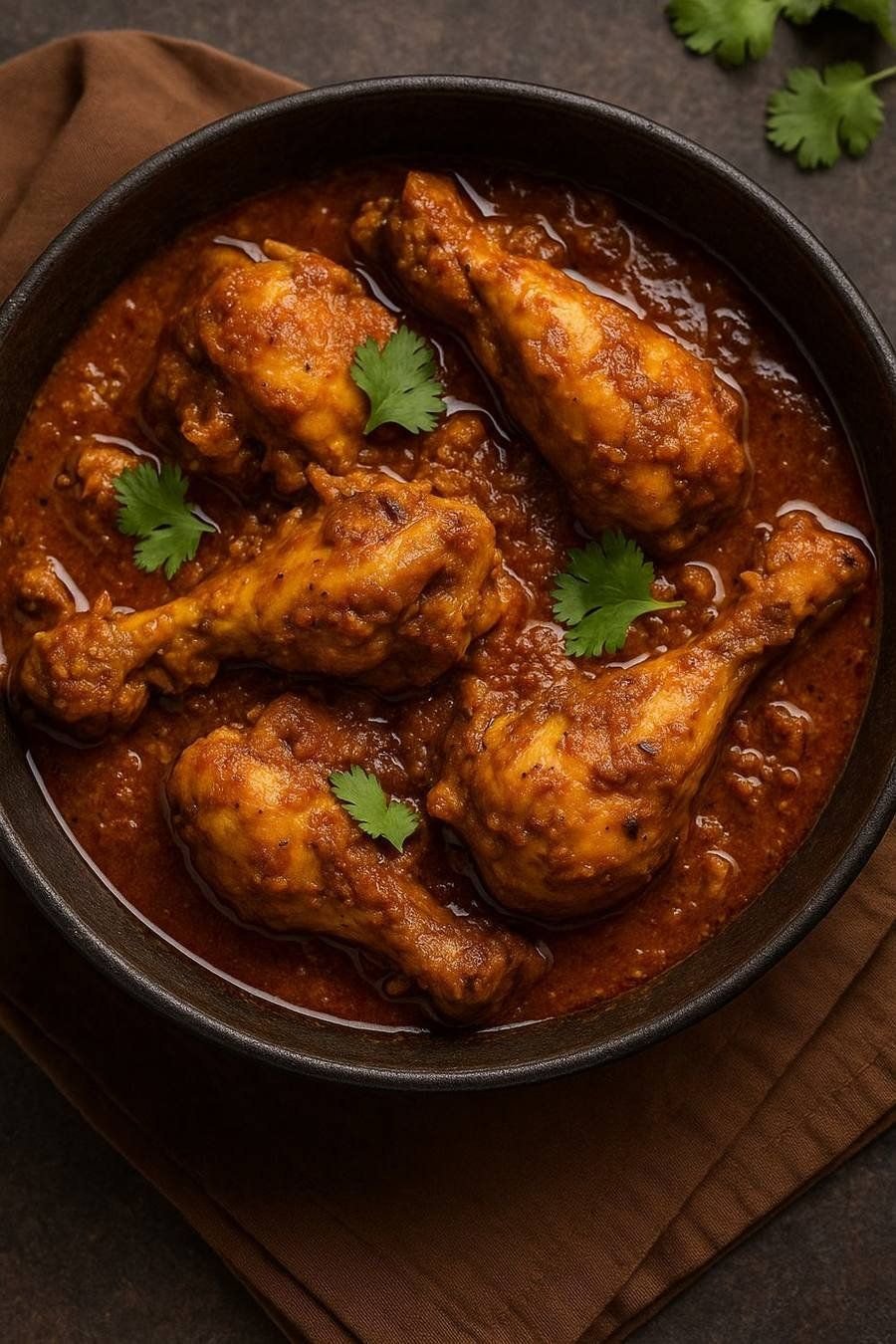
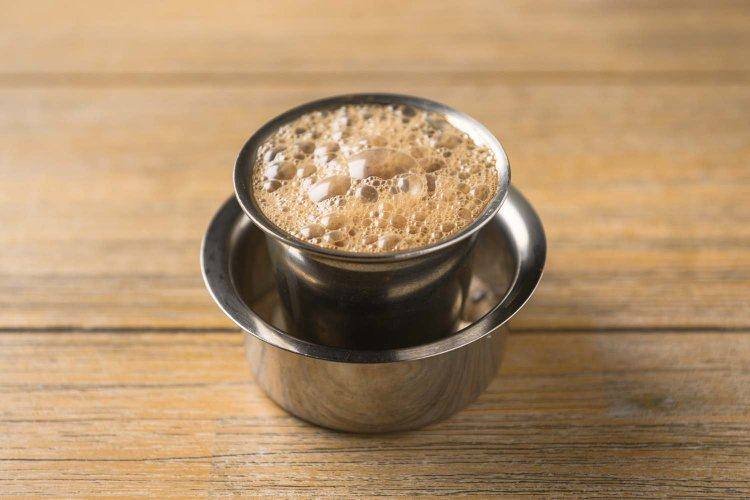
Continue through Tamil Nadu’s other signature plates and drinks below — each has its own page, photograph and story.



Frequently Asked Questions
What is Idli/dosa varieties?
A family of fermented rice-and-lentil foods from Tamil Nadu, principally soft steamed idli and crisp pan-cooked dosa in many varieties. Expect mildly tangy from fermentation; idli are gentle and plain, dosas toastier, both lifted by spicy sambar and chutneys.
What are the main ingredients in Idli/dosa varieties?
The defining ingredients or components are rice and urad dal batter, fenugreek seeds in the batter, potato masala for masala dosa, ghee for roast versions and coconut chutney and sambar as accompaniments. Rice and urad dal are soaked, ground and fermented until the batter rises, then steamed in moulds for idli or spread on a hot tawa for dosa. Varieties change the grain, thickness, fat and filling rather than the base idea.
What does Idli/dosa varieties taste like?
Expect mildly tangy from fermentation; idli are gentle and plain, dosas toastier, both lifted by spicy sambar and chutneys. Think idli are pillowy and spongy; dosas range from soft and thick to paper-crisp and lacy-edged. Serving pattern: Served on a banana leaf or steel plate with coconut chutney, sambar and often podi with oil.
When is Idli/dosa varieties eaten in Tamil Nadu?
The defining breakfast and tiffin category of Tamil Nadu, eaten daily across the state. Rava dosa uses unfermented semolina batter, giving an instant lacy crepe.
Where can I try Idli/dosa varieties in Tamil Nadu?
Try a tiffin room in Chennai, Madurai or Coimbatore and order across the varieties to taste the range. Pair a first tasting with Pongal and Chettinad cuisine to see how Idli/dosa varieties sits within the wider Tamil Nadu table.
Every Place. Every Flavour.
Idli/dosa varieties is one of 6 dishes and drinks profiled from Tamil Nadu — and one of 213 regional dishes across all 36 states and union territories in this atlas.
Open the Tamil Nadu guide Read the blog