
Jaipur · 3-Day Itinerary
Jaipur in 3 Days: The Complete Itinerary

By Beauty of Bharat — India travel guide, every place, every flavour.
Guides covering all 36 States and UTs, researched from official sources and checked at publish time. Corrections welcome — see About Beauty of Bharat.
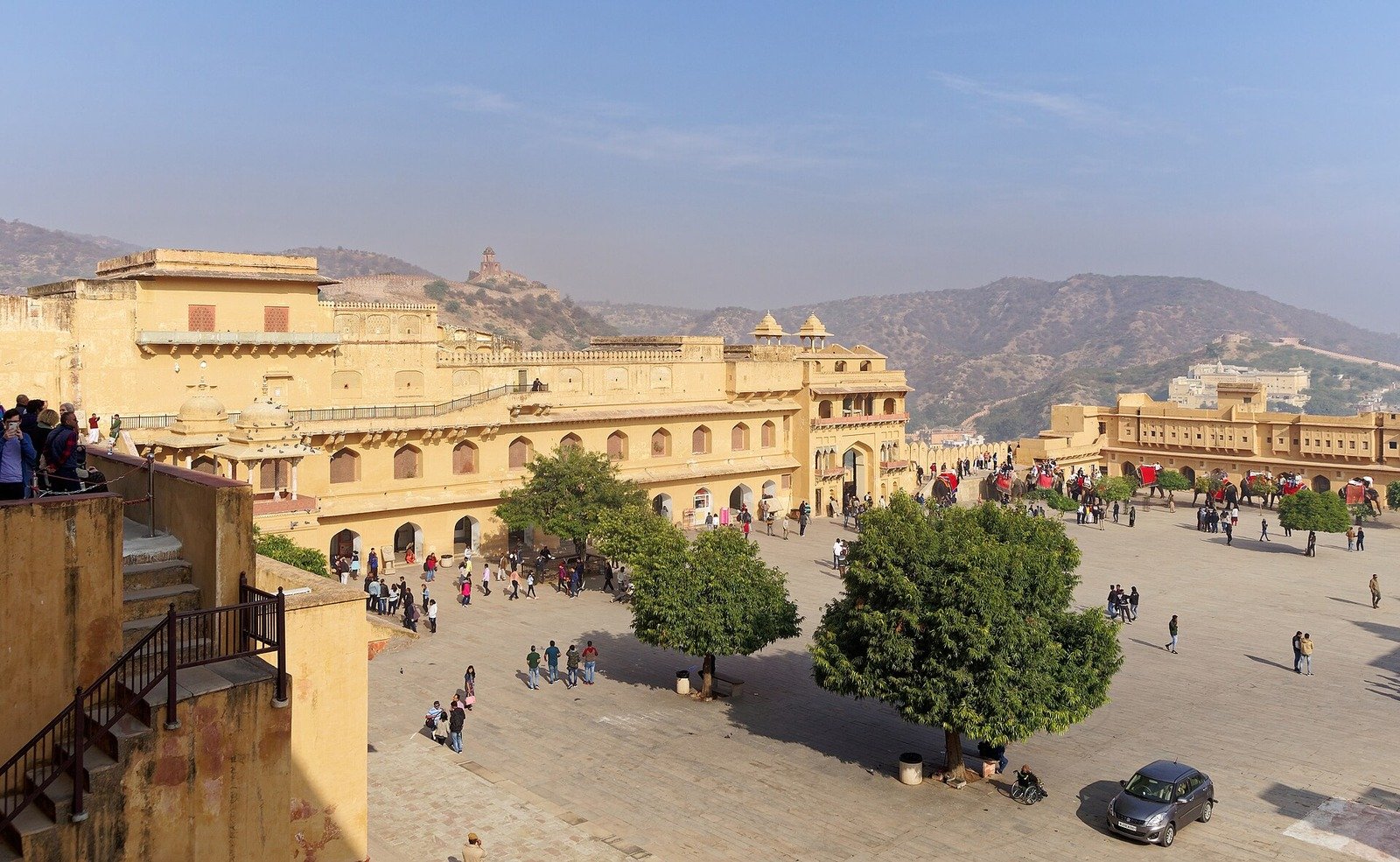
In 1876, Jaipur painted itself pink for a royal guest — the Prince of Wales was coming, and the whole walled city was washed in terracotta pink to welcome him. The prince left. The pink stayed. Three days is exactly enough to see it properly. Day 1 belongs to the Amber hill — the fort, the stepwell and the lake palace — with the bazaars at dusk. Day 2 belongs to the old city: Hawa Mahal, the City Palace and Jantar Mantar, then a sunset at Nahargarh. Day 3 is for the quieter corners — Galtaji, the Albert Hall Museum and the Patrika Gate — and a slow afternoon in the markets. See our Jaipur guide and our best places to visit in Rajasthan guide.
Jaipur in 3 Days at a Glance
| Day | Where you go | Not to miss |
| Day 1 — The Amber hill | Amber Fort, Panna Meena ka Kund, Jal Mahal, the bazaars | The Sheesh Mahal, the stepwell, Jal Mahal at dusk |
| Day 2 — The Pink City | Hawa Mahal, City Palace, Jantar Mantar, Nahargarh Fort | Hawa Mahal in morning light, the Samrat Yantra, sunset over the city |
| Day 3 — Temples and markets | Galtaji, Albert Hall Museum, Patrika Gate, Johari and Bapu Bazaars | Galtaji at dawn, the Patrika Gate, a slow bazaar afternoon |
Timings, fares and entry fees as reported at publish time; confirm them locally before you travel — all costs below are rough estimates.
How Many Days Are Enough for Jaipur?
Three days is the honest answer for a first trip. One day gives you Amber Fort and the old city’s big names — a postcard, and a tiring one. Two days covers the major sights at a reasonable pace: the forts, the old city, one sunset and an evening in the bazaars. Three days is where the trip stops feeling rushed: the museums, the temples most visitors never reach, and a bazaar afternoon with no clock-watching. See our Jaipur, Jodhpur and Udaipur 6-day itinerary if Jaipur starts a longer Rajasthan circuit.
Is 2 Days Enough for Jaipur?
Yes, for the essentials: Amber Fort, Jal Mahal, Hawa Mahal, the City Palace, Jantar Mantar and Nahargarh at sunset, with one bazaar evening. What two days cannot fit is the third-day list: Galtaji, the Albert Hall Museum, the Patrika Gate and a slow market afternoon.
Day 1 in Jaipur: Amber Fort, Jal Mahal and the Bazaars at Dusk
Morning — Amber Fort. Leave early and be at the gate for opening: the eleven-kilometre road out of the city roughly doubles in time after 9 am, and the fort fills with tour groups by mid-morning. Amber was the Kachwaha capital before Jaipur was founded in 1727 — a palace-city of courtyards, gardens and audience halls stacked up the hillside above Maota Lake. Walk up through Jaleb Chowk to the Diwan-i-Aam and the Ganesh Pol, then into the Sheesh Mahal, the hall of mirrors. Allow three unhurried hours. Hire a cab for the day: the fort, the stepwell and the lake all sit along the same hill road.
Midday — Panna Meena ka Kund and Jaigarh. On the way back down, stop at the stepwell at the foot of the Amber hill, five minutes from the fort gate. Panna Meena ka Kund is a neat staircase of pink sandstone descending to the water — the most photographed ten minutes of the Amber road. Then drive on to Jaigarh Fort, above Amber on the same ridge: the plain, military brother of Amber’s palace, worth it for the ramparts and the view.
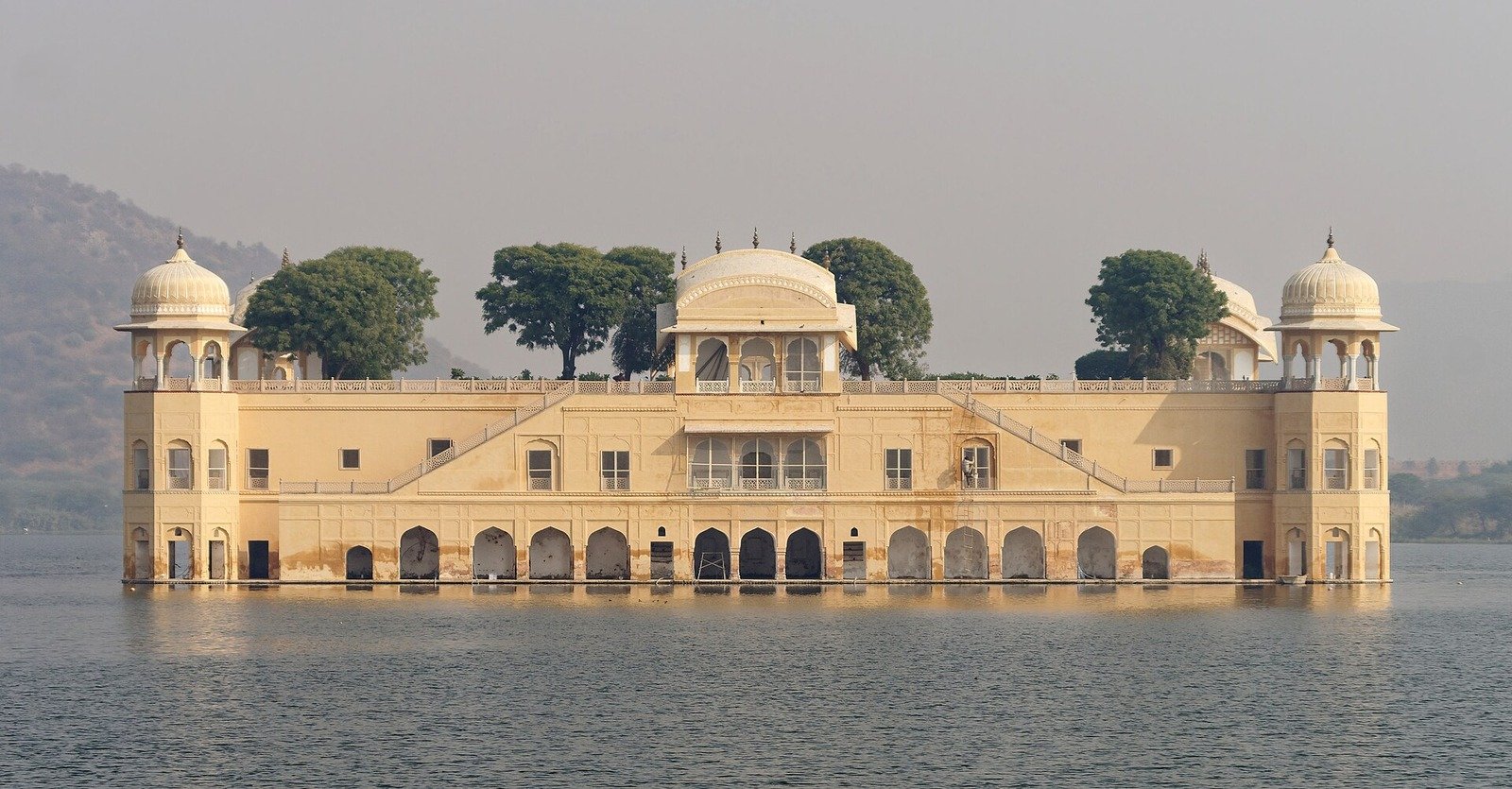
Afternoon — Jal Mahal and a rest. On the road back into the city, stop at Jal Mahal, the Water Palace in the middle of Man Sagar Lake. Only the top storey shows above the water, and the palace is not open to visitors, so this is a photo stop from the shore, best in the late-afternoon light. Then take the afternoon off: Jaipur’s afternoons are for resting, not for a third monument in the heat. Eat a long lunch — a plate of pyaaz kachori is the right start.
Evening — the bazaars. As the light softens, walk into the old city’s bazaars: Bapu Bazaar for textiles and block-printed cloth, then Johari Bazaar, the jewellers’ lane where Jaipur’s gem trade has run for centuries. The lanes are at their best at dusk, when the shops light up and the pink walls turn gold. Bargain politely, and buy the block prints and blue pottery here rather than at the fort gates, where the same things cost more. Our best shopping markets in Jaipur guide maps each bazaar to what it sells best.
Day 2 in Jaipur: Hawa Mahal, City Palace, Jantar Mantar and a Nahargarh Sunset
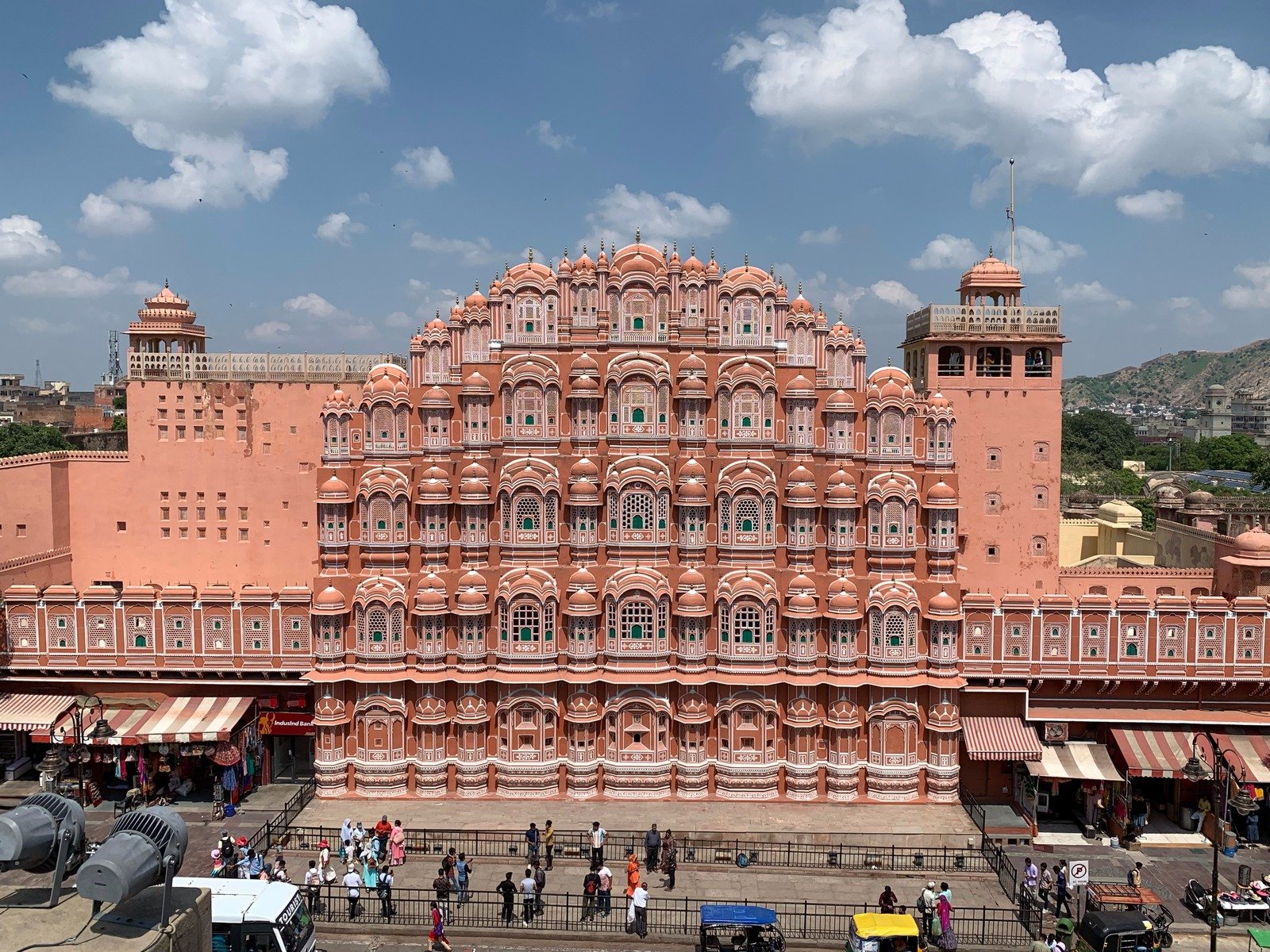
Morning — Hawa Mahal. Start Day 2 at the building on every postcard. Hawa Mahal, the Palace of Winds, was built in 1799 with 953 small latticed windows so the royal women could watch the street below without being seen. See it first from the street, where the five-storey pink facade is at its best in the early east light, then climb to the top for the view over the old city’s rooftops. Allow an hour.
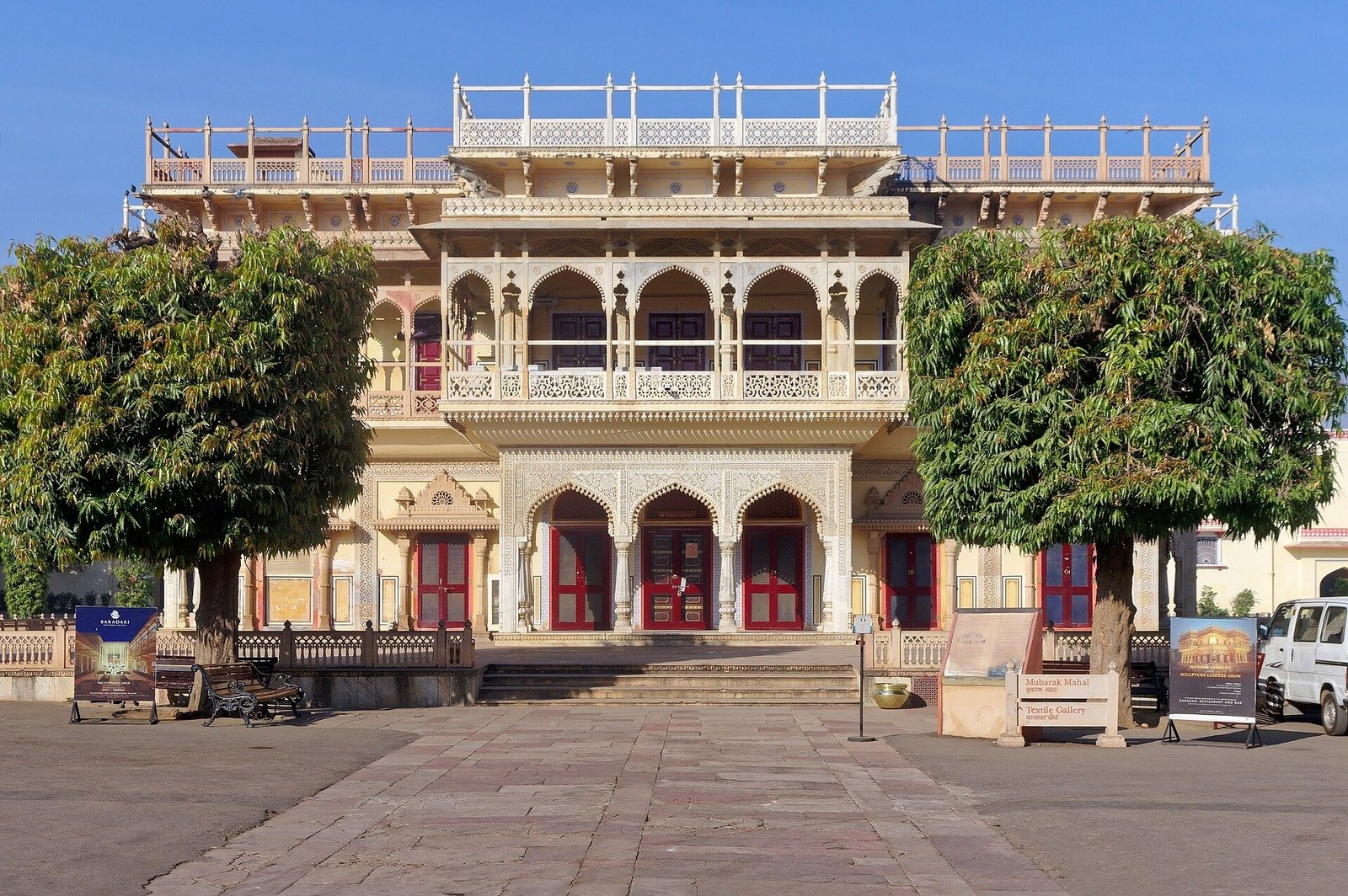
Late morning — the City Palace. Next door stands the City Palace, the walled complex of courtyards, gardens and museums that is still the royal family’s residence. The courtyards hold Mubarak Mahal, the reception hall that now houses the textile gallery, the Chandra Mahal, and Pitam Niwas Chowk with its four painted doorways, one for each season and its god. The palace is privately held by the royal family, so it has its own ticket, separate from the government monuments. Allow two hours, and check the current ticket price at the gate before you go.
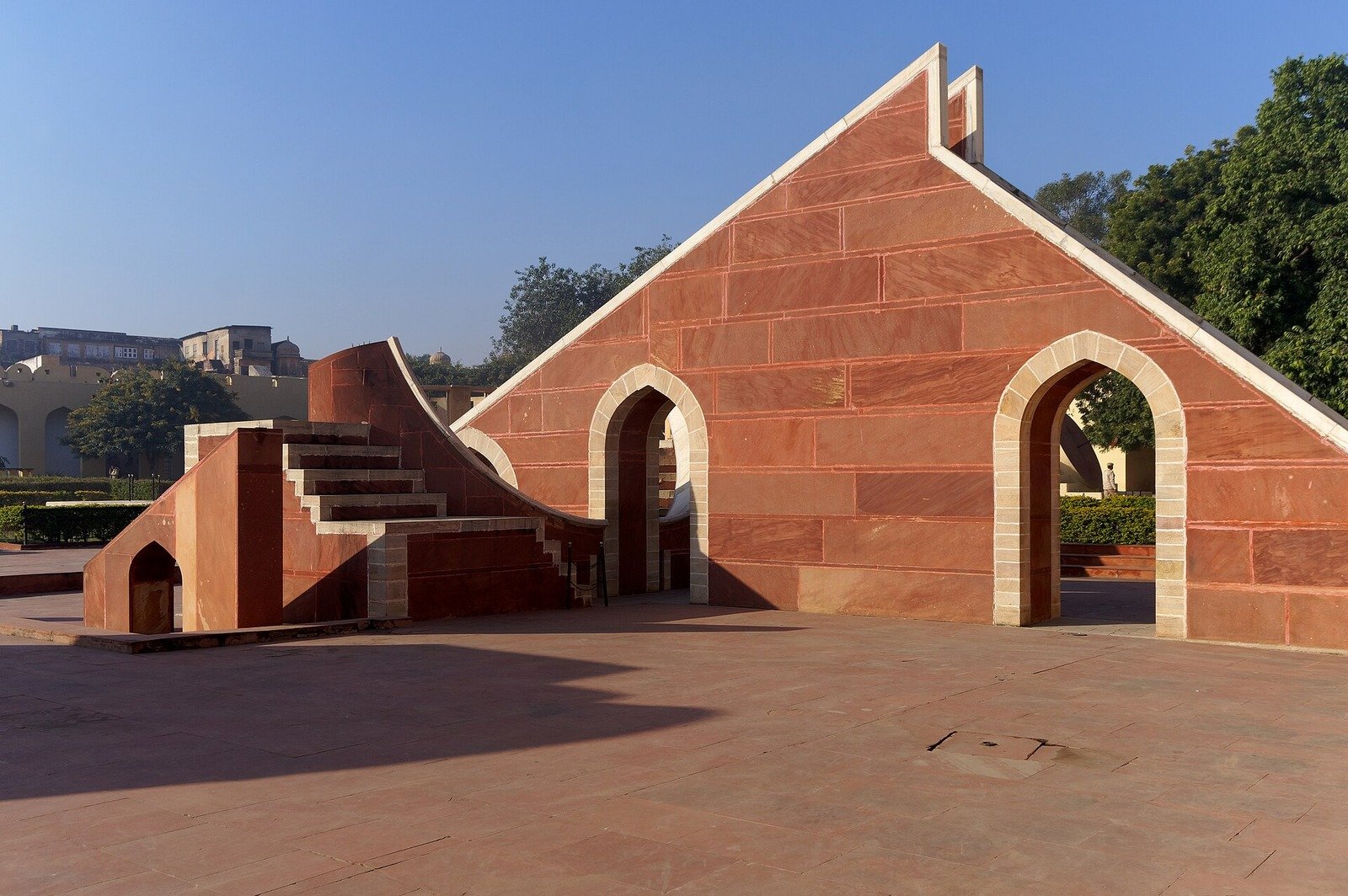
Midday — Jantar Mantar. A few steps from the palace gates stands Jantar Mantar, the stone observatory Maharaja Sawai Jai Singh II built in the 1730s. Nineteen instruments in stone and brass fill the enclosure, and the great Samrat Yantra is the world’s largest stone sundial, its shadow moving visibly as you watch. Go with a guide or the audio guide: without someone to explain what each instrument measures, the shapes are beautiful and meaningless. The palace, the observatory and Hawa Mahal are all within a few minutes’ walk, so Day 2 is a walking day.
Evening — Nahargarh Fort at sunset. After another afternoon rest, drive up to Nahargarh Fort for the sunset. From its ramparts the whole pink grid of the old city spreads out below you, turning gold and then dark as the lights come on — the best view in Jaipur. Bring a jacket in December: the ridge wind is cold after sunset. One practical tip: Jaipur sells a government composite ticket covering Amber Fort, Hawa Mahal, Jantar Mantar, Nahargarh and the Albert Hall Museum, valid for two consecutive days — one travel guide put it at ₹550 for Indian visitors at publish time. Confirm the current price at the counter before you buy.

Day 3 in Jaipur: Galtaji, Albert Hall, Patrika Gate and the Markets
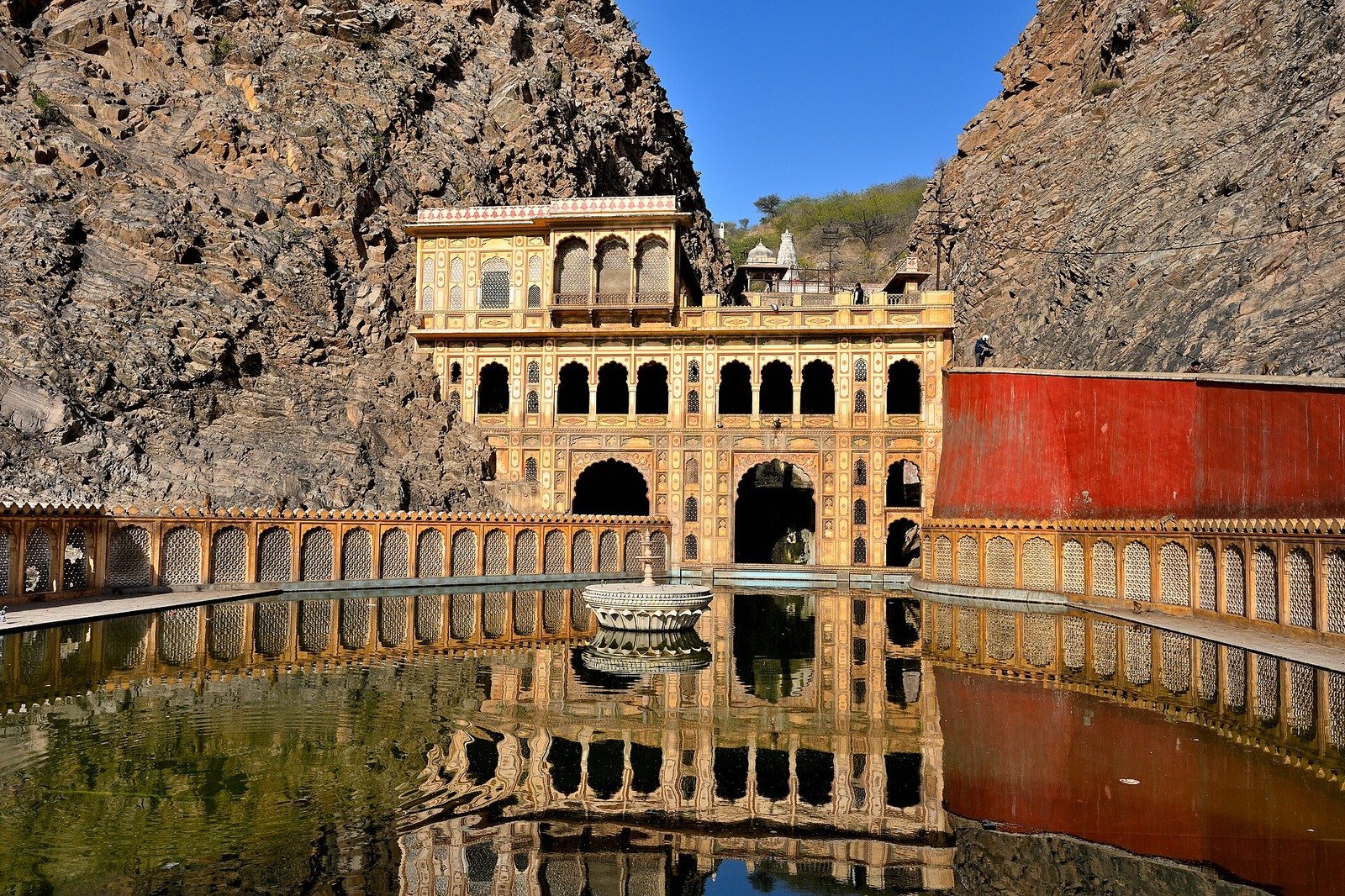
Dawn — Galtaji, the Monkey Temple. The third day starts early, and it is the day most three-day visitors skip — which is exactly why it is the best one. Galtaji sits in a narrow gorge in the Aravalli hills about ten kilometres east of the walled city: pink sandstone pavilions built around natural springs that fill a series of stepped tanks, with a Surya temple on the ridge above catching the first sun. Go at dawn, when the light fills the gorge. Carry no visible food, no loose plastic bags and no dangling sunglasses — the monkeys are habituated and opportunistic.
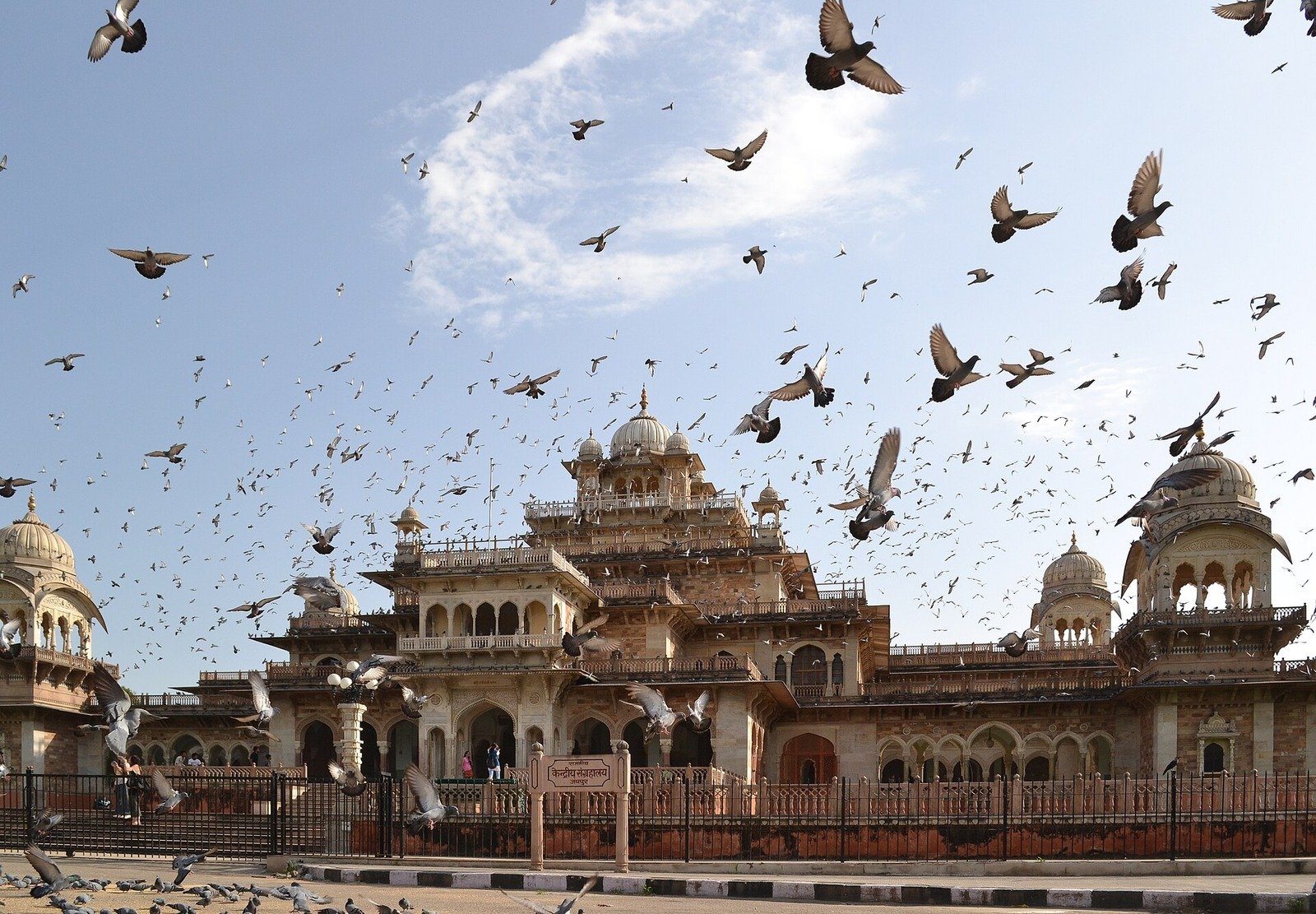
Morning — the Albert Hall Museum. Back in town, in Ram Niwas Garden just south of the walled city, stands the Albert Hall Museum — the state’s oldest museum, in Indo-Saracenic architecture worth the visit on its own. Inside are arms and armour, textiles, miniature paintings, metalwork and pottery, and the famous Egyptian mummy. Allow ninety minutes.
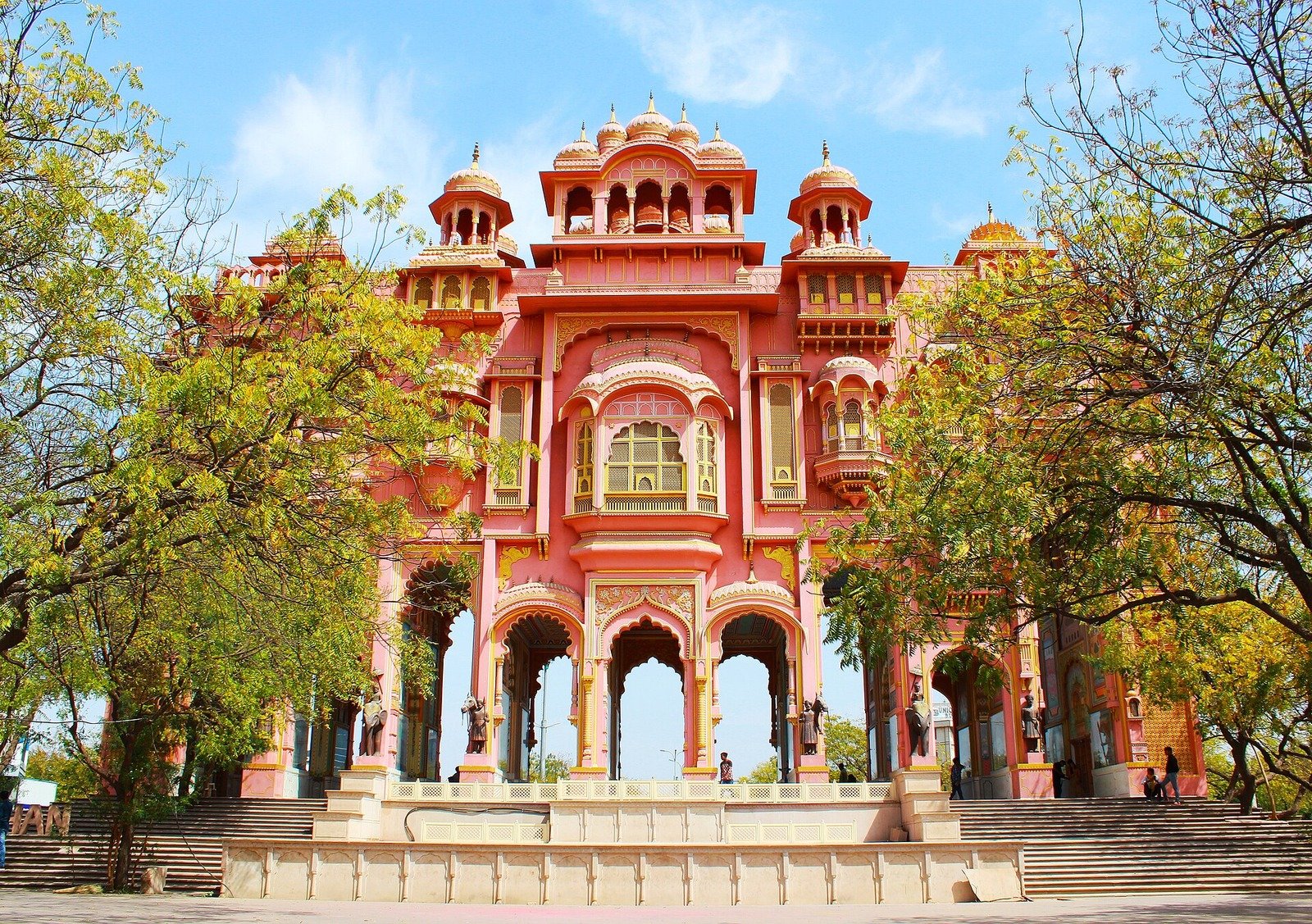
Midday — the Patrika Gate. Ten minutes further out, at Jawahar Circle on the city’s southern ring, stands the Patrika Gate — the most photographed doorway in Jaipur. Nine arches, each painted with scenes from a different region of Rajasthan, run along a pink corridor that glows in the midday sun. It is a short stop: thirty minutes, a string of photographs, and on to lunch. Photograph from inside the corridor, where the paintings are, not from the busy road.
Afternoon — the markets, slowly. Day 3’s afternoon is the one the first two days never allowed: a slow bazaar afternoon with no monument waiting afterwards. Go back to Johari Bazaar for jewellery and gems — buy from a shop that will show you the stone under a loupe and give a written bill. Bapu Bazaar is for textiles, juttis and block prints, and the lanes behind it for blue pottery. If crafts are the reason you came, spend the afternoon in Sanganer or Bagru, the block-print villages south and west of the city, where Chhipa families print cloth by hand with carved wooden blocks — a half-day trip, best arranged through your hotel.
Or leave the city. If a third slow day does not appeal, Day 3 works as a day trip: Pushkar and Ajmer, or the stepwell at Abhaneri. Be back by late afternoon for a rooftop dinner over the old city.
Where to Stay in Jaipur for 3 Days
The streets in and around the walled city are the most convenient base for first-timers: Hawa Mahal, the City Palace and Jantar Mantar are a walk away, the bazaars are on your doorstep, and Amber is a single cab ride out. Bani Park and C-Scheme, just outside the walls, are quieter and easier for early departures, with the old city a short auto ride away. Our best hotels in Jaipur guide compares the heritage stays, the mid-range hotels and the budget options area by area.
What Does a 3-Day Jaipur Trip Cost?
All figures below are rough estimates, per person per day, excluding stay. The temples and bazaars are free; the forts, palace and museums are paid.
| Style | Food & transport | Entries & extras | Daily total |
| Budget | Street food & autos, about ₹500–800 | Composite ticket and the City Palace, about ₹400–700 | About ₹1,000–2,000 |
| Comfortable | Cafés, cabs & the Amber/Galtaji drives, about ₹1,200–1,800 | Guides, museums & shopping, about ₹500–1,000 | About ₹2,500–4,000 |
Stay is the big variable: it can cost less than a day’s food or more than the whole trip, depending on season and area. December is peak season, so book early.
What Is the Best Time to Visit Jaipur?
October to March, when the days are dry and cool enough to walk the old city all day. December is the sweet spot inside that window: pleasant days, cool evenings and clear skies. April to June is brutally hot, with daytime temperatures routinely in the 40s°C, and July to September is the monsoon. See our best places to visit in India in December guide for where else to go in the same season.
Getting to Jaipur and Getting Around
Jaipur is the third corner of the Delhi–Agra–Jaipur Golden Triangle, so most visitors arrive from Delhi or Agra by road or rail — and it is the natural entry point for a wider Rajasthan circuit, as our state-by-state guide sets out. Inside the city, the old city is best on foot. Auto-rickshaws and app cabs cover the rest, and the Amber and Galtaji days are cab days — agree the fare before you set off. Our weekend trips from Jaipur guide covers the day trips if you stay on.
Watch & Feel the Place
Videos are by their respective creators.
Jaipur in 3 Days FAQs
How many days are enough for Jaipur?
Amber Fort, Jal Mahal and the bazaars on Day 1; Hawa Mahal, the City Palace, Jantar Mantar and a Nahargarh sunset on Day 2; and Galtaji, the Albert Hall Museum, the Patrika Gate and the markets on Day 3.
Is 2 days enough for Jaipur?
Yes, for the essentials: Amber Fort, Jal Mahal, Hawa Mahal, the City Palace, Jantar Mantar and Nahargarh at sunset, with one bazaar evening. A third day adds Galtaji, the museums, the Patrika Gate and a slow market afternoon.
What are the best things to do in Jaipur in 3 days?
Amber Fort at opening, Jal Mahal on the lake, Hawa Mahal in the morning light, the City Palace courtyards, Jantar Mantar’s sundial, sunset from Nahargarh Fort, dawn at Galtaji, the Albert Hall Museum, the Patrika Gate, and an evening in Johari and Bapu Bazaars.
What is the best time to visit Jaipur?
October to March, with December the sweet spot — pleasant days and cool evenings. April to June is very hot, July to September is the monsoon, and December and January can bring morning fog.
How much does a 3-day Jaipur trip cost?
Excluding stay, a budget traveller spends roughly ₹1,000–2,000 a day, and a comfortable traveller roughly ₹2,500–4,000 a day including the Amber and Galtaji cabs and a guide. The temples and bazaars are free; the forts, palace and museums are paid.
Can I do Jaipur in 3 days from Delhi?
Yes — Jaipur is the third corner of the Delhi–Agra–Jaipur Golden Triangle, so most visitors arrive from Delhi by road or rail for a three-night stop. Arrive the evening before Day 1 if you can, so the Amber morning starts at the fort gate, not on the highway.
Three days, one pink city, one hilltop fort and one stone clock that still tells the time: Jaipur rewards the traveller who gives each of its layers its own day. Start at Amber at opening and end at Nahargarh at sunset. Plan the rest of the state with our best places to visit in Rajasthan guide, and use the same three-day format in our Delhi in 3 Days and Mumbai in 3 Days itineraries.
Plan your Jaipur trip
Amber Fort at opening, the old city at midday, Galtaji at dawn and the bazaars at dusk — three days covers Jaipur’s best, and December is the season to do it.
Jaipur travel guide →