
Maharashtra · 3-Day Itinerary
Mumbai in 3 Days: The Complete Itinerary

By Beauty of Bharat — India travel guide, every place, every flavour.
Guides covering all 36 States and UTs, researched from official sources and checked at publish time. Corrections welcome — see About Beauty of Bharat.

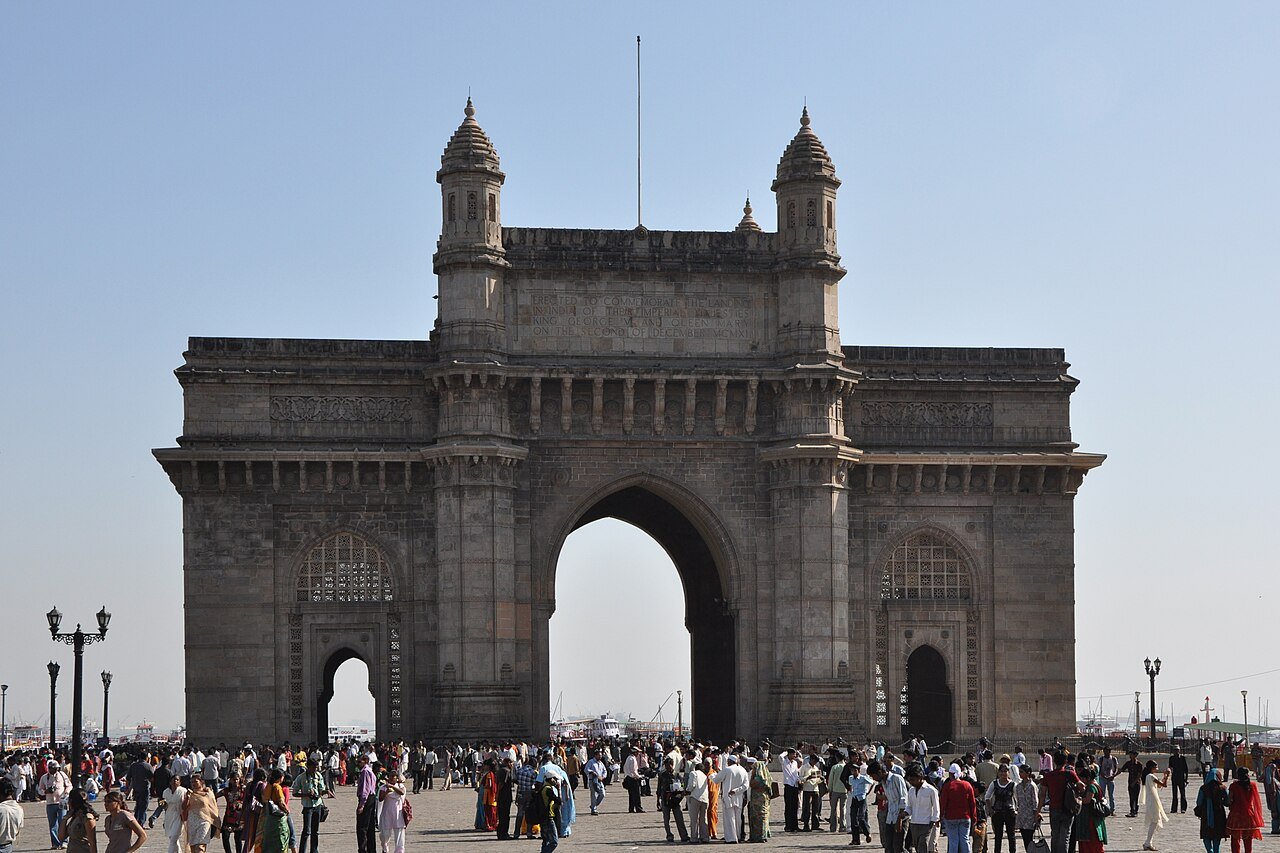
When King George V landed in Bombay in December 1911, the monument built to welcome him did not exist. The king and queen were greeted at Apollo Bunder by a six-foot cardboard model of the arch that was supposed to stand there — the real Gateway of India took thirteen more years to finish, opening in 1924. Thirty-seven years later, the last British troops marched out of India through that same arch, on 28 February 1948. This itinerary follows the same logic — the places that made the city, in an order that works on the ground. Day 1 walks the old colonial south, Day 2 crosses the harbour to the Elephanta Caves and comes back to the bazaars, and Day 3 goes north to a 2,000-year-old cave monastery inside a national park, then back down the coast across the Sea Link. Three full days, no wasted crossings, and every evening ends by the sea. See our Mumbai guide for the city at a glance.
Mumbai in 3 Days at a Glance
| Day | Where you go | Not to miss |
| Day 1 — South Mumbai | Gateway of India, Colaba Causeway, CSMVS museum, Kala Ghoda, CSMT, Marine Drive | Sunset on Marine Drive, chaat at Chowpatty |
| Day 2 — Island & bazaars | Elephanta Caves by ferry, Crawford Market, Chor Bazaar, Mohammed Ali Road | The 9 am ferry — the caves before the crowds |
| Day 3 — North & coast | Sanjay Gandhi National Park & Kanheri Caves, Bandra, Bandra–Worli Sea Link | Crossing the Sea Link as the lights come on |
Timings, fares and entry fees as reported at publish time; confirm them locally before you travel — all costs below are rough estimates.
How Many Days Are Enough for Mumbai?
Three days is the honest answer for a first trip: Maharashtra Tourism lists 3–5 days as the city’s ideal duration. One day gives you the Gateway, the museum and Marine Drive — a postcard. Two days adds Elephanta and Kala Ghoda, but forces a choice between the bazaars and Bandra. Three days is where the trip stops feeling rushed: the landmarks, one island, one neighbourhood day, and at least one meal that surprises you. Four or five days adds a day trip — see our weekend trips from Mumbai guide for Alibaug, Lonavala and Matheran.
Day 1 in Mumbai: South Mumbai — Gateway of India, Fort and Marine Drive
Morning — the Gateway and Colaba. Start at the Gateway of India itself, early, before the plaza fills. The 26-metre basalt arch, completed in 1924 to commemorate King George V’s landing in 1911, is free and open all day, and the morning light on the harbour is the city’s best photograph. From there it is a five-minute walk to Colaba Causeway, the street market of jewellery and secondhand books; allow 45 minutes and bargain hard. Then walk about ten minutes to the Chhatrapati Shivaji Maharaj Vastu Sangrahalaya (CSMVS), the domed former Prince of Wales Museum, about a kilometre away. It opens at about 10:15 am and is closed on Mondays, so on a Monday swap the museum to Day 2. Entry is roughly ₹85 for Indian visitors and ₹500–650 for foreign visitors — a rough estimate — and two hours inside is about right.
Afternoon — Kala Ghoda and CSMT. The museum empties you into Kala Ghoda, the art quarter of low galleries, old bookshops and Irani cafés — the right place for a slow lunch. From there, walk about fifteen minutes to Chhatrapati Shivaji Maharaj Terminus (CSMT), the Victorian Gothic station and UNESCO site, roughly 2 km from the Gateway. It is a working station, admired from outside — best after dark, when the stonework is lit. The whole afternoon is on foot, barely 3 km: South Mumbai’s heritage sits in one compact pocket.
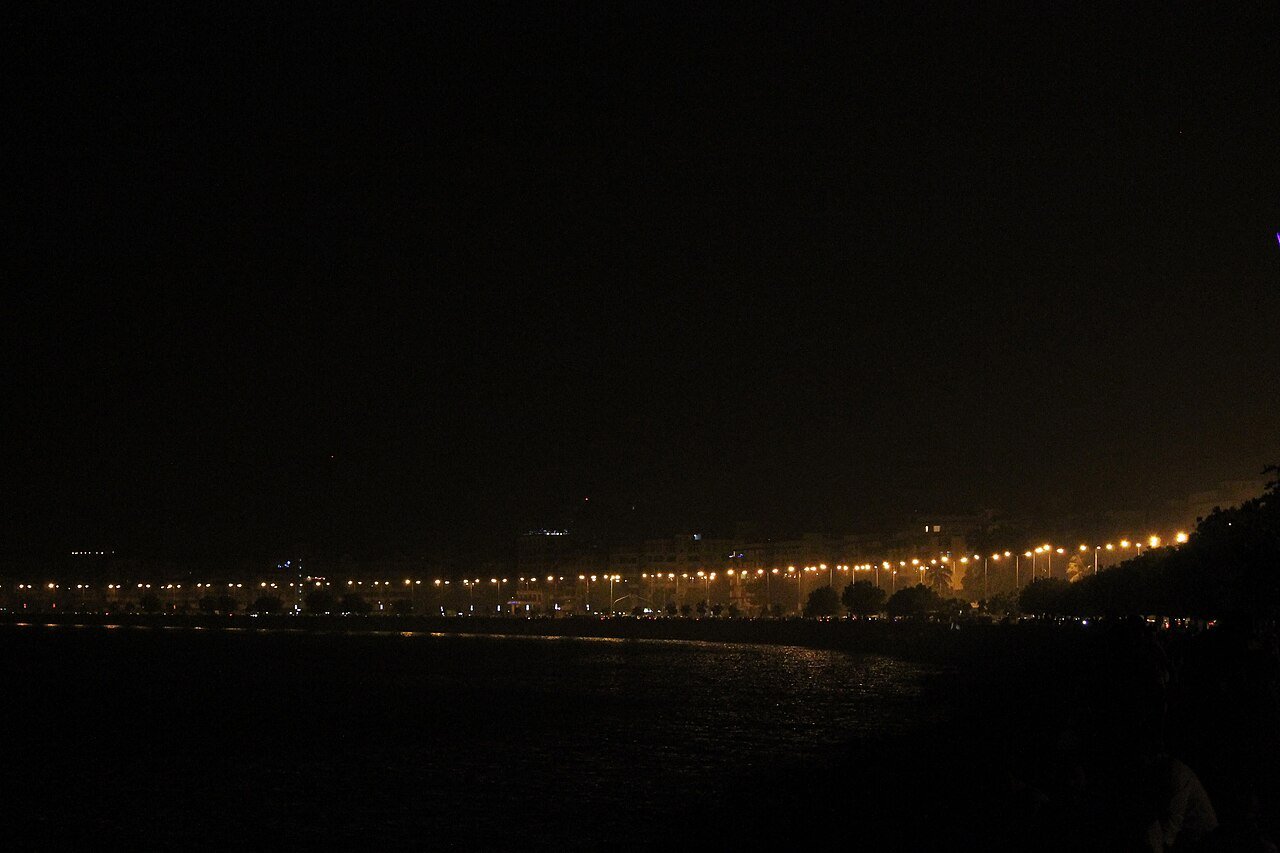
Evening — Marine Drive. End the day on Marine Drive, the roughly 3.6 km curve of promenade from Nariman Point to Girgaon Chowpatty, about 2 km from the Gateway. Arrive an hour before sunset and watch the streetlights come on one by one — the string of lights that gives the bay its name, the Queen’s Necklace. Then walk to the Chowpatty end for bhel puri and pav bhaji from the stalls. If you want the full food story, our best street food in Mumbai guide lists what to order and where.
Day 2 in Mumbai: Elephanta Caves and the Markets
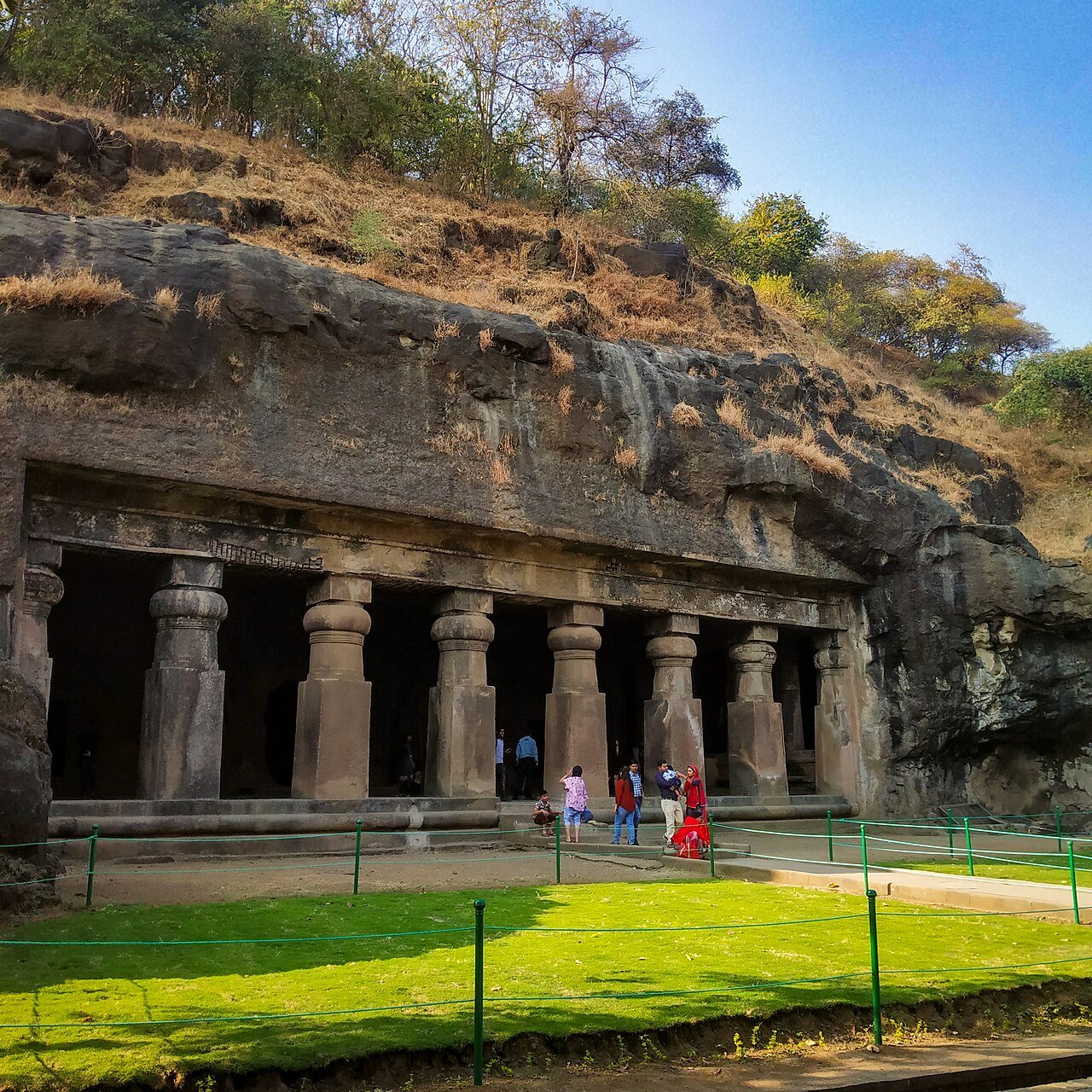
Morning — the ferry to Elephanta. Day 2 starts at the same jetty as Day 1, but this time you leave the mainland. Ferries leave from the Gateway from about 9 am, roughly every 30 minutes; the crossing takes about an hour each way across about 10 km of harbour. Take the first boat: the caves are quietest before midday. The last boat out leaves at about 2 pm and the last return at about 5–5:30 pm — miss it and there is no other way home. The caves are open about 9 am to 5 pm, Tuesday to Sunday, and are closed on Mondays, when no tourist boats run either. Entry is about ₹40 for Indian visitors and ₹600 for foreign visitors, and the return ferry is roughly ₹200–300, a rough estimate to confirm at the jetty. On the island, a climb of about 120 steps brings you to the Great Cave, a hall of rock-cut Shiva sculpture from the 5th to 8th centuries, listed by UNESCO; two to three hours on the island is enough. Wear a life jacket — compulsory since the December 2024 ferry accident — and in the monsoon (roughly June to September), check at the jetty first: services are suspended in rough seas.
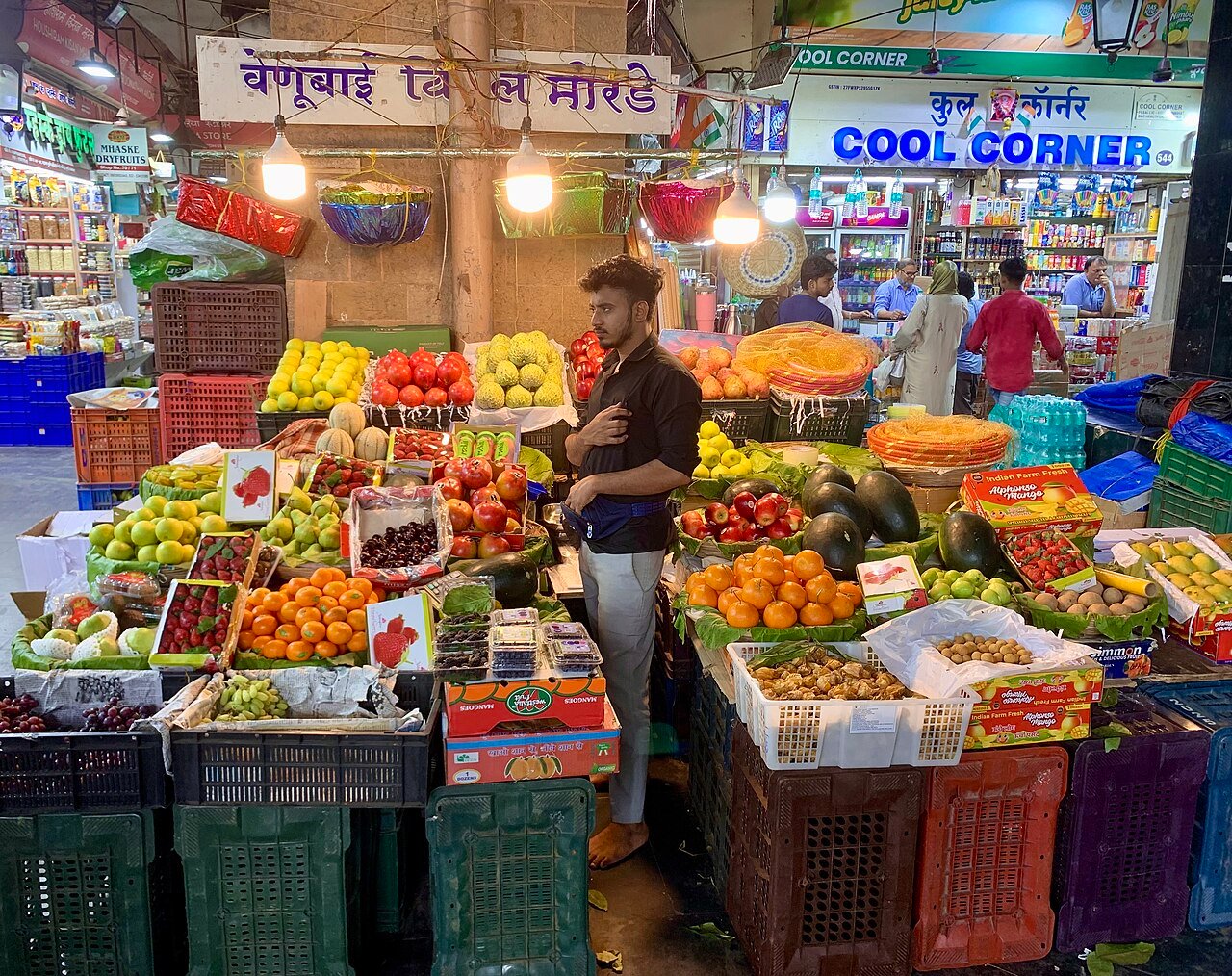
Afternoon — Crawford Market and Chor Bazaar. Back on the mainland by mid-afternoon, walk or take a short cab ride — about 2.5 km — to Crawford Market, the covered bazaar of fruit, flowers, spices and dry goods. Give it an hour: the fruit halls alone are worth it. From there, Chor Bazaar — the “thieves’ market” — is a short ride away: antique shops, old Bollywood posters and brass, where bargaining is the game and the first price is never the final one. If you are buying, our best shopping markets in Mumbai guide has the haggling rules that actually work.
Evening — Mohammed Ali Road. Finish Day 2 eating. Mohammed Ali Road, near Crawford Market, comes alive after dark with kebab grills, fruit creams and sweet shops. Eat what is cooked hot in front of you, pick stalls with a queue, and go easy on raw chutneys and ice at first. A full evening of street food runs roughly ₹200–400 a person, a rough estimate.
Day 3 in Mumbai: Sanjay Gandhi National Park, Bandra and the Sea Link
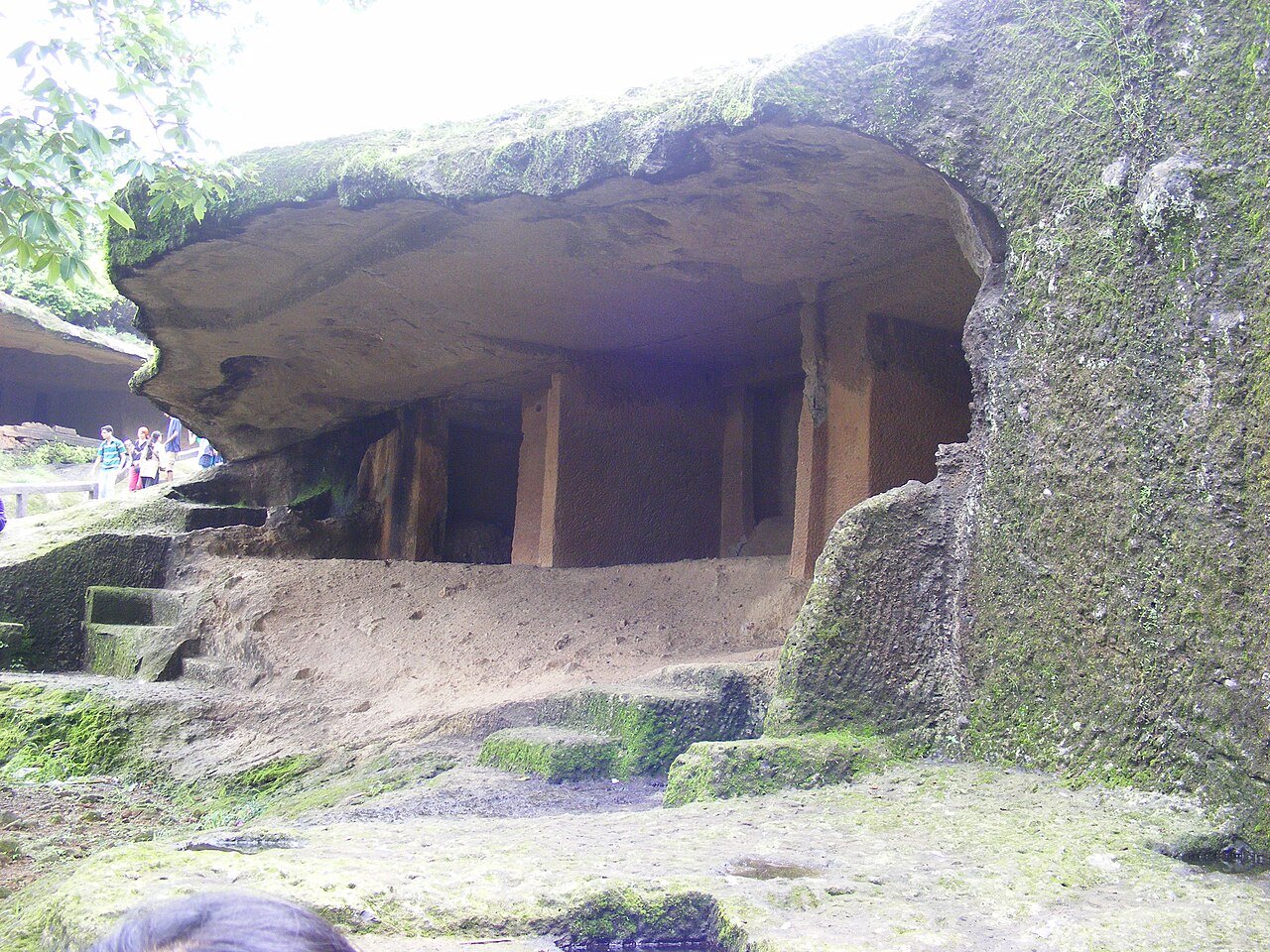
Morning — Kanheri Caves in the national park. Day 3 starts early and goes north to Sanjay Gandhi National Park, at Borivali East off the Western Express Highway, about 35 km from South Mumbai — allow 1.5 to 2 hours by road, or about an hour by fast local train to Borivali station. The park is open Tuesday to Sunday from about 7:30 am to 6:30 pm and is closed on Mondays; entry is roughly ₹85 for Indian adults, a rough estimate. About 6 km inside by park bus or car sit the Kanheri Caves: 109 Buddhist caves cut into a basalt hill between the 1st century BCE and the 10th century CE. The caves open at about 9 am and close around 5 pm, with a separate ticket of roughly ₹25 for Indian visitors. Arrive at the gate when it opens and allow three to four hours for the park and the caves together.
Afternoon — Bandra. Come back south to Bandra, the seaside suburb about 15 km north of Colaba and 20–30 minutes by local train from Churchgate. Start at Bandstand, the sea-facing promenade below the old fort walls, then walk Carter Road and the lanes behind it: street art, old bungalows and cafés side by side. It is the Mumbai the postcards skip: fishing villages, chapel lanes and a sea face locals claim for evening walks. If the tide is right, stop at Haji Ali Dargah — the white-domed shrine on an islet off Worli, reached by a causeway that floods at high tide.
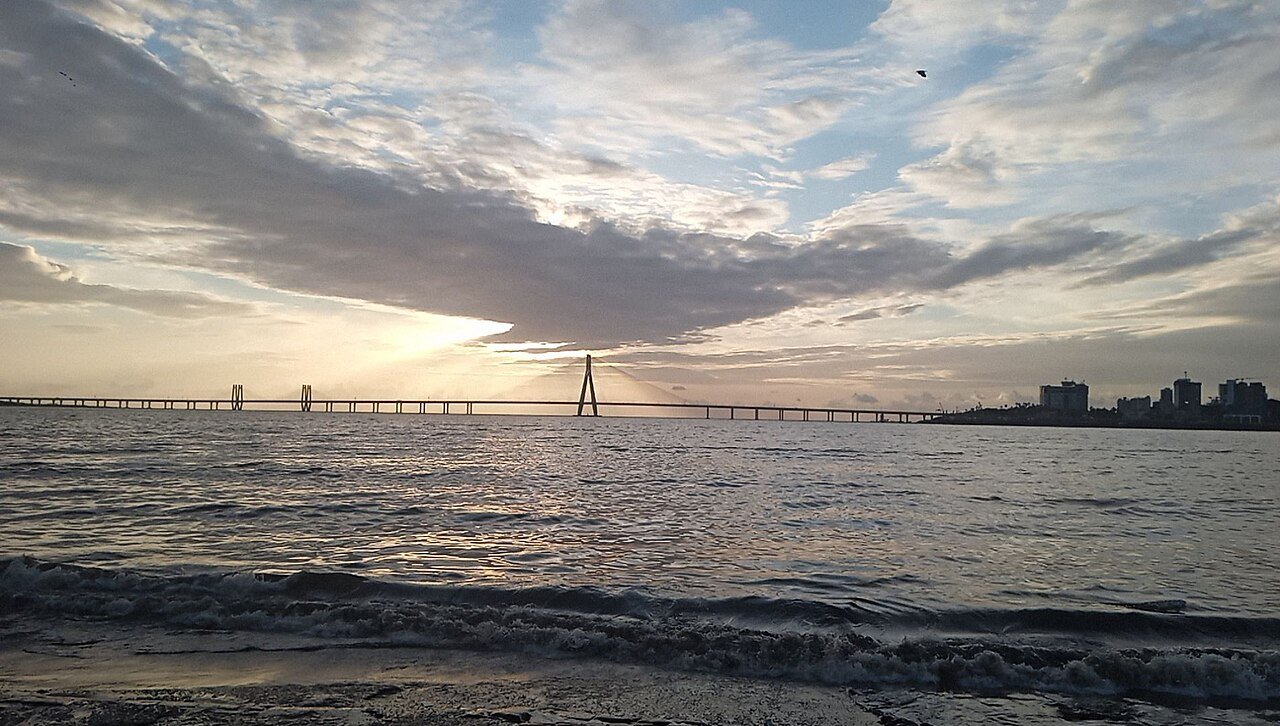
Evening — the Sea Link. End the trip by crossing the Bandra–Worli Sea Link, the 5.6 km cable-stayed bridge — officially the Rajiv Gandhi Sea Link — across Mahim Bay. The first four lanes opened on 30 June 2009 and all eight on 24 March 2010 — India’s first cable-stayed bridge built in the open sea. You cross it by cab, not on foot — there is no pedestrian access — and the ten-minute drive at dusk, with the towers lit and the skyline behind you, is the right final image of the city. If you still have energy, Juhu Beach is a short ride north of Bandra for sunset and chaat. Our best places to visit in Maharashtra guide picks up where this itinerary ends.
Where to Stay in Mumbai for 3 Days
Stay in two areas, not one, and let the itinerary choose. For Nights 1 and 2, stay around Colaba or Fort: Day 1 starts on foot, the Elephanta ferry leaves five minutes away, and Crawford Market is a short walk. For Night 3, move to Bandra West if you can: you wake up near Bandstand, the Sea Link is on your doorstep, and the evening in Bandra feels local rather than touristed. If you would rather not move, Colaba works for all three nights — Day 3 just starts with a longer train ride north. Stay near a station either way: Churchgate or CSMT in the south, Bandra or Khar Road in the west. No hotel names or prices here — rates swing by season, so check live prices for your dates.
What Does a 3-Day Mumbai Trip Cost?
All figures below are rough estimates, per person per day, excluding stay — confirm before booking, because fares and entry fees change.
| Style | Food & transport | Entries & extras | Daily total |
| Budget | Street food & local trains, about ₹500–800 | One paid sight a day, about ₹200–400 | About ₹1,000–2,000 |
| Comfortable | Cafés, cabs & trains, about ₹1,000–1,500 | Museum, ferry & park, about ₹500–1,000 | About ₹2,500–4,000 |
Stay is the big variable: it can cost less than a day’s food or more than the whole trip, depending on season and area.
What Is the Best Time to Visit Mumbai?
November to February, when the air is dry, the skies are clear and the heat drops enough to walk all day — the season this itinerary is written for. March to May is hot and humid; spend afternoons in the museum or an Irani café. June to September is the monsoon: heavy rain floods streets, disrupts trains and can suspend the Elephanta ferry for days — do not build a three-day plan around a ferry in those months. In September, check the Ganesh Chaturthi dates — see our Ganesh Chaturthi in Mumbai guide. For the wider state, see our Maharashtra guide.
Getting Around Mumbai
Let the trains do the long hauls. The Western Line runs Churchgate to Bandra in about 20–30 minutes and on to Borivali in about an hour, with short fares from around ₹10–20 — a rough estimate. Check live timetables on the m-Indicator app, and avoid the morning and evening peaks. Inside South Mumbai, walk: the Gateway, the museum, Kala Ghoda and CSMT sit within about 3 km of each other. For the rest, take the black-and-yellow kaali-peeli taxis or an app cab; auto-rickshaws are banned in the island city, roughly south of Bandra and Sion, so do not wait for one in Colaba. Budget time honestly: 15 km can take an hour in traffic, which is why each day stays in one part of the city.
Watch & Feel the Place
Videos are by their respective creators.
Mumbai in 3 Days FAQs
How many days are enough for Mumbai?
Three days is enough for a first trip: South Mumbai on Day 1, Elephanta and the bazaars on Day 2, the national park and Bandra on Day 3. Maharashtra Tourism lists 3–5 days as the city’s ideal duration; four or five days adds day trips.
Is 3 days enough for Mumbai?
Yes — three days covers the Gateway of India, Elephanta Caves, Marine Drive, the museums, the markets and Bandra at a comfortable pace, with time for street food every evening. Dharavi, a Bollywood studio tour and the far suburbs each need their own day — save them for a return trip.
Is 2 days enough for Mumbai?
Two days works for the highlights if you stay focused: Day 1 in South Mumbai (Gateway, museum, Marine Drive) and Day 2 on the Elephanta ferry plus the bazaars. You will skip the national park and Bandra; the third day is when Mumbai starts to feel like a place rather than a checklist.
What is the best time to visit Mumbai?
November to February is the best time: dry, relatively cool and clear-skied, with the Elephanta ferry running normally. March to May is hot and humid; June to September is the monsoon, when heavy rain can flood streets, disrupt trains and suspend the ferry.
How do I reach Mumbai?
Fly into Chhatrapati Shivaji Maharaj International Airport, which connects Mumbai to the world, or arrive by train at CSMT, Mumbai Central or Lokmanya Tilak Terminus. From the airport, use the prepaid taxi booth or an app cab, and allow at least an hour in traffic.
Three days, one cardboard king, one island of caves, one national park inside the city and one bridge across the bay: Mumbai rewards the traveller who walks it neighbourhood by neighbourhood. Start at the Gateway at dawn, end on the Sea Link at dusk, and let the sea set the pace in between. Next, turn three days into five with our best weekend trips from Mumbai guide — Alibaug’s beaches, Lonavala’s hills and Matheran’s toy train are all a morning away.
Plan your Mumbai trip
Gateway of India at dawn, Elephanta by the first ferry, Marine Drive at sunset and the Sea Link at dusk — three days covers Mumbai’s best, and November to February is the season to do it.
Mumbai travel guide →