
Offbeat Place · Northeast India
Zuluk: The Zigzag Village on the Silk Route

By Beauty of Bharat — India travel guide, every place, every flavour.
Guides covering all 36 States and UTs, researched from official sources and checked at publish time. Corrections welcome — see About Beauty of Bharat.
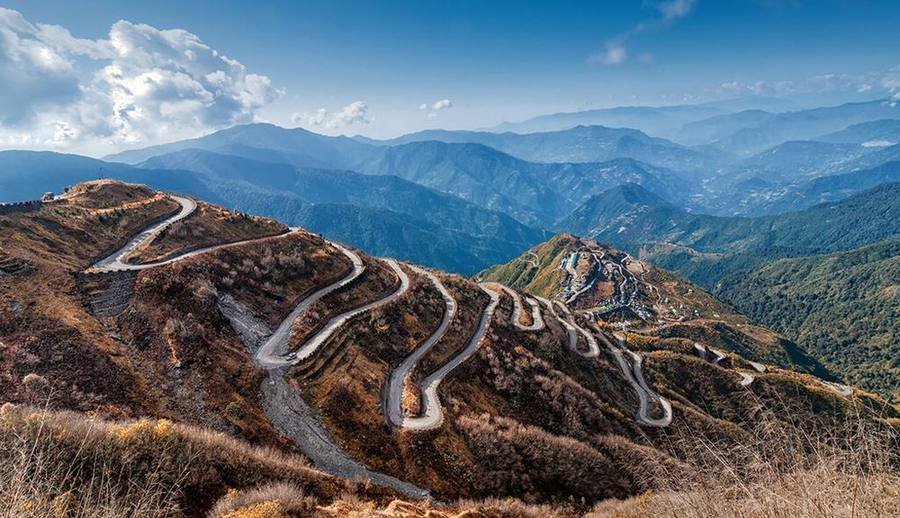
Zuluk is a small, high village in East Sikkim, strung along the old Silk Route that once carried traders between the Himalayan kingdoms and the plains. The village itself is modest — a cluster of homes, a temple and homestays above steep, forested slopes — but its setting is dramatic. The road that climbs from Zuluk in tight zigzags, best seen from the Thambi viewpoint above, has become one of the most photographed mountain roads in India.
Zuluk stays offbeat because the Silk Route circuit demands permits, mountain driving and tolerance for altitude and weather; most Sikkim visitors stick to Gangtok and the north. Those who come get a wilder Himalaya: cloud pouring over ridges, rhododendron and pine forest, tiny settlements serving hot tea, and mornings when the switchbacks float above a sea of mist. It is best taken slowly as part of the full Silk Route journey, treating Zuluk as a night halt in high, quiet country rather than a quick photo stop. Travellers should build slack into the plan: weather closes in fast at this height, roads pause for mist and army movement alike, and the village rewards those who treat delays as part of the route rather than failures of it, every single time.
Zuluk at a Glance
| State | Sikkim |
| Region | Northeast India |
| Known for | A high mountain village in East Sikkim known for winding mountain roads and Silk Route landscapes: famous… |
| Gateway | Bagdogra airport & New Jalpaiguri railway station |
| Best time to visit | March to May and October to November offer Zuluk its clearest mountain weather and best road conditions on… |
| Time needed | one night on the Silk Route circuit |
| State capital | Gangtok |
| More offbeat in Sikkim | 3 more places in this guide |
Why Zuluk Stays Off the Beaten Path
A high mountain village in East Sikkim known for winding mountain roads and Silk Route landscapes: famous zigzag switchbacks climbing above it, prayer-flagged ridges, and a route once used by traders crossing between Sikkim, Tibet and the plains. Zuluk has stayed off the standard circuit because it sits a little beyond the usual route through Sikkim — close enough to reach in a day, far enough to keep its quiet.
Presented honestly as lesser-known, never as an “undiscovered secret”: Zuluk is known and loved locally, and facilities are plainer than in Gangtok. Go for the place itself — the slower mornings, the unhurried conversations, the sense of Sikkim without a crowd in front of it — and it will not disappoint.
Things to Do in Zuluk
The highlights below are the reasons to make the detour. None of them need a packed schedule — Zuluk rewards travellers who pick two or three and linger over them.
See the zigzags from Thambi View Point
Climb above Zuluk to the viewpoint where the road's famous switchbacks unfold below, with Kanchenjunga on the horizon in clear weather.
Drive the old Silk Route onwards
Continue the historic route past high lakes and memorials towards Kupup and the Nathang Valley, tracing a genuine Himalayan trade corridor.
Stay in a village homestay
Sleep in a family homestay, eating hot Sikkimese home food and hearing how Silk Route tourism changed this remote village's life.
Walk to the village temple and lanes
Spend a quiet hour in Zuluk itself — its small temple, prayer flags and terraced plots — away from the viewpoint crowds.
Watch sunrise over the switchbacks
Rise early for the valley's finest light, when mist fills the folds below and the zigzag road catches the first sun.
Best Time to Visit Zuluk
March to May and October to November offer Zuluk its clearest mountain weather and best road conditions on the Silk Route. Rhododendrons colour spring slopes. Winter brings snow and closures on higher stretches, and the monsoon clouds out views and risks landslides.
Across Sikkim the wider season runs like this: March–May and October–November are widely used for clear mountain views; high-altitude routes are seasonal. Time Zuluk inside that window and you get the place at its best — and, this being the offbeat list, usually without the peak-season pressure of the headline stops.
How to Reach Zuluk
Zuluk is reached by mountain road from Gangtok, Sikkim's capital, as part of an organised Silk Route circuit in a hired vehicle. The gateways are Bagdogra airport and New Jalpaiguri railway station in West Bengal. Silk Route permits are arranged in advance through operators.
Treat Gangtok and the gateway above as your logistics base: stock up there, confirm local transport onward, and keep a buffer in the plan — remoter corners reward travellers who are not racing the clock.
Zuluk — Transport at a Glance
| Nearest airport | Bagdogra Airport (IXB) is the gateway |
| Nearest railway station | New Jalpaiguri (NJP) railway station in West Bengal is the railhead |
| By road | By mountain road from Gangtok as part of an organised Silk Route circuit in a hired vehicle; Silk Route permits are arranged in advance through operators |
| Getting around | The zig-zag loops are driven and stopped at; the village and viewpoints are short walks from the homestays |
More Offbeat Places in Sikkim
Zuluk is one of 4 offbeat corners in the Sikkim state guide — pair it with a sibling below for a slower, deeper trip.
Ravangla

Known for: mountain and monastery setting. It helps that Ravangla asks a little more of the traveller — a slower road, a plainer stay, a plan made around seasons rather than weekends — and repays the effort with room to breathe.
Dzongu
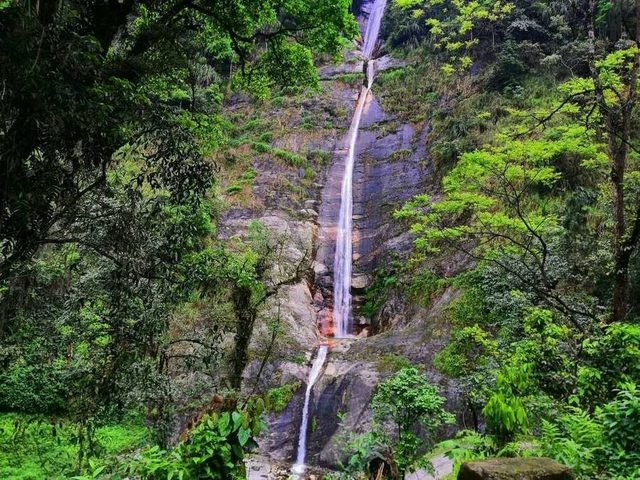
Known for: Lepcha cultural region. It helps that Dzongu asks a little more of the traveller — a slower road, a plainer stay, a plan made around seasons rather than weekends — and repays the effort with room to breathe.
Lachen
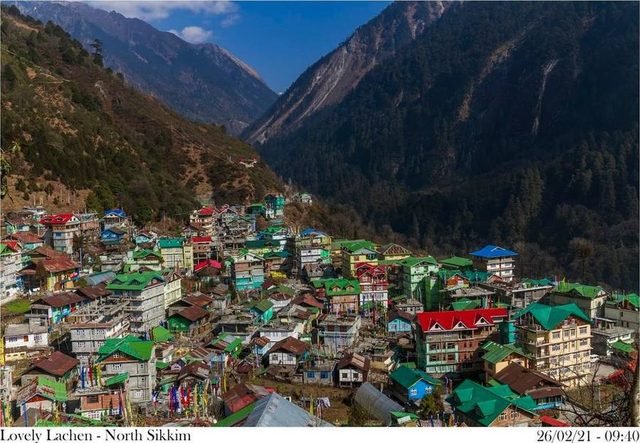
Known for: gateway to high-altitude lakes. The headline sights of Sikkim draw the crowds for good reason, but Lachen moves at a different pace: fewer signboards, fewer queues, and more of the state as its own people know it.
While You Are in Sikkim
Start from the full Sikkim travel guide for the complete picture. Headline destinations to pair with this trip: Gangtok · Pelling · Lachung. And eat the state properly while you are there — Momos · Thukpa lead the table in the Food Atlas.
Frequently Asked Questions
What is Zuluk known for?
A high mountain village in East Sikkim known for winding mountain roads and Silk Route landscapes: famous zigzag switchbacks climbing above it, prayer-flagged ridges, and a route once used by traders crossing between Sikkim, Tibet and the plains. It sits in this atlas on Sikkim's offbeat list — the state's quieter, lesser-visited side.
What is the best time to visit Zuluk?
March to May and October to November offer Zuluk its clearest mountain weather and best road conditions on the Silk Route. Rhododendrons colour spring slopes. Winter brings snow and closures on higher stretches, and the monsoon clouds out views and risks landslides. For Sikkim as a whole, March–May and October–November are widely used for clear mountain views; high-altitude routes are seasonal.
How do I reach Zuluk?
Zuluk is reached by mountain road from Gangtok, Sikkim's capital, as part of an organised Silk Route circuit in a hired vehicle. The gateways are Bagdogra airport and New Jalpaiguri railway station in West Bengal. Silk Route permits are arranged in advance through operators. The usual gateway is Bagdogra airport & New Jalpaiguri railway station.
How many days do I need for Zuluk?
Plan on one night on the Silk Route circuit. Most travellers pair Zuluk with Ravangla and Dzongu or the headline stops in the Sikkim state guide rather than rushing it as a whistle-stop.
Do I need a permit for Zuluk and the Silk Route?
Yes, this protected border region requires permits, which are routinely arranged in advance through tour operators or your Gangtok agent along with the vehicle. Carry identification and photographs, and let the operator handle the paperwork before you travel.
Every Place. Every Flavour.
Zuluk is one of 154 offbeat places in this atlas — alongside 36 states and union territories, 188 destinations and 213 regional dishes, each with its own full guide page.
Explore all 36 states Read the blog