
Offbeat Place · Northeast India
Lachen: The High Village Before Gurudongmar

By Beauty of Bharat — India travel guide, every place, every flavour.
Guides covering all 36 States and UTs, researched from official sources and checked at publish time. Corrections welcome — see About Beauty of Bharat.

Lachen is a small village high in North Sikkim, set where pine and rhododendron forest gives way to the cold, open country of the Tibetan plateau's edge. Its wooden and concrete houses cluster around a monastery, prayer flags snap in thin air, and the village serves the herders, soldiers and travellers who pass through one of India's highest inhabited valleys. For most visitors, Lachen is the night halt before the pre-dawn drive to a legendary lake.
Lachen stays offbeat because reaching it is an expedition: permits, a long mountain drive from Gangtok, and altitude that demands respect. The reward is a Himalaya of a different order — the sunrise road climbing through Thangu and Chopta valleys to Gurudongmar Lake, its intensely blue water ringed by prayer flags and snow peaks, and evenings back in the village eating hot thukpa as cold descends. Travel here is weather-ruled and humbling, and that is precisely its power. Evenings in the village have their own ceremony: woodsmoke rising, prayer flags fading into dusk, early dinners and earlier alarms, because the lake road waits for no one. Sleep comes easily at this altitude, and so does humility before mountains of this scale.
Lachen at a Glance
| State | Sikkim |
| Region | Northeast India |
| Known for | A high-altitude village in North Sikkim known as the gateway to high-altitude lakes — above all Gurudongmar… |
| Gateway | Bagdogra airport & New Jalpaiguri railway station |
| Best time to visit | March to May and October to November are Lachen's reliable windows, with clearer skies for Gurudongmar and… |
| Time needed | one night, with the lake at dawn |
| State capital | Gangtok |
| More offbeat in Sikkim | 3 more places in this guide |
Why Lachen Stays Off the Beaten Path
A high-altitude village in North Sikkim known as the gateway to high-altitude lakes — above all Gurudongmar, one of India's most revered alpine lakes — with its own monastery, yak pastures and the stark valleys of Thangu and Chopta beyond. Lachen has stayed off the standard circuit because it sits a little beyond the usual route through Sikkim — close enough to reach in a day, far enough to keep its quiet.
Presented honestly as lesser-known, never as an “undiscovered secret”: Lachen is known and loved locally, and facilities are plainer than in Gangtok. Go for the place itself — the slower mornings, the unhurried conversations, the sense of Sikkim without a crowd in front of it — and it will not disappoint.
Things to Do in Lachen
The highlights below are the reasons to make the detour. None of them need a packed schedule — Lachen rewards travellers who pick two or three and linger over them.
Make the dawn trip to Gurudongmar Lake
Leave before sunrise for Lachen's great pilgrimage: a sacred, intensely blue alpine lake ringed by prayer flags beneath towering snow peaks.
Drive the Thangu and Chopta valleys
Pause in the high valleys on the Gurudongmar road, where yak herders' settlements and alpine meadows open under immense skies.
Visit Lachen Monastery
Spend quiet time at the village monastery, soaking in the prayer wheels, murals and mountain stillness at the heart of Lachen's community.
Walk the village and meet its people
Stroll Lachen's lanes between wooden houses and hotels, talking with hosts about life at altitude through the long, snowbound winters.
Eat hot mountain food
Warm up on thukpa, momos and ginger tea in family kitchens — simple food that tastes extraordinary after high-altitude mornings.
Best Time to Visit Lachen
March to May and October to November are Lachen's reliable windows, with clearer skies for Gurudongmar and passable roads. Rhododendrons bloom in spring valleys. Deep winter can close the lake road with snow, and the monsoon brings landslides to the North Sikkim route.
Across Sikkim the wider season runs like this: March–May and October–November are widely used for clear mountain views; high-altitude routes are seasonal. Time Lachen inside that window and you get the place at its best — and, this being the offbeat list, usually without the peak-season pressure of the headline stops.
How to Reach Lachen
Lachen is reached by a long mountain drive from Gangtok, Sikkim's capital, in hired vehicles on organised North Sikkim tours; protected-area permits are arranged in advance by operators. The journey's gateways are Bagdogra airport and New Jalpaiguri railway station in West Bengal.
Treat Gangtok and the gateway above as your logistics base: stock up there, confirm local transport onward, and keep a buffer in the plan — remoter corners reward travellers who are not racing the clock.
Lachen — Transport at a Glance
| Nearest airport | Bagdogra Airport (IXB) is the gateway |
| Nearest railway station | New Jalpaiguri (NJP) railway station in West Bengal is the railhead |
| By road | A long mountain drive from Gangtok in hired vehicles on organised North Sikkim tours; protected-area permits are arranged in advance by operators |
| Getting around | The village is walked; Gurudongmar and the Thangu side are full-day vehicle excursions starting before dawn |
More Offbeat Places in Sikkim
Lachen is one of 4 offbeat corners in the Sikkim state guide — pair it with a sibling below for a slower, deeper trip.
Zuluk
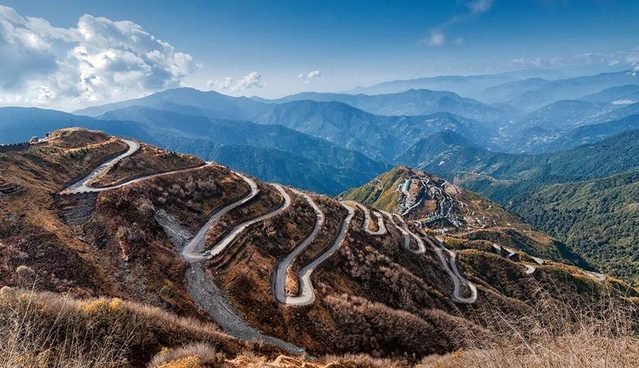
Known for: winding mountain roads and Silk Route landscapes. Zuluk has stayed off the standard circuit because it sits a little beyond the usual route through Sikkim — close enough to reach in a day, far enough to keep its quiet.
Ravangla

Known for: mountain and monastery setting. The headline sights of Sikkim draw the crowds for good reason, but Ravangla moves at a different pace: fewer signboards, fewer queues, and more of the state as its own people know it.
Dzongu
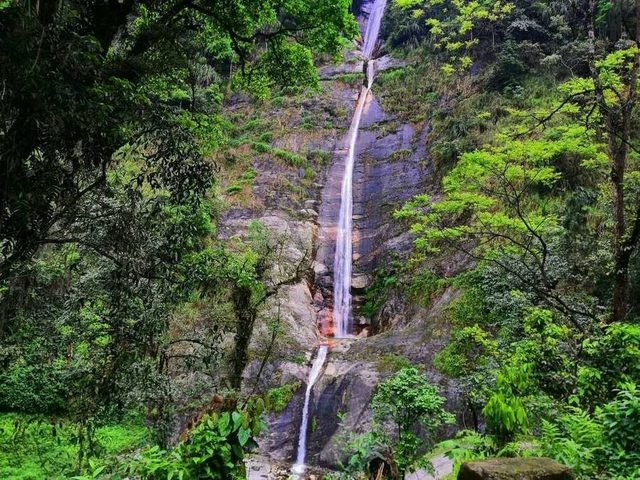
Known for: Lepcha cultural region. The headline sights of Sikkim draw the crowds for good reason, but Dzongu moves at a different pace: fewer signboards, fewer queues, and more of the state as its own people know it.
While You Are in Sikkim
Start from the full Sikkim travel guide for the complete picture. Headline destinations to pair with this trip: Gangtok · Pelling · Lachung. And eat the state properly while you are there — Momos · Thukpa lead the table in the Food Atlas.
Frequently Asked Questions
What is Lachen known for?
A high-altitude village in North Sikkim known as the gateway to high-altitude lakes — above all Gurudongmar, one of India's most revered alpine lakes — with its own monastery, yak pastures and the stark valleys of Thangu and Chopta beyond. It sits in this atlas on Sikkim's offbeat list — the state's quieter, lesser-visited side.
What is the best time to visit Lachen?
March to May and October to November are Lachen's reliable windows, with clearer skies for Gurudongmar and passable roads. Rhododendrons bloom in spring valleys. Deep winter can close the lake road with snow, and the monsoon brings landslides to the North Sikkim route. For Sikkim as a whole, March–May and October–November are widely used for clear mountain views; high-altitude routes are seasonal.
How do I reach Lachen?
Lachen is reached by a long mountain drive from Gangtok, Sikkim's capital, in hired vehicles on organised North Sikkim tours; protected-area permits are arranged in advance by operators. The journey's gateways are Bagdogra airport and New Jalpaiguri railway station in West Bengal. The usual gateway is Bagdogra airport & New Jalpaiguri railway station.
How many days do I need for Lachen?
Plan on one night, with the lake at dawn. Most travellers pair Lachen with Zuluk and Ravangla or the headline stops in the Sikkim state guide rather than rushing it as a whistle-stop.
How should I handle the altitude at Lachen and Gurudongmar?
Take it seriously: ascend gradually with the Gangtok night first, stay hydrated, avoid alcohol, walk slowly and tell your driver immediately about headaches or breathlessness. The lake visit is kept short for good reason, and descending to Lachen usually relieves symptoms.
Every Place. Every Flavour.
Lachen is one of 154 offbeat places in this atlas — alongside 36 states and union territories, 188 destinations and 213 regional dishes, each with its own full guide page.
Explore all 36 states Read the blog