
Offbeat Place · Northeast India
Ravangla: Buddha Beneath the Great Peaks

By Beauty of Bharat — India travel guide, every place, every flavour.
Guides covering all 36 States and UTs, researched from official sources and checked at publish time. Corrections welcome — see About Beauty of Bharat.

Ravangla sits on a forested ridge in South Sikkim, between the better-known towns of Gangtok and Pelling. It is a small market town turned gentle resort, spread along slopes that face some of the finest Himalayan panoramas in the state. Its landmark is the Buddha Park, where a great statue of the Buddha stands in landscaped grounds below the peaks, and nearby Ralang Monastery anchors the area's deep Buddhist life.
Ravangla's offbeat quality is calm. Sikkim's crowds move between Gangtok's malls and Pelling's viewpoints, while Ravangla keeps a slower, local rhythm — schoolchildren, monastery drums, tea pickers on the slopes of the Temi gardens not far away. Travellers who stop find room to breathe: unhurried mornings hoping the clouds lift on Kanchenjunga, prayer-flag walks, monastery visits without queues, and evenings in small cafes. It works beautifully as a base or a pause, the Sikkim hill town that still feels like one. It is also a place that teaches Sikkim's central lesson: the mountains appear when they choose, not when itineraries demand, and a traveller who builds in spare mornings here is usually rewarded with the one clear dawn that makes the entire journey unforgettable afterwards.
Ravangla at a Glance
| State | Sikkim |
| Region | Northeast India |
| Known for | A hill town in South Sikkim known for its mountain and monastery setting: a Buddha Park with a towering… |
| Gateway | Bagdogra airport & New Jalpaiguri railway station |
| Best time to visit | March to May and October to November give Ravangla its best chances of clear Kanchenjunga views, mild weather… |
| Time needed | two unhurried days |
| State capital | Gangtok |
| More offbeat in Sikkim | 3 more places in this guide |
Why Ravangla Stays Off the Beaten Path
A hill town in South Sikkim known for its mountain and monastery setting: a Buddha Park with a towering Buddha statue, the monastery at Ralang nearby, tea gardens on the slopes and grandstand views of Kanchenjunga and its peaks. It helps that Ravangla asks a little more of the traveller — a slower road, a plainer stay, a plan made around seasons rather than weekends — and repays the effort with room to breathe.
Presented honestly as lesser-known, never as an “undiscovered secret”: Ravangla is known and loved locally, and facilities are plainer than in Gangtok. Go for the place itself — the slower mornings, the unhurried conversations, the sense of Sikkim without a crowd in front of it — and it will not disappoint.
Things to Do in Ravangla
The highlights below are the reasons to make the detour. None of them need a packed schedule — Ravangla rewards travellers who pick two or three and linger over them.
Spend time at Buddha Park
Walk the landscaped grounds around Ravangla's great Buddha statue, where prayer wheels, gardens and peak views create Sikkim's most serene modern sacred space.
Visit Ralang Monastery
Explore the monastery near Ravangla, an important centre of Tibetan Buddhist practice, with vivid murals, masked-dance traditions and monks going about daily rituals.
Chase the Kanchenjunga view
On clear mornings, take in the panorama of Kanchenjunga and its sister peaks from Ravangla's ridge viewpoints — among the finest in South Sikkim.
Walk the tea slopes at Temi
Visit the Temi tea garden country nearby, Sikkim's celebrated tea estate landscape, for green slopes, factory aromas and mountain backdrops.
Birdwatch the forest trails
Follow quiet paths around town where Sikkim's rich birdlife — laughingthrushes, sunbirds and barbets — fills the oak and rhododendron forest.
Best Time to Visit Ravangla
March to May and October to November give Ravangla its best chances of clear Kanchenjunga views, mild weather and flowering hillsides. Post-monsoon autumn skies are often the sharpest. Winter is cold but can be crystal clear; the monsoon wraps the ridge in cloud and leeches.
Across Sikkim the wider season runs like this: March–May and October–November are widely used for clear mountain views; high-altitude routes are seasonal. Time Ravangla inside that window and you get the place at its best — and, this being the offbeat list, usually without the peak-season pressure of the headline stops.
How to Reach Ravangla
Ravangla is reached by mountain road from Gangtok, Sikkim's capital, or from Siliguri via the Teesta valley. The main gateways are Bagdogra airport and New Jalpaiguri railway station in West Bengal, with shared and hired vehicles climbing into South Sikkim from there.
Treat Gangtok and the gateway above as your logistics base: stock up there, confirm local transport onward, and keep a buffer in the plan — remoter corners reward travellers who are not racing the clock.
Ravangla — Transport at a Glance
| Nearest airport | Bagdogra Airport (IXB) is the main gateway |
| Nearest railway station | New Jalpaiguri (NJP) railway station in West Bengal is the railhead |
| By road | By mountain road from Gangtok, or from Siliguri via the Teesta valley; shared and hired vehicles climb into South Sikkim from the gateways |
| Getting around | The Buddha Park and monastery are walked; taxis for the Ralang and Temi tea garden side trips |
More Offbeat Places in Sikkim
Ravangla is one of 4 offbeat corners in the Sikkim state guide — pair it with a sibling below for a slower, deeper trip.
Zuluk
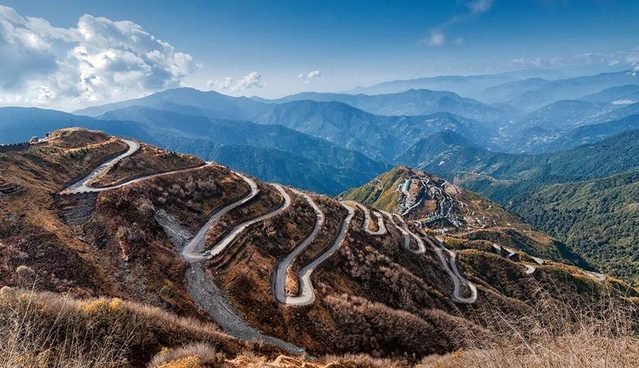
Known for: winding mountain roads and Silk Route landscapes. Zuluk has stayed off the standard circuit because it sits a little beyond the usual route through Sikkim — close enough to reach in a day, far enough to keep its quiet.
Dzongu
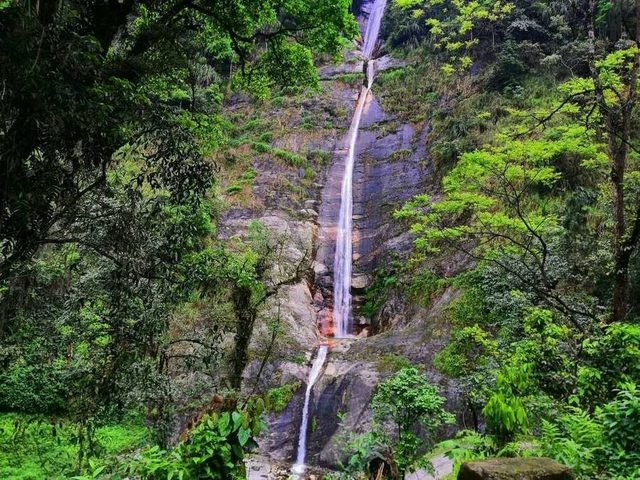
Known for: Lepcha cultural region. It helps that Dzongu asks a little more of the traveller — a slower road, a plainer stay, a plan made around seasons rather than weekends — and repays the effort with room to breathe.
Lachen
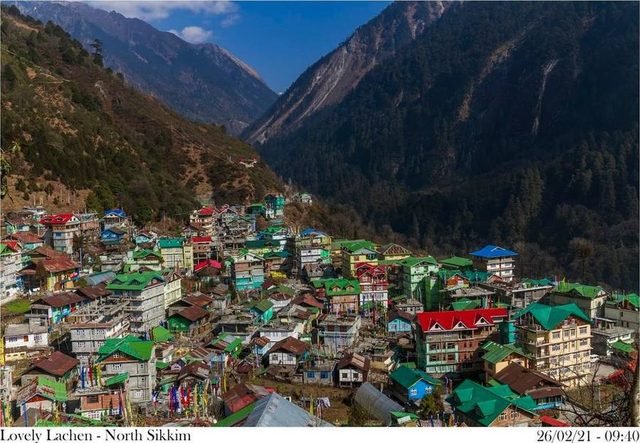
Known for: gateway to high-altitude lakes. The headline sights of Sikkim draw the crowds for good reason, but Lachen moves at a different pace: fewer signboards, fewer queues, and more of the state as its own people know it.
While You Are in Sikkim
Start from the full Sikkim travel guide for the complete picture. Headline destinations to pair with this trip: Gangtok · Pelling · Lachung. And eat the state properly while you are there — Momos · Thukpa lead the table in the Food Atlas.
Frequently Asked Questions
What is Ravangla known for?
A hill town in South Sikkim known for its mountain and monastery setting: a Buddha Park with a towering Buddha statue, the monastery at Ralang nearby, tea gardens on the slopes and grandstand views of Kanchenjunga and its peaks. It sits in this atlas on Sikkim's offbeat list — the state's quieter, lesser-visited side.
What is the best time to visit Ravangla?
March to May and October to November give Ravangla its best chances of clear Kanchenjunga views, mild weather and flowering hillsides. Post-monsoon autumn skies are often the sharpest. Winter is cold but can be crystal clear; the monsoon wraps the ridge in cloud and leeches. For Sikkim as a whole, March–May and October–November are widely used for clear mountain views; high-altitude routes are seasonal.
How do I reach Ravangla?
Ravangla is reached by mountain road from Gangtok, Sikkim's capital, or from Siliguri via the Teesta valley. The main gateways are Bagdogra airport and New Jalpaiguri railway station in West Bengal, with shared and hired vehicles climbing into South Sikkim from there. The usual gateway is Bagdogra airport & New Jalpaiguri railway station.
How many days do I need for Ravangla?
Plan on two unhurried days. Most travellers pair Ravangla with Zuluk and Dzongu or the headline stops in the Sikkim state guide rather than rushing it as a whistle-stop.
What is Ravangla best used for in a Sikkim trip?
A calm base and breather between Gangtok and Pelling. It offers the Buddha Park, Ralang Monastery, tea-garden country and fine peak views without big-town bustle, so travellers use it to slow down while still sitting amid classic Sikkim scenery.
Every Place. Every Flavour.
Ravangla is one of 154 offbeat places in this atlas — alongside 36 states and union territories, 188 destinations and 213 regional dishes, each with its own full guide page.
Explore all 36 states Read the blog