
Banaras Biennale · Varanasi · News Corner
The Day After Dev Deepawali, Varanasi Lights Up Again: the First Banaras Biennale Opens Tomorrow

By Beauty of Bharat — India travel guide, every place, every flavour.
Guides covering all 36 States and UTs, researched from official sources and checked at publish time. Corrections welcome — see About Beauty of Bharat.
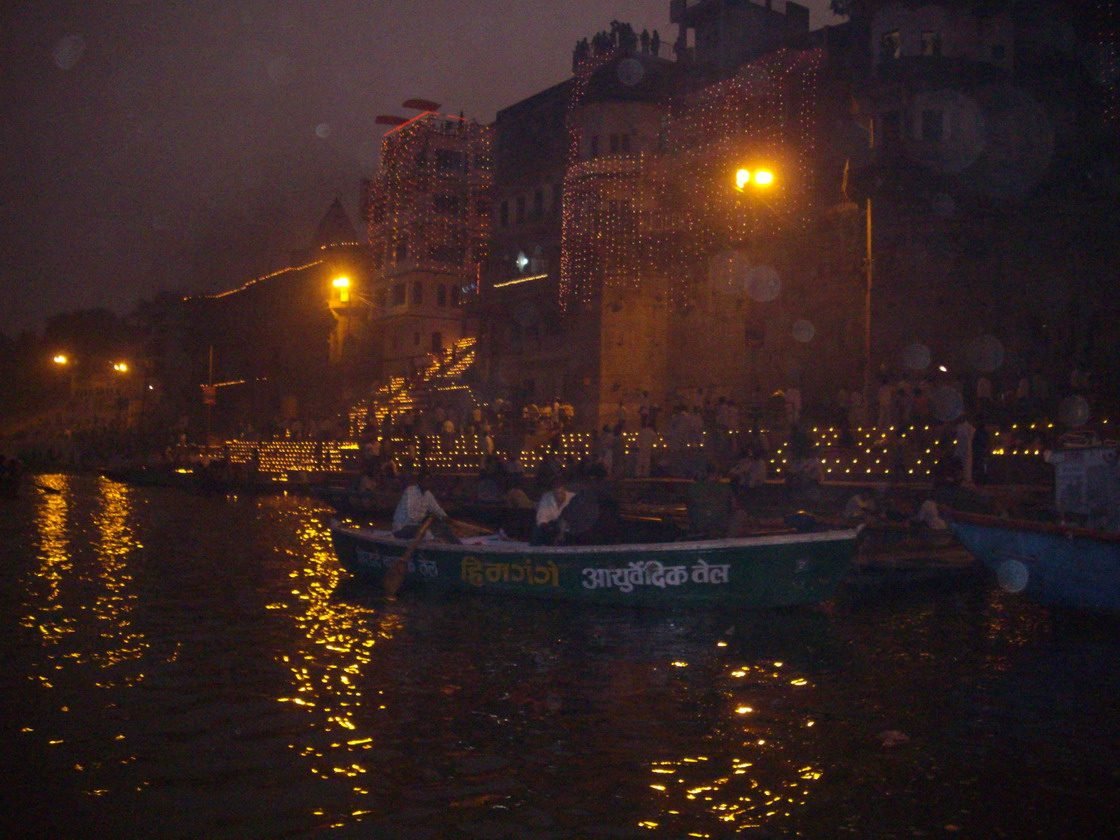
Tomorrow morning, before dawn, guests will walk into the Kashi Vishwanath temple as the first act of something Varanasi has never had before. By the time the sun is up over the Ganga, the first Banaras Biennale will be open — a 35-day festival of art, textiles, photography, music and food spread across the ghats, museums, universities and streets of the city, running until 31 December. It opens on Friday 27 November, by invitation on its first day and open to everyone from Saturday 28 November.
The lamps of Dev Deepawali went out on Tuesday night. On Friday morning, Varanasi lights up again — this time with art. The Biennale is not Dev Deepawali with a different name: it is a separate, debut event, the first time Varanasi has hosted a biennale of its own, and it arrives in a week when the city is already full of visitors who came for the lamps. Everything below comes from reporting published on 25 November, led by Business Standard and corroborated by The Times of India and the HelloBanaras week guide.
What opens tomorrow — and what it is
A biennale is a large art exhibition held every two years, and the Banaras Biennale is Varanasi’s first. Its debut edition runs for 35 days, from Friday 27 November to 31 December 2026, and its theme is “Kashi/light: The City as a Sensorium” — the city itself, taken in through the senses. Instead of hanging everything in one hall, the Biennale spreads its exhibitions across the ghats, the museums, the universities and the streets, so walking the city is part of seeing the show.
Friday 27 November is the opening day, and it is by invitation. From Saturday 28 November the Biennale is open to the general public, and it stays open through December, closing on the last day of the year. So check the day before you turn up tomorrow: Friday is the opening ceremony, Saturday is the first day for everyone.
The first morning: temple, then the river in lines
Opening day begins before dawn with a visit to the Kashi Vishwanath temple — the first act of the Biennale, and a sign of how it is built: an art event that starts inside the city’s sacred life, not beside it. The temple visit is followed by a walkthrough titled “Paani Mein Lakeere” — lines in water — led by Gayatri Sinha, the Biennale’s lead visual art curator.
The programme opens out into the exhibitions that anchor the 35 days: a textile curation, “Ek Dhaga, Ek Duniya: Silk, Zari and the Light of Kashi” — one thread, one world — which treats the silk and zari weaving Varanasi is famous for as art, not just craft; and a photography walkthrough, “My River, My Witness”, looking at the Ganga through the photographers who have spent their lives watching it. Around those anchors sit live music on the ghats, textile factory tours, artisan workshops and culinary demonstrations.
Banaras Hindu University is part of the map too, hosting workshops, panels and exhibitions. This is not a single venue you tick off in an afternoon: the programme is spread across the city, with different things happening in different places on different days.
A whole city as the gallery
That is what makes the Biennale different from an exhibition you might see anywhere else. Most art festivals rent a hall; this one has taken the city. The ghats are the setting, the museums and universities are the rooms, and the streets are the corridors between them. You do not go to the Biennale — you walk through it.
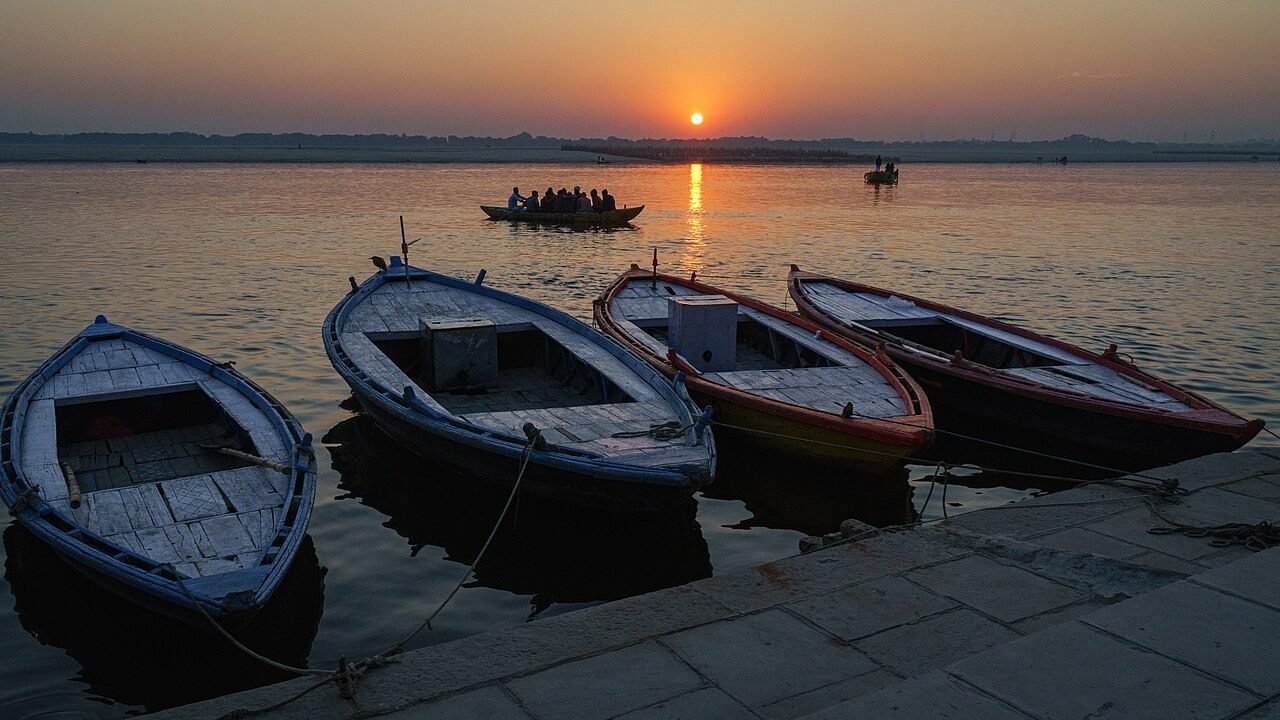
A weekend event can be a spectacle; a five-week event becomes part of the city’s season, running through December and the winter travel season, when Varanasi is at its most walkable. If you missed Dev Deepawali, you have not missed Varanasi’s big week — you have arrived at the start of a longer one.
Silk, zari and the light of Kashi
If one thread ties the Biennale to Varanasi itself, it is silk. The city’s Banarasi silk and zari brocade are among the most famous textiles in India, woven in workshops that have worked the same looms for generations. The textile curation “Ek Dhaga, Ek Duniya” puts that weaving at the centre of the show, and the programme opens the workshops up, with textile factory tours and artisan workshops where visitors can see the looms working.
That is the part of the Biennale that will matter most to anyone who comes to Varanasi to shop, as so many visitors do. Our guide to Varanasi’s best shopping markets covers where to buy silk in the city; during the Biennale, the story behind the silk — who weaves it, how the zari is made — is on show as well. The culinary demonstrations do the same for the city’s food. If you want the eating itself, start with our Uttar Pradesh food guide.
Who is behind it — and why that matters
The Biennale is backed by the Confederation of Indian Industry (CII), is industry-funded, and carries investment upwards of ₹20 crore. The steering committee is chaired by Madhav Singhania. That backing explains the scale — a 35-day, city-wide event built to last, not to flash past — and the ambition: the organisers’ stated aim is to make the Biennale a recurring institution in Varanasi, something the city hosts again and again.
It is worth being precise about what the Biennale is not. It is industry-backed, not government-organised, and it is a Varanasi event — not the separate India Biennale that begins in Delhi on 4 December. Keep the two apart when you plan: the Banaras Biennale opens in Varanasi on 27 November; the Delhi event is a separate date on a separate calendar.
The same week: Kabira and Kashi Tamil Sangamam
The Biennale does not have the week to itself. Kashi Tamil Sangamam 5.0 runs from 28 November to 12 December, bringing 1,400 delegates from Tamil Nadu to the city, with pre-events already under way at Assi Ghat. It celebrates the cultural ties between Kashi and Tamil Nadu, and its delegates will be in the city for the Biennale’s opening weekend.
The second is the Mahindra Kabira Festival, now in its 10th edition, running from 4 to 6 December with folk music, boat rides, a food trail and heritage walks. Kabira is the poet-saint of Varanasi, and the festival built around him is the city’s most musical weekend. It lands in the middle of the Biennale’s run, so a visitor in the first week of December can catch both.
Put together: Dev Deepawali on Tuesday 24 November; the Biennale opening on Friday 27 November, public from Saturday 28 November; Kashi Tamil Sangamam from 28 November to 12 December; the Kabira Festival from 4 to 6 December; and the Biennale running on until 31 December. That is five weeks of continuous cultural programming in one city — and why Varanasi is trending in India this week.
If you are going
The most important date is Saturday 28 November, the first day the Biennale is open to the general public; Friday 27 November is the opening day, by invitation. If you are travelling in for the opening weekend, aim for Saturday — the Sangamam delegates arrive the same weekend, and the city will still be full of Dev Deepawali visitors.
Come with a plan. Read our Dev Diwali recap for how Tuesday night unfolded, then build the trip around our Varanasi guide and 3-day Varanasi itinerary, with weekend trips from Varanasi if you are staying longer. The Dev Deepawali festival page and our Dev Deepawali 2026 guide cover the festival the Biennale follows, and our Uttar Pradesh guide covers the wider state if you are travelling on. For the bigger picture, start with our Uttar Pradesh guide.
Frequently asked questions
When does the Banaras Biennale open?
The debut Banaras Biennale opens on Friday 27 November 2026. The opening day is by invitation, and it opens to the general public from Saturday 28 November. It then runs for 35 days, until 31 December 2026.
Where is the Banaras Biennale held?
Across Varanasi — on the ghats, in museums and universities, and on the streets of the city. Banaras Hindu University hosts workshops, panels and exhibitions as part of the programme.
What is the theme of the Banaras Biennale, and what can visitors see?
The theme is “Kashi/light: The City as a Sensorium”. The programme includes the walkthrough “Paani Mein Lakeere” with lead visual art curator Gayatri Sinha, the textile curation “Ek Dhaga, Ek Duniya: Silk, Zari and the Light of Kashi” and the photography walkthrough “My River, My Witness”, plus live music on the ghats, textile factory tours, artisan workshops and culinary demonstrations.
Who is behind the Banaras Biennale?
It is backed by the Confederation of Indian Industry (CII), is industry-funded, and has investment upwards of ₹20 crore. The steering committee is chaired by Madhav Singhania, and the aim is to make the Biennale a recurring institution in Varanasi.
Is the Banaras Biennale part of Dev Deepawali?
No. Dev Deepawali was celebrated in Varanasi on Tuesday 24 November 2026, and we covered it in our Dev Diwali recap. The Biennale is a separate, first-ever event that follows it, opening on Friday 27 November.
What else is on in Varanasi the same week?
Kashi Tamil Sangamam 5.0 runs from 28 November to 12 December, with 1,400 delegates from Tamil Nadu and pre-events already under way at Assi Ghat. The 10th edition of the Mahindra Kabira Festival follows on 4–6 December, with folk music, boat rides, a food trail and heritage walks.
Planning a trip to Uttar Pradesh?
Start with our Varanasi guide and our Uttar Pradesh guide, plus our Dev Diwali recap and Dev Deepawali 2026 guide, and our 3-day Varanasi itinerary. More news is on the News Corner.