
Uttar Pradesh · Markets & Shopping
Best Shopping Markets in Varanasi: Where to Shop & What to Buy

By Beauty of Bharat — India travel guide, every place, every flavour.
Guides covering all 36 States and UTs, researched from official sources and checked at publish time. Corrections welcome — see About Beauty of Bharat.
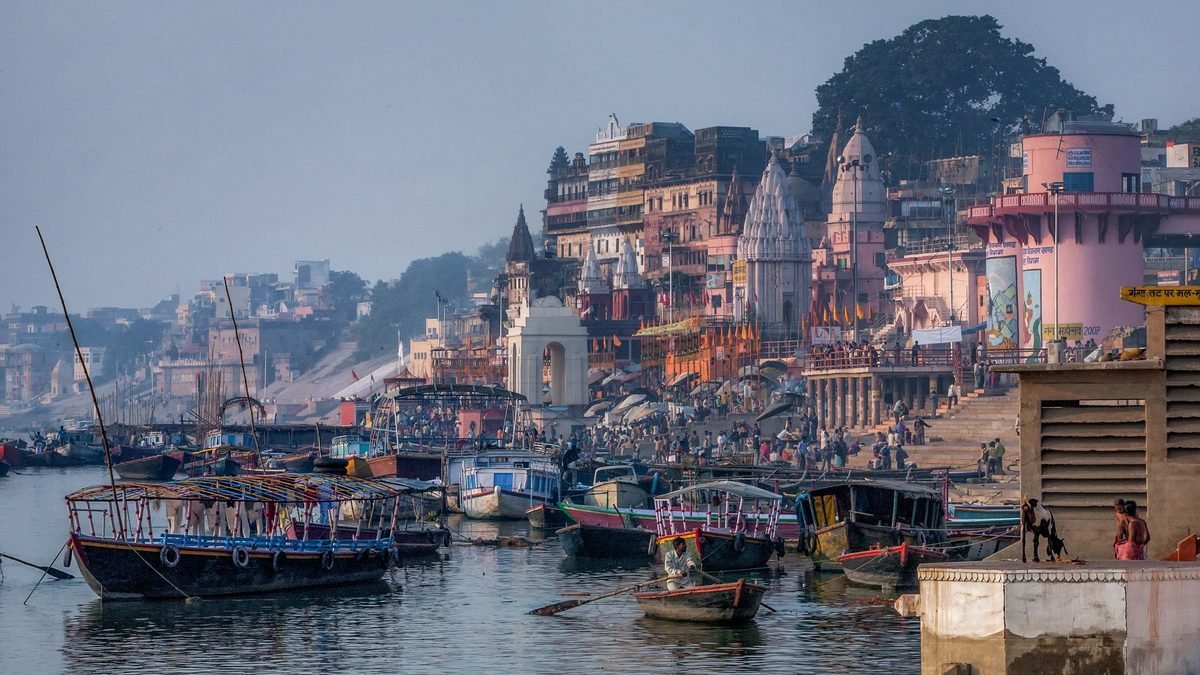
A saree sold as “Banarasi” in a Varanasi shop may not legally be Banarasi at all. The name is protected: “Banaras Brocades and Sarees” won a Geographical Indication tag in 2009, and only cloth woven in Varanasi and five neighbouring districts can lawfully carry it. That is the key to shopping here. This week is the best week of the year to test that: Dev Deepawali falls on Tuesday 24 November 2026, when more than 11 lakh diyas are planned across the ghats. Here are the nine markets that matter.
The 9 Best Shopping Markets in Varanasi at a Glance
| Market | Best for | Feel |
| Godowlia | Everything: sarees, sweets, souvenirs | Busiest crossroads |
| Vishwanath Gali | Rudraksha, brass idols, bangles | Temple lane |
| Thatheri Bazaar | Handmade brass & copper | Workshops at work |
| Chowk | Fabric by the metre, glass bangles | Wholesale heart |
| Lahurabir | Gifts, clothes, street food | Modern strip |
| Golghar | Spices, vegetables, street food | Daily local market |
| Kunj Gali & Madanpura | Banarasi silk, near the weavers | Weaver lanes |
| Assi Ghat stalls | Books, clothes, evening browsing | Relaxed ghats |
| Deendayal Hastkala Sankul | Fixed-price GI crafts | No bargaining |
Most shops run roughly 10 am to 9 pm — check before you go.
What to Buy in Varanasi
Start with the shortlist, then match each item to its market below. The Banarasi silk saree is the headline buy — Katan pure silk, Organza (Kora), Georgette, Tanchoi and Jangla weaves — and dupattas, stoles and brocade by the metre carry the same weave home lighter. Brass and copper come next: puja thalis, diyas, kalash and lotas, bells and small idols, hammered by hand in Thatheri Bazaar. Then the small things that travel well: rudraksha malas and puja items — chandan, sindoor, small Shivlings — from Vishwanath Gali. Two more GI-tagged crafts: lacquered wooden toys from Khojwan, and Gulabi Meenakari pink enamel from Gai Ghat. Edible souvenirs round it out: lal peda, pickles and papad, and a leaf of Banarasi paan to eat on the spot.

1. Godowlia Market — Start Here
Godowlia is the crossroads where the old city begins, a short walk from Dashashwamedh Ghat and the Kashi Vishwanath Temple, and where most shopping trips start. Cloth, sarees, souvenirs, sweets and eateries radiate from the crossing. Get your bearings here and buy the small things: rudraksha, sweets, a gamcha. The lanes off the crossing lead to Kachori Gali, for breakfast kachori and pickles to carry home.
2. Vishwanath Gali — The Temple Lane
The narrow lane from Dashashwamedh Ghat toward the Kashi Vishwanath Temple is Varanasi’s most concentrated retail corridor. Silk shops, religious offerings, brass idols, rudraksha beads and sandalwood items line both sides, packed tight, Shop here on the way to or from darshan: rudraksha malas and brass devotional pieces are its strengths. The trade-off is the markup — most vendors cater to pilgrims and tourists, so the opening price is a starting point and firm bargaining is expected. Visit between about 9 and 11 in the morning.
3. Thatheri Bazaar — Brass and Copper, Made in Front of You
Just off Chowk, Thatheri Bazaar is a different kind of market: instead of shop fronts stacked with finished sarees, you find brass and copper artisans working right there, and you can hear the tapping of hammers from the lane entrance. The shops sell lotas, thalis, decorative plates, oil lamps, bells and idols, and you can watch the work happening. Prices tend to be lower than Vishwanath Gali because this bazaar still serves a local clientele buying everyday kitchen and puja items.
4. Chowk — The Old Wholesale Heart
Chowk sits north of Godowlia and is the old commercial heart of the city, its wholesale and everyday shopping zone. Locals come for fabric by the metre, household goods and affordable clothing, and the lanes branch off in every direction, each seeming to specialise: glass bangles in one stretch, cloth and brassware in another. Nearby Dal Mandi is the lane for bridal shopping at wholesale-style prices. Many wholesale shops here close on Sundays.
5. Lahurabir — The Modern Mid-City Strip
Lahurabir sits along the road between Godowlia and the cantonment area, and works as Varanasi’s mid-city commercial strip: electronics, mobile phones, shoes and ready-made garments, with street food woven between them. It is a more local, modern market than the old-city lanes — good for gifts and everyday items, and a useful stop late in the day when the old city is at its most crowded. Pick up anything you missed here, at ordinary prices.
6. Golghar — Spices, Vegetables and the Best Street Food
Golghar, near the old city’s western edge, hosts a sprawling daily market where local families buy vegetables, spices and cooking staples — the most everyday market on this list. It is also one of the best places in Varanasi to eat on your feet: chaat, kachori, samosa, lassi, jalebi and rabri, along with sweets, dry fruits, spices and teas. Come hungry in the morning, and treat it as a tasting stop. See our Banarasi kachori sabzi guide.

7. Where to Buy a Banarasi Saree in Varanasi: Kunj Gali & the Madanpura Weaver Lanes
The saree question has one real answer: buy as close to the loom as you can. The weaving quarters — Madanpura, Lallapura and Pili Kothi — are where Banarasi sarees are actually woven, on wooden pit looms in weavers’ homes, and you can hear the looms and buy close to the maker’s price. Around Chowk, Kunj Gali and Dalmandi hold century-old silk gaddis. Learn the weaves first — Katan, Organza, Tanchoi, Jangla — then come to the weaver lanes to buy, comparing two or three shops. One warning: never let a driver or stranger near a temple escort you into a “government weaver factory” — the commission is paid by you. Madanpura workshops close on Fridays.
8. Assi Ghat Area Stalls — The Relaxed End of the Day
Assi, at the southern end of the ghats, is where the city exhales, and its shopping matches the mood. The lane up from Assi Ghat holds small shops and evening stalls — books, clothes, handicrafts and souvenirs — mixed with the cafes and bookshops of the backpacker end of the riverfront. Come at sunset, browse without being hurried, and buy the things you liked in the morning lanes. Staying on for Dev Deepawali, this is one of the best ghats to watch the diyas from — see our Dev Deepawali Varanasi 2026 guide.
9. Deendayal Hastkala Sankul — Fixed Prices, No Bargaining
If the old-city lanes feel like too much haggling, the ninth stop is the antidote. The Deendayal Hastkala Sankul, the Trade Facilitation Centre at Bada Lalpur, is a government-run emporium about twenty minutes northwest of the old city by cab, selling GI-tagged crafts at fixed prices: Banarasi silk, wooden lacquerware toys, Gulabi Meenakari and Bhadohi carpets, with the authenticity labels on the piece and a proper bill. Wide floors, clear prices, makers’ stalls rather than touts.
How to Tell a Real Banarasi Saree from a Fake
The copy trade is the city’s open secret: polyester powerloom sarees are sold under the Banarasi name across India. The checks are simple. First, ask for the GI tag: “Banaras Brocades and Sarees” was granted Geographical Indication status in September 2009, and only sarees woven in Varanasi and the neighbouring districts of Mirzapur, Chandauli, Bhadohi, Jaunpur and Azamgarh can legally claim the name. Second, look for the Silk Mark label for pure silk and the Handloom Mark for hand weaving. Third, turn the saree over: a genuine handloom piece shows the weave structure and floating threads on the reverse; a powerloom copy is flat and uniform underneath. Fourth, feel the zari: real zari is dense and cool, like metal; imitation zari is light plastic film. Finally, trust the seller who answers plainly. Vagueness is itself an answer.
A One-Day Shopping Route for Dev Deepawali Week
With one day in Dev Deepawali week, follow the order the locals use. Start at Godowlia in the morning, walk Vishwanath Gali mid-morning for rudraksha and brass, spend the afternoon at Thatheri Bazaar and Chowk for metalwork, fabric and bangles, and finish at Lahurabir for anything missed. Eat at Golghar along the way. On Dev Deepawali itself, Tuesday 24 November, shop in the morning and be at the ghats by late afternoon. For the festival, see our Dev Deepawali in Varanasi page; for a second day, our best weekend trips from Varanasi — including Sarnath, 10 km away — make an easy extension.
Practical Tips for Shopping in Varanasi
Most shops open around 10 am and close by about 9 pm, but the lanes disagree on hours — treat every time here as approximate and check before you go. Bargaining is expected in the tourist lanes and wholesale markets, where the opening price is a starting point; it is not expected at the Deendayal Hastkala Sankul, where prices are fixed. Most old-city shops accept UPI, but keep cash for the small stalls. If a stranger offers to take you to a weaver’s shop, walk on.
Watch & Feel the Place
Videos are by their respective creators.
Best Shopping Markets in Varanasi FAQs
Which market in Varanasi is best for brass idols and puja lamps?
Thatheri Bazaar, just off Chowk, is the best market for brass idols and puja lamps: the brass and copper artisans work in the lane itself, and the shops sell idols, panch-aarti lamps, kalash pots, thalis and diyas, usually at lower prices than the temple lanes because the bazaar still serves local buyers. Vishwanath Gali is the second choice, with brass idols and devotional pieces right by the temple.
What day of the week are Varanasi markets closed?
Tourist shops in Vishwanath Gali and Godowlia stay open all seven days. The exceptions are the trade lanes: traditional weaver workshops in Madanpura close on Fridays, and wholesale shops in Chowk and Thatheri Bazaar often close on Sundays. If you are coming for one specific market, check before you go.
How can I tell a real Banarasi saree from a fake one?
Ask for the GI tag, the Silk Mark label and the Handloom Mark, then turn the saree over: a genuine handloom piece shows the weave structure and floating threads on the reverse, while a powerloom copy is flat and uniform underneath. Real zari feels dense and cool, like metal, because it is metal; imitation zari is light, slippery plastic film. Buy as close to the weaver lanes of Madanpura and Lallapura as you can.
What is the best time to visit Varanasi markets?
Mornings and early evenings are the best times: most retail shops run roughly 10 am to 9 pm, and the lanes are quietest between about 9 and 11 in the morning. During Dev Deepawali week, shop in the morning and be at the ghats by late afternoon for the lamp-lighting.
What should I buy in Varanasi?
The shortlist is a Banarasi silk saree, dupatta or brocade; handmade brass or copper puja items from Thatheri Bazaar; a rudraksha mala; lacquered wooden toys from Khojwan; Gulabi Meenakari enamel jewellery; and edible souvenirs such as lal peda, pickles and papad. A Banarasi paan is for eating on the spot, not for carrying home.
Do I need to bargain in Varanasi markets?
Yes, in the tourist lanes and wholesale markets, where the opening price is a starting point and firm bargaining is expected, so compare two or three shops before you pay. No bargaining is needed at the Deendayal Hastkala Sankul or government emporiums, where prices are fixed.
Nine markets, one walkable old city, and a saree whose name is protected by law: Varanasi rewards the shopper who follows the sound of the hammer to the maker. Go in the morning, buy the silk where it is woven, and leave the evening free for the ghats. Next, read our Dev Deepawali Varanasi 2026 guide and our best places to visit in Uttar Pradesh.
Plan your Varanasi shopping trip
Silk from the weaver lanes, brass from the hammering lanes, and a million diyas on the ghats — Dev Deepawali week is the week to go.
Varanasi destination guide →