
Itinerary · Nagaland · 6 Days
6 Days Nagaland Culture: A Day-by-Day Nagaland Itinerary

By Beauty of Bharat — India travel guide, every place, every flavour.
Guides covering all 36 States and UTs, researched from official sources and checked at publish time. Corrections welcome — see About Beauty of Bharat.

The 6 Days Nagaland Culture is a 6-day route through Nagaland, built for travellers who like to go deep rather than wide. Hornbill spirit, hill villages and fierce hospitality. This itinerary strings together Kohima, Hornbill Festival area/Kisama and Dimapur, moving at a gentle pace — enough time at each stop to see it properly rather than through a window.
Kohima's name is written into world history: in April 1944, on the tennis court of the Deputy Commissioner's bungalow and the terraces of Garrison Hill, British-Indian and Japanese armies fought one of the war's most ferocious battles — the 'Stalingrad of the East'. The Kohima War Cemetery, immaculate on the hillside, carries its famous epitaph: 'When you go home, tell them of us and say, for your tomorrow we gave our today.'.
6 Days Nagaland Culture at a Glance
| Duration | 6 days |
| State / UT | Nagaland |
| Region | Northeast |
| Route | Kohima → Hornbill Festival area/Kisama → Dimapur |
| Starts / Ends | Kohima / Dimapur |
| Best time | October–May; December is especially popular for festival travel. |
Route at a Glance
The route in order — every stop has its own full guide page on this site:
- Kohima · 2 nights
- Hornbill Festival area/Kisama · 2 nights
- Dimapur · 1 night
6 Days Nagaland Culture: Day by Day
Day 1 — Kohima: Kohima War Cemetery
Arrive in Kohima and settle in — keep the first hours unhurried. The beautifully kept terraced cemetery on Garrison Hill — allow quiet time; it is one of the most moving war memorials in Asia.
Day 2 — Kohima: Kisama Heritage Village
A full day in and around Kohima. The Hornbill Festival ground — tribal morungs (youth halls) of all the major Naga tribes in one amphitheatre of a village, open year-round, electric in December. The essential primer: tribal dress, weapons, drums, jewellery and the great log drums of the Naga hills.
Day 3 — Hornbill Festival area/Kisama: The daily arena programme (1–10 Dec)
Move on to Hornbill Festival area/Kisama and get your bearings. Cultural troupes from every tribe perform in rotation — arrive early, stay for the evening unity dance.
Day 4 — Hornbill Festival area/Kisama: The morungs
A full day in and around Hornbill Festival area/Kisama. Walk the tribal youth halls — each tribe's architecture, carving and clan stories in one circuit. Naga kitchens at full stretch — smoked pork, axone, rice beer (where permitted), and the famous king chilli in everything.
Day 5 — Dimapur: Kachari Rajbari Ruins
Move on to Dimapur and get your bearings. The 13th-century Dimasa-Kachari monolith park — a field of carved standing stones unique in the Northeast.
Day 6 — Dimapur: Diezephe Craft Village
Your final day on the route. A village of Naga master carvers and weavers a short drive out — watch the work and buy at the source. Dimapur's famous bazaars — imported goods, Naga food ingredients, and the city's trading buzz. The 6 Days Nagaland Culture wraps up in Dimapur — onward journeys start from here, and the route also loops comfortably back toward Kohima if you are returning the way you came.
Best Time for This Itinerary
October–May; December is especially popular for festival travel. Remote routes require planning.
Within that window, the 6 Days Nagaland Culture runs at its best: the stops above are sequenced so the journey builds gradually, and the Nagaland guide on this site tracks the festivals and seasonal changes that can reshape a week here.
Good to Know Before You Go
Indian visitors from other states need an Inner Line Permit (ILP) for Nagaland, and foreign nationals should check the current Protected Area rules before travelling — arrange paperwork in advance.
Roads on this route are mountain roads: beautiful, slow, and occasionally interrupted by weather. Start driving days early, and never schedule a tight connection on the day you cross a high pass.
Food to Try on This Route
Eat your way through Nagaland as you travel — these dishes headline the state's table, and each has its own page in the Food Atlas: Smoked pork · Axone/akhuni dishes · Bamboo shoot preparations · Galho · Naga chutneys.
More Itineraries to Consider
Nagaland · Northeast · 4 days4 Days Kohima–Khonoma
Stops include Kohima, Khonoma, Hornbill Festival area/Kisama — day-by-day route, best time and food.
 Nagaland · Northeast · 7 days
7 Days Hornbill & Beyond
Stops include Hornbill Festival area/Kisama, Kohima, Dimapur, Dzukou Valley — day-by-day route, best time and food.
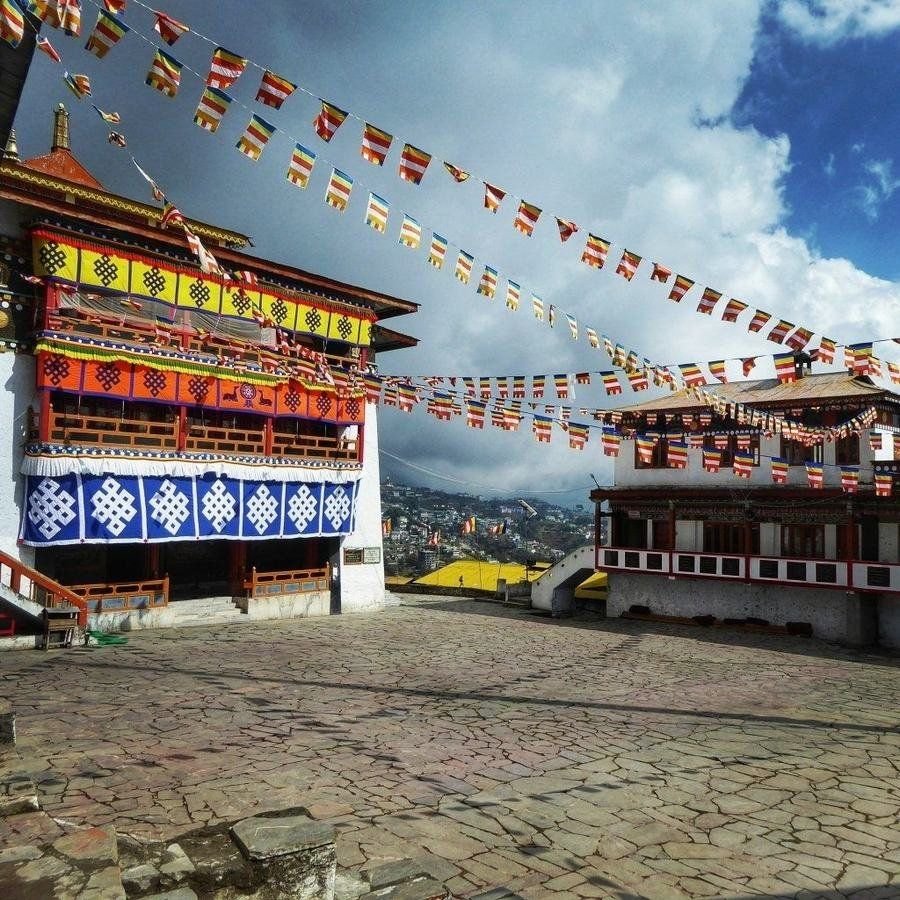 Arunachal Pradesh · Northeast · 6 days
6 Days Tawang Circuit
Stops include Tawang, Ziro, Bomdila — day-by-day route, best time and food.
 Assam · Northeast · 6 days
6 Days Majuli & Upper Assam
Stops include Majuli, Guwahati, Kaziranga — day-by-day route, best time and food.
Frequently Asked Questions
How many days do I need for the 6 Days Nagaland Culture?
The 6 Days Nagaland Culture is planned over 6 days, following this order: Kohima, Hornbill Festival area/Kisama, Dimapur. It runs at a gentle pace — the days are full but not frantic, and the route still works if you trim a night at the final stop.
What is the best time of year for the 6 Days Nagaland Culture?
October–May; December is especially popular for festival travel. Remote routes require planning. The Nagaland state guide on this site carries the full season-by-season calendar, including festivals that can lift or crowd this route.
Where does the 6 Days Nagaland Culture start and finish?
It starts in Kohima and finishes in Dimapur, travelling through Hornbill Festival area/Kisama on the way. Most travellers enter Nagaland through its main gateway and join the route at Kohima.
Can I shorten or extend the 6 Days Nagaland Culture?
To shorten it, drop a night at Dimapur and protect your time in Kohima — that is the heart of the route. To extend it, add a day in Kohima or detour to Dzukou Valley, which sits naturally alongside this route and has its own guide page on this site.
Do I need a permit for the 6 Days Nagaland Culture?
An Inner Line Permit is required for Indian visitors from other states; arrange it before you set out.