
Practical Guides · Wildlife Safaris
India Safari Guide: Which Park, When to Go, How to Book & What It Costs
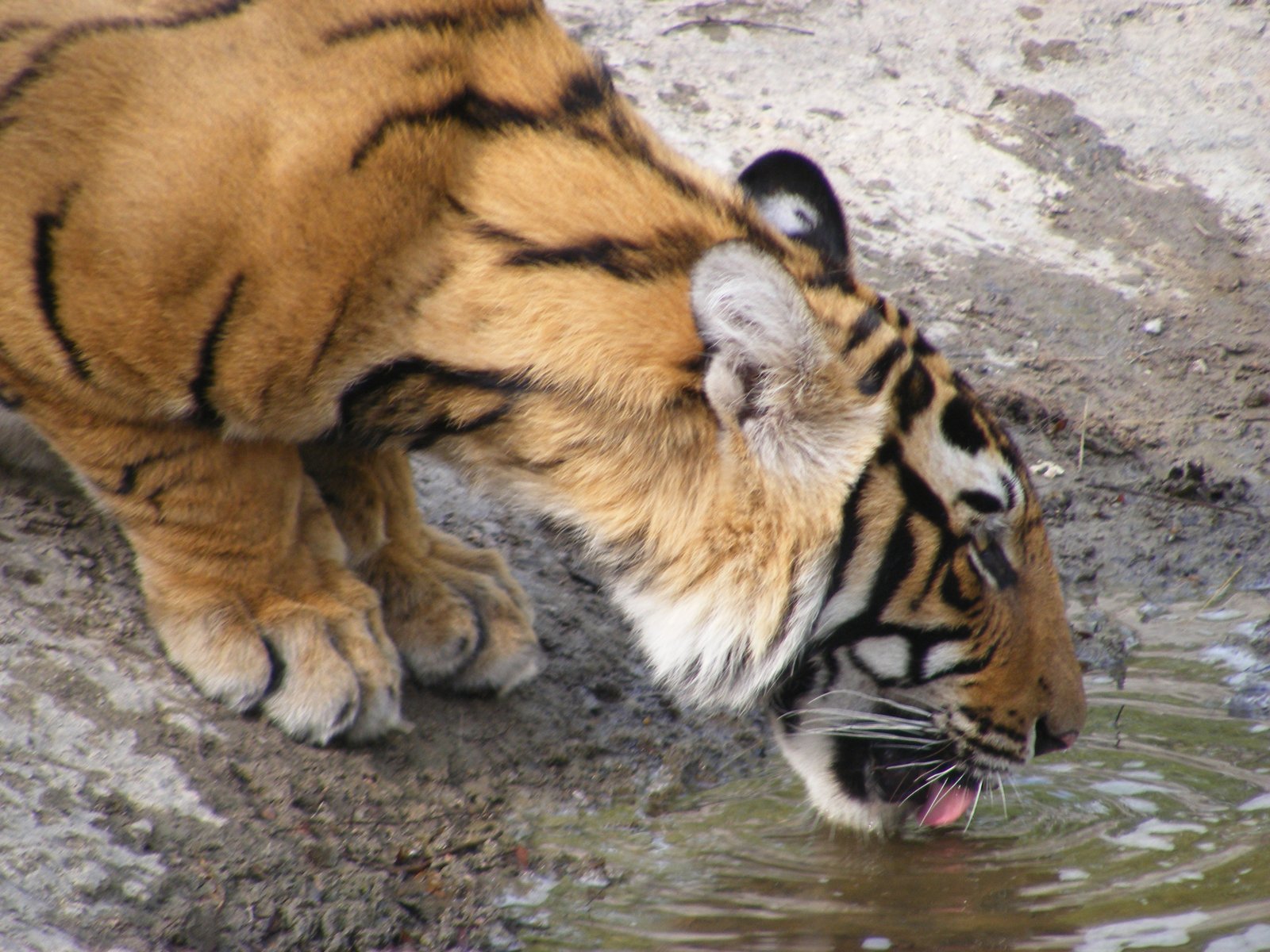
Here is the fact that decides almost every India safari: India counted 3,682 wild tigers in the 2022 All India Tiger Estimation — roughly 70% of all the wild tigers left on Earth — yet most first-time visitors still book the wrong park, the wrong zone, or the wrong month. Whether you see one depends less on luck than on three choices: which park matches what you want to see, which zone your permit is for, and how far ahead you book. Get those three right and a morning drive in Bandhavgarh or Tadoba can deliver the sighting people fly around the world for; get them wrong and you can spend a week in a beautiful forest watching deer.
This guide is the park-by-park plan. It covers the five tiger parks Beauty of Bharat has not covered before — Ranthambore, Bandhavgarh, Kanha, Pench and Tadoba — in full, and summarises the four we already have destination guides for — Kaziranga, Gir, Jim Corbett and the Sundarbans — with links to their full guides. Then comes the practical part: seasons, official booking portals, real safari costs, jeep versus canter, morning versus afternoon, how to reach each park, what to pack, and how to travel responsibly. No safari anywhere can guarantee a tiger. This guide is about giving yourself the best honest odds.
India Safari at a Glance
| Best park for a first tiger sighting | Bandhavgarh — highest tiger density; Ranthambore is the easiest to reach |
| Best park for rhinos | Kaziranga — 2,613 one-horned rhinos, about two-thirds of the world population |
| Only park for wild Asiatic lions | Gir (Gujarat) — 891 lions counted in 2025, up from 674 in 2020; nowhere else on Earth in the wild |
| Best park for leopards | Pench — leopards are seen here more regularly than in most tiger parks |
| Monsoon closure | Most core zones close July to September; some buffer zones stay open |
| Booking rule that matters most | Book on the official state forest portal only, as soon as your window opens |
1. Which Safari Is Right for You? Tigers, Rhinos, Lions or Leopards
Start with the animal, not the park: each of the nine parks below is the best answer to a different question.
| You want | Go to | Why |
|---|---|---|
| Tigers, best odds | Bandhavgarh | Highest tiger density in India; compact core zones |
| Tigers, easiest trip | Ranthambore | Close to Jaipur; tigers visible in daylight by the lakes |
| Tigers + the forest | Kanha | Sal forest, open meadows, barasingha; grandest landscape |
| Leopards + wild dogs | Pench | Leopards seen with remarkable regularity; dhole packs |
| Rhinos | Kaziranga | 2,613 one-horned rhinos; sightings close to certain |
| Lions | Gir | The only wild home of the Asiatic lion |
Leopards are more elusive than tigers everywhere, so treat one as a bonus, not a promise.
2. Ranthambore National Park, Rajasthan — Best for a First Safari
Ranthambore is the park most first-timers should start with. It is the easiest of the great tiger parks to reach, its tigers are famously visible in daylight — often resting by the lakes or walking the tracks — and no other tiger park looks like it: the ruins of a 10th-century fort rise above the forest. Once the hunting ground of the royal house of Jaipur, it sits where the Aravalli and Vindhya hills meet, about 14 km from Sawai Madhopur.
Zones: Ten safari zones. Zones 1 to 5 are the core, carry the strongest reputation for tigers and fill up first. Zones 6 to 10 are buffer zones; their sightings have improved significantly and they are a genuine fallback. Core zones close on Wednesdays and buffer zones on Tuesdays, and the core closes for the monsoon from 1 July to 30 September; buffer zones generally keep running.
Best months: October to June. October and November bring post-monsoon greenery and lower crowds; February balances weather and sightings; April to June is the peak, when tigers come to the lakes in the heat.
How to reach it: Fly to Jaipur (150–170 km, about a 3-hour drive), or take a train to Sawai Madhopur Junction, 14 km from the park, with trains from Delhi, Jaipur and Mumbai.
Booking: Book only on the Rajasthan Forest Department's official portal, booking.forestrajasthan.com (also reached through fmdss.forest.rajasthan.gov.in). Permits open 90 days before the safari date. The forest department warns travellers about fake booking websites — if a site is not booking.forestrajasthan.com, it is not official.
Cost: Ranthambore charges per person, not per jeep. On the forest department's own rate board, a gypsy seat costs about ₹1,610 per Indian visitor and about ₹3,023 per foreign visitor (photographed on the official signboard in September 2026; confirm the live rate on the portal, as rates are revised). A canter seat costs less. Safaris run morning and afternoon.
3. Bandhavgarh National Park, Madhya Pradesh — Best Odds of a Tiger
If you have three nights and one reserve and your single priority is seeing a tiger, Bandhavgarh is the honest answer. It is widely described as having the highest tiger density in India: a compact core zone, perennial water and a strong prey base concentrate tigers into a small area, and the per-safari odds here are the best in central India. The reserve covers about 1,536 sq km in the Vindhya hills of Umaria district, and its tiger population is reported at more than 120 animals.
Zones: Three core zones — Tala, Magadhi and Khitauli. Tala is the most famous and the most competitive: the highest density and the fort backdrop, and its permits go first. Magadhi offers consistent sightings with slightly better availability; Khitauli is quieter. Buffer zones (Dhamokhar, Panpatha, Johila) are worth booking when the core is sold out.
Best months: 1 October to 30 June, core closed for the monsoon. March to May gives the highest chance of a sighting, as water sources shrink and tigers move in the open; October to February is cooler and greener. Summer afternoons regularly pass 40°C, so morning drives matter.
How to reach it: Fly to Jabalpur, the nearest airport, then drive to the park; Umaria is the nearest railway station, with shared jeeps on to Tala village. Stay near the gate your safari starts from, because the morning drive leaves early.
Booking: Permits for all Madhya Pradesh tiger reserves are sold on the state forest department's official portal, forest.mponline.gov.in. Booking opens 120 days ahead, with each new day released at 11:00 AM IST — Tala permits for peak dates go within minutes. Permits are issued against named photo ID for every person, names cannot be changed, and you must carry the same ID you booked with. A sliding cancellation scale applies (full refund 60+ days out, no refund within 5 days).
Cost: A weekday core-zone safari works out at roughly ₹5,700–₹6,100 per jeep (up to 6 people) — a core permit of about ₹2,400, gypsy hire of about ₹2,800–₹3,200 and a guide fee of about ₹500. Weekend permits cost roughly double (about ₹4,800); buffer-zone permits are cheaper, about ₹1,200 per jeep. Figures from the MP forest tariff summaries, 2026 — the portal shows the final amount at checkout.
4. Kanha National Park, Madhya Pradesh — The Jungle Book Forest
Kanha is the park to choose if you want the whole forest, not just the tiger. It is one of India's largest tiger reserves — about 2,052 sq km, with a core of about 917 sq km — and the landscape most people picture when they imagine an Indian jungle: vast sal forest broken by open golden meadows, the "maidans" where deer graze in the early mist. It is the forest most often linked with Kipling's The Jungle Book, and the only place in India to see the hard-ground barasingha, the swamp deer that is Madhya Pradesh's state animal and was brought back from the edge of extinction here.
Zones: The main tourism zones are Kisli, Mukki, Kanha and Sarhi, entered through the Khatia and Mukki gates. Kisli and Mukki carry the strongest reputations for tigers; the Kanha zone is known for its meadows and barasingha. Kanha is bigger than Bandhavgarh and its tigers are spread across a wider area, so sightings per drive are a little lower — the trade-off for a grander, less crowded forest where vehicles rarely bunch up.
Best months: October to June, core closed for the monsoon. March to May is best for sightings; October to February is cooler, greener and excellent for birds. Winter mornings can be misty and cold.
How to reach it: Fly to Jabalpur and drive to the Khatia or Mukki gate — a journey of several hours, so arrive the day before your first safari. Kanha and Bandhavgarh are a few hours' drive apart and combine naturally: Bandhavgarh first for the odds, Kanha second for the forest.
Booking and cost: Same system as Bandhavgarh — forest.mponline.gov.in, 120 days ahead at 11:00 AM IST, named ID for every traveller, no transfers. Expect the same rough scale: about ₹5,500–₹6,500 per jeep per safari on a weekday core drive, permit plus gypsy plus guide, with weekend permits higher. Confirm the live total at checkout.
5. Pench National Park, Madhya Pradesh & Maharashtra — Best for Leopards and Wild Dogs
Pench is the underrated park of central India. It straddles the Madhya Pradesh–Maharashtra border along the Pench river, and it is the other forest linked with Kipling's Jungle Book. What sets it apart is variety: tigers, but also leopards seen with remarkable regularity, packs of dhole (Indian wild dogs) hunting in the open, sloth bears, gaur, and more than 285 bird species. Its most famous resident was Collarwali, a tigress celebrated for raising a record number of cubs. Pench is also the easiest central-India reserve to reach.
Zones: The reserve is administered as two separate reserves across the state border, with different permits and gates. On the Madhya Pradesh side the main gates are Turia (closest to Khawasa, highest tiger frequency, and the only gate with canter safaris), Karmajhiri (quieter, dense forest, excellent for wild-dog packs) and Jamtara (buffer, known for tigresses with cubs). Buffer gates include Khawasa, Rukhad and Telia; the Maharashtra side has Sillari and Khursapar. The MP side closes for afternoon safaris on Wednesdays. Night safaris run in the buffer from Jamtara — leopard, civet, hyena, occasionally tiger — and must be pre-booked.
Best months: Core zones open 1 October to 30 June. February to May is prime for tigers, leopards and dholes, peaking in April and May; November to February is best for migratory birds. The core closes 1 July to 30 September, though some buffer safaris keep running.
How to reach it: Fly to Nagpur, about 90 km (roughly 2 hours) from the Turia gate — the shortest airport transfer of any park in this guide. Nagpur Junction and Seoni are the nearest railway stations.
Booking and cost: The MP side books on forest.mponline.gov.in, up to 120 days ahead; the Maharashtra side on safaribooking.mahaforest.gov.in. Costs run on the same MP scale as Kanha and Bandhavgarh — roughly ₹5,500–₹6,500 per jeep per safari on a weekday core drive — with buffer permits cheaper. Verify the live total on the portal.
6. Tadoba-Andhari Tiger Reserve, Maharashtra — Best for Open Tiger Sightings
Tadoba, in Maharashtra's Chandrapur district, has quietly become one of India's most reliable tiger parks. Its tigers are notably bold — they often walk along the safari tracks in full view, a favourite with photographers — and its sighting record in recent years rivals Bandhavgarh's. The reserve is smaller and more open than Kanha, with bamboo and teak forest around lakes that draw animals in the dry months, plus leopards, sloth bears, wild dogs and gaur.
Zones: Six core gates — Moharli, Kolara, Navegaon, Pangdi, Zari and Khutwanda — and buffer gates including Agarzari, Junona, Alizanza and Devada-Adegaon. Moharli is the most popular core gate. Core zones are typically closed on Tuesdays and buffer zones on Wednesdays; confirm on the portal, as it can change. The core season runs October to June, closing for the monsoon.
Best months: October to June. March to June is peak for sightings, when tigers concentrate around the lakes; November to February is cooler and comfortable, with good birding. May's dry heat is fierce — morning drives are the ones that count.
How to reach it: Fly to Nagpur, about 150 km away, then drive to the Moharli or Kolara gate. Chandrapur is the nearest railway station; most visitors stay at lodges near Moharli or Kolara.
Booking: Book on the Maharashtra Forest Department's official portal, mytadoba.mahaforest.gov.in. Bookings open up to 120 days ahead for core zones. A booking buys the whole jeep, not a seat — two people pay the same as six. Bookings made 60–120 days ahead cannot be cancelled, so only book that far ahead when your dates are certain.
Cost: Tadoba publishes the clearest tariff of any park in this guide — and the price depends on when you book as well as when you go. For a core-zone jeep (entry, guide and gypsy together, up to 6 guests), booked 1–59 days ahead: ₹5,800 on weekdays and ₹6,800 on weekends; booked 60–120 days ahead: ₹8,800 on weekdays and ₹12,800 on weekends. Buffer safaris cost ₹6,000 / ₹7,000 regardless of when you book. The same price applies to Indian and foreign visitors on regular safaris; full-day safaris are the exception (₹50,000 per jeep for Indians, ₹70,000 for foreigners). Figures from the official portal's tariff, reported October 2026 — check the live tariff before you pay.
7. Four More Parks, in Brief — Kaziranga, Gir, Jim Corbett & the Sundarbans
Beauty of Bharat already has full destination guides for these four parks. Here is the safari-planning summary for each, with a link to the full guide.
Kaziranga National Park, Assam — Rhinos, Guaranteed
Kaziranga is the global stronghold of the greater one-horned rhinoceros: 2,613 of Assam's 2,895 rhinos live here, about two-thirds of the world's population, and sightings on a jeep safari are close to certain — animals graze in the open grassland, sometimes within 20 metres of the track. It also holds elephants, wild buffalo, swamp deer and more than 100 tigers. Its four ranges are Kohora (Central), the best first choice; Bagori (Western), with the densest rhino area; Agaratoli (Eastern), the birder's favourite; and Burapahar. Reopened for 2026–27 on 3 October 2026; best months November to April; closed for the monsoon floods from May. Jeep safaris run roughly 7:30–10:00 AM and 1:30–3:00 PM and cost roughly ₹3,600–₹5,500 per jeep. Elephant safaris also operate at dawn — see the responsible-safari section before booking one. Book on kazirangasafari.in; stay in Kohora, 2 hours from Jorhat airport, 5 hours from Guwahati. Read the full Kaziranga guide →
Gir National Park, Gujarat — The Only Wild Asiatic Lions
Gir, in Saurashtra, protects the only wild population of Asiatic lions anywhere on Earth — 891 counted in 2025, up from 674 in 2020. A safari is a three-hour drive in an open gypsy with a forest eco-guide, and lions are seen on most drives in the dry months. The Gir Jungle Safari runs 16 October to 15 June and closes 16 June to 15 October; the fenced Devalia Safari Park has very high lion-sighting chances and is a good fallback. Book only on girlion.gujarat.gov.in — e-permits open up to 45 days ahead and close two hours before the slot; no tatkal or on-the-spot permits. The e-permit costs ₹800 per jeep on weekdays and ₹1,000 on weekends and festival days for Indian visitors (up to 6 people plus one child aged 3–12); foreign visitors pay ₹7,600 / ₹9,500 on the portal's current listing (its terms PDF still shows older ₹6,400 / ₹8,000 — the booking page is the final word). The gypsy (₹2,500–₹4,500) and guide (₹400) are paid separately at Sinh Sadan, Sasan Gir. December to February is most comfortable; March to May gives the best lion visibility. Fly to Diu or Rajkot, or take a train to Junagadh or Veraval. Read the full Gir guide →
Jim Corbett National Park, Uttarakhand — India's First National Park
Corbett, established in 1936 as Hailey National Park, is India's oldest national park and the closest great tiger park to Delhi. Its seven zones are Dhikala, Bijrani, Jhirna, Dhela, Durgadevi, Garjia and Sonanadi. Dhikala — the wide Ramganga grasslands, famous for elephants and tigers — is the premium zone, but day visitors can only enter it on the shared canter; jeeps there are only for overnight guests in the Dhikala forest rest house. Bijrani, closest to Ramnagar, is the best day-visitor zone for tigers. Jhirna and Dhela stay open all year; Bijrani runs 15 October to 30 June, Dhikala 15 November to 15 June. Book only on corbettgov.org — the reserve states it is the only official site; bookings open 45 days ahead. A day jeep safari costs roughly ₹7,080–₹7,380 per jeep for Indian visitors (permit ₹3,380, vehicle ₹2,700–₹3,000, guide ₹1,000); foreign visitors pay a higher permit (₹6,680). A Dhikala canter seat costs ₹1,500 plus GST. Ramnagar is the gateway; Pantnagar is the nearer airport. Read the full Jim Corbett guide →
Sundarbans National Park, West Bengal — Tigers That Swim
The Sundarbans is the world's largest mangrove forest, a UNESCO World Heritage Site, and the only mangrove forest on Earth where tigers live. Its Royal Bengal tigers swim between islands and hunt in brackish water — and they are famously elusive: most visitors do not see one, and the forest is the reward, not the sighting. There are no jeep safaris: the park is explored by boat, on multi-day boat-stay packages from Kolkata bundling boat, stay, meals and permits. Best time is October to March, with November to February most comfortable and best for migratory birds; the core forest usually closes around June to August. A shared 2-day/1-night package typically costs roughly ₹3,000–₹6,000 per person; a private boat runs roughly ₹6,000–₹12,000 a day. From Kolkata, go by road to the Godkhali or Sonakhali jetties (about 3 hours) and then by boat. Book through a registered operator. Read the full Sundarbans guide →
8. Best Time for a Safari in India — Season by Season
Almost every park in this guide follows the same rhythm: open October to June, core zones closed for the monsoon, best sightings in the hot dry months.
| Park | Season | Best for sightings |
|---|---|---|
| Ranthambore | 1 Oct – 30 Jun (core closed Jul–Sep) | Apr – Jun |
| Bandhavgarh | 1 Oct – 30 Jun (core closed for monsoon) | Mar – May |
| Kanha | Oct – Jun (core closed for monsoon) | Mar – May |
| Pench | 1 Oct – 30 Jun (core closed Jul–Sep) | Feb – May |
| Tadoba | Oct – Jun (core closed for monsoon) | Mar – Jun |
| Kaziranga | Oct – Apr/May (closed for floods May–Oct) | Nov – Feb |
| Gir | 16 Oct – 15 Jun (closed 16 Jun – 15 Oct) | Mar – May |
| Jim Corbett | Year-round in Jhirna/Dhela; Bijrani 15 Oct – 30 Jun | Mar – Jun |
| Sundarbans | Oct – Mar (core closed around Jun – Aug) | Nov – Feb |
October to February is the comfortable window: cool mornings, green forest, migratory birds — but thicker cover and animals spread out, so sightings take patience. March to June is the sighting window: the forest thins and animals gather at the remaining waterholes — but afternoons regularly pass 40°C, so plan around the morning drive. July to September is the monsoon: core zones close so the forest can regenerate; some buffer zones keep running, but many lodges close.
One honest note: operators often quote 70–90% odds for a multi-drive trip in peak season, but those are reported figures, not guarantees — no park, guide or operator can promise a tiger. Book at least four to six drives per park.
9. How to Book a Safari in India — Official Portals Only
There is no single India safari booking site. Every state forest department runs its own portal, window and rules — and that is exactly where the scams live. The rule is simple: book on the official portal, and nowhere else. Third-party sites are agents: they add a markup and cannot get you a permit that does not exist. If a site claims a "guaranteed tiger sighting", walk away.
| Park | Official portal | How far ahead | Notes |
|---|---|---|---|
| Bandhavgarh, Kanha, Pench (MP side) | forest.mponline.gov.in | 120 days, released daily at 11:00 AM IST | Named ID for every person; names cannot be changed |
| Ranthambore | booking.forestrajasthan.com (also fmdss.forest.rajasthan.gov.in) | 90 days | Zones 1–5 go first; beware lookalike sites |
| Tadoba | mytadoba.mahaforest.gov.in | Up to 120 days (core) | Whole jeep per booking; 60–120-day bookings cannot be cancelled |
| Pench (Maharashtra side) | safaribooking.mahaforest.gov.in | Up to 120 days | Separate permits from the MP side |
| Gir | girlion.gujarat.gov.in | Up to 45 days; closes 2 hrs before the slot | No tatkal or on-the-spot permits |
| Jim Corbett | corbettgov.org | 45 days | Only official site, per the reserve |
| Kaziranga | kazirangasafari.in | Book as soon as dates are fixed | Book as soon as dates are fixed |
| Sundarbans | Through a registered operator | At least a month ahead in peak season | Operator arranges permits |
How booking works: pick your park, zone and dates first — the zone matters as much as the park. Create your portal account well before your window opens, with the passport or Aadhaar number of every traveller ready: permits are issued against named ID, and the name must match the ID you carry to the gate. Be online the moment the window opens for peak dates — Tala, zones 1–5, Kisli and Mukki, and Moharli go within minutes. Pay on the portal, save the permit and receipt, and carry a printout: signal at park gates is unreliable. If your zone is sold out, book a buffer zone or a different gate. At the gate you need the same original photo ID used at booking and the permit. Private vehicles are not allowed inside any safari zone.
10. How Much Does a Safari in India Cost?
Every park prices differently: Madhya Pradesh and Tadoba charge per jeep, Ranthambore per person, Corbett a permit plus vehicle plus guide, and Gir splits the permit from the gypsy and guide. The table below gives the honest 2026 picture per safari (one morning or afternoon drive). Rates are revised — confirm the live total on the official portal before you pay.
| Park | What you pay (per safari) | Works out to |
|---|---|---|
| Bandhavgarh / Kanha / Pench (MP core) | Roughly ₹5,700–₹6,500 per jeep on weekdays (permit ~₹2,400 + gypsy ~₹2,800–₹3,200 + guide ~₹500); weekend permits roughly double (~₹4,800) | ~₹950–₹1,600 each in a full jeep |
| Tadoba (core) | ₹5,800 weekday / ₹6,800 weekend if booked 1–59 days ahead; ₹8,800 / ₹12,800 if booked 60–120 days ahead (all-in per jeep) | ~₹970–₹2,130 each |
| Tadoba (buffer) | ₹6,000 weekday / ₹7,000 weekend per jeep | ~₹1,000–₹1,170 each in a full jeep |
| Ranthambore (gypsy) | ~₹1,610 per Indian visitor / ~₹3,023 per foreign visitor (forest dept rate board) | Per person |
| Gir | Permit ₹800 weekday / ₹1,000 weekend (Indian, per jeep) + gypsy ₹2,500–₹4,500 + guide ₹400 | ~₹620–₹980 each in a full jeep of 6 (weekday) |
| Jim Corbett (day jeep) | ~₹7,080–₹7,380 per jeep: permit ₹3,380 + vehicle ₹2,700–₹3,000 + guide ₹1,000 (Indian) | ~₹1,180–₹1,230 each in a full jeep |
| Jim Corbett (Dhikala canter) | ₹1,500 + GST per seat (Indian) | Per person |
| Kaziranga (jeep) | Roughly ₹3,600–₹5,500 per jeep (up to 6 people) | ~₹600–₹920 each in a full jeep |
| Sundarbans (boat package) | Roughly ₹3,000–₹6,000 per person for 2 days / 1 night, shared boat, food and stay included | Per person, all-in |
A note on a figure you may see elsewhere: some international guidebooks quote roughly ₹10,000 for a core-zone safari. We checked that figure against the official fee schedules above and could not verify it against any official tariff — the official per-jeep totals for a weekday core safari in 2026 sit well below it. The real cost driver is not the permit but everything around it: the lodge, the transfers, and how many safaris you book. A realistic mid-range budget for a 3-night tiger-park trip, per person sharing a room and a full jeep, is roughly ₹25,000–₹45,000 excluding flights. Booking the permit yourself on the official portal, instead of paying an agent's markup, is the easiest money you will save on the whole trip.
11. Zones, Jeep vs Canter, Morning vs Afternoon
Zones are the decision most people get wrong. A tiger reserve is divided into zones, each with its own gate, permit quota and wildlife record, and your permit is valid for one zone only. Core zones are the protected heart of the reserve, with a fixed number of vehicles per drive; buffer zones surround them and often stay open in the monsoon. The famous zones (Tala at Bandhavgarh, zones 1–5 at Ranthambore, Kisli and Mukki at Kanha, Turia at Pench, Moharli at Tadoba) are famous for a reason — and they sell out first. A buffer-zone permit in the right park is still a good safari.
Jeep (gypsy) vs canter: The gypsy is an open 6-seater 4x4 with a driver and a guide — the standard safari vehicle everywhere, and the right choice for almost everyone. You book the whole jeep, so six people split the cost; lodges often match solo travellers into shared jeeps. The canter is a larger open bus (around 16–22 seats) that runs in a few places: Ranthambore, Pench (from Turia only) and Corbett's Dhikala zone. A canter seat is much cheaper and is the only way for day visitors to see Dhikala — but you share it with twenty strangers and cannot choose your route. Choose the gypsy when sightings matter; the canter when budget matters, or when it is the only way into the zone you want.
Morning vs afternoon: Book both, on different days. Morning drives start at sunrise (around 6:00–6:30 AM): animals are active and the light is best for photography. Afternoon drives run to sunset, and the last hour — when predators start moving again — can be the best of the day. In summer the morning is the stronger drive; in winter the afternoon can be just as good, and the morning can be lost to fog.
How many safaris: Four to six drives per park is the sweet spot — two full days of morning plus afternoon.
12. What to Pack for a Safari
- Clothes in muted colours — khaki, olive, brown, grey. Bright colours and white stand out in the forest; avoid black too, which absorbs the heat.
- Layers for cold mornings — a fleece or light jacket, warm hat and gloves in winter. A 6:00 AM drive in December is cold, even when the afternoon is warm.
- Sun protection for summer — hat, sunscreen, sunglasses and a light scarf against dust.
- Binoculars — the most useful item after a camera. Your guide has a pair, but sharing one between six people is slow.
- Camera with a zoom lens if you have one; a phone is fine for animals near the track. Carry spare batteries and memory cards.
- Water and a small snack — lodges usually provide both; take every wrapper back with you.
- Your original photo ID — the same document used at booking — plus a printed copy of the permit. Phone signal at the gates is unreliable.
13. Responsible Safari Rules — How to Travel Without Harming the Forest
A safari is a privilege, not a right, and the animals' welfare comes before the photograph.
- Do not ride elephants. Elephant safaris still operate at Kaziranga, sold as the closest way to see a rhino. We recommend the jeep instead: the ride exists for tourists, not for the animal, and the training and working life of a safari elephant raises welfare concerns that a growing number of travellers — and many lodges — now refuse to support. At Kaziranga the rhinos come close to the track anyway.
- Keep your distance. Stay in the vehicle, stay quiet, and let the guide decide how close is close enough. Never ask a driver to chase an animal or block its route to water.
- No calling, no baiting, no flash. Do not shout, whistle or play animal sounds to draw an animal out, and do not use flash photography.
- Stay on the tracks and take all litter back. Off-track driving damages the forest floor and is not allowed. Nothing leaves the vehicle except photographs: no bottles, wrappers or tissues.
- Do not feed any animal — not the monkeys at the gate, not the deer. Feeding changes behaviour, spreads disease and creates animals that depend on tourists.
- Respect closures. Weekly and monsoon closures exist so the forest can rest and animals can breed without vehicles.
- Tip the guide and driver fairly — they find the animals and keep you safe.
India Safari — Frequently Asked Questions
Which is the best safari in India for a first-timer?
Ranthambore, for the easiest trip and the most visible tigers in daylight, or Bandhavgarh, for the best odds of a sighting. Ranthambore is a short drive from Jaipur; Bandhavgarh has the highest tiger density in India but takes longer to reach.
Bandhavgarh vs Kanha — which is better for a tiger safari?
Bandhavgarh, if seeing a tiger is the priority: its compact core zones and high density give the best per-drive odds in central India, especially in the Tala zone. Kanha, if you want the most beautiful forest — sal forest, open meadows, barasingha — with tigers as part of it. If you have time, do both.
How far in advance should I book a safari in India?
As far ahead as the portal allows: 120 days for Madhya Pradesh parks and Tadoba, 90 days for Ranthambore, 45 days for Jim Corbett and Gir. For peak dates, be online the moment the window opens: the best zones sell out within minutes.
How much does a safari in India cost?
For a weekday core-zone drive: roughly ₹5,700–₹6,500 per jeep in the Madhya Pradesh parks, ₹5,800 at Tadoba, about ₹1,610 per person at Ranthambore, about ₹7,100–₹7,400 per jeep at Jim Corbett, and about ₹3,600–₹5,500 per jeep at Kaziranga. In a full jeep of six, that is roughly ₹950–₹1,250 per person per drive.
What is the best time for a tiger safari in India?
March to June gives the best sightings: the forest thins and tigers gather at waterholes — but it is hot, often above 40°C. November to February is cooler, greener and more comfortable, with better birding, but sightings take more patience. Most core zones close July to September.
Are safaris open during the monsoon?
Core zones are closed in the monsoon — roughly July to September in most parks, May to October at Kaziranga, which floods. Some buffer zones stay open, and Jhirna and Dhela at Jim Corbett run all year.
Jeep or canter — which should I choose?
The jeep (gypsy) for almost everyone: six seats, your own route within the zone, and the best photography. The canter is a larger shared bus (16–22 seats) that costs less per person and is the only way for day visitors to enter Corbett's Dhikala zone — but you share it with twenty strangers.
Which park should I choose for rhinos, lions or leopards?
Kaziranga for rhinos (2,613 one-horned rhinos; sightings close to certain). Gir for lions (the only wild home of the Asiatic lion; 891 counted in 2025). Pench for leopards, seen here more regularly than in most tiger parks. For tigers: Bandhavgarh has the best odds, Ranthambore is the easiest trip, Tadoba is the photographers' favourite.
Is an elephant safari a good idea?
We recommend the jeep instead. Elephant safaris still operate at Kaziranga at dawn and do get close to rhinos in the tall grass — but the ride exists for tourists, not for the animal, and the training and working life of a safari elephant raises welfare concerns many travellers and lodges now refuse to support. At Kaziranga the rhinos come close to the track anyway.
Every Place. Every Flavour.
Your safari is planned — now explore the rest of India with us: 550+ destinations, offbeat places and regional dishes, each with its own full guide.
Explore all 36 states Read the blog