
Destination Guide · Uttarakhand
Jim Corbett Travel Guide: India's First National Park — Tigers in the Ramganga Wilds

By Beauty of Bharat — India travel guide, every place, every flavour.
Guides covering all 36 States and UTs, researched from official sources and checked at publish time. Corrections welcome — see About Beauty of Bharat.
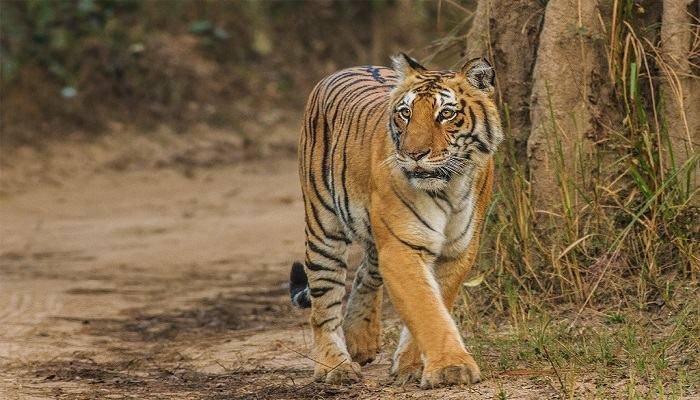
Corbett is where Indian wildlife tourism began — the park named for the man who hunted its man-eaters and then fought to save its forests. Its landscape is the terai at its finest: towering sal forest, the Ramganga river cutting through in emerald pools, and the great open chaurs (grasslands) where herds of elephants graze and tigers cross at dawn and dusk like rumours made real.
The safari system runs by zones (Dhikala — the legendary core, reached for overnight forest-rest-house stays — Bijrani, Jhirna, Dhela, Durga Devi and the Sitabani buffer), each with its own character. Dhikala's grassland-and-river circuit, watched from the old rest house lawn as elephants come to drink, is one of India's great wildlife theatres. Add the Corbett Museum at Kaladhungi (Corbett's own house) and the Garjia temple on its river rock, and the Ramnagar base becomes a complete Corbett immersion.
Jim Corbett at a Glance
| State / UT | Uttarakhand |
| Region | North India |
| Known for | Wildlife |
| Best time to visit | Mid-November to mid-June (zones close for the monsoon in rotation; Dhikala opens mid-Nov); winter dawns… |
| Nearest gateway | Ramnagar station & town (park gates) |
| Good for | Himalayas, Pilgrimage, Yoga, Wildlife and Adventure |
| Famous food | Kafuli, Aloo ke gutke and Bhaang ki chutney |
| Full state guide | Uttarakhand Travel Guide |
Highlights: Best Things to Do in Jim Corbett
Dhikala zone safari & rest house
The core grasslands on the Ramganga reservoir — the classic Corbett safari, with overnight stays booked well ahead.
Bijrani & Jhirna safaris
The sal-forest zones from Ramnagar — tiger country of a denser, moodier kind.
Corbett Museum, Kaladhungi
Jim Corbett's winter home turned museum — his letters, his house, his transformation from hunter to guardian.
Garjia Devi Temple
The goddess shrine on a great rock in the Kosi river — Corbett's beloved landmark at the park's gate.
Kosi river & Sitabani buffer
The riverine walks and the buffer forest where Corbett's stories were set — birds, deer and deep green calm.
Best Time to Visit Jim Corbett
Mid-November to mid-June (zones close for the monsoon in rotation; Dhikala opens mid-Nov); winter dawns are misty and magical, April–June the best tiger-sighting heat.
That window is when Jim Corbett shows its best side. It also matches the wider season for Uttarakhand — the Uttarakhand guide sets out the state's full calendar, festivals included, so you can time Jim Corbett alongside Rishikesh and Haridwar on one trip.
What Makes Jim Corbett Different
Corbett is not simply a tiger reserve with a famous name; it is the place where Indian wildlife tourism itself took shape, and that history still colours every safari. The park carries the name of a man who first hunted its man-eaters and then campaigned to protect the very forests he knew so intimately, and the museum at Kaladhungi, in his own winter house, lets a visitor follow that transformation from hunter to guardian through his letters and belongings. Few Indian parks invite that kind of reflection on their own origins, and Corbett's story gives its grasslands and sal forests a moral dimension that a checklist of sightings alone cannot supply.
The landscape is the other half of the distinction. Where many reserves offer a single habitat, Corbett moves between towering sal forest, the Ramganga river in its emerald pools, and the great open grasslands where elephant herds graze and tigers cross at dawn and dusk. Its zones each carry a different mood, from the legendary core grasslands around the old rest house on the reservoir to the denser, moodier sal country reached from Ramnagar, with the riverine buffer forest and the shrine rock of Garjia Devi adding a cultural landmark at the park's very gate.
That variety also changes how a visit feels. A Corbett trip is organised around zones and seasons rather than a single circuit, with the core grasslands opening later in the season and the monsoon closing zones in rotation, so planning becomes part of the experience itself. Winter dawns bring mist over the grass, while the hot months bring the sharpest sightings as animals gather near water, and the buffer walks along the Kosi river offer birds, deer, and deep green calm for travellers who want the forest without the pressure of a single famous animal.
A classic Corbett day starts before dawn with a safari into the core grasslands, watching from the old rest-house lawn as elephants come down to drink at the reservoir, then returns through sal forest to the Ramnagar base for the museum at Kaladhungi, where Corbett's house and letters anchor the morning's wildlife in a human story. The afternoon can turn to the shrine on its great rock in the Kosi river, a beloved landmark at the park's gate, before a quieter riverine walk in the buffer forest closes the day with birdsong and deer rather than another chase for a sighting.
To widen the Uttarakhand journey, follow Corbett with Rishikesh, the river town the Corbett guide itself names as a natural pairing for a longer state trip, and with Nainital, the lake hill station that offers a cooler, gentler contrast after days of early alarms and dusty tracks. For a quieter forest counterpoint, the Binsar offbeat guide profiles a high, wooded sanctuary far from the safari crowds, while the kafuli dish guide introduces the spinach-based hill preparation that belongs to the same Kumaoni kitchens that feed travellers returning from the park.
How to Reach Jim Corbett
Ramnagar is the gateway town — a railway station with trains from Delhi (about five to six hours) and a road journey of similar length; Pantnagar airport is the nearer airhead.
Most travellers route into Uttarakhand through Dehradun or the nearest transport hub and continue by road; local taxis and shared transport cover the last stretch in season. Build in buffer time for hill and island routes, and confirm festival and permit rules for Uttarakhand before you set out.
Jim Corbett — Transport at a Glance
| Nearest airport | Pantnagar Airport (PGH) is the nearer airhead; Delhi (DEL) is the other gateway |
| Nearest railway station | Ramnagar station — the gateway town at the park gates, with trains from Delhi in ≈ 5–6 hrs |
| By road | The Delhi–Ramnagar road via Moradabad and Kashipur is the standard run |
| Getting around | Resort transfers and hired jeeps; safari gypsies are booked per-gate (Bijrani, Jhirna, Dhikala side) |
Where to Stay in Jim Corbett
Corbett stays line the Ramnagar–Dhikuli road: river-resorts and jungle lodges from luxury to family grade, nearly all with safari desks for the Bijrani and Jhirna gates; village homestays spread towards the Kosi's west bank. Dhikala's forest rest houses (booked through the park) are the inside-the-park privilege — spartan rooms, unmatched mornings. Stays here run to river resorts, jungle lodges, homestays and forest rest houses. The honest way to choose is live, because the season moves prices fast — the buttons below pull today's listings with photos and guest ratings from Google Maps, and live rates from Booking.com, for Jim Corbett itself. Plan the base around the sights: travellers come to Jim Corbett for Dhikala zone safari & rest house, Bijrani & Jhirna safaris and Corbett Museum, Kaladhungi — the areas above keep the first of these within easy reach, which matters most on short trips.
See live hotels & ratings — Google MapsCompare prices — Booking.com
This button opens a hotel search on Booking.com. Some travel tools on this site are provided by affiliate partners — if you book through one, we may earn a commission at no extra cost to you.
Markets & Shopping in Jim Corbett
Ramnagar trades in provisions, not souvenirs; Nainital's Mall Road is the hill-shopping run. For the full bazaar run, base it in Nainital — there, the name to know is The Mall Road and the Bara Bazaar (Tallital side). Look for Woollens, wooden craft, and Nainital's famous candles — the lake town's signature craft. The candle shops of Bara Bazaar are the buy — scented, shaped and made in the town for generations. Before a big purchase, it is worth comparing the same craft at a state handicraft emporium or the makers' own workshop — bazaars usually win on price, emporiums and makers on assurance. Take some home on a plate, too: Jim Corbett's edible signatures start with Kafuli and Aloo ke gutke and Bhaang ki chutney — try them at the source, and ask the food stalls what packs well for the journey. Keep small notes handy as well: bargaining is expected on craft in the bazaars, while food and emporium counters usually hold fixed prices.
A Taste of Uttarakhand
No stop in Uttarakhand is complete at the table. The state's kitchen is best met through Kafuli, Aloo ke gutke and Bhaang ki chutney — look for them in Jim Corbett's own markets and eateries, where the cooking is at its most local. Each dish has a full page in the Food Atlas: Kafuli · Aloo ke gutke · Bhaang ki chutney · Phaanu.
More Destinations in Uttarakhand
Jim Corbett is one of 7 destinations in the Uttarakhand atlas. The others pair with it naturally — each has its own full guide page.
Rishikesh
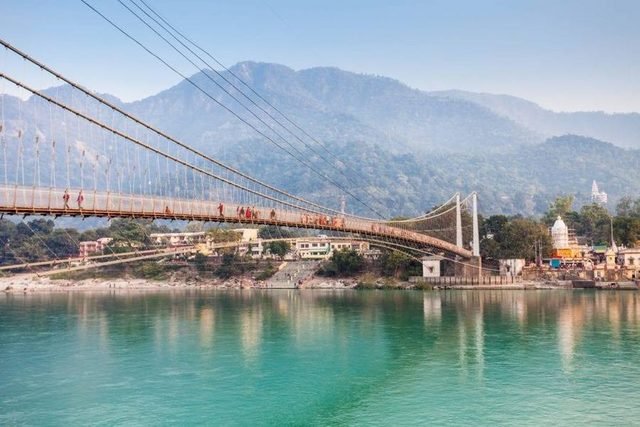
yoga, river and adventure.
Haridwar

Ganga pilgrimage.
Mussoorie
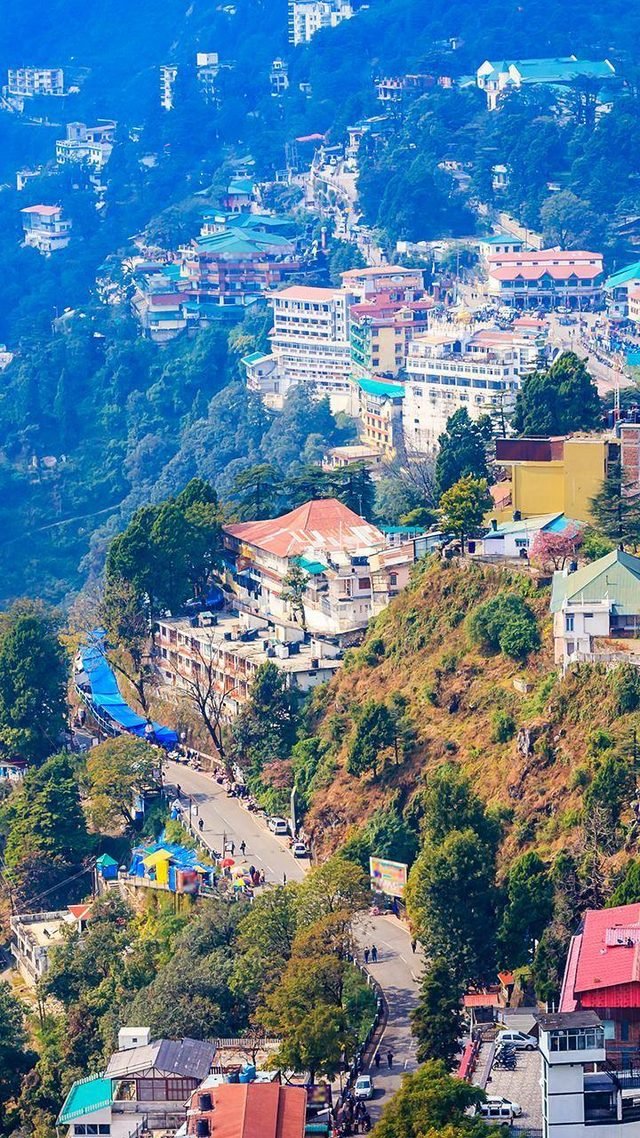
hill station.
Nainital

lake town.
Kedarnath
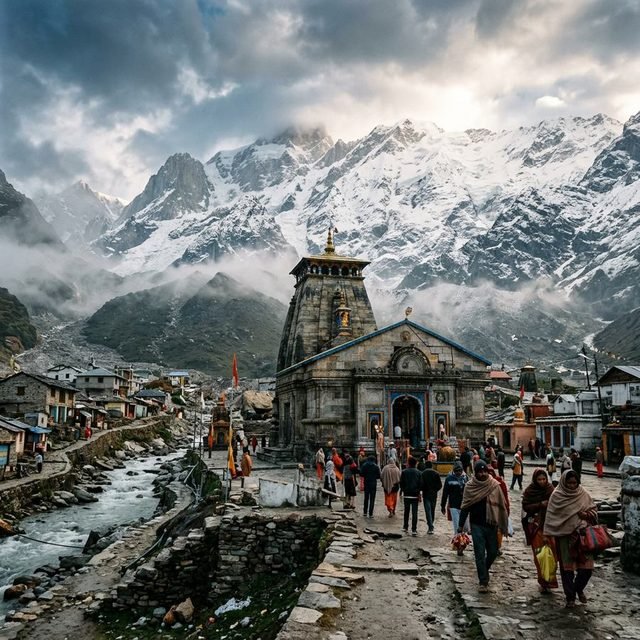
pilgrimage and Himalayan landscape.
Badrinath

pilgrimage and mountains.
Offbeat Uttarakhand: Beyond Jim Corbett
When the headline sights are done, Uttarakhand keeps a quieter register — Munsiyari · Chopta · Kanatal · Binsar are the state's lesser-known corners, profiled in the Uttarakhand guide. Expect fewer facilities and more of the state as its own people know it.
Frequently Asked Questions
What is Jim Corbett famous for?
Jim Corbett National Park is India's oldest (1936) — a legendary tiger reserve of sal forests, riverine grasslands (chaurs) and the Ramganga river, named for the hunter-turned-conservationist Jim Corbett.
What are the best things to do in Jim Corbett?
The essential experiences in Jim Corbett are Dhikala zone safari & rest house, Bijrani & Jhirna safaris, Corbett Museum, Kaladhungi and Garjia Devi Temple. The core grasslands on the Ramganga reservoir — the classic Corbett safari, with overnight stays booked well ahead.
What is the best time to visit Jim Corbett?
Mid-November to mid-June (zones close for the monsoon in rotation; Dhikala opens mid-Nov); winter dawns are misty and magical, April–June the best tiger-sighting heat.
How do I reach Jim Corbett?
Ramnagar is the gateway town — a railway station with trains from Delhi (about five to six hours) and a road journey of similar length; Pantnagar airport is the nearer airhead.
How many days do I need in Jim Corbett?
Plan three days — at least four safaris across zones in Jim Corbett. It pairs naturally with the other Uttarakhand stops in this atlas, and the Uttarakhand state guide links them into one route.
Every Place. Every Flavour.
Jim Corbett is one of 188 destinations in this atlas — with 154 offbeat places and 213 regional dishes, each with its own full guide page.
Uttarakhand Travel Guide Read the blog