
Food Atlas · Ladakh
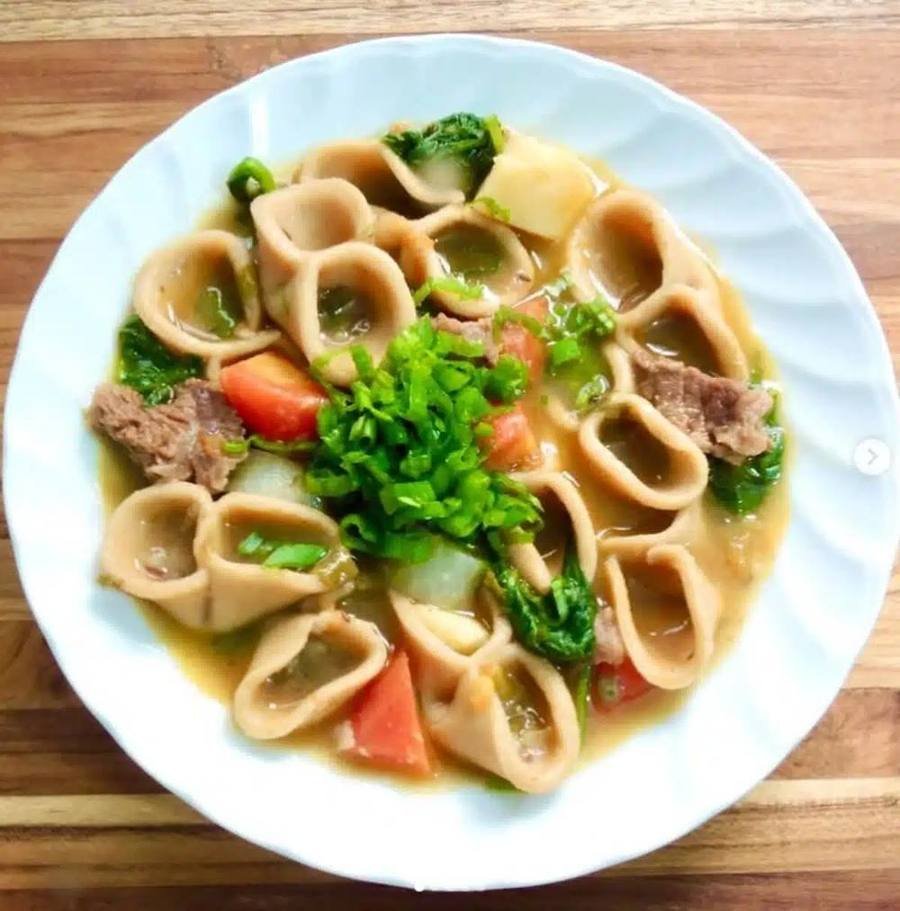
Skyu: Thumb-sized dough caps simmered with vegetables — Ladakh's slow winter stew

By Beauty of Bharat — India travel guide, every place, every flavour.
Guides covering all 36 States and UTs, researched from official sources and checked at publish time. Corrections welcome — see About Beauty of Bharat.
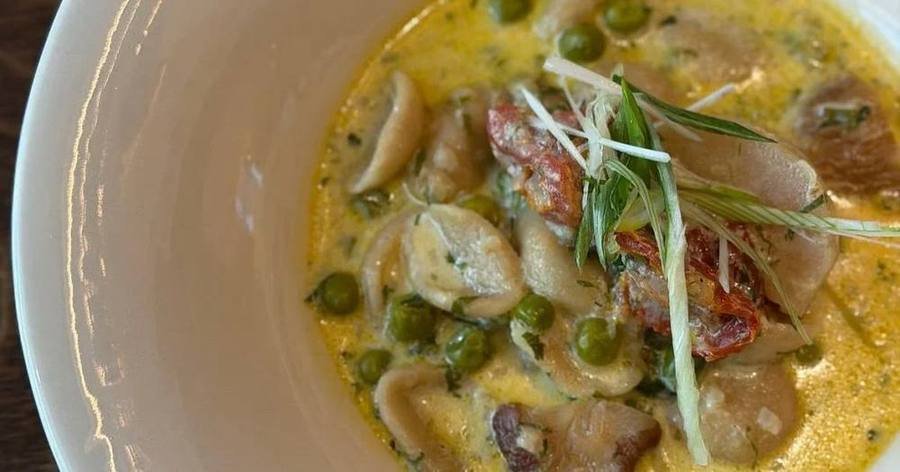
In Ladakh, Skyu is not just a menu entry; it is a clue to how the state cooks, celebrates and feeds people. A traditional one-pot stew of small hand-shaped wheat dough pieces cooked with root vegetables and sometimes meat in a milky or watery broth.
A detail worth knowing before the first bite: the thumb-pressed cap shape helps the dough cook evenly and hold broth. Keep that in mind as you read on, because Skyu rewards eaters who notice how Ladakh seasons, serves and shares its food.
Skyu at a Glance
| State / UT | Ladakh |
| Capital / base | Leh |
| What it is | A traditional one-pot stew of small hand-shaped wheat dough pieces cooked with root vegetables and sometimes meat in a milky or watery broth |
| Main ingredients | whole wheat flour dough, potato, carrot, turnip and other root vegetables, peas or beans when available, mutton in festive versions, milk in some home recipes and garlic and local spices |
| Taste | Earthy, mild and deeply comforting — root vegetables and wheat sweetness with gentle savoury depth, little chilli |
| Texture | Soft, dense dough caps with a satisfying chew, suspended in a thick, stew-like broth |
| Usually eaten | Ladled into bowls as a complete meal, eaten at home at midday or in the evening, sometimes with chutney or salad alongside |
| Occasion | Winter family meals and village cooking across Ladakh, especially in colder months and in farming villages |
The Story on Ladakh’s Table
Skyu is one of Ladakh's oldest home dishes, born of a short growing season and long winters when stored roots, dried peas and flour were what a family had. It is village food rather than restaurant food, traditionally cooked slowly over a household stove and shared as the main meal. That context is essential in Ladakh, where a plate can signal a harvest, a religious calendar, a market habit or the meeting of communities. Skyu belongs in this atlas under Ladakh because this is the setting in which its ingredients, accompaniments and meaning come together.
The state guide places Skyu alongside Thukpa, Momos and Tingmo. Start with the Ladakh travel and food guide if you are planning where this tasting fits into a route.
Taste, Texture and Ingredients
Expect earthy, mild and deeply comforting — root vegetables and wheat sweetness with gentle savoury depth, little chilli. Think soft, dense dough caps with a satisfying chew, suspended in a thick, stew-like broth.
The ingredient list is best read as a structure rather than a shopping list: whole wheat flour dough, potato, carrot, turnip and other root vegetables, peas or beans when available, mutton in festive versions, milk in some home recipes and garlic and local spices.
How Skyu Is Made
Dough is rolled into a rope, pinched into small pieces and pressed with the thumb into cap shapes. The pieces simmer with chopped roots and beans until tender, the starch thickening the broth; milk, if used, goes in near the end. The cooking rewards attention to sequence and balance rather than a long list of additions.
When Skyu is made for a gathering, that timing also becomes social — food reaches the table as part of a shared rhythm, not as an isolated plate.
When and How It Is Eaten
Ladled into bowls as a complete meal, eaten at home at midday or in the evening, sometimes with chutney or salad alongside. Its natural moment is winter family meals and village cooking across Ladakh, especially in colder months and in farming villages.
Ladakh’s broader food culture helps explain the serving style. The state is known for high altitude, monasteries and lakes, and its calendar includes Hemis Festival and Losar.
Where to Try It in Ladakh
You are most likely to find skyu in homestays and village kitchens in places like Alchi, Stok or the Sham valley — ask your host rather than a Leh cafe. For a traveller, setting matters almost as much as seasoning.
Skyu pairs naturally with time in Leh and Pangong Lake, and can sit just as comfortably beside a quieter excursion to Hanle or Lamayuru.
More Dishes of Ladakh
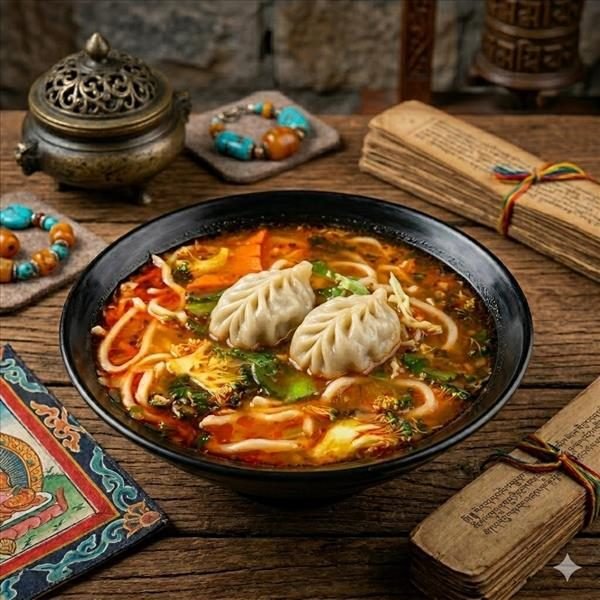
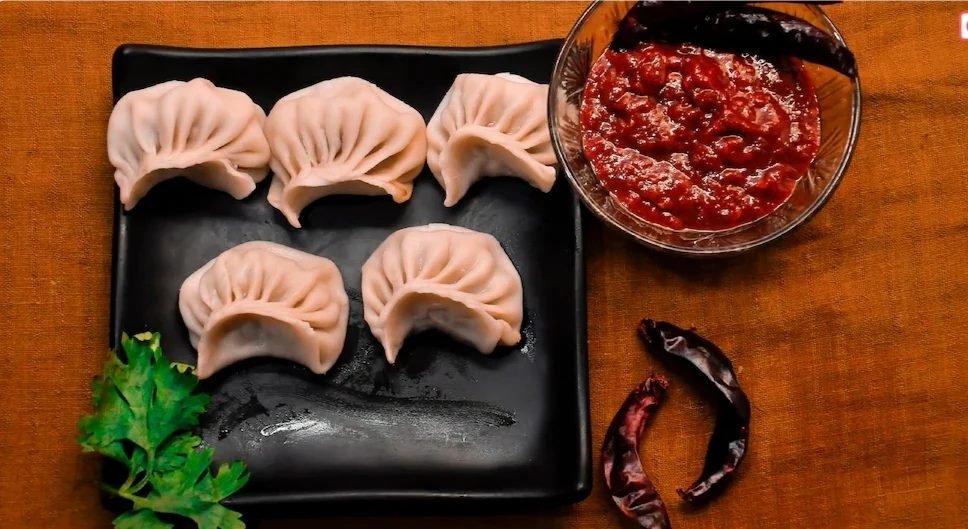
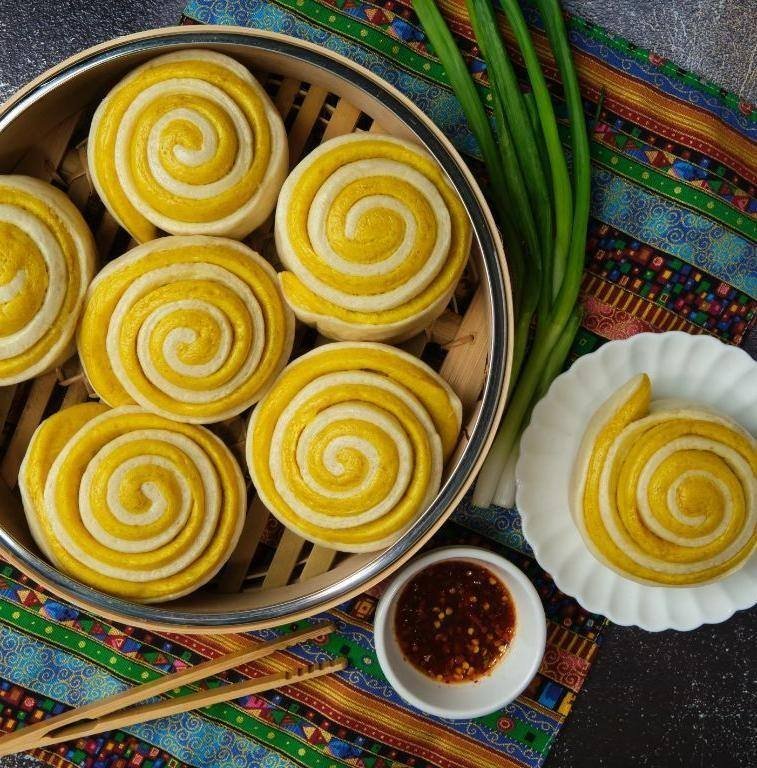
Continue through Ladakh’s other signature plates and drinks below — each has its own page, photograph and story.

Frequently Asked Questions
What is Skyu?
A traditional one-pot stew of small hand-shaped wheat dough pieces cooked with root vegetables and sometimes meat in a milky or watery broth. Expect earthy, mild and deeply comforting — root vegetables and wheat sweetness with gentle savoury depth, little chilli.
What are the main ingredients in Skyu?
The defining ingredients or components are whole wheat flour dough, potato, carrot, turnip and other root vegetables, peas or beans when available, mutton in festive versions, milk in some home recipes and garlic and local spices. Dough is rolled into a rope, pinched into small pieces and pressed with the thumb into cap shapes. The pieces simmer with chopped roots and beans until tender, the starch thickening the broth; milk, if used, goes in near the end.
What does Skyu taste like?
Expect earthy, mild and deeply comforting — root vegetables and wheat sweetness with gentle savoury depth, little chilli. Think soft, dense dough caps with a satisfying chew, suspended in a thick, stew-like broth. Serving pattern: Ladled into bowls as a complete meal, eaten at home at midday or in the evening, sometimes with chutney or salad alongside.
When is Skyu eaten in Ladakh?
Winter family meals and village cooking across Ladakh, especially in colder months and in farming villages. Because it uses stored winter produce, skyu is a genuine cold-season dish, though homestays may make it on request year-round.
Where can I try Skyu in Ladakh?
You are most likely to find skyu in homestays and village kitchens in places like Alchi, Stok or the Sham valley — ask your host rather than a Leh cafe. Pair a first tasting with Thukpa and Momos to see how Skyu sits within the wider Ladakh table.
Every Place. Every Flavour.
Skyu is one of 6 dishes and drinks profiled from Ladakh — and one of 213 regional dishes across all 36 states and union territories in this atlas.
Open the Ladakh guide Read the blog