
Food Atlas · Ladakh
Butter tea: Salty, buttery gur gur cha — fuel for the high mountains
By Beauty of Bharat — India travel guide, every place, every flavour.
Guides covering all 36 States and UTs, researched from official sources and checked at publish time. Corrections welcome — see About Beauty of Bharat.

Butter tea gives travellers one of the clearest tastes of Ladakh — specific in flavour, rooted in place and still part of living food culture. A savoury tea made by churning brewed tea with butter and salt, served warm in bowls or cups throughout the day.
A detail worth knowing before the first bite: the churn's gur-gur sound gives the tea its Ladakhi name. Keep that in mind as you read on, because Butter tea rewards eaters who notice how Ladakh seasons, serves and shares its food.
Butter tea at a Glance
| State / UT | Ladakh |
| Capital / base | Leh |
| What it is | A savoury tea made by churning brewed tea with butter and salt, served warm in bowls or cups throughout the day |
| Main ingredients | brick or loose black tea, yak or cow butter depending on availability, salt, water and sometimes a little milk |
| Taste | Salty, rich and faintly smoky from the tea — closer to a light soup than to sweet Indian chai, and an acquired taste for many visitors |
| Texture | Smooth and slightly thick from emulsified butter, with a warming, coating mouthfeel |
| Usually eaten | Poured into bowls or handle-less cups, refilled repeatedly during visits, work breaks and monastery gatherings |
| Occasion | Daily hospitality, winter warmth, monastery events and high-altitude work across Ladakh |
The Story on Ladakh’s Table
Butter tea, called gur gur cha in Ladakhi for the sound of its churn, came with Tibetan culture and is perfectly engineered for Ladakh: salt and fat against dehydration, cold and altitude. It is offered to every guest, poured at monasteries and drunk through the working day, and refusing a refill can take polite negotiation. That context is essential in Ladakh, where a plate can signal a harvest, a religious calendar, a market habit or the meeting of communities. Butter tea belongs in this atlas under Ladakh because this is the setting in which its ingredients, accompaniments and meaning come together.
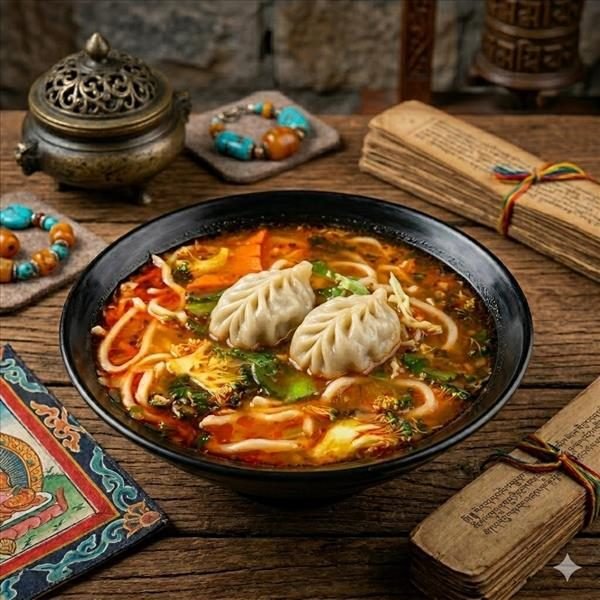
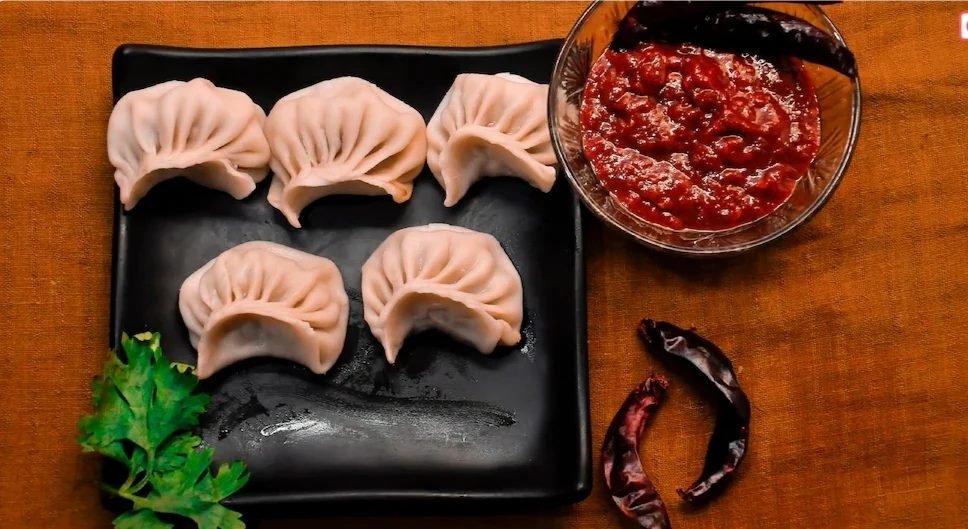
The state guide places Butter tea alongside Thukpa, Momos and Skyu. Start with the Ladakh travel and food guide if you are planning where this tasting fits into a route.
Taste, Texture and Ingredients
Expect salty, rich and faintly smoky from the tea — closer to a light soup than to sweet Indian chai, and an acquired taste for many visitors. Think smooth and slightly thick from emulsified butter, with a warming, coating mouthfeel.
The ingredient list is best read as a structure rather than a shopping list: brick or loose black tea, yak or cow butter depending on availability, salt, water and sometimes a little milk.
How Butter tea Is Made
Tea is boiled strongly, sometimes for a long time, then strained into a tall wooden churn with butter and salt. It is churned until fully emulsified and frothy, then kept warm and poured as needed; modern homes may use a blender. The method is part of the identity; shortcuts that change the texture usually change the dish itself.
When Butter tea is made for a gathering, that timing also becomes social — food reaches the table as part of a shared rhythm, not as an isolated plate.
When and How It Is Eaten
Poured into bowls or handle-less cups, refilled repeatedly during visits, work breaks and monastery gatherings. Its natural moment is daily hospitality, winter warmth, monastery events and high-altitude work across Ladakh.
Ladakh’s broader food culture helps explain the serving style. The state is known for high altitude, monasteries and lakes, and its calendar includes Hemis Festival and Losar.
Where to Try It in Ladakh
Try it in a Ladakhi home, homestay or monastery kitchen rather than a cafe version, and accept at least a small bowl when offered. For a traveller, setting matters almost as much as seasoning.
Butter tea pairs naturally with time in Leh and Pangong Lake, and can sit just as comfortably beside a quieter excursion to Hanle or Lamayuru.
More Dishes of Ladakh
Continue through Ladakh’s other signature plates and drinks below — each has its own page, photograph and story.
Frequently Asked Questions
What is Butter tea?
A savoury tea made by churning brewed tea with butter and salt, served warm in bowls or cups throughout the day. Expect salty, rich and faintly smoky from the tea — closer to a light soup than to sweet Indian chai, and an acquired taste for many visitors.
What are the main ingredients in Butter tea?
The defining ingredients or components are brick or loose black tea, yak or cow butter depending on availability, salt, water and sometimes a little milk. Tea is boiled strongly, sometimes for a long time, then strained into a tall wooden churn with butter and salt. It is churned until fully emulsified and frothy, then kept warm and poured as needed; modern homes may use a blender.
What does Butter tea taste like?
Expect salty, rich and faintly smoky from the tea — closer to a light soup than to sweet Indian chai, and an acquired taste for many visitors. Think smooth and slightly thick from emulsified butter, with a warming, coating mouthfeel. Serving pattern: Poured into bowls or handle-less cups, refilled repeatedly during visits, work breaks and monastery gatherings.
When is Butter tea eaten in Ladakh?
Daily hospitality, winter warmth, monastery events and high-altitude work across Ladakh. Cups are traditionally kept topped up — an empty cup may be read as a request for more.
Where can I try Butter tea in Ladakh?
Try it in a Ladakhi home, homestay or monastery kitchen rather than a cafe version, and accept at least a small bowl when offered. Pair a first tasting with Thukpa and Momos to see how Butter tea sits within the wider Ladakh table.
Every Place. Every Flavour.
Butter tea is one of 6 dishes and drinks profiled from Ladakh — and one of 213 regional dishes across all 36 states and union territories in this atlas.
Open the Ladakh guide Read the blog