
Food Atlas · Ladakh
Momos: Steamed dumplings with fiery Ladakhi chutney

By Beauty of Bharat — India travel guide, every place, every flavour.
Guides covering all 36 States and UTs, researched from official sources and checked at publish time. Corrections welcome — see About Beauty of Bharat.
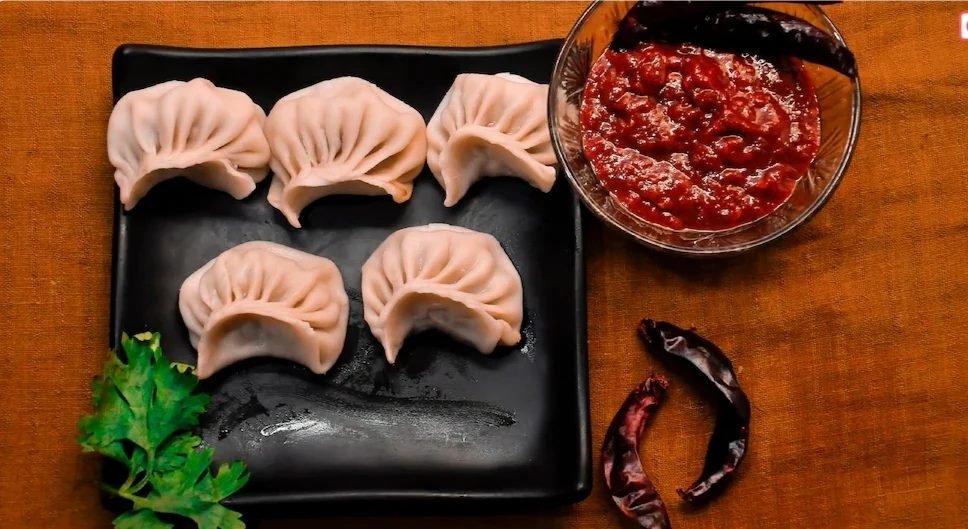
In Ladakh, Momos is not just a menu entry; it is a clue to how the state cooks, celebrates and feeds people. Small wheat-flour dumplings with vegetable, mutton or chicken fillings, steamed and served with a hot chilli chutney.
A detail worth knowing before the first bite: vegetable momos in Ladakh often use cabbage, carrot and local greens suited to the short growing season. Keep that in mind as you read on, because Momos rewards eaters who notice how Ladakh seasons, serves and shares its food.
Momos at a Glance
| State / UT | Ladakh |
| Capital / base | Leh |
| What it is | Small wheat-flour dumplings with vegetable, mutton or chicken fillings, steamed and served with a hot chilli chutney |
| Main ingredients | refined or wheat flour dough, minced mutton, chicken or mixed vegetables, onion and garlic, ginger, dried red chillies for chutney and tomato or sesame in some chutneys |
| Taste | Mild, juicy filling against an assertively hot, garlicky chutney — the contrast is the Ladakhi plate's whole point |
| Texture | Thin, tender steamed skins around moist filling; fried kothey-style versions add a crisp base |
| Usually eaten | Served by the plate, steamed or half-fried, with chutney and sometimes a clear soup, as a snack or light meal |
| Occasion | Evening snacks in Leh bazaar, cafe meals for travellers, and gatherings where large batches are steamed together |
The Story on Ladakh’s Table
Momos reached Ladakh from Tibet and Nepal along trade and migration routes and became Leh's favourite snack, sold from market stalls to trekking-town cafes. Ladakhi fillings lean on local mutton and hardy vegetables, and the chutney is often made fiercer than in the plains to suit cold-weather appetites. That context is essential in Ladakh, where a plate can signal a harvest, a religious calendar, a market habit or the meeting of communities. Momos belongs in this atlas under Ladakh because this is the setting in which its ingredients, accompaniments and meaning come together.
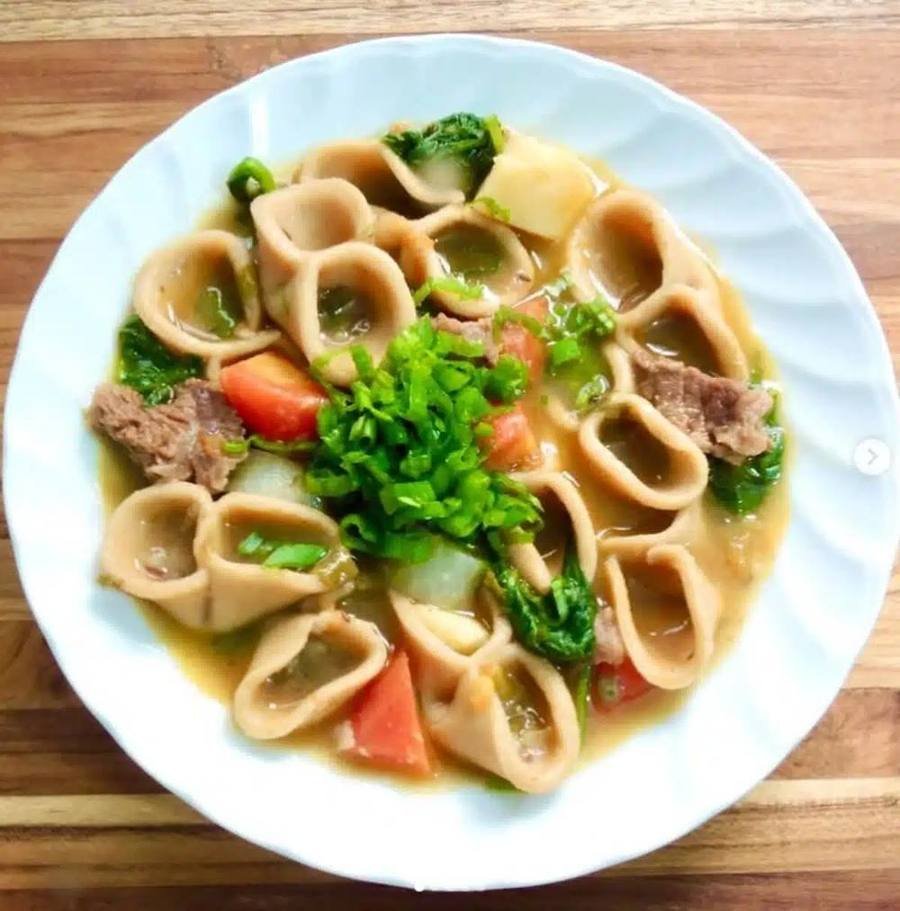
The state guide places Momos alongside Thukpa, Skyu and Tingmo. Start with the Ladakh travel and food guide if you are planning where this tasting fits into a route.
Taste, Texture and Ingredients
Expect mild, juicy filling against an assertively hot, garlicky chutney — the contrast is the Ladakhi plate's whole point. Think thin, tender steamed skins around moist filling; fried kothey-style versions add a crisp base.
The ingredient list is best read as a structure rather than a shopping list: refined or wheat flour dough, minced mutton, chicken or mixed vegetables, onion and garlic, ginger, dried red chillies for chutney and tomato or sesame in some chutneys.
How Momos Is Made
Dough is rolled into small circles, filled, pleated shut and steamed in stacked trays until the skins turn translucent and the filling cooks through. Chutney is ground separately from soaked chillies, garlic and salt, sometimes loosened with tomato. The cooking rewards attention to sequence and balance rather than a long list of additions.
When Momos is made for a gathering, that timing also becomes social — food reaches the table as part of a shared rhythm, not as an isolated plate.
When and How It Is Eaten
Served by the plate, steamed or half-fried, with chutney and sometimes a clear soup, as a snack or light meal. Its natural moment is evening snacks in Leh bazaar, cafe meals for travellers, and gatherings where large batches are steamed together.
Ladakh’s broader food culture helps explain the serving style. The state is known for high altitude, monasteries and lakes, and its calendar includes Hemis Festival and Losar.
Where to Try It in Ladakh
Find them in Leh Main Bazaar and Changspa's eateries; in winter, a steaming plate at a small local stall is the classic experience. For a traveller, setting matters almost as much as seasoning.
Momos pairs naturally with time in Leh and Pangong Lake, and can sit just as comfortably beside a quieter excursion to Hanle or Lamayuru.
More Dishes of Ladakh
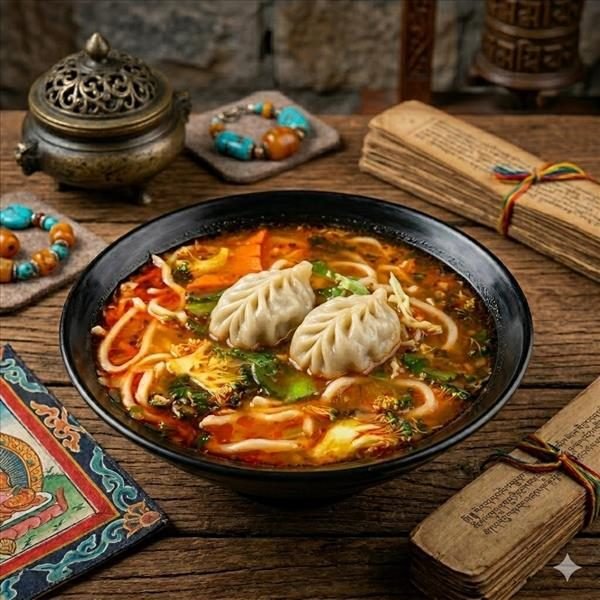
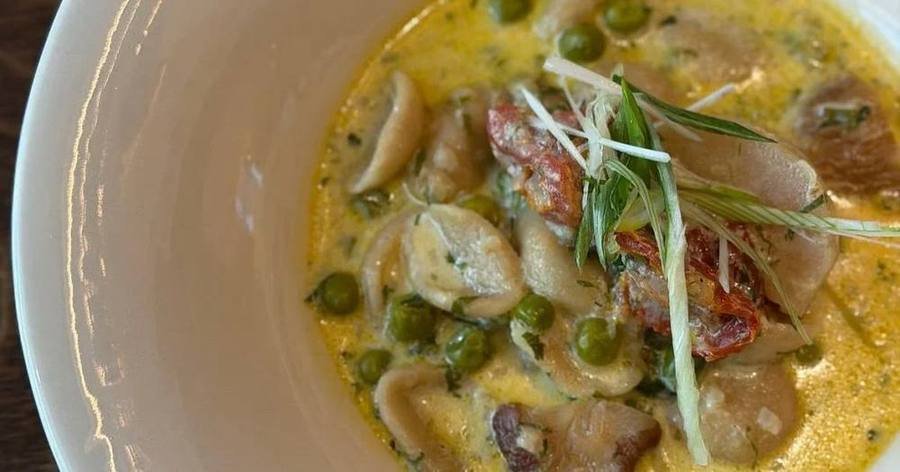
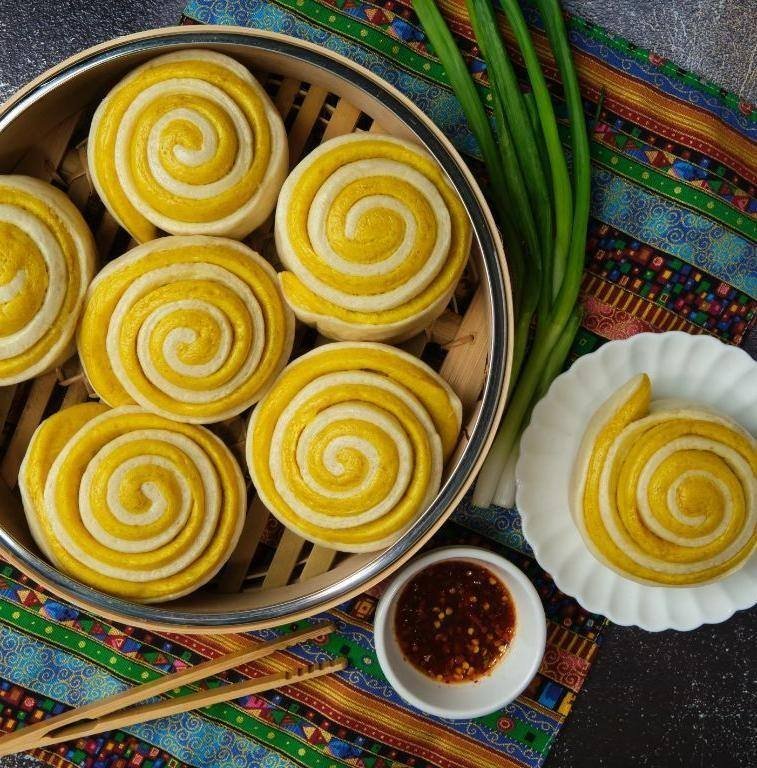
Continue through Ladakh’s other signature plates and drinks below — each has its own page, photograph and story.

Frequently Asked Questions
What is Momos?
Small wheat-flour dumplings with vegetable, mutton or chicken fillings, steamed and served with a hot chilli chutney. Expect mild, juicy filling against an assertively hot, garlicky chutney — the contrast is the Ladakhi plate's whole point.
What are the main ingredients in Momos?
The defining ingredients or components are refined or wheat flour dough, minced mutton, chicken or mixed vegetables, onion and garlic, ginger, dried red chillies for chutney and tomato or sesame in some chutneys. Dough is rolled into small circles, filled, pleated shut and steamed in stacked trays until the skins turn translucent and the filling cooks through. Chutney is ground separately from soaked chillies, garlic and salt, sometimes loosened with tomato.
What does Momos taste like?
Expect mild, juicy filling against an assertively hot, garlicky chutney — the contrast is the Ladakhi plate's whole point. Think thin, tender steamed skins around moist filling; fried kothey-style versions add a crisp base. Serving pattern: Served by the plate, steamed or half-fried, with chutney and sometimes a clear soup, as a snack or light meal.
When is Momos eaten in Ladakh?
Evening snacks in Leh bazaar, cafe meals for travellers, and gatherings where large batches are steamed together. Ask for chutney on the side if you are unsure about heat; Ladakhi chutney can be very hot.
Where can I try Momos in Ladakh?
Find them in Leh Main Bazaar and Changspa's eateries; in winter, a steaming plate at a small local stall is the classic experience. Pair a first tasting with Thukpa and Skyu to see how Momos sits within the wider Ladakh table.
Every Place. Every Flavour.
Momos is one of 6 dishes and drinks profiled from Ladakh — and one of 213 regional dishes across all 36 states and union territories in this atlas.
Open the Ladakh guide Read the blog