
Ladakh · Food & Culture
Famous Food of Ladakh: 12 Dishes to Try

By Beauty of Bharat — India travel guide, every place, every flavour.
Guides covering all 36 States and UTs, researched from official sources and checked at publish time. Corrections welcome — see About Beauty of Bharat.
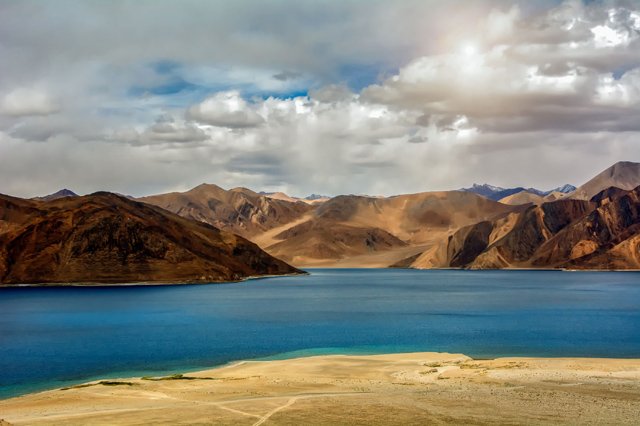
There is a cuisine in India that cooks without turmeric, without red chilli powder and without garam masala. In Ladakh, the old kitchen seasons with black pepper and a small yellow Himalayan chilli called thangnyer — turmeric was medicine here, not food. That one fact tells you most of what you need to know about eating in Ladakh: this is not a cuisine built on spice, but on barley, butter and broth at 3,500 metres. The short answer to what to eat: start with thukpa and momos, then eat your way to the food only Ladakh makes — skyu, chhutagi, khambir and paba with tangthur — and finish with salty butter tea and dried apricots. For the journey itself, see our how to reach Leh Ladakh guide.
What Is the Food of Ladakh?
Ladakhi food is the food of a high, dry desert with a short growing season. Barley thrives where little else does, so roasted barley flour — tsampa, called ngampe in Ladakhi — has been the staple for centuries, joined by wheat, buckwheat, root vegetables and yak dairy. The cooking is Tibetan in its bones — momos, thukpa and tigmo all arrived from across the Himalaya and are now everyday food in Leh — with Central Asian touches from the old Silk Route trade. Two dishes are strictly Ladakhi, made almost nowhere else: skyu and chhutagi, both hand-shaped wheat pasta cooked in broth. Everything is built to warm you: soups, stews, breads and hot drinks.
What to Eat in Ladakh
The twelve dishes below run from the famous to the rarely found. The first three are on nearly every menu in Leh; the last four — chang, apricot products, paba and tangthur — are the ones to ask for, because kitchens do not always list them.
| Dish | What it is | Try it |
| Momos | Steamed dumplings, veg or mutton | Everywhere in Leh |
| Thukpa | Noodle soup, clear broth | First cold evening |
| Skyu | Thumb-pressed pasta in stew | Winter, homestays |
| Chhutagi | Bow-shaped pasta in broth | Harvest-style kitchens |
| Tigmo | Soft steamed bun, no filling | With shapta or dal |
| Khambir | Fermented whole-wheat bread | Breakfast, with butter tea |
| Butter tea | Salty tea churned with butter | Homes and monasteries |
| Chang | Barley beer, mildly alcoholic | Festivals and homes |
| Apricot products | Dried apricots, jam, juice, oil | Markets and villages |
| Yak cheese | Hard dried chhurpi | As a snack, all winter |
| Paba | Roasted barley-flour dough | Traditional homes |
| Tangthur | Buttermilk soup, wild greens | With paba |
Dish names vary by spelling — chhutagi is also written chutagi, tigmo as tingmo, tangthur as tangtur. Menus in Leh use them interchangeably.
1. Momos
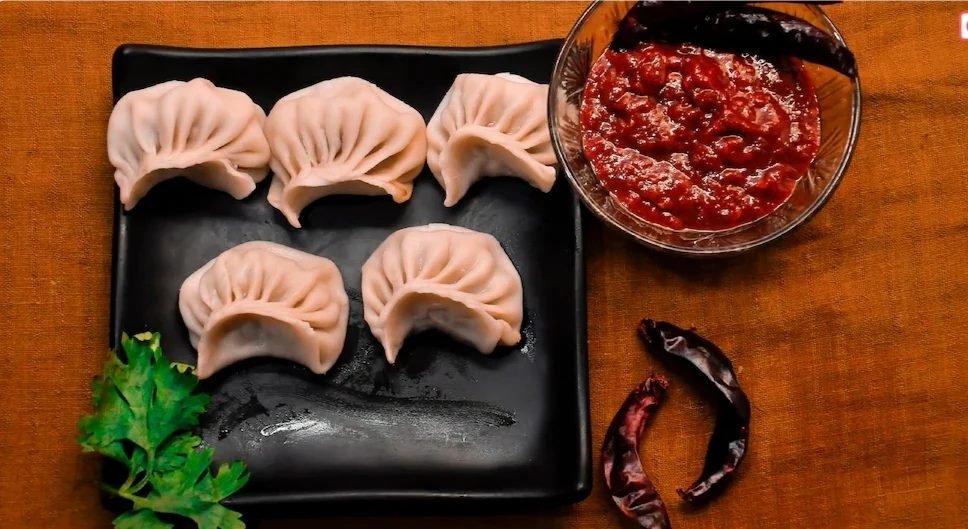
The most famous food of Ladakh is also the simplest: steamed dumplings of thin wheat dough, filled with cabbage and carrot, minced chicken or mutton, and sometimes yak cheese. Momos came from Tibet and are now inseparable from eating in Ladakh — on every menu in Leh and sold from street stalls. Eat them hot from the steamer, with the red garlic-tomato chutney and the bowl of clear soup that usually comes alongside. Mutton momos are the local favourite.
2. Thukpa
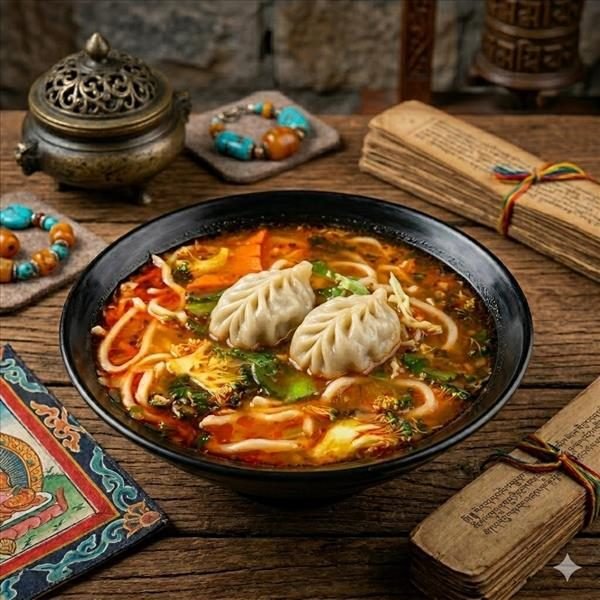
Thukpa is the staple noodle soup of Ladakh, believed to have originated in eastern Tibet. Handmade noodles go into a clear, lightly seasoned broth with vegetables or meat — chicken, mutton or minced yak — and the result is the bowl every traveller reaches for on a cold night. Thukpa is less one dish than a whole family: Ladakhi cooks count some 25 to 30 kinds, using wheat or buckwheat noodles, dumplings, barley flour, rice or plain vegetables. The version with momos dunked into the soup has its own name, mokthuk. Order a vegetable thukpa on your first day.
3. Skyu
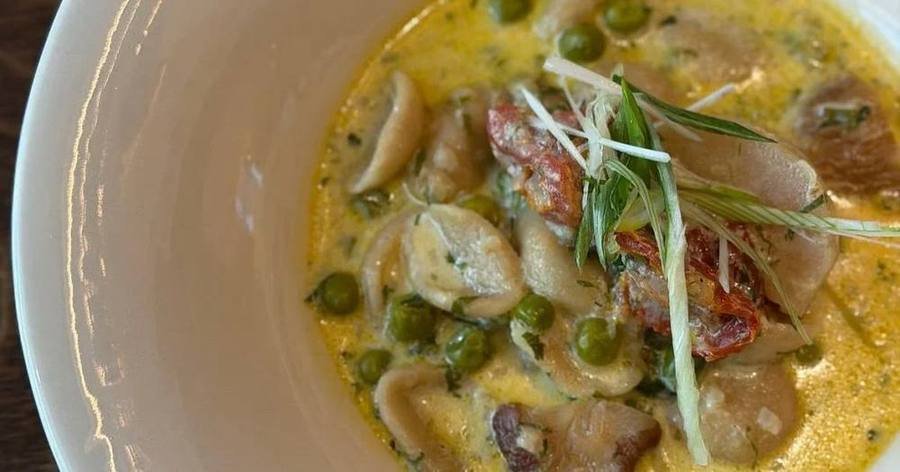
Skyu is the dish that proves Ladakhi food is more than momos and noodles. Small pieces of wheat or barley dough are pinched by thumb into little ear shapes, then slow-cooked in a thick broth with root vegetables — carrots, turnips, potatoes — and sometimes mutton. It is a winter speciality, made to be eaten hot on freezing nights, and one of the most genuinely Ladakhi dishes you will find: guides call it a staple made nearly every other day in Ladakhi homes. With milk added it becomes oma-skyu, oma meaning milk. Skyu is harder to find on menus than thukpa, so ask for it in homestays.
4. Chhutagi
Chhutagi means “water bread” — chu is water and tagi is bread in Ladakhi — and it is the dish that surprises first-time visitors most. Flattened wholewheat dough is cut into circles, pinched into bow-tie shapes and cooked in a thick soup of meat or vegetables, with spinach, potatoes and carrots. It is the other strictly Ladakhi pasta soup, alongside skyu, and was traditionally cooked at harvest time, when field labourers needed a meal that would keep them going through a long day. Today it is a speciality of the kitchens that cook old Ladakhi food properly.
5. Tigmo (Tingmo)
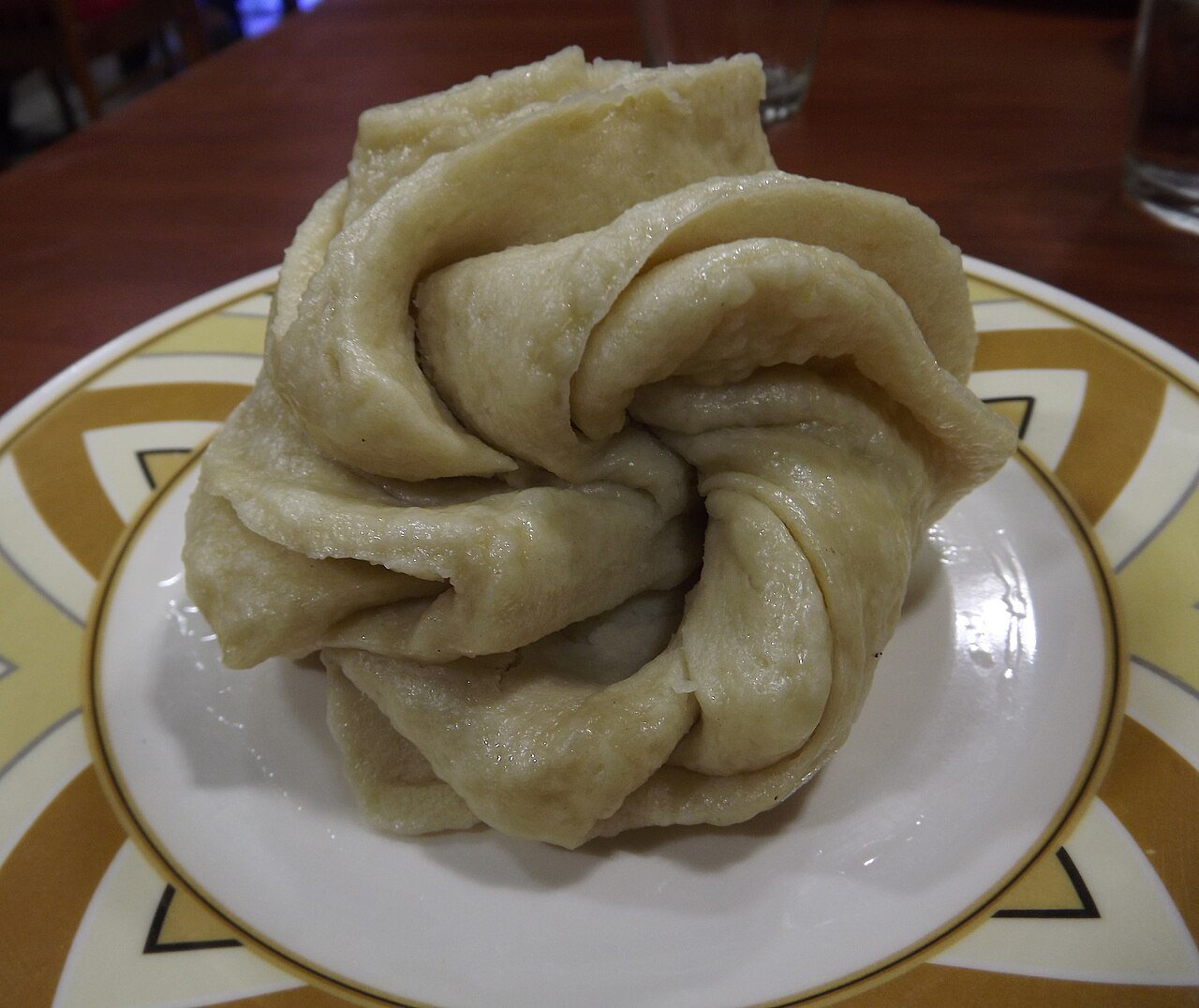
Tigmo is a soft, fluffy steamed bun with no filling at all — the dough is kneaded, folded and twisted by hand into a rose shape, then steamed in a mokto. It is a staple eaten at breakfast, lunch and dinner, and it is never really a dish on its own: it is the bread you tear apart to eat with something else. The classic pairing is shapta, a stir-fried mutton dish, but it is just as good with dal, sautéed vegetables or a hot curry. Tigmo came from Tibet, but it is now so established in Ladakh that no meal feels complete without it.
6. Khambir
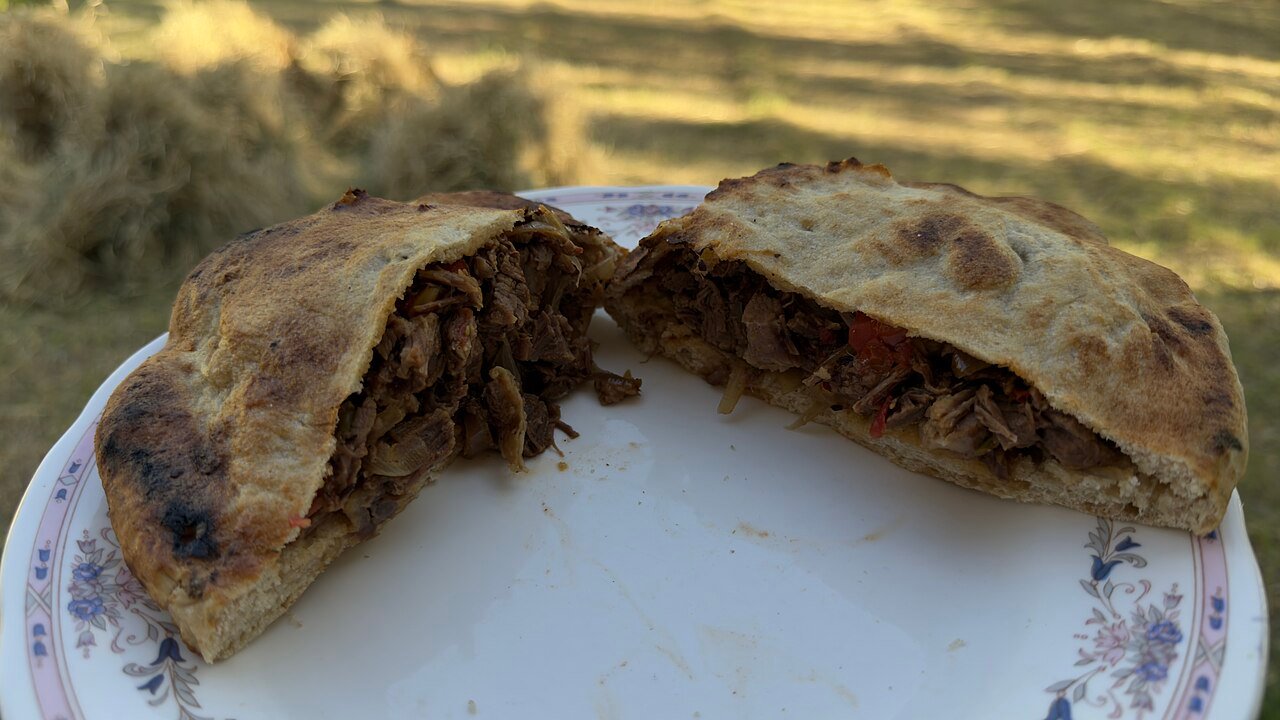
Khambir is Ladakh’s everyday bread: a thick, round whole-wheat loaf made from fermented dough, baked first on a hot stone and then over live fire, so it comes out with a browned, slightly charred crust and a soft, pita-like pocket inside. It is also called tagi, and it is the breakfast bread of the region — torn open while still hot and stuffed with an omelette, or spread with butter and apricot jam, and always with a cup of butter tea. Stuffed khambir, filled with meat or vegetables, is a meal in itself. It keeps well, which is why trekkers have long carried it into the mountains.
7. Butter Tea (Gur Gur Chai)
Butter tea, called gur gur chai in Ladakh, is the drink that divides every visitor: people either love it on the first sip or need three cups to understand it. Tea leaves are brewed strong, then churned with butter — traditionally yak butter — and salt, until the tea turns creamy and savoury rather than sweet. It is served in homes and monasteries, with khambir at breakfast and to every guest who walks in, and at altitude it does real work: salt, fat and warmth in one cup. Sip it slowly, and accept the second cup when offered.

8. Chang
Chang is Ladakh’s traditional beer, brewed from fermented barley and served in a wooden bowl or cup. It is mildly alcoholic — roughly 5 to 7 percent — cloudy, slightly sour and nothing like bottled beer. Chang belongs to festivals, weddings and village gatherings rather than to restaurant menus, so it is the hardest drink on this list to find as a casual visitor; your best chance is a homestay, a festival, or a local celebration. Barley is the crop that grows at this altitude, so it becomes bread, flour, porridge and beer in turn.
9. Apricot Products
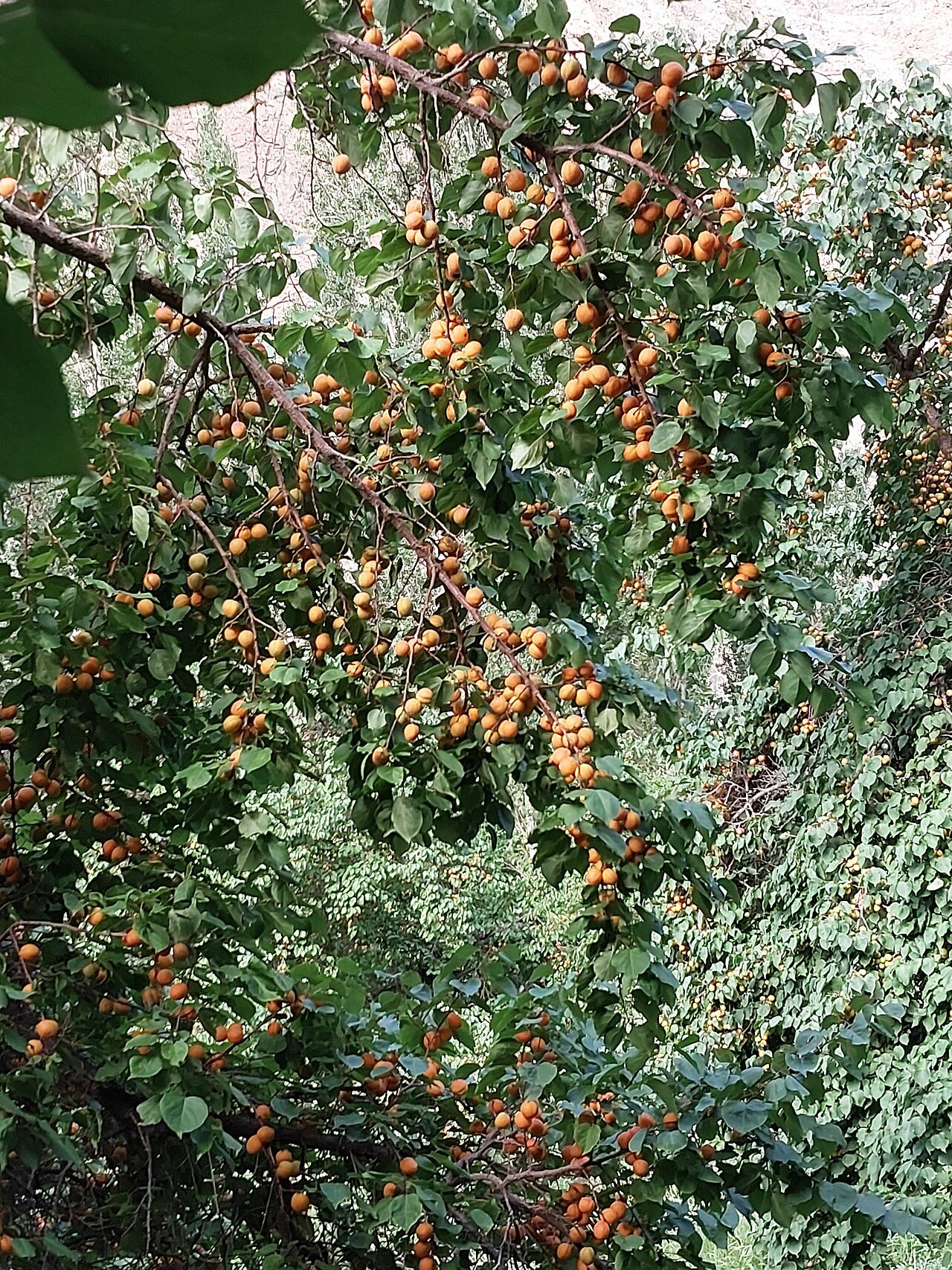
Ladakh never really had a tradition of dessert. What it has instead is the apricot: after a meal, people ate soaked apricots, and dried apricots were the snack carried into the fields. Ladakh’s apricots — Kargil alone is known for its orchards — are small, sweet and intensely flavoured, and today they reach visitors as dried apricots, apricot jam, apricot juice and cold-pressed apricot kernel oil. The jam, spread on hot khambir at breakfast, is the closest thing Ladakh has to a signature sweet. Buy dried apricots in Leh’s markets to take home.
10. Yak Cheese (Chhurpi)
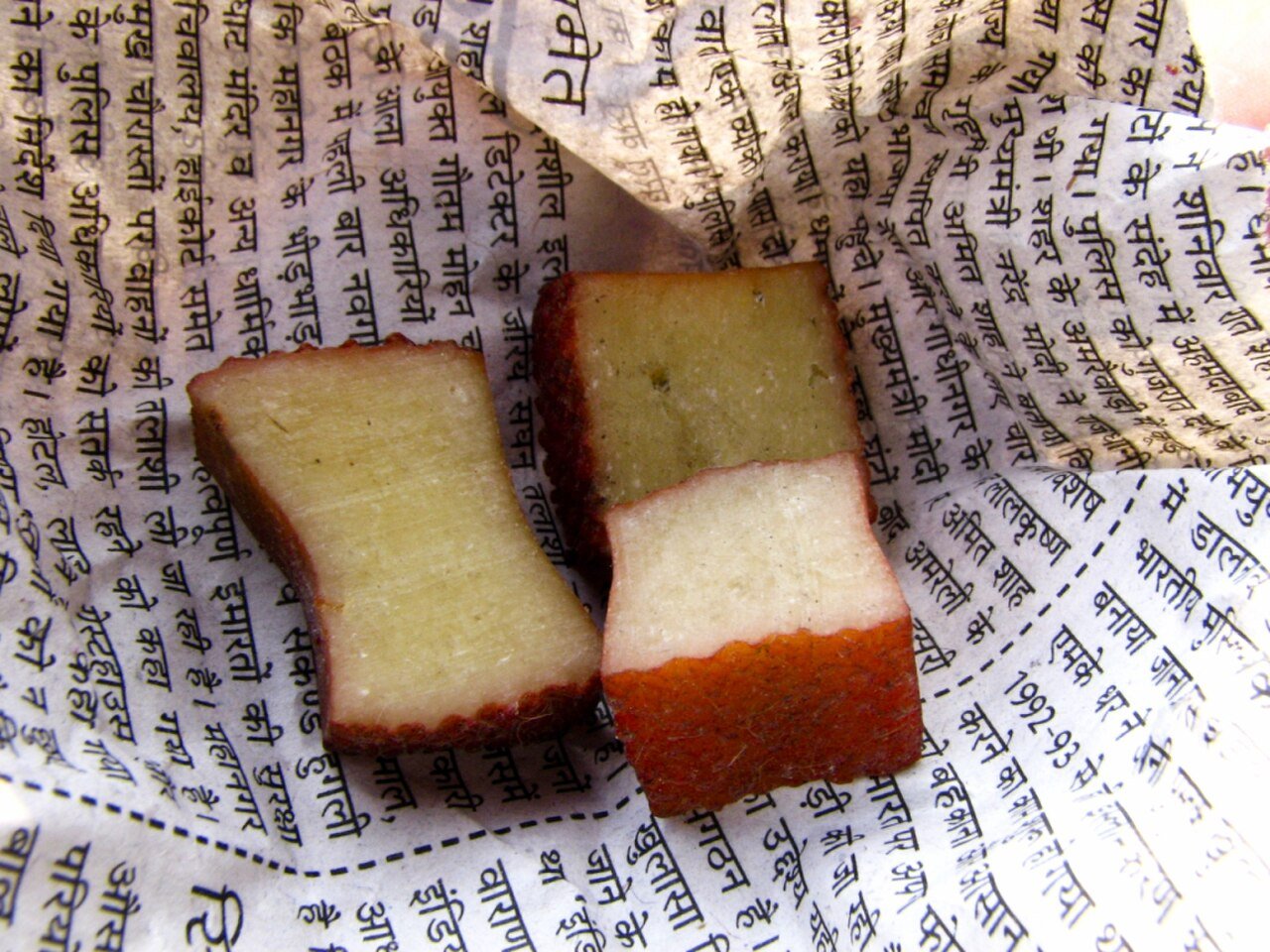
Chhurpi is the cheese of the high Himalaya: milk from yak or dzomo, the yak-cow cross, is curdled, pressed and dried until it turns hard enough to chew like a sweet. It is not a melting cheese and it is not meant to be eaten in one bite — you keep a piece in your mouth and let it soften slowly, which is why it keeps through the long Ladakhi winter. Soft chhurpi goes into soups and stews; the hard, smoked kind is the traveller’s snack. It is an acquired taste, like butter tea — a piece of chhurpi and a cup of gur gur chai is the most Ladakhi snack there is.
11. Paba
Paba is the oldest food on this list and the least seen by visitors. It is a dense dough made from roasted barley flour — the same tsampa that has been the staple of the high Himalaya for centuries — mixed with water and kneaded into a firm, filling mass. Paba was once the everyday staple of Ladakhi homes, the food that kept people working through the short summers and the long winters, and it is still eaten in traditional households, particularly in the villages. You will rarely find it on a restaurant menu in Leh. If a homestay offers it, say yes.
12. Tangthur
Tangthur is the reason paba works. It is a tangy soup made from buttermilk, cooked with wild vegetables and greens, and it is served alongside paba so the dense barley dough has something warm and sour to go with it. The combination — paba with tangthur — is the classic expression of Ladakh’s agrarian food: barley from the fields, buttermilk from the household’s animals, greens gathered from the hillsides. Like paba, it is home food, not restaurant food — ask for it in a village homestay. Together, the two dishes are the most traditional meal in Ladakh.
What to Eat in Leh Ladakh
Base yourself in Leh and eat your way outwards. Start with the easy dishes — momos and vegetable thukpa — on your first day, while your body adjusts to the altitude, and keep meals light and warm for the first 24 hours. Then work through the list: skyu and chhutagi in the smaller kitchens and homestays, khambir and butter tea for breakfast, tigmo with shapta when you want something filling. Vegetarians eat well here — most of these twelve dishes have a vegetable version. The food to seek out is the food cooked in homes and homestays: a short menu that lists skyu, chhutagi or paba is usually the honest one. See our Leh guide, and plan day trips to Pangong Lake and Nubra Valley around it.
Watch: Ladakhi Food on Film
Videos are by their respective creators.
Famous Food of Ladakh FAQs
What is the famous food of Ladakh?
Momos and thukpa are the most famous foods of Ladakh — steamed dumplings and a noodle soup that every visitor meets first. Beyond them, the dishes that are most distinctly Ladakhi are skyu, chhutagi, khambir, paba with tangthur, butter tea and dried apricots. Our famous food of Jammu and Kashmir guide covers the neighbouring table across the Zoji La.
What is the staple food of Ladakh?
Barley is the staple of Ladakh. Roasted barley flour, called tsampa or ngampe, is made into paba and other doughs, and barley also gives the region khambir bread, thukpa noodles and chang beer. Wheat dishes such as skyu, chhutagi and momos, plus yak dairy, complete the everyday diet.
What do people eat in Ladakh?
People in Ladakh eat barley and wheat dishes — paba, khambir, skyu, chhutagi — with noodle soups such as thukpa, steamed momos and tigmo, and dairy in the form of butter tea and chhurpi cheese. Meat, usually mutton or chicken, appears in momos, thukpa and shapta, while root vegetables and dried apricots round out the table.
What is butter tea made of?
Butter tea, or gur gur chai, is made by brewing tea leaves strong and churning the brew with butter — traditionally yak butter — and salt. It is savoury, not sweet, and is served in homes and monasteries, usually with khambir bread.
Is chang alcoholic?
Yes. Chang is a traditional barley beer and is mildly alcoholic, at roughly 5 to 7 percent alcohol. It is brewed at home and served at festivals, weddings and village gatherings rather than in restaurants, so visitors usually meet it through a homestay or a local celebration.
Twelve dishes, one high desert: dumplings and noodle soup for the first night, barley bread and butter tea for the mornings, and skyu, chhutagi, paba and tangthur for the meals you will remember. Eat the famous dishes first, then ask for the old ones — that is where Ladakh’s food really lives. Next, read our Ladakh state guide and plan the trip around the table.
Plan your Ladakh trip
Twelve dishes from momos to paba with tangthur — start in Leh, eat your way through the list, and let the homestay kitchens show you the rest.
Ladakh state guide →