
Goa · Markets & Shopping
Best Shopping Markets in Goa: Where to Shop & What to Buy

By Beauty of Bharat — India travel guide, every place, every flavour.
Guides covering all 36 States and UTs, researched from official sources and checked at publish time. Corrections welcome — see About Beauty of Bharat.
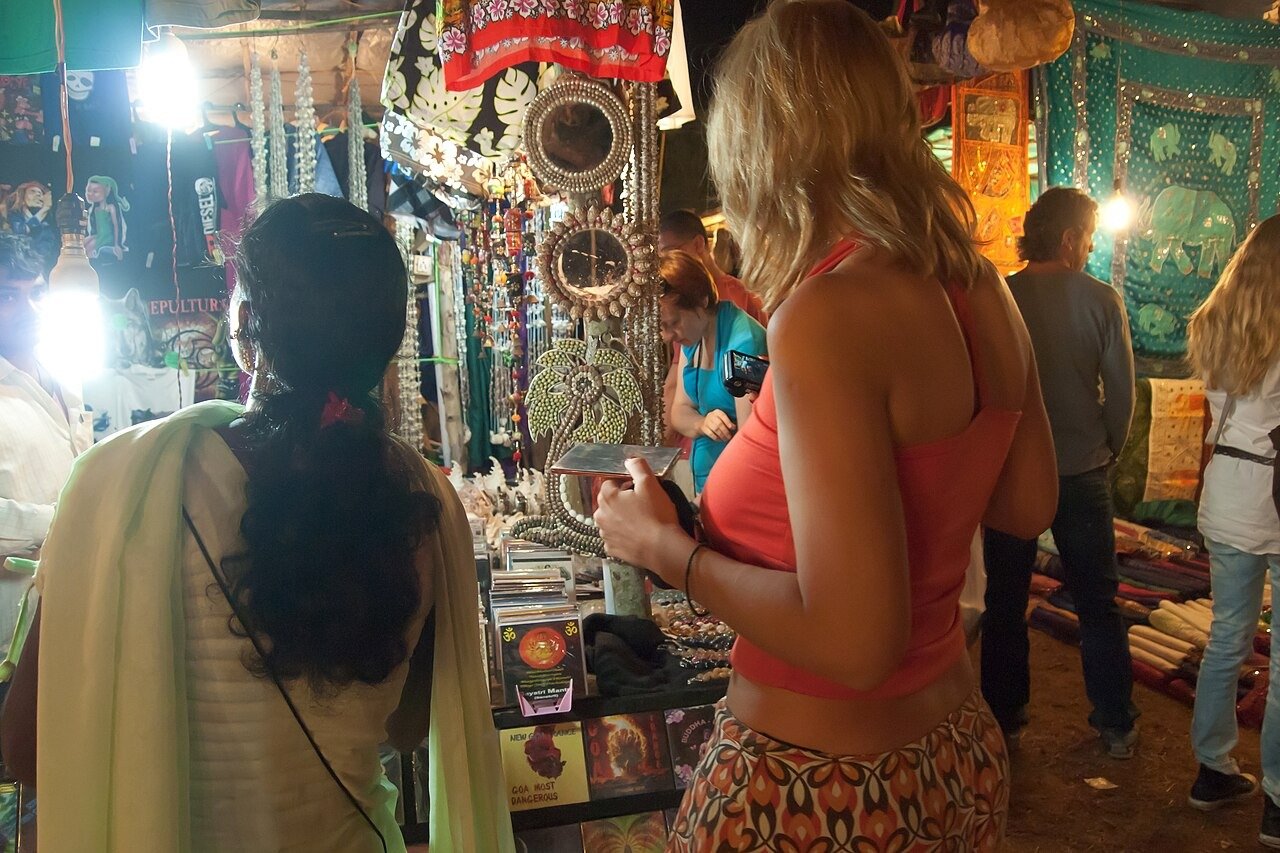
Goa’s most famous market began with travellers selling their own belongings on the sand. Some fifty years ago, backpackers at Anjuna started bartering their rucksacks’ contents to fund a few more weeks by the sea, and the Wednesday gathering that grew out of it is now the flea market every Goa shopping list starts with. The short answer: plan your week around three days — Wednesday for Anjuna, Friday for Mapusa, Saturday night for Arpora — then fill the gaps with Panaji, Calangute and Baga, and South Goa. December is the month all of them are at their busiest. See our Goa state guide for the beaches to pair with the shopping.
The Best Shopping Markets in Goa at a Glance
| Market | Best for | Day / rough hours |
| Anjuna Flea Market | Boho fashion, silver jewellery, souvenirs | Wednesdays, about 9 am–6 pm |
| Mapusa Friday Market | Spices, chorizo, feni, Goan produce | Fridays, about 7 am–8 pm |
| Arpora Saturday Night Market | Night shopping, live music, food stalls | Saturdays, about 4–11 pm |
| Panaji Municipal Market | Spices, cashews, sweets, everyday goods | Daily, about 9 am–8:30 pm |
| Calangute Market Square | Beachwear, souvenirs, Kashmiri shawls | Daily |
| Baga beach stalls & Mackie’s Night Bazaar | Beach shopping, Saturday night bazaar | Daily; Saturdays from the evening |
| Colva Beach Market | Bags, jewellery, leather, beachwear | Daily |
| Margao Municipal Market | South Goa spices, fish, produce | Daily |
| Fontainhas shops | Boutiques, art, home decor | Daily |
Hours are ranges only: published timings disagree, and the weekly and night markets run in season only (roughly October to April), so check before you go.
Anjuna Flea Market: Goa’s Most Famous Wednesday Market
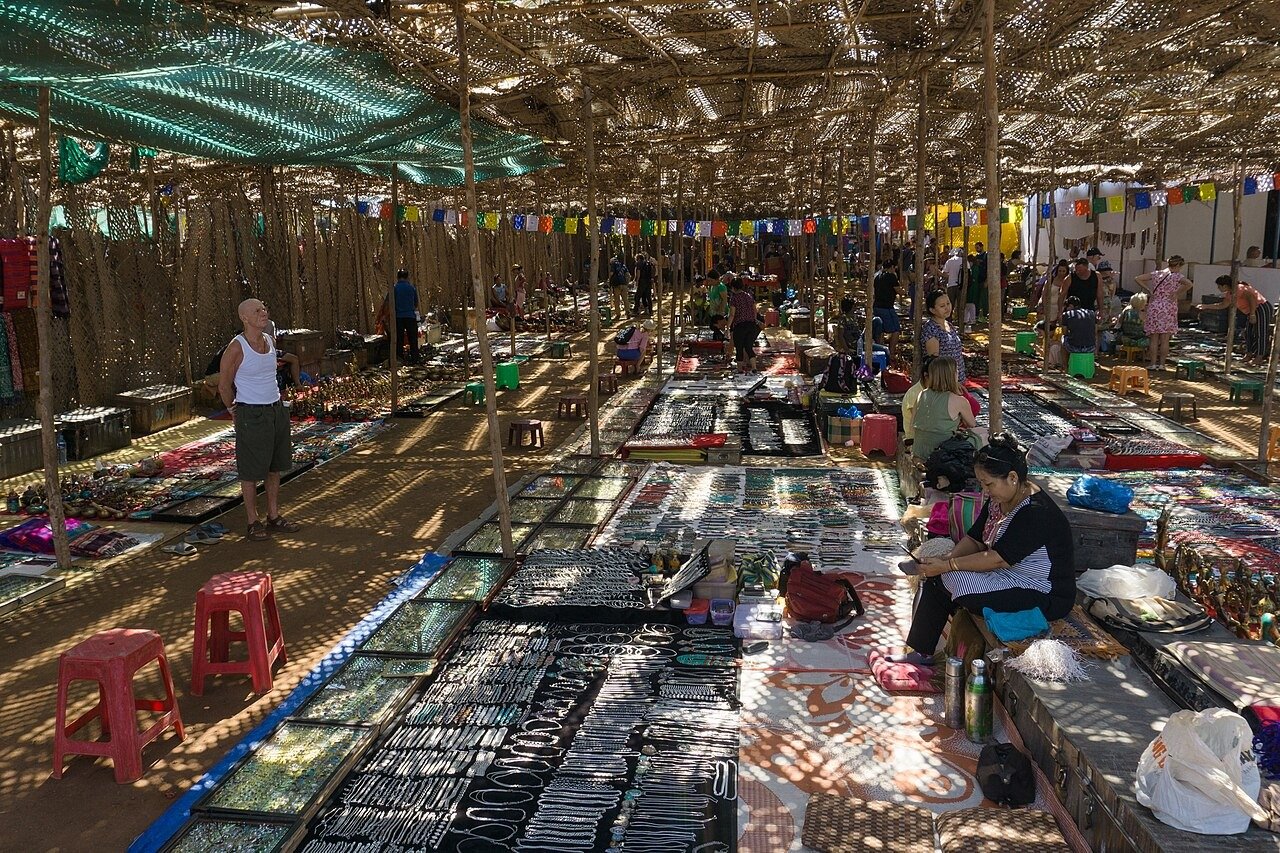
Held every Wednesday at the south end of Anjuna Beach, about 21 kilometres from Panaji, the flea market runs through the tourist season, roughly October to April. Most guides put its hours at about 9 am to 6 pm, though Goa Tourism’s own guide says about 10 am to 4 pm — treat the hours as a range and check before you go. The stalls map the travelling world: Gujarati and Rajasthani textile traders, Tibetan artisans, Kashmiri goods and European designers side by side, with boho dresses and kaftans, silver jewellery, handmade bags, home decor, old vinyl records and musical instruments. Arrive before noon for the best selection, walk the whole market before buying — many stalls sell the same things — and bargain: it is expected here. See our Anjuna guide for the beach and village.
Mapusa Friday Market: Where Goans Actually Shop
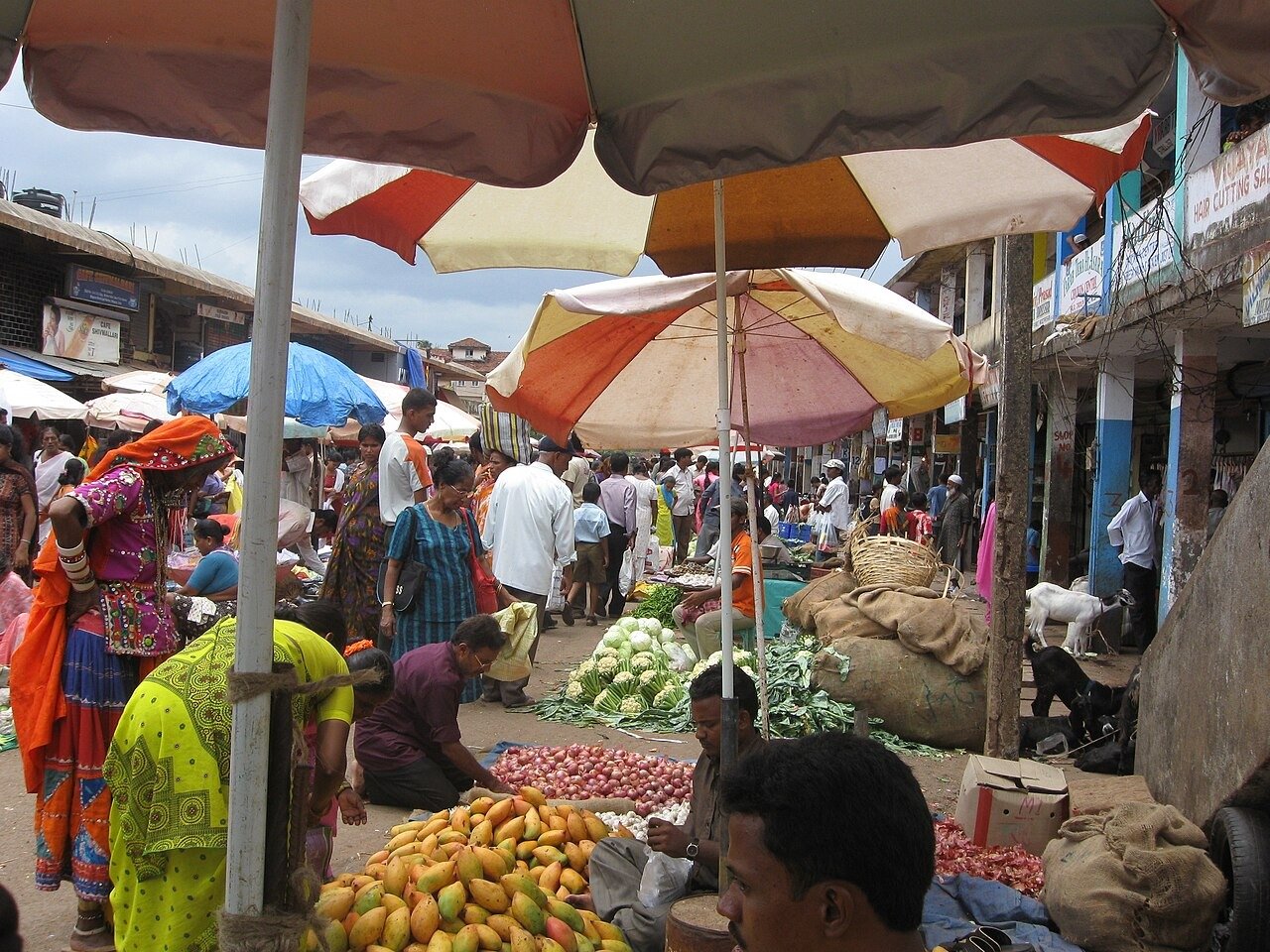
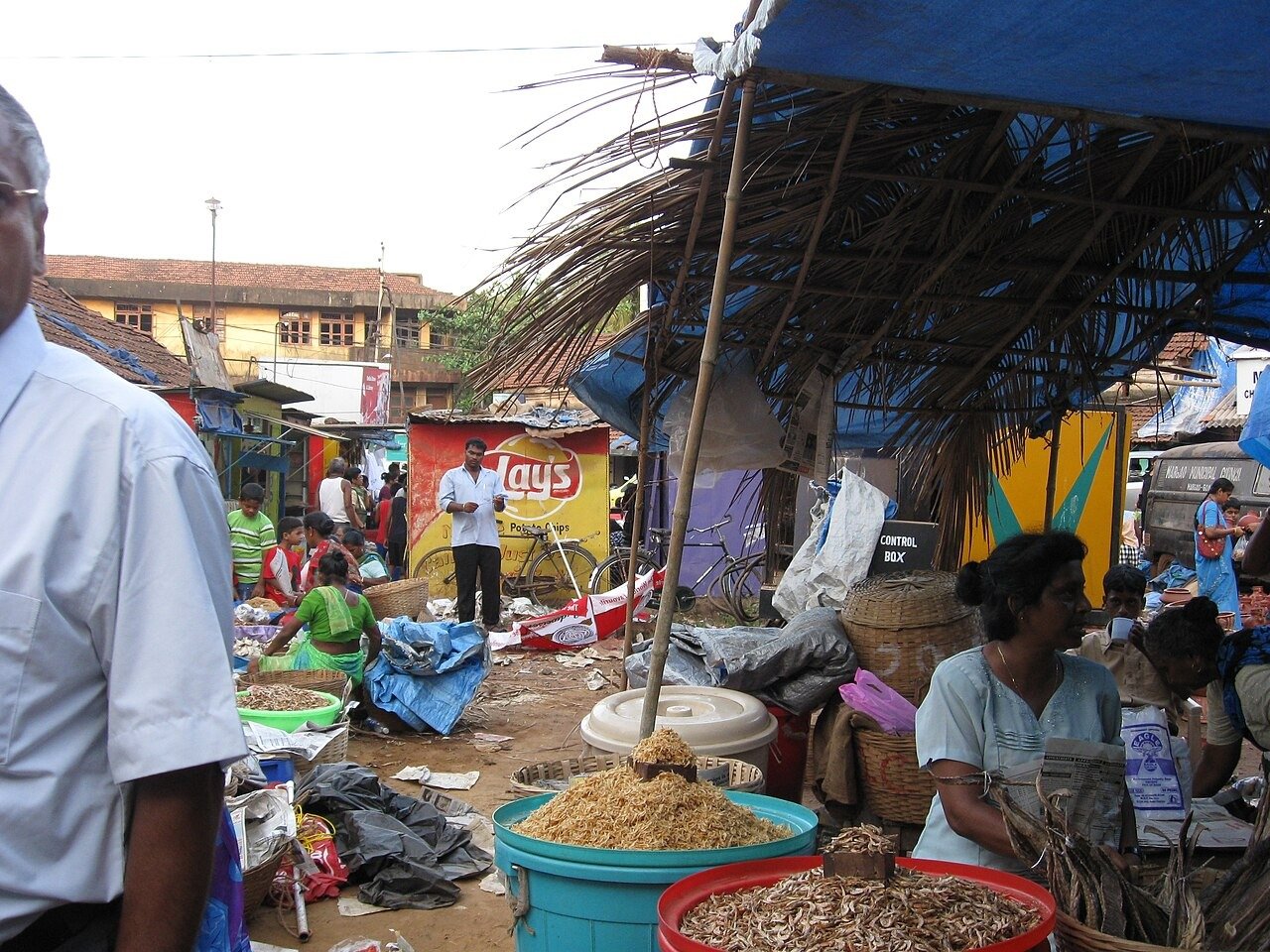
If Anjuna is the market tourists photograph, Mapusa is the market Goans use. The town, about 13 kilometres from Panaji, has been North Goa’s market hub for generations, and every Friday the weekly market spills out around the permanent municipal market, drawing farmers, fishermen and artisans from nearby villages. The municipal market is open daily, roughly 9 am to 8:30 pm, but Friday is the day: it opens around 7 am and stays busy until evening. This is where the food shopping happens — fresh fish and vegetables, fruit, spices, earthen pots, glass bangles and pickles, plus chorizo, dried fish, kokum and feni. Come for the food buys, in the morning. There is no entry fee.
Night Markets in Goa: Arpora Saturday Night Market
Goa’s night markets are part bazaar, part evening out. The biggest is the Saturday Night Market at Arpora, also called Ingo’s Night Market, on the Aguada–Siolim Road near Anjuna and Baga. It runs every Saturday in season, roughly November to April, with clothing, jewellery, handicrafts and spices mixed in with food stalls and live music. Timings vary — most guides say about 4 pm to 11 pm, some say 6 pm to midnight — so check before you go. Goa Tourism notes three night markets in North Goa; the smaller alternative is Mackie’s Saturday Night Bazaar along Baga creek, a calmer version of the same mix.
Panaji Municipal Market: the Capital’s Everyday Bazaar
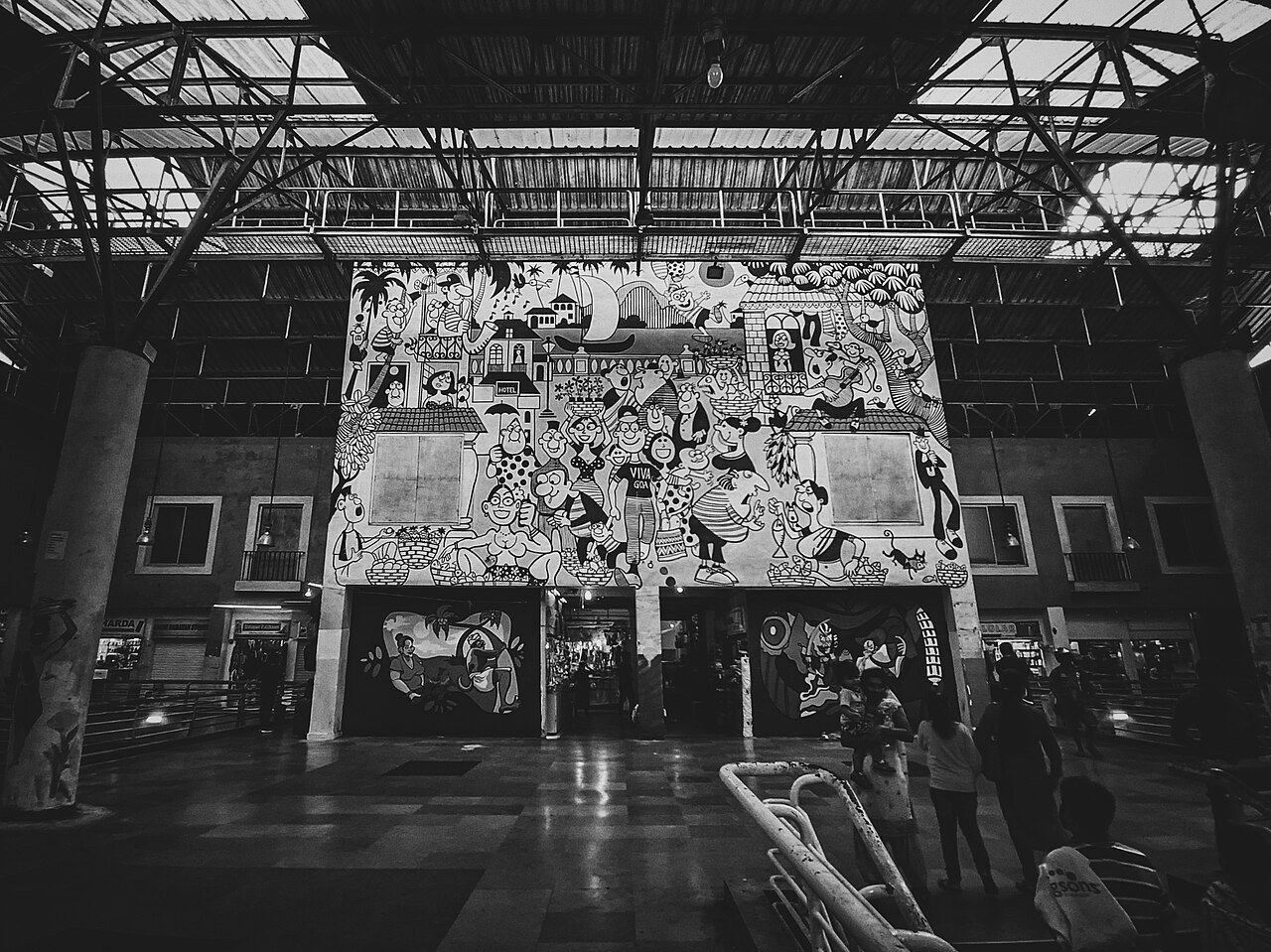
Panaji’s municipal market is the everyday alternative: a working market in the capital, open daily, where locals buy clothes, spices, cashews, sweets and fresh produce. Prices are more honest here than at the beach markets because the customers are mostly Goans, and it is the best place in the city for the practical buys — cashews, Goan spices, sweets, and hand-painted azulejo tiles. The market building is worth a look for its large mural of Goan life. Pair it with a walk through the old city: it sits close to the riverfront and the Latin Quarter. See our Panaji guide for the rest of the capital.
Calangute and Baga: Beach Markets and the Tibetan Market
Calangute is where beach shopping happens. The market square a short walk from the beach is packed with stalls selling beachwear, sarongs, flip-flops, jewellery, shell crafts and souvenirs, and Goa Tourism’s beach-belt guide singles out the Kashmiri and Nepali shawls sold here. The Tibetan Market on the Calangute–Baga road is the daily version of the flea markets — silver jewellery, handicrafts and woollens, open every day, and the fallback when your trip misses Wednesday and Saturday. Baga, the next beach along, works the same way: stalls by day, the Saturday night bazaar at the creek by night. See our Calangute and Baga guide for the beaches.
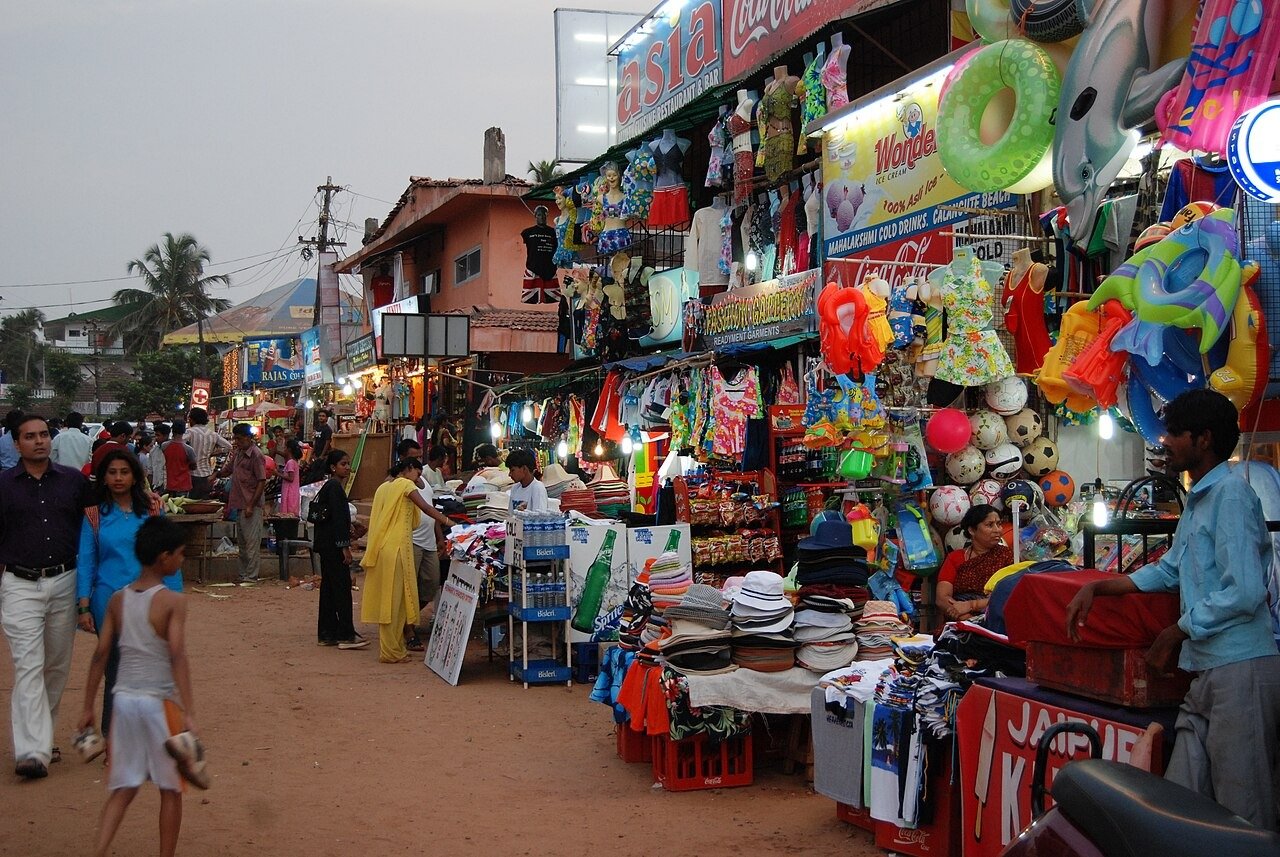
Colva and Margao: South Goa’s Quieter Markets
South Goa shops more quietly, and that is its advantage. The stalls along Colva beach sell the same kinds of things as the north — Rajasthani bags, jewellery, leather items and beachwear — but with fewer crowds, so shopkeepers have more time and more room to bargain. Margao, about 6 kilometres inland, is South Goa’s commercial centre, and its municipal market is the southern counterpart to Mapusa: spices, fish and produce, with the fish market the morning spectacle. See our best places to visit in Goa guide.
Fontainhas: Boutique Shopping in the Latin Quarter
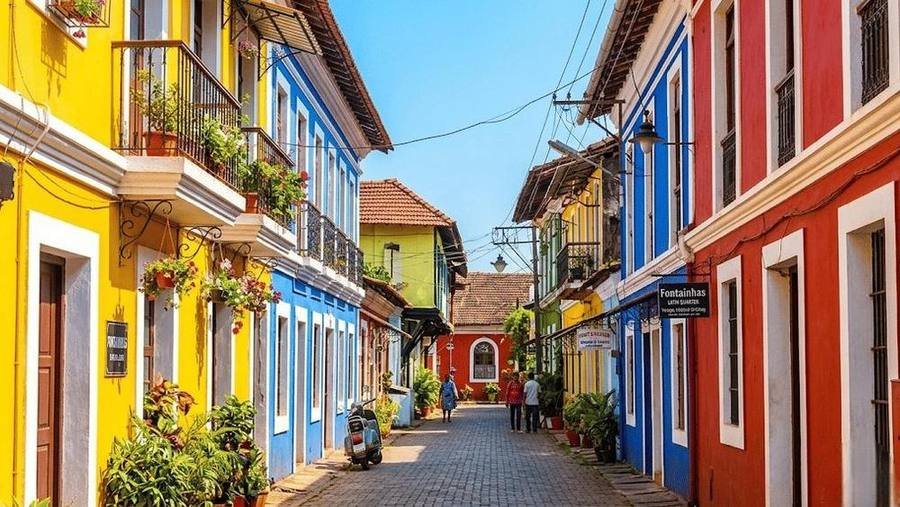
For the opposite of a bazaar, walk the Latin Quarter. Fontainhas, Panaji’s old Portuguese quarter, is a grid of narrow lanes and brightly painted houses, and its shops are small by design: boutiques, art galleries and home-decor stores in restored Indo-Portuguese houses. This is where to look for a hand-painted tile or a piece of local art that does not look like every other stall’s stock. Prices are higher than in the bazaars and bargaining is less expected — treat it as the place for one good thing.
Shopping in Goa in December: the Busiest Month
December is when Goa’s markets are at their fullest. The weekly and night markets all run in season from roughly October to April, and by December every stall is open and the Christmas crowds are in town. Plan around the market days — Wednesday Anjuna, Friday Mapusa, Saturday night Arpora — and use the in-between days for Panaji, Calangute and Fontainhas. Our Goa in December guide covers the month beyond the markets, and our Christmas in Goa 2026 guide covers the festive season, including the Feast of St Francis Xavier. Travelling in the new year? See Goa in January.
Best Shopping Places in Goa for Clothes
If clothes are the whole trip, start at Anjuna for boho dresses, kaftans and beachwear, then try the Tibetan Market on the Calangute–Baga road for woollens, shawls and silver. Calangute Market Square is the pick for beachwear and sarongs, Mapusa for textiles and sarees at local prices, and Panaji for the same at honest, mostly fixed prices. If you would rather have brands with fixed prices, the malls are the conventional alternative.
What to Buy in Goa
What Spices to Buy in Goa
Mapusa and Panaji are the spice markets. Look for Goan masalas, kokum — the sour fruit used in Goan curries and drinks — dried mango slices and chillies, sold by weight. Buy them packed and sealed: the blends differ from stall to stall.
What Souvenirs to Buy in Goa
Goa’s own handicrafts are the souvenirs that come from here: brassware, terracotta, shell work, crochet, carved furniture, bamboo work and papier-mâché, in the tourism department’s own list, plus hand-painted azulejo tiles from Panaji and boho jewellery or a kaftan from Anjuna. A tile needs careful wrapping.
Cashews, Feni and Chorizo: the Food Buys
The default Goa gift is a pack of the famed cashew nuts, sold plain, salted and roasted; buy them sealed. Chorizo, the spiced Goan pork sausages, and feni, the local spirit, are the other two food buys, both best bought at Mapusa. Our famous food of Goa and what to eat in Goa guides cover the dishes behind the shopping — and if you fly home with feni, check your airline and home-state rules first.
Shopping Tips: Bargaining, Timings and Getting Around
Bargaining is expected in the flea markets, beach stalls and night markets, and not in the malls or the Fontainhas boutiques: Goa’s tourism department puts it plainly, saying the charm of shopping in Goa lies in bargaining to your heart’s content until you finally bring the price down. Most guides suggest opening at about half the asking price and being ready to walk away — the next stall sells the same thing. Carry cash as well as UPI: the smallest stalls are still cash-friendly. Plan by weekday: Wednesday is Anjuna, Friday is Mapusa, Saturday night is Arpora. The markets are spread across North Goa, so hire a scooter or a taxi for the day. Treat every timing as a range and check before you go.
Watch & Feel the Place
Videos are by their respective creators.
Best Shopping Markets in Goa FAQs
When is the Anjuna Flea Market held?
Every Wednesday in season, roughly October to April, at the south end of Anjuna Beach. Most guides put the hours at about 9 am to 6 pm, but Goa Tourism’s own guide says about 10 am to 4 pm — treat the times as a range.
Which is the best market in Goa for shopping?
It depends what you want: Anjuna for boho fashion and souvenirs, Mapusa for authentic Goan food and spices, Arpora for a night out. Short on time? Pick by day — Wednesday Anjuna, Friday Mapusa, Saturday night Arpora.
What can I find at the Arpora Night Market?
Clothes, jewellery, handicrafts, leather goods, home decor and spices, plus food stalls and live music. It runs every Saturday in season, roughly November to April, from about 4 pm to 11 pm — though some guides say 6 pm to midnight.
What should I expect at the Mapusa Market?
A working Goan market, not a tourist show: fresh produce, fish, spices, textiles, pottery, chorizo and feni, busiest on Friday mornings. Go early.
What souvenirs to buy in Goa?
Cashew nuts, spices and kokum from Mapusa or Panaji; shell craft, brassware and terracotta handicrafts; a hand-painted azulejo tile; and boho jewellery or a kaftan from Anjuna. Everything packs light except the tile — wrap it well.
Fifty years on, the barter market is still the best place to start: come for the beaches, and leave with a kaftan from Anjuna, spices from Mapusa and a tile from Fontainhas. Next, read our Goa in December guide and our best heritage hotels in Goa guide.
Plan your Goa trip
Anjuna on Wednesday, Mapusa on Friday, Arpora on Saturday night — and the beaches in between. One week covers the markets, and Goa rewards a second.
Goa state guide →