
International Travellers · From the Middle East
Travelling to India from the Middle East: Short Flights, Simple Visas, Easy Trips
No region of the world is better placed for a trip to India than the Gulf. Dubai, Abu Dhabi, Doha, Muscat, Riyadh and Kuwait City sit just three to four and a half hours from a dozen Indian cities — close enough that a long weekend in Kerala or a four-day Golden Triangle dash is a realistic plan, not a fantasy. And no audience is more varied: Gulf citizens discovering India as travellers, and one of the world's largest expatriate communities — including millions of Indian families for whom these flights are a lifeline — share the same routes. That variety produces exactly one point of confusion, about visas, and this guide clears it up first: in India, your visa depends on your passport, not on where you live. Everything else — flights, checklists, arrivals, money — follows below.
India at a Glance for Middle East Travellers
| Capital | New Delhi — but from the Gulf you're as likely to land in Kochi, Mumbai, Hyderabad or Chennai as in Delhi. |
| Time difference | India is ahead of you: 1½ hours ahead of the UAE and Oman, 2½ hours ahead of Saudi Arabia, Qatar, Kuwait and Bahrain. One time zone across India. |
| Currency | Indian Rupee (₹). Dirhams, riyals and other Gulf currencies exchange easily at Indian forex counters; cards work widely in cities. |
| Languages | Hindi and English are official. Malayalam, Urdu, Hindi and Bengali are heard everywhere in arrival cities thanks to the Gulf connection. |
| Emergency number | 112 — India's single number for police, fire and ambulance. |
| Best months | October to March for most regions. Kerala's monsoon (June–September) is a beloved Gulf-summer escape in its own right. |
| Power | 230V, plug types C, D and M. Gulf Type G plugs do not fit — pack an adapter. |
1. Visa: It Depends on Your Passport, Not Your Residence
Start here, because this is where Gulf-based travellers most often go wrong: Indian visa eligibility is decided by the nationality of your passport, not by your UAE, Qatari or Saudi residence visa. A residence permit lets you live in the Gulf and return to it — it plays no part in entering India. Work through it by which traveller you are:
GCC citizens. Nationals of the UAE, Saudi Arabia, Qatar, Kuwait, Oman and Bahrain are eligible for India's e-Visa — the online tourist permit (30-day double-entry, plus 1-year and 5-year multiple-entry options) issued through the official portal. No embassy visit needed for most holidays.
Expatriate residents of the Gulf. Check your own passport's nationality against the eligibility list on the official portal. A great many nationalities resident in the Gulf — from the Philippines and Indonesia to most of Europe — are on the e-Visa list; some are not, and those travellers apply for a regular visa through the Indian missions and their authorised centres in the Gulf instead.
Indian families in the Gulf. If you hold an Indian passport, you never need a visa for India — full stop. If you are of Indian origin and hold a foreign passport, an OCI (Overseas Citizen of India) card removes the visa step entirely: OCI cardholders travel to India visa-free for life with their OCI card and passport. If you gave up Indian citizenship and travel often, OCI is almost always worth arranging.
A note for UAE passport holders. UAE nationals have also had access to a visa-on-arrival facility in India if they previously held an Indian e-Visa or regular visa — but the conditions of that facility have changed over time, so treat it as a possibility to confirm, never a plan: check the official portal for the current rule before relying on it, and when in doubt simply take the e-Visa route.
Applying, and the one rule that protects you
Every e-Visa application goes through one website only: indianvisaonline.gov.in. Fake and mark-up visa sites specifically target Gulf applicants with Arabic- and English-language clones — if the site isn't the government portal, close it. Apply at least 4 days before travel (two to four weeks ahead is calmer), with a passport valid six months or more with two blank pages. Fees vary by visa type and nationality, so confirm the current amount on the portal rather than trusting any figure quoted elsewhere. The e-Visa is accepted at all the major Indian airports Gulf flights serve — Delhi, Mumbai, Kochi, Chennai, Hyderabad, Bengaluru, Kozhikode and more.
2. Before You Travel: The Complete Checklist
Flights: the Gulf advantage
This is the shortest long-haul in travel. Emirates, Etihad, Qatar Airways, flydubai, Air Arabia, IndiGo, Air India and Air India Express run a dense web of directs: Dubai to Kochi in about 4 hours, Dubai and Abu Dhabi to Delhi in around 3½, Doha to Mumbai in roughly 3½, and direct services into Hyderabad, Chennai, Bengaluru, Kozhikode, Thiruvananthapuram, Mangaluru and Goa as well. With that network, trip shapes change: a four-day Kerala break or a long-weekend Golden Triangle (fly into Delhi, out of Jaipur) is genuinely doable. Many Gulf-based families time the year's big India trip for just after Eid, when school holidays align — that week sells out early on Gulf–India routes, so book it first and plan around it. If you prefer travelling outside Ramadan, the October–March season offers plenty of other windows; simply pick the region that matches your month.
Insurance, health & documents
Even on a short hop, carry travel insurance with medical cover — treatment in Indian private hospitals is excellent but paid out of pocket. No vaccinations are mandatory for direct travel from the Gulf; routine vaccines plus hepatitis A and typhoid are the usual travel-clinic advice. Pack your documents as a set: passport, printed e-Visa approval (the "Granted" ETA email) or OCI card if you hold one, return ticket, and your first night's address for the arrival form. Remember your Gulf residence documents too — you'll need them to come back.
Money & connectivity prep
Gulf currencies are among the easiest in the world to exchange in India — licensed forex counters in every arrival city handle AED, SAR, QAR, KWD and OMR at fair rates, and ATMs accept Gulf-issued cards widely (warn your bank first). Gulf roaming plans in India exist but are rarely good value; most travellers buy a local SIM or eSIM on arrival — bring your passport. Install WhatsApp if you somehow don't live on it already, plus Uber/Ola and the IRCTC app for trains.
3. After You Land: Your First Hours in India
Immigration & the gold question
At immigration, e-Visa holders join the e-Visa lanes with passport and printed ETA; OCI holders use the regular foreign-passport lanes with OCI card and passport. Photo and fingerprints are captured, the visa is stamped for e-Visa travellers — check the dates before you leave the counter. Then baggage, then customs. One question Gulf travellers ask more than any other deserves a straight answer: India's duty-free allowances for gold and jewellery depend on how long you've lived abroad and are revised from time to time — travellers arriving from the Gulf are exactly the people customs rules on gold are written about. If you plan to carry gold or valuable jewellery, check the current official Indian customs (CBIC) allowance before you fly, and declare honestly at the red channel if you're anywhere near a limit.
Out of the airport, and your first day
Kochi, Delhi, Mumbai and the other Gulf-gateway airports are old hands at these routes: SIM counters, forex desks (change a small amount at the airport; city rates are better), prepaid taxi booths with fixed fares, app-cab pickup zones, and in Delhi the Airport Express metro. Use the official counter or the app — the friendly stranger offering a taxi inside the hall is the one thing to decline. Because the flight is short, you won't be jet-lagged — the real first-day cost in India is distance, not time zones: traffic between the airport and your hotel, and between sights, is slower than the map suggests. Plan one major sight on day one, eat early, and let the trip find its rhythm.
Money in India: the NRI advantage, and food notes
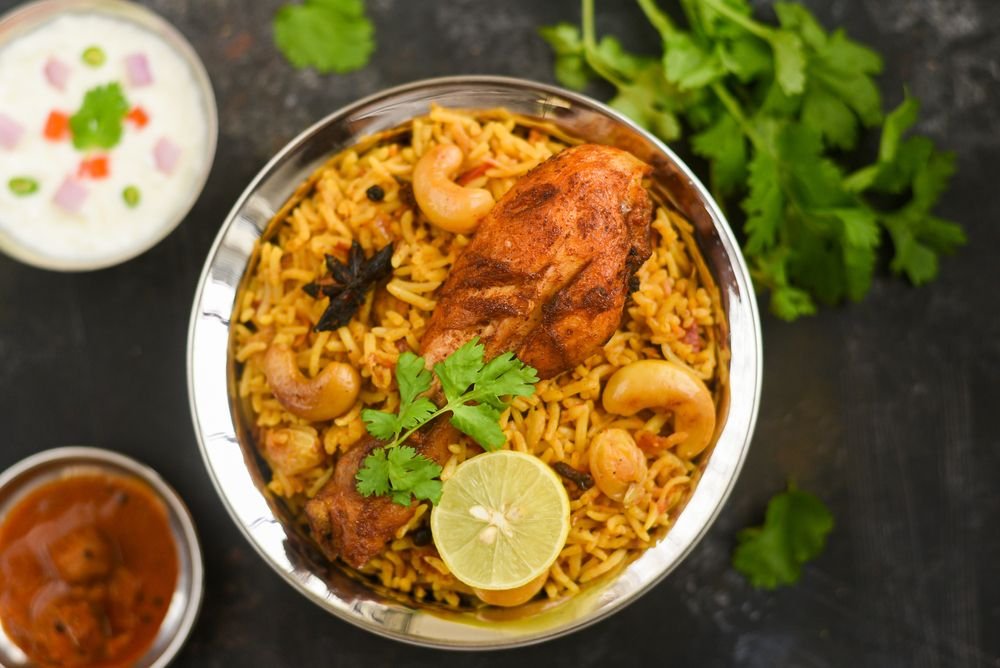
If you hold NRE or NRO bank accounts in India — as many Indian expatriates in the Gulf do — you already have the keys to India's UPI payment system and can pay like a local with the usual apps. Visitors without Indian accounts, including most expat residents of other nationalities, generally can't use full UPI; cards plus cash cover everything comfortably. On food, Gulf travellers are well served: halal food is widely available across India — in Kerala, Hyderabad, Lucknow, Delhi and Mumbai especially, halal restaurants are the norm in many neighbourhoods — and every state guide on this site flags vegetarian, vegan and Jain options alongside. Kerala's Malabar coast, settled by Arab traders centuries before the Gulf boom, will feel deliciously familiar: try the biryani in Kozhikode and tell us it isn't a homecoming. (Our food atlas maps the dishes state by state.)
4. Your First Trip: Kerala Slow Week — or a Northern Long Weekend
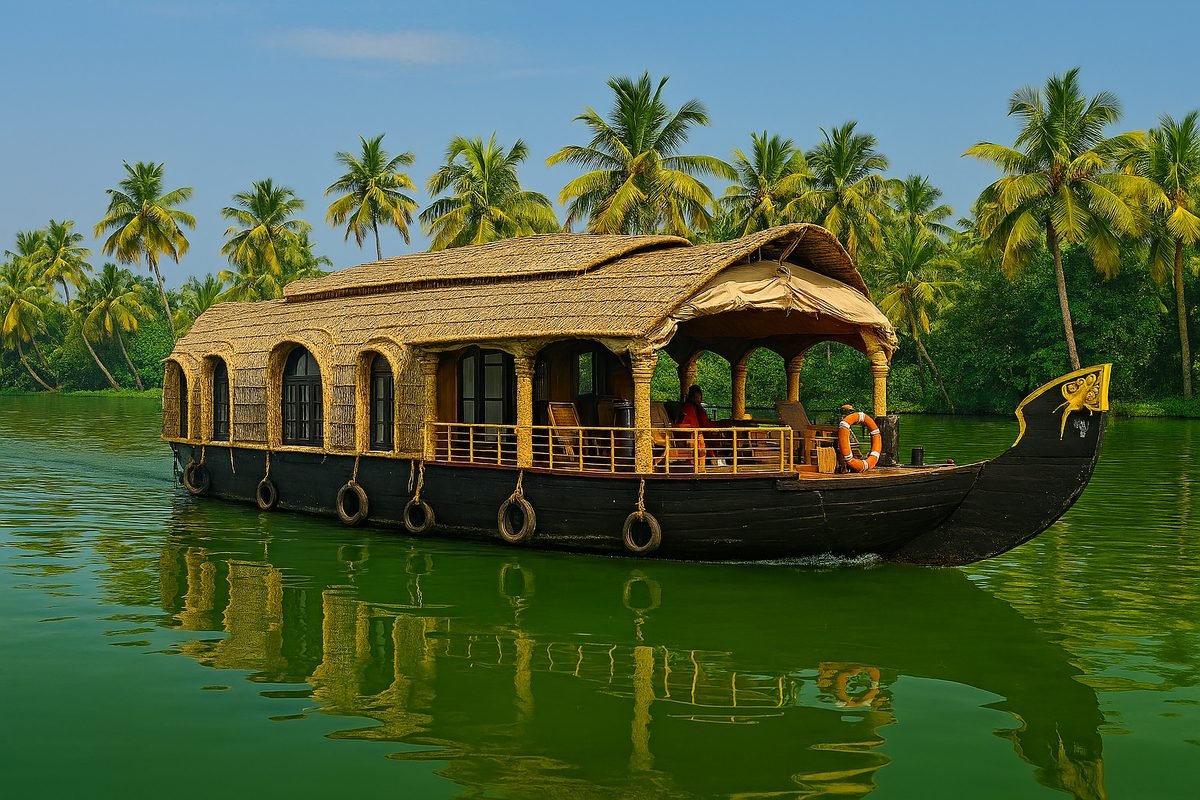
The Gulf favourite (5–6 days): fly into Kochi and spend a day among Fort Kochi's Chinese fishing nets, spice warehouses and café streets. Drive up to Munnar for two nights of tea gardens and cool air — in June to September this is the Gulf's great green escape. Descend to Alappuzha for a night on a houseboat, drifting the backwaters as village life slides past, and finish with a beach day at Varkala or Kovalam before flying home from Thiruvananthapuram or back via Kochi. Our Alappuzha guide covers houseboat booking pitfalls honestly.

The summer swap: from April to October, trade Kerala for Kashmir — fly Gulf–Delhi–Srinagar for shikaras on Dal Lake, a houseboat night and Gulmarg's meadows; our Srinagar guide has the details. The long-weekend dash: Delhi and Agra in three days — India Gate and Old Delhi, a sunrise Taj Mahal — using the express trains or the Yamuna Expressway; the Agra guide makes it effortless. Food is half the point of every version: don't leave without a Hyderabadi or Malabar biryani.
Planning from further afield? See the companion guides for the USA, Australia & New Zealand and our first-time-in-India guide, plus the ranked starter list in Best Places to Visit in India and the full blog.
Frequently Asked Questions
I'm a resident of the UAE — does my residence visa decide my Indian visa?
No. Indian visa eligibility follows the nationality of your passport, never your Gulf residence. GCC citizens (UAE, Saudi Arabia, Qatar, Kuwait, Oman, Bahrain) are e-Visa eligible; expatriate residents must check their own passport's nationality in the official portal's eligibility list, and some nationalities apply for a regular visa instead.
Can UAE citizens get a visa on arrival in India?
UAE nationals have previously had a visa-on-arrival facility if they had earlier held an Indian e-Visa or regular visa — but its conditions change, so verify the current rule on the official portal, indianvisaonline.gov.in, before travelling. The safe default for any UAE traveller is to take the e-Visa in advance.
I'm an Indian living in the Gulf. Do I need anything special to travel to India?
If you hold an Indian passport: nothing — Indian citizens never need a visa for India. If you're of Indian origin with a foreign passport, an OCI card lets you travel visa-free for life, and if you bank in India with NRE/NRO accounts, you can use UPI payments like a resident.
How long are flights from the Gulf to India?
Short — among the easiest international hops anywhere. Dubai to Kochi is about 4 hours, Dubai and Abu Dhabi to Delhi around 3½ hours, Doha to Mumbai roughly 3½ hours, with direct flights to a dozen Indian cities including Chennai, Hyderabad, Bengaluru and Kozhikode.
Can I carry gold jewellery from the Gulf to India?
Within limits — but the duty-free gold allowance depends on how long you have lived abroad and is revised periodically, so check the current official Indian customs (CBIC) rules before you fly. If you are anywhere near the allowance, declare at the red channel; undeclared excess gold is the most common customs problem for Gulf arrivals.
When is the best time to travel from the Middle East to India?
October to March for most of India — pleasant weather nearly everywhere, and it overlaps the Gulf's own best season. June to September is the exception that Gulf travellers love: Kerala's monsoon turns the state lush and dramatic, and Kashmir and the Himalaya are in their summer prime.
Every Place. Every Flavour.
This guide is just the beginning. Beauty of Bharat covers all 36 states and union territories — 550+ destinations, offbeat places and regional dishes, each with its own full guide.
Explore all 36 states on beautyofbharat.com