
International Travellers · From Europe
Travelling to India from Europe: e-Visa, Flights & Your First Days, Explained
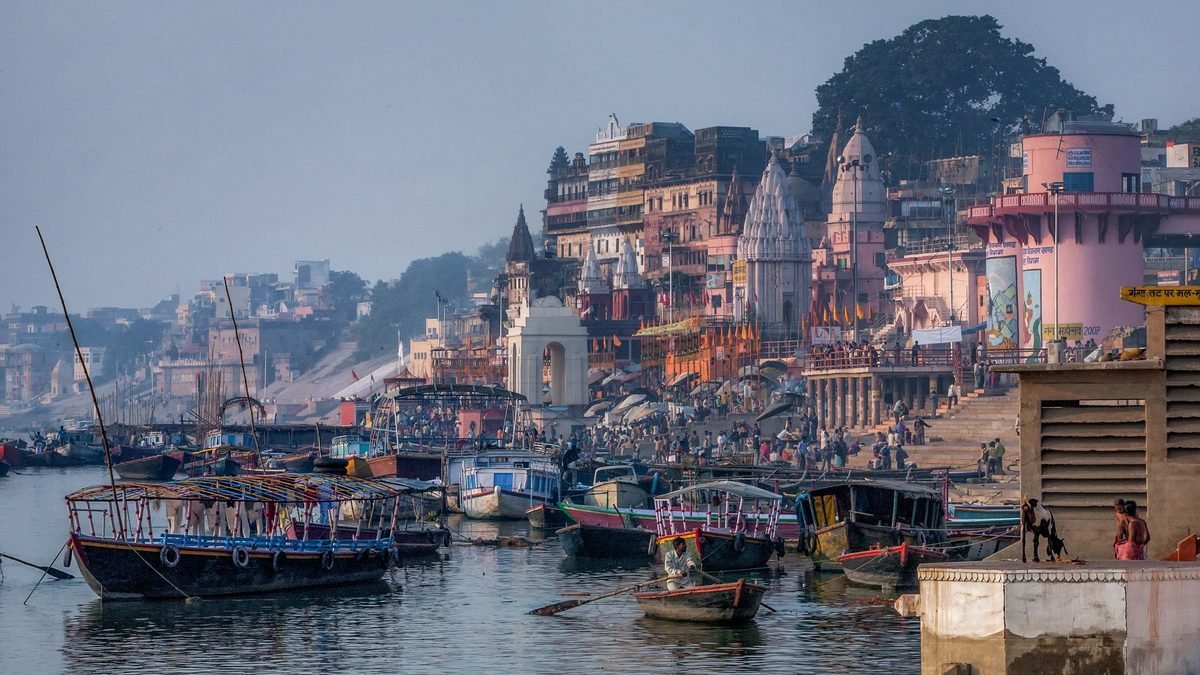
Europe to India is one of the world's great culture journeys: most European passports qualify for an e-Visa applied for entirely online, and the big hubs — Frankfurt, Amsterdam, Paris, Zurich, Helsinki — fly to India in seven to nine hours. Europeans tend to travel India for its festivals, temples, trains and food, so this guide leans that way: visa first, then flights, money, landing, and a culture-first route.
India at a Glance for European Visitors
| Main gateways | New Delhi (DEL) and Mumbai (BOM), plus hub nonstops to Bengaluru, Chennai and Hyderabad |
| Time difference | India is 3½ hours ahead of Central European Time in winter, 4½ in summer; India never changes its clocks. |
| Currency | Indian Rupee (₹). Euros exchange easily; cards widely accepted; cash for small purchases. |
| Languages | Hindi and English are official; English is widely spoken in tourism and transport. |
| Emergency number | 112 — same as at home: police, fire and ambulance. |
| Best months | October to March for most regions; July–August also works for Ladakh and the Himalaya. |
| Power | 230V, types C, D and M. The two-pin Europlug fits Indian Type C sockets for chargers; larger plugs need an adapter. |
1. Visa: What European Citizens Need
European citizens need a visa to enter India — there is no visa-on-arrival for tourism. The good news: most European passports, including all EU member states, the EEA countries and Switzerland, are on India's e-Visa eligibility list — apply entirely online on the official portal, indianvisaonline.gov.in. Eligibility is by nationality and can change, so confirm your passport in the portal's list before applying — it is the definitive source. The tourist e-Visa comes in three main forms:
- 30-day e-Visa — double entry; the usual first-trip choice.
- 1-year e-Visa — multiple entry, for return visits within the year.
- 5-year e-Visa — multiple entry for regular visitors. On these longer visas each continuous stay is capped — currently 90 days per visit for most European passports — and the 30-day visa cannot be extended or converted. Your conditions are printed on your approval.
How applying works
- Apply on the official portal only: complete the form, upload a photo and your passport page, pay online.
- Apply at least 4 days before travel — the official minimum. Two to four weeks ahead leaves a calm margin for corrections.
- Your passport must be valid for at least 6 months from arrival, with at least 2 blank pages.
- The approval (an ETA) arrives by email. Print it and carry it with your passport — airlines check it at boarding.
- You may be asked for a return or onward ticket and proof of sufficient funds.
Alternative: for long stays or work, a regular paper visa is lodged through your Indian embassy or consulate's appointed visa centre. Travellers of Indian origin may instead hold an OCI card (visa-free entry) — travel with the card and your passport and skip the e-Visa.
2. Before You Travel: The Complete Checklist
Flights
Europe's hubs connect to India daily. Frankfurt and Munich (Lufthansa and Air India), Amsterdam (KLM), Paris (Air France) and Zurich (SWISS) fly nonstop to Delhi and Mumbai, several also serving Bengaluru, Chennai and Hyderabad. Helsinki (Finnair) is shortest from northern Europe; Vienna and Copenhagen add options. From anywhere else, one stop via a hub; overnight departures land you in the morning.
Timing — including the festival calendar
October to March is the main season: dry, warm days. Your summer holidays coincide with the only season for Ladakh and the high Himalaya (June to September), when the passes are open. Time a cooler-months trip around a festival: Durga Puja in Kolkata (September/October), Diwali (October/November), Pushkar's camel fair (November) or Holi (March). Avoid the plains in May–June heat.

Insurance and health
- Travel insurance is essential — the European Health Insurance Card (EHIC) has no validity in India. Arrange comprehensive medical and repatriation cover.
- No vaccines are mandatory for travel from Europe. Hepatitis A, typhoid and tetanus are commonly advised; see a travel clinic six weeks ahead and ask about malaria.
- Money: notify your bank. The rupee is a closed currency, so you cannot easily buy it beforehand — use an ATM on arrival. Euros exchange easily as cash backup.
- Phone: EU roaming rules stop at India's border — "roam like at home" does not apply, and pay-as-you-go data is expensive. Buy a travel eSIM before departure, or a local SIM on arrival (passport and photo required).
- Apps to install: WhatsApp (the default for hotels, drivers and guides), Uber and Ola, IRCTC for trains, offline maps. English is widely spoken, but a few Hindi phrases — namaste, dhanyavaad (thank you) — open doors.
- Packing: your Europlug charger works in Indian Type C sockets; bring an adapter for larger or earthed plugs. Layers for northern winter mornings, modest clothing for temples and mosques, medicines in hand luggage, serious sunscreen.
- Documents: passport, printed e-Visa ETA (or OCI card), first hotel's address (for the arrival form), insurance details.
3. After You Land: Your First Hours in India
Arrivals run a familiar sequence. At immigration, e-Visa holders use the signed e-Visa counters (photo and fingerprints captured on first arrival; passport stamped). Complete the landing card (increasingly online); keep your printed ETA in hand until you are through.
Then baggage and customs: take the green channel if you have nothing to declare, and check current official allowances in advance if carrying gifts or electronics. In arrivals you will find SIM counters (passport required), forex desks — change only a little here; city rates are better — and ATMs, usually the smartest first stop. For the journey in: the prepaid taxi counter inside the terminal, Delhi's Airport Express metro, or the marked Uber/Ola pickup zones. Ignore anyone offering unsolicited taxis or "official" help; genuine counters are indoors, signed and receipted.
Your first 24 hours: the time difference is small (3½–4½ hours), so jet lag is mild — daylight and an early night reset you fast. Drink bottled or filtered water, not tap water; begin with freshly cooked dishes, and choose busy, high-turnover street stalls.
4. Getting Around, Money & Staying Comfortable
For long distances: domestic flights connect every region, while trains are the great Indian experience on classic corridors — reserve well ahead on IRCTC (a foreign-tourist quota exists), because popular trains sell out. Heritage lines in Darjeeling, Shimla and the Nilgiris are journeys themselves. Within cities, use metros or Uber/Ola; a car-and-driver suits multi-stop days.
Your money system is cards plus cash: cards at hotels, restaurants and larger shops, plentiful ATMs, and small notes for taxis, markets and tipping. Note: UPI, India's QR-code payment system, generally requires an Indian bank account, so don't plan spending around it. Tipping: 5–10% in restaurants without a service charge; small notes for porters, drivers and guides. Etiquette: modest dress and shoes removed at religious sites, permission before photographing people — and 112, the same number as at home.
5. Your First Trip: Culture-First — Golden Triangle + Varanasi (9–10 Days)
Days 1–2 · Delhi: Begin with both Delhis: the Red Fort, Jama Masjid and Chandni Chowk's lanes; India Gate and Humayun's Tomb. Start with our state guides.
Days 3–4 · Varanasi: A short flight or the overnight train to India's oldest city. Take the dawn boat on the Ganges, walk the ghats, attend the evening Ganga Aarti. Varanasi is intense — precisely its value.
Day 5 · Agra: Travel to Agra (train via Delhi, or direct services). Agra Fort in the afternoon; the Taj at sunset from Mehtab Bagh.
Day 6 · Agra → Jaipur: Sunrise at the Taj Mahal itself, then west to Jaipur via Fatehpur Sikri. Our full Agra guide.
Days 7–8 · Jaipur: Amer Fort at opening, the City Palace and Jantar Mantar, Hawa Mahal, and the bazaars. Our full Jaipur guide.
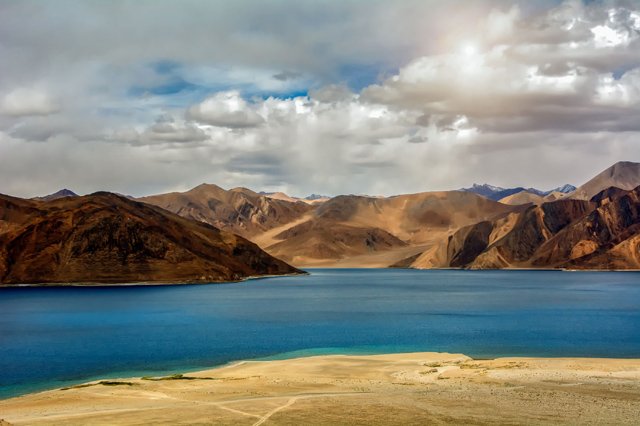
Days 9–10 · Extend or return: Fly home from Jaipur or Delhi — or extend: Ladakh in summer, or the Kerala backwaters (our Alappuzha guide) for a slow contrast.
For the wider shortlist, see our 25 best places to visit in India. Our companion guides cover the USA, Canada and the UK.
Frequently Asked Questions
Do European citizens need a visa for India?
Yes — there is no visa-on-arrival for European tourists. Most European passports, including all EU member states, the EEA and Switzerland, are eligible for the tourist e-Visa, applied for online on the official portal, indianvisaonline.gov.in, in 30-day, 1-year and 5-year forms. Confirm your nationality in the portal's list first, and apply at least 4 days before travel (2–4 weeks is wiser), with a passport valid 6+ months and 2 blank pages.
How do I check whether my passport is eligible for the e-Visa?
The official portal, indianvisaonline.gov.in, publishes the definitive eligibility list — check your passport there first, and use only that .gov.in site, as look-alike commercial sites charge inflated fees. If your nationality is not listed, apply for a regular visa via your Indian embassy's visa centre.
How long can I stay in India on a 1-year or 5-year e-Visa?
Entries are multiple, but each continuous stay is capped — currently 90 days per visit for most European passports. The 30-day e-Visa allows 30 days from first entry (double entry) and cannot be extended. Your conditions are printed on the ETA.
When is the best time to visit India from Europe?
October to March is the season: dry, warm weather, with the big festivals — Durga Puja, Diwali, Holi — in this window. Uniquely for Europeans, summer also works: June to September is Ladakh season, fitting European summer holidays, though it is monsoon elsewhere.
How long are flights from Europe to India?
Nonstop flights from Frankfurt, Munich, Amsterdam, Paris, Zurich and Helsinki reach Delhi and Mumbai — several also Bengaluru, Chennai and Hyderabad — in 7 to 9 hours. Elsewhere in Europe, one easy stop via those hubs.
Will my European bank cards and phone chargers work in India?
Cards: yes — Visa and Mastercard are widely accepted in Indian cities, and ATMs are the easiest way to draw rupees (warn your bank first). UPI payments generally require an Indian bank account, so plan on cards plus cash. Chargers: mostly yes — the Europlug fits India's Type C sockets, but larger or earthed plugs need an adapter.
Every Place. Every Flavour.
Your visa is sorted and the route is planned — now explore the rest. Beauty of Bharat covers all 36 states and union territories: 550+ destinations, offbeat places and regional dishes, each with its own full guide.
Explore all 36 states Read the blog