
Offbeat Place · Northeast India
Mayong: Legendary Land of Folklore by the Brahmaputra

By Beauty of Bharat — India travel guide, every place, every flavour.
Guides covering all 36 States and UTs, researched from official sources and checked at publish time. Corrections welcome — see About Beauty of Bharat.

In Morigaon district of Assam, not far from Guwahati yet a world apart, Mayong spreads across villages and wetlands along the southern bank of the Brahmaputra. Its name carries centuries of storytelling: chronicles and grandmothers alike link Mayong to mantra, traditional healing and mysterious arts, and a small museum preserves manuscripts and objects from that world. Around the legends sits a real, gentle landscape of paddy, beels, temples and river channels.
Mayong's offbeat charm is that it refuses to be just its legend. Locals discuss the old magical reputation with pride and humour, then point you towards Kechaikhati and other shrines, village healers' traditions, and boat rides on quiet waters. The neighbouring Pobitora Wildlife Sanctuary, famous for dense rhino sightings, adds a wild counterpoint. Visitors find no staged sorcery show, just a living Assamese village culture where myth, faith and the great river still shape everyday conversation and identity. The wisest approach is curiosity without sensationalism, asking questions, listening to elders, and accepting that some traditions are described rather than demonstrated, which preserves their dignity and makes the stories you do hear feel entirely trustworthy and memorable for years. It is a place to visit gently.
Mayong at a Glance
| State | Assam |
| Region | Northeast India |
| Known for | Mayong is known for its folklore and cultural heritage in Assam, a Brahmaputra-side village long famed in… |
| Gateway | Guwahati city, airport & railway station |
| Best time to visit | Visit between November and March for comfortable weather, active wetlands and the best chance of combining… |
| Time needed | one day, paired with Pobitora |
| State capital | Dispur |
| More offbeat in Assam | 3 more places in this guide |
Why Mayong Stays Off the Beaten Path
Mayong is known for its folklore and cultural heritage in Assam, a Brahmaputra-side village long famed in legend for magic and healing traditions, now equally valued for river scenery, temples, and wildlife at nearby Pobitora. Mayong has stayed off the standard circuit because it sits a little beyond the usual route through Assam — close enough to reach in a day, far enough to keep its quiet.
Presented honestly as lesser-known, never as an “undiscovered secret”: Mayong is known and loved locally, and facilities are plainer than in Guwahati. Go for the place itself — the slower mornings, the unhurried conversations, the sense of Assam without a crowd in front of it — and it will not disappoint.
Things to Do in Mayong
The highlights below are the reasons to make the detour. None of them need a packed schedule — Mayong rewards travellers who pick two or three and linger over them.
Visit the Mayong museum
See the small Central Museum's collection of old manuscripts, ritual objects and artefacts that document the area's famed magical and healing traditions.
Explore village temples
Call at local shrines including the Kechaikhati temple, understanding how everyday worship sits alongside Mayong's legendary reputation in local life.
Take a country boat ride
Drift on the quiet channels and wetlands near the Brahmaputra at Mayong, watching fishing, birdlife and village scenes from the water.
Combine with Pobitora Sanctuary
Add a jeep safari in nearby Pobitora, a compact sanctuary celebrated for rhino sightings in grassland and wetland not far from Mayong.
Talk folklore with locals
With a local guide, hear the stories, healing traditions and explanations behind the legends, told by the community that actually owns them.
Best Time to Visit Mayong
Visit between November and March for comfortable weather, active wetlands and the best chance of combining village exploration with Pobitora safaris. Monsoon floods change access significantly in this low-lying Brahmaputra landscape, while summer can be hot and humid on the plains.
Across Assam the wider season runs like this: October–April for many wildlife and sightseeing trips; monsoon changes access and landscape dramatically. Time Mayong inside that window and you get the place at its best — and, this being the offbeat list, usually without the peak-season pressure of the headline stops.
How to Reach Mayong
Reach Mayong by road from Guwahati, Assam's capital-side gateway with the region's main airport and railway station. It works well as a day trip or an overnight village stay, and is commonly combined with Pobitora Wildlife Sanctuary on the same road.
Most travellers fold Mayong into a wider Assam trip rather than coming only for it — paired with Guwahati or the state guide's headline stops, it becomes the quiet chapter of the journey.
Mayong — Transport at a Glance
| Nearest airport | Lokpriya Gopinath Bordoloi International Airport, Guwahati (GAU) — the region's main airport |
| Nearest railway station | Guwahati is the main railway station for the region |
| By road | By road from Guwahati; works as a day trip or village overnight, commonly combined with Pobitora Wildlife Sanctuary on the same road |
| Getting around | Village lanes are walked; a local guide brings the magic traditions and stone sites to life |
More Offbeat Places in Assam
Mayong is one of 4 offbeat corners in the Assam state guide — pair it with a sibling below for a slower, deeper trip.
Haflong
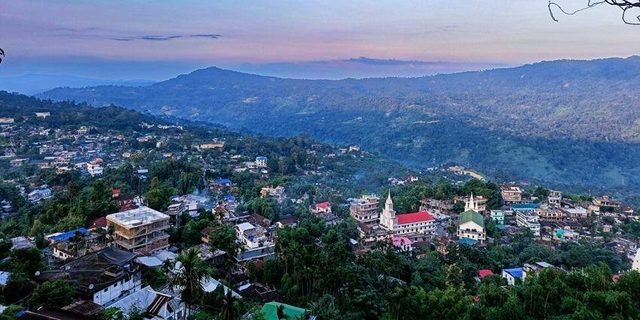
Known for: hill landscapes. Haflong has stayed off the standard circuit because it sits a little beyond the usual route through Assam — close enough to reach in a day, far enough to keep its quiet.
Dibru-Saikhowa
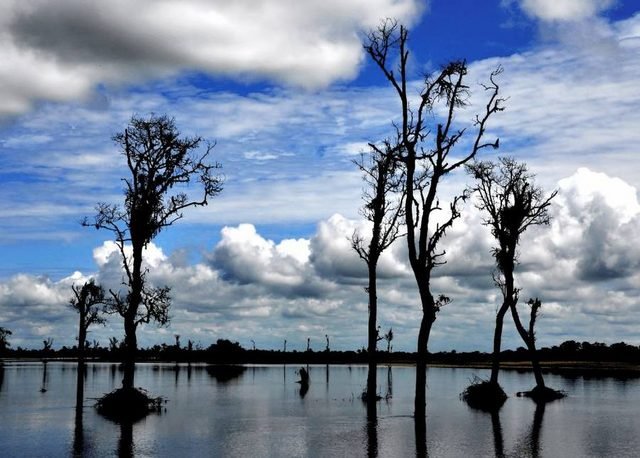
Known for: wetland and wildlife landscape. Dibru-Saikhowa has stayed off the standard circuit because it sits a little beyond the usual route through Assam — close enough to reach in a day, far enough to keep its quiet.
Hoollongapar Gibbon Sanctuary
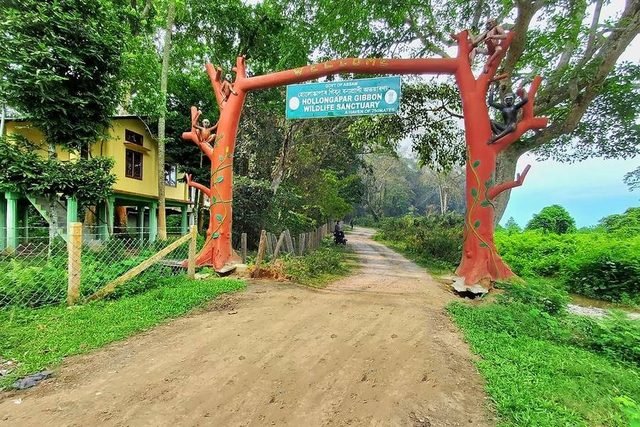
Known for: primate-rich forest. The headline sights of Assam draw the crowds for good reason, but Hoollongapar Gibbon Sanctuary moves at a different pace: fewer signboards, fewer queues, and more of the state as its own people know it.
While You Are in Assam
Start from the full Assam travel guide for the complete picture. Headline destinations to pair with this trip: Guwahati · Kaziranga · Majuli. And eat the state properly while you are there — Khar · Masor tenga lead the table in the Food Atlas.
Frequently Asked Questions
What is Mayong known for?
Mayong is known for its folklore and cultural heritage in Assam, a Brahmaputra-side village long famed in legend for magic and healing traditions, now equally valued for river scenery, temples, and wildlife at nearby Pobitora. It sits in this atlas on Assam's offbeat list — the state's quieter, lesser-visited side.
What is the best time to visit Mayong?
Visit between November and March for comfortable weather, active wetlands and the best chance of combining village exploration with Pobitora safaris. Monsoon floods change access significantly in this low-lying Brahmaputra landscape, while summer can be hot and humid on the plains. For Assam as a whole, October–April for many wildlife and sightseeing trips; monsoon changes access and landscape dramatically.
How do I reach Mayong?
Reach Mayong by road from Guwahati, Assam's capital-side gateway with the region's main airport and railway station. It works well as a day trip or an overnight village stay, and is commonly combined with Pobitora Wildlife Sanctuary on the same road. The usual gateway is Guwahati city, airport & railway station.
How many days do I need for Mayong?
Plan on one day, paired with Pobitora. Most travellers pair Mayong with Haflong and Dibru-Saikhowa or the headline stops in the Assam state guide rather than rushing it as a whistle-stop.
Can visitors actually see magic performed in Mayong?
Mayong's reputation rests on folklore, old manuscripts and traditional healing rather than staged performances, so go expecting stories, a museum and living culture, not a magic show. Local guides explain the tradition respectfully, and that honest encounter is more interesting than any performance would be.
Every Place. Every Flavour.
Mayong is one of 154 offbeat places in this atlas — alongside 36 states and union territories, 188 destinations and 213 regional dishes, each with its own full guide page.
Explore all 36 states Read the blog