
Offbeat Place · Northeast India
Hoollongapar Gibbon Sanctuary: Dawn Chorus of Gibbons in Assam's Forest

By Beauty of Bharat — India travel guide, every place, every flavour.
Guides covering all 36 States and UTs, researched from official sources and checked at publish time. Corrections welcome — see About Beauty of Bharat.

Near Mariani in Jorhat district of Assam, surrounded by tea gardens and villages, Hoollongapar Gibbon Sanctuary preserves a compact island of evergreen forest named for its giant hollong trees. Its fame rests on an extraordinary concentration of primates: family groups of hoolock gibbons, India's only apes, alongside capped and pig-tailed macaques, stump-tailed macaques and slow loris. At dawn the forest erupts with the gibbons' loud, musical whooping calls carrying far beyond the trees.
The sanctuary's offbeat appeal is its intimacy. There are no jeeps and no crowds, only guided walks on forest trails where every rustle might be a primate moving through the canopy. Because the patch is small and hemmed in by tea estates, it also tells a poignant conservation story about wildlife surviving in fragments. Birdwatchers find hornbills and other forest species, but the essential experience is simple: stand quietly at sunrise, listen for the chorus, and watch a gibbon family swing overhead. Because visits are short and guided, arrive on time, wear muted colours and keep voices low, so the forest stays calm and the gibbons continue their morning routines undisturbed by the small groups walking hopefully beneath their high canopy home.
Hoollongapar Gibbon Sanctuary at a Glance
| State | Assam |
| Region | Northeast India |
| Known for | Hoollongapar Gibbon Sanctuary is known for its primate-rich forest in Assam, a small, dense evergreen patch… |
| Gateway | Jorhat town, airport & railway station |
| Best time to visit | Visit between November and March for pleasant walking weather, active primates and good birding in the forest. |
| Time needed | one morning, based in Jorhat |
| State capital | Dispur |
| More offbeat in Assam | 3 more places in this guide |
Why Hoollongapar Gibbon Sanctuary Stays Off the Beaten Path
Hoollongapar Gibbon Sanctuary is known for its primate-rich forest in Assam, a small, dense evergreen patch near Jorhat protecting India's only ape, the hoolock gibbon, alongside several other primates, rich birdlife and towering hollong trees. Hoollongapar Gibbon Sanctuary has stayed off the standard circuit because it sits a little beyond the usual route through Assam — close enough to reach in a day, far enough to keep its quiet.
Presented honestly as lesser-known, never as an “undiscovered secret”: Hoollongapar Gibbon Sanctuary is known and loved locally, and facilities are plainer than in Guwahati. Go for the place itself — the slower mornings, the unhurried conversations, the sense of Assam without a crowd in front of it — and it will not disappoint.
Things to Do in Hoollongapar Gibbon Sanctuary
The highlights below are the reasons to make the detour. None of them need a packed schedule — Hoollongapar Gibbon Sanctuary rewards travellers who pick two or three and linger over them.
Listen for the dawn chorus
Arrive early for a guided walk when gibbon families call at sunrise, the sanctuary's signature sound echoing through the hollong canopy.
Track primates on foot
Walk the forest trails with a guide seeking gibbons and the sanctuary's several macaque species moving and feeding in the treetops.
Admire the hollong giants
Look up at the towering hollong and other evergreen trees that give the sanctuary its name and its cathedral-like, shaded atmosphere.
Birdwatch in the canopy
Scan for forest birds including hornbills and woodpeckers, which share this small but rich patch with the primates and reward patient walkers.
Understand a forest fragment
Learn from guides how this island of forest survives among tea gardens, and why corridors and community support matter for the gibbons' future.
Best Time to Visit Hoollongapar Gibbon Sanctuary
Visit between November and March for pleasant walking weather, active primates and good birding in the forest. Early mornings are best in every season. Monsoon trails can be leech-prone and slippery, so winter's drier forest floor makes the guided walks most enjoyable.
Across Assam the wider season runs like this: October–April for many wildlife and sightseeing trips; monsoon changes access and landscape dramatically. Time Hoollongapar Gibbon Sanctuary inside that window and you get the place at its best — and, this being the offbeat list, usually without the peak-season pressure of the headline stops.
How to Reach Hoollongapar Gibbon Sanctuary
Reach the sanctuary by road from Jorhat, upper Assam's well-connected town with an airport and railway links, via Mariani. Most visitors come as a morning trip from Jorhat with a local guide arranged in advance, as walks inside are guided.
Because facilities thin out beyond the gateway, the rhythm that works here is simple: arrive in daylight, settle in, and give Hoollongapar Gibbon Sanctuary the early hours of the next day before moving on.
Hoollongapar Gibbon Sanctuary — Transport at a Glance
| Nearest airport | Jorhat Airport (JRH) — upper Assam's well-connected town airport |
| Nearest railway station | Jorhat and Mariani are the railheads; the sanctuary is reached by road via Mariani |
| By road | A morning trip by road from Jorhat; walks inside are guided, so arrange a local guide in advance |
| Getting around | On foot only, with a guide — the gibbons are tracked by ear through the canopy |
More Offbeat Places in Assam
Hoollongapar Gibbon Sanctuary is one of 4 offbeat corners in the Assam state guide — pair it with a sibling below for a slower, deeper trip.
Haflong
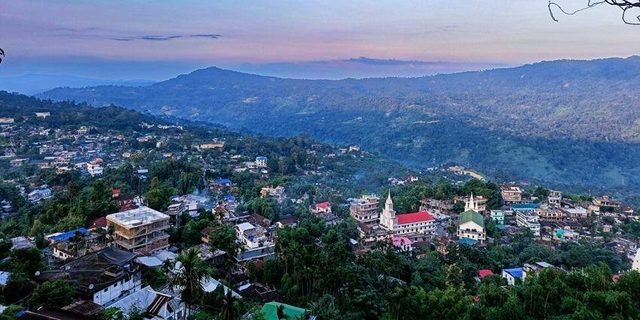
Known for: hill landscapes. Haflong has stayed off the standard circuit because it sits a little beyond the usual route through Assam — close enough to reach in a day, far enough to keep its quiet.
Mayong

Known for: folklore and cultural heritage. It helps that Mayong asks a little more of the traveller — a slower road, a plainer stay, a plan made around seasons rather than weekends — and repays the effort with room to breathe.
Dibru-Saikhowa
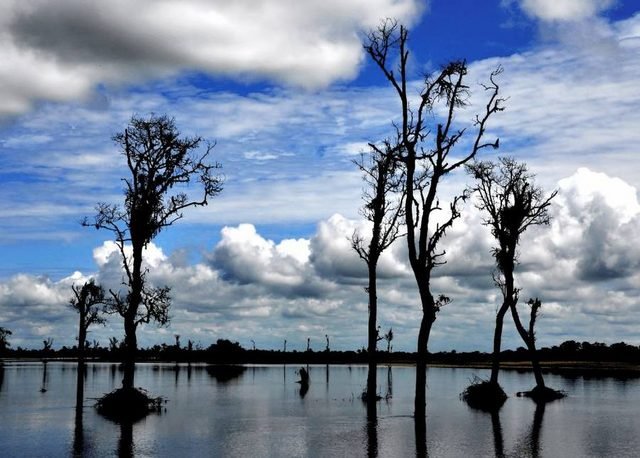
Known for: wetland and wildlife landscape. It helps that Dibru-Saikhowa asks a little more of the traveller — a slower road, a plainer stay, a plan made around seasons rather than weekends — and repays the effort with room to breathe.
While You Are in Assam
Start from the full Assam travel guide for the complete picture. Headline destinations to pair with this trip: Guwahati · Kaziranga · Majuli. And eat the state properly while you are there — Khar · Masor tenga lead the table in the Food Atlas.
Frequently Asked Questions
What is Hoollongapar Gibbon Sanctuary known for?
Hoollongapar Gibbon Sanctuary is known for its primate-rich forest in Assam, a small, dense evergreen patch near Jorhat protecting India's only ape, the hoolock gibbon, alongside several other primates, rich birdlife and towering hollong trees. It sits in this atlas on Assam's offbeat list — the state's quieter, lesser-visited side.
What is the best time to visit Hoollongapar Gibbon Sanctuary?
Visit between November and March for pleasant walking weather, active primates and good birding in the forest. Early mornings are best in every season. Monsoon trails can be leech-prone and slippery, so winter's drier forest floor makes the guided walks most enjoyable. For Assam as a whole, October–April for many wildlife and sightseeing trips; monsoon changes access and landscape dramatically.
How do I reach Hoollongapar Gibbon Sanctuary?
Reach the sanctuary by road from Jorhat, upper Assam's well-connected town with an airport and railway links, via Mariani. Most visitors come as a morning trip from Jorhat with a local guide arranged in advance, as walks inside are guided. The usual gateway is Jorhat town, airport & railway station.
How many days do I need for Hoollongapar Gibbon Sanctuary?
Plan on one morning, based in Jorhat. Most travellers pair Hoollongapar Gibbon Sanctuary with Haflong and Mayong or the headline stops in the Assam state guide rather than rushing it as a whistle-stop.
Are gibbon sightings guaranteed in the sanctuary?
Gibbons are resident in family territories and guides know their ranges well, so chances are genuinely good, especially at dawn when they call. Wildlife is never guaranteed, however, and the walk itself, with macaques, birds and the great trees, remains rewarding regardless.
Every Place. Every Flavour.
Hoollongapar Gibbon Sanctuary is one of 154 offbeat places in this atlas — alongside 36 states and union territories, 188 destinations and 213 regional dishes, each with its own full guide page.
Explore all 36 states Read the blog