
Saryu-Kamala Express · Ayodhya–Janakpur · News Corner
Ram's City Meets Sita's City: the Saryu-Kamala Express Links Ayodhya and Janakpur

By Beauty of Bharat — India travel guide, every place, every flavour.
Guides covering all 36 States and UTs, researched from official sources and checked at publish time. Corrections welcome — see About Beauty of Bharat.
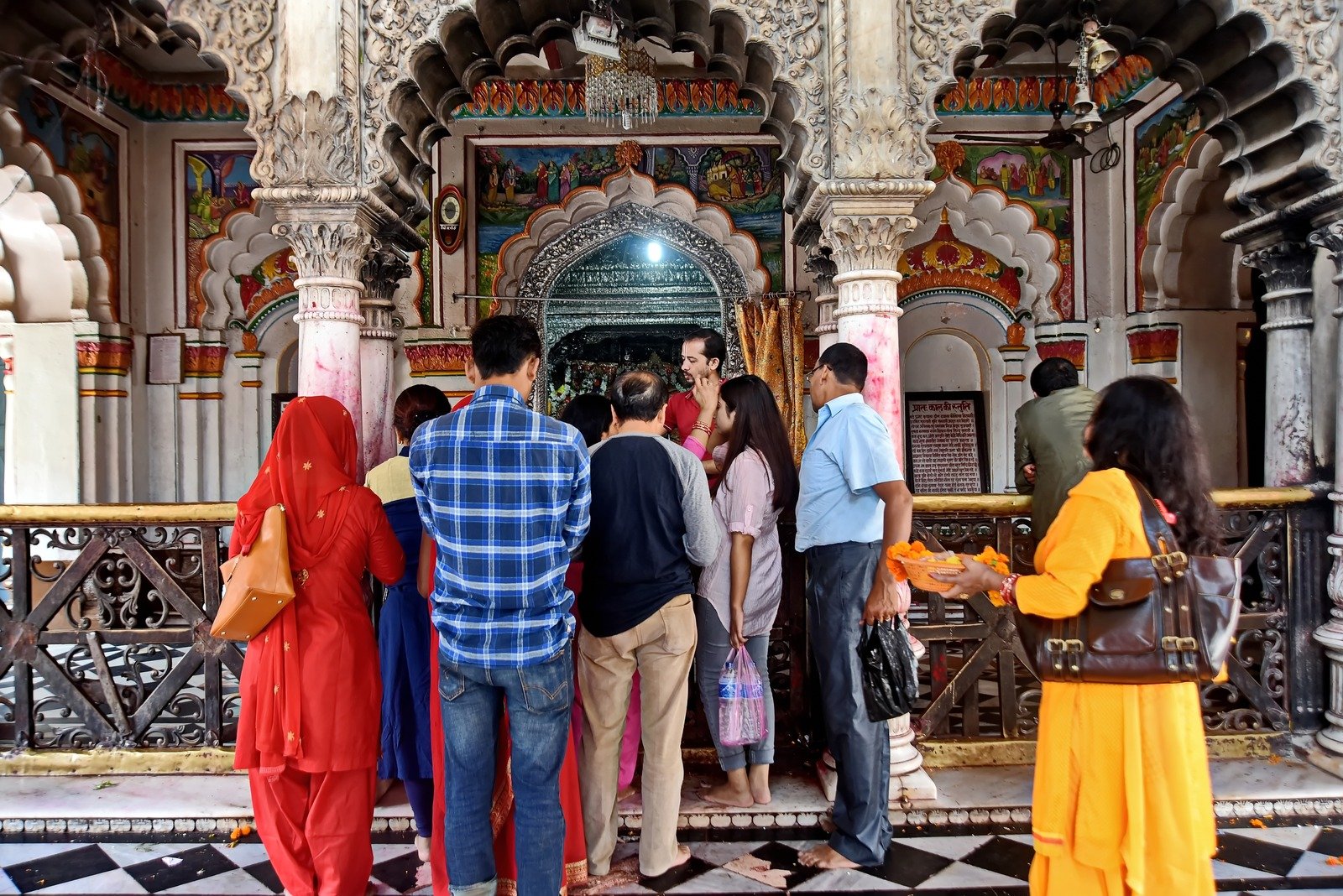
On Monday 23 November 2026, Prime Minister Narendra Modi and Nepal’s Prime Minister Balendra Shah flagged off a train that has never existed before: a direct passenger service between Ayodhya, the birthplace of Ram, and Janakpur Dham in Nepal, the birthplace of Sita. The Saryu-Kamala Express — named after the two rivers that flow past the two cities — will run weekly, covering about 604 km in around 19 hours. Regular commercial service starts on Saturday 28 November, with the first train leaving Janakpur; the first departure from Ayodhya follows on Monday 30 November. Fares and bookings, however, have not been announced yet.
For centuries, the two cities of the Ramayana have been joined by story, pilgrimage and marriage tradition — Ram and Sita — but never by a single train. Pilgrims travelling between them had to change trains, cross the border at Jaynagar on foot or by road, and piece the journey together themselves. From this week, one train does the whole journey. That is the news: not a new line on a map, but the first time the two ends of the Ramayana’s central marriage have been connected by rail.
What the Saryu-Kamala Express is
The new service is a weekly cross-border train and the first direct passenger train between Ayodhya and Janakpur. It takes its name from the Saryu, the river that flows past Ayodhya, and the Kamala, the river that flows past Janakpur. Some outlets spell the name “Saryu-Kamla” or “Sarayu-Kamala”; this report uses the Railway Ministry spelling, Saryu-Kamala, throughout.
The train is a 17-coach LHB rake with room for 1,158 passengers: two AC 2-tier coaches with 52 berths each, three AC 3-tier coaches with 72 berths each, three AC 3-tier Economy coaches with 80 berths each, seven sleeper coaches with 80 berths each, plus one LSLRD coach and one power car. Seventy per cent of the seats are reserved for end-to-end passengers travelling the full Ayodhya–Janakpur journey, and 30 per cent for passengers boarding at intermediate stations, according to PTI, as reported by The Times of India.
The flag-off and the first run
The service was flagged off virtually on Monday 23 November by Mr Modi and Mr Shah, from New Delhi, during the Nepalese prime minister’s state visit to India. Railway Minister Ashwini Vaishnaw and Uttar Pradesh Chief Minister Yogi Adityanath were present at Ayodhya Dham station for the occasion.
An inaugural special ran ahead of the commercial service, as trains 04295/04296. It left Ayodhya Dham at 12:30 IST on Monday 23 November and was due in Janakpur at 10:00 on Tuesday 24 November. The return special, 04296, leaves Janakpur on Tuesday 24 November and arrives at Ayodhya Dham at 08:10 on Wednesday 25 November.
The timetable
The regular service runs once a week in each direction, as trains 15595/15596. The Railway Ministry timetable puts the journey at about 19 hours; some reports say 18 hours, so travellers should treat the timing as approximate until the first commercial runs settle the pattern.
| Train | Route | Departure | Arrival |
|---|---|---|---|
| 15596 | Ayodhya Cantt → Janakpur Dham | Every Monday, 17:50 IST | Tuesday, 12:40 Nepal time |
| 15595 | Janakpur Dham → Ayodhya Cantt | Every Saturday, 13:10 Nepal time | Sunday, 08:10 IST |
Note the starting point: the regular service originates at Ayodhya Cantt, with Ayodhya Dham as a stop on the Ayodhya side — the inaugural special, by contrast, started from Ayodhya Dham itself.
The route: through Bihar, not to Bihar
One point needs stating plainly, because early reports blurred it: this is not an Ayodhya–Bihar train. The terminus is Janakpur Dham, in Nepal. The train only passes through Bihar on its way there.
There are 10 intermediate stops between the two termini: Mankapur, Basti, Gorakhpur, Narkatiaganj, Raxaul, Sitamarhi, Shisho Halt, Madhubani and Jaynagar — plus Ayodhya Dham, on the Ayodhya side. Jaynagar is the last stop in India before the border; from there the train crosses into Nepal for Janakpur. The route therefore threads together three states’ worth of pilgrim country in a single journey: the temple towns of eastern Uttar Pradesh, the border districts of Bihar, and the Mithila region of Nepal.
Who can travel — for now
For the moment, the train is open only to Indian and Nepalese nationals. The reason is practical, not political: there is no immigration clearance facility at Jaynagar, the last Indian stop, and the Sashastra Seema Bal (SSB) checks passengers’ credentials there instead. Foreign nationals cannot travel on the service until that facility opens, according to The Times of India’s Lucknow report of 24 November, citing the Railway Board and the SSB’s 48th Battalion commandant, Rajendra Singh.
That restriction matters for the many overseas devotees who visit Ayodhya each year. If you hold a passport other than an Indian or Nepalese one, do not plan this train into your itinerary yet — wait for the immigration facility to be announced.
Fares and booking: not announced yet
Here is the honest position, a day after the flag-off: nobody can tell you the fare, because no fare has been published. The Hindu reported on 23 November that ticket prices “are yet to be announced on the IRCTC website”, and The Times of India’s Lucknow edition reported on 24 November that bookings have “yet to open on IRCTC or at PRS counters”.
One Times of India travel piece published the same day claims bookings are already open. It is contradicted by the Lucknow report of the same date, so this report treats the booking position as unverified and does not repeat the claim. Until IRCTC lists the service, there is no official fare, no booking window and no seat to reserve — and anyone offering to sell you a ticket for the first runs is not selling an official one. Check IRCTC itself before you pay anything.
Why it matters: the Ramayana Circuit
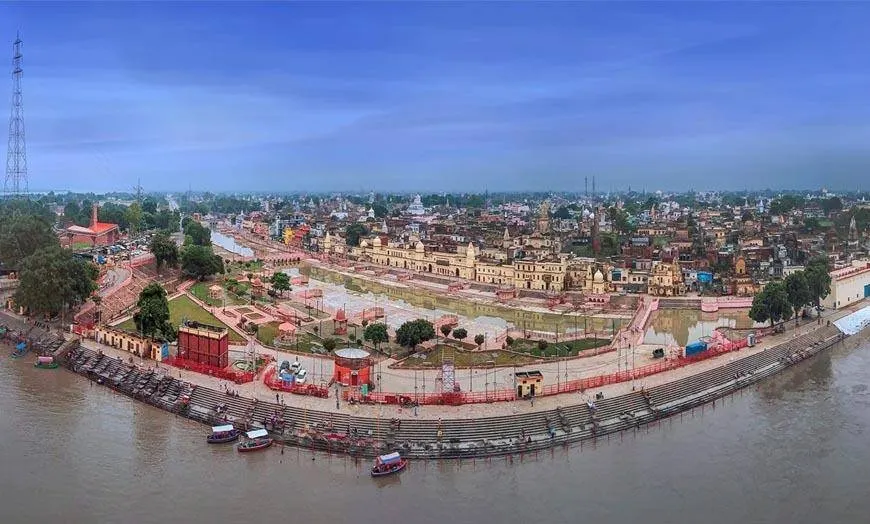
The Railway Ministry and the Press Information Bureau have framed the service as a Ramayana Circuit and religious-tourism project: a direct rail link between the two cities at the heart of the Ramayana, aimed at pilgrims who currently make the journey in stages. The service is also expected to create jobs in the border areas of Uttar Pradesh, Bihar and Nepal, where the train stops, boards passengers and brings footfall.
It is not the only India–Nepal rail link in the works. As NDTV noted, two more cross-border lines are in progress: Jaynagar–Bijalpura–Bardibas and Jogbani–Biratnagar. But this one is the first to carry passengers between the two cities that the epic joins — and the symbolism of that, a train named for two rivers running between Ram’s city and Sita’s city, is the reason the flag-off made national news in both countries.
If you are planning the trip
Plan around the weekly pattern: Mondays out of Ayodhya, Saturdays out of Janakpur, with the return arriving the following morning. Until bookings open, the only practical step is to watch IRCTC for the service to appear — and to carry valid identification, since the SSB checks credentials at Jaynagar. Foreign nationals should hold off until the immigration facility is announced.
While you wait, start with our Ayodhya guide and our Uttar Pradesh guide, and pair the trip with Varanasi and Prayagraj. If you are travelling from Nepal, see our visiting India from Nepal page. For more on Ayodhya this month, read our 14 Kosi Parikrama report and our Diwali in Ayodhya guide. More news is on the News Corner.
Sources
This report is based on The Indian Express (23 November 2026), India TV News (23 November 2026), NDTV (23 November 2026), The Hindu (23 November 2026), The Times of India — travel desk and Lucknow edition (24 November 2026), The Week (23 November 2026), and the Press Information Bureau press release, as reported by The Times of India.
Frequently asked questions
When does the regular Saryu-Kamala Express start running?
The first regular departure leaves Janakpur Dham on Saturday 28 November 2026, and the first departure from Ayodhya follows on Monday 30 November 2026. The inaugural special ran on 23–25 November, ahead of the commercial service.
How long does the journey from Ayodhya to Janakpur take?
About 19 hours for the roughly 604 km journey, according to the Railway Ministry timetable — though some reports put it at 18 hours. Train 15596 leaves Ayodhya Cantt every Monday at 17:50 IST and reaches Janakpur Dham on Tuesday at 12:40 Nepal time; train 15595 leaves Janakpur every Saturday at 13:10 Nepal time and reaches Ayodhya Cantt on Sunday at 08:10 IST.
Which stations does the train stop at?
There are 10 intermediate stops: Mankapur, Basti, Gorakhpur, Narkatiaganj, Raxaul, Sitamarhi, Shisho Halt, Madhubani and Jaynagar, plus Ayodhya Dham on the Ayodhya side. The service originates at Ayodhya Cantt and terminates at Janakpur Dham in Nepal.
Can foreign nationals travel on the Saryu-Kamala Express?
Not initially. The service is open only to Indian and Nepalese nationals for now, because there is no immigration clearance facility at Jaynagar, the last Indian stop, where the SSB checks passengers’ credentials. Foreign nationals will be able to travel only once that facility opens.
How much is a ticket, and how do I book?
That has not been announced yet. The Hindu reported on 23 November that ticket prices are yet to be announced on the IRCTC website, and The Times of India reported on 24 November that bookings have yet to open on IRCTC or at PRS counters. No fare figure has been published, so check IRCTC rather than paying anyone who claims to be selling tickets.
Is this really the first train between Ayodhya and Janakpur?
Yes — it is the first direct passenger train between the two cities. The service is named after the Saryu, which flows past Ayodhya, and the Kamala, which flows past Janakpur. Some outlets spell the name “Saryu-Kamla” or “Sarayu-Kamala”; this report uses the Railway Ministry spelling, Saryu-Kamala, throughout.
Planning a trip to Uttar Pradesh?
Start with our Ayodhya guide and our Uttar Pradesh guide, including Varanasi and Prayagraj. For more on Ayodhya this month, read our 14 Kosi Parikrama report and our Diwali in Ayodhya guide. More news is on the News Corner.