
Bhai Dooj 2026 · News Corner
Bhai Dooj 2026 Is Tomorrow: The God of Death Came Home for a Tilak — and at Dawn, Siblings Will Bathe Together in the Yamuna

By Beauty of Bharat — India travel guide, every place, every flavour.
Guides covering all 36 States and UTs, researched from official sources and checked at publish time. Corrections welcome — see About Beauty of Bharat.
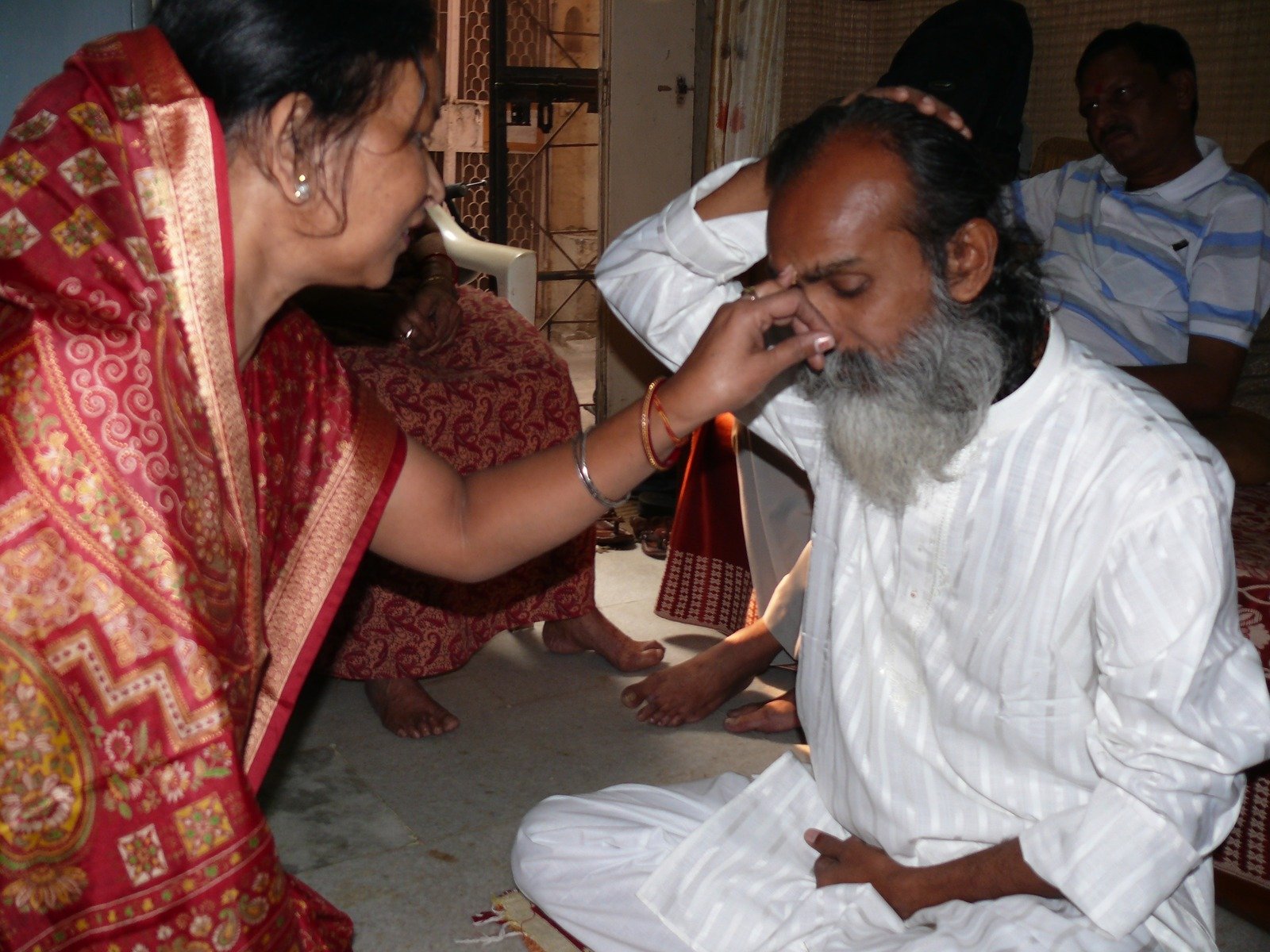
The god of death once travelled to his sister’s house for a meal, and she welcomed him with a tilak on his forehead and a feast on the table. His blessing that day is the reason tomorrow, at dawn, brothers and sisters will step into the Yamuna together at Mathura — last year, around 1.25 lakh of them did exactly that at Vishram Ghat alone.
Bhai Dooj 2026 falls on Wednesday 11 November in India, according to Drik Panchang’s calendar for New Delhi. The Dwitiya tithi begins at 2:00 PM today, Tuesday 10 November, and ends at 3:53 PM tomorrow — and the tilak muhurat in Delhi runs from 1:10 to 3:20 PM, in the afternoon period called aparahna. It is the fifth and last day of the Diwali festival: Dhanteras fell on Friday 6 November, Diwali on Sunday 8 November, Govardhan Puja is today, and Bhai Dooj closes the week tomorrow.
Wednesday, not Tuesday: why the date confuses people
The confusion comes from the tithi straddling two days. Dwitiya, the second day of the bright fortnight of Kartik, arrives at 2:00 PM on Tuesday — so some calendars list 10 November. North Indian panchangs follow the udaya tithi rule: the tithi in force at sunrise owns the day, and Dwitiya is in force at sunrise on Wednesday, so the festival is 11 November. Drik Panchang lists Tuesday 10 November for the USA, Canada, the UK and the UAE, where the tithi falls differently — so if you are celebrating abroad, check your local panchang rather than the Indian date.
The story: Yama, Yamuna and the tilak that beat death
The best-known legend is a sibling story, told in the Puranas. Yama, the god of death, visited his sister Yamuna — the river goddess — after a long separation. She welcomed him with a tilak on his forehead, an aarti, and a feast. Pleased, Yama declared that any brother who receives his sister’s tilak on this day would be protected from untimely death. That is why the festival is also called Yama Dwitiya, and why the day belongs to the brother’s long life.
A second legend tells the same ritual from the other end of the family. After killing the demon Narakasura, Krishna visited his sister Subhadra, who welcomed him home with an aarti and a tilak — and Krishna, in return, promised always to protect her. Both stories end in the same place: a sister’s mark on a brother’s forehead, and a promise of protection.
One festival, many names
The tilak is the same everywhere; the name and the customs change with the region. In West Bengal it is Bhai Phonta: sisters apply the mark with curd, sandalwood paste or kajal, reciting a traditional prayer for their brothers’ long lives, and the meal runs to sandesh and rasgulla. In Maharashtra and Goa it is Bhau Beej: in some families brothers crush a karith — a bitter fruit — before the puja, and the table carries shrikhand puri and basundi. In Gujarat it is Bhai Bij, where brothers traditionally visit their sisters’ homes and are welcomed with aarti and a tilak of kumkum and rice. Among Nepali-speaking families in Sikkim and Darjeeling it is Bhai Tika: sisters put a colourful tika on the brother’s forehead, give garlands of marigold or makhamali flowers, and serve sel roti. In Braj it is Yama Dwitiya — and the celebration starts at the river, not at home.
Kayastha families add a second observance on the same day: Chitragupta Puja, worshipping the pen, ink and account books of Yama’s record-keeper.
Mathura at dawn: the Yamuna bath
For the festival’s heartland, the day begins before sunrise. At Mathura’s Vishram Ghat, brothers and sisters go down the steps together and bathe in the Yamuna hand in hand — the dip Yama’s blessing made holy. The ghat is where Krishna is believed to have rested after killing Kansa, and beside it stands the Yam Yamuna temple, also called the Yamuna–Dharmraj temple, one of the oldest temples in Mathura, dedicated to the two divine siblings together. It opens at 6:30 AM on the day (6:30 AM–1:00 PM, then 4:00–8:00 PM).
The crowds are the story of the morning. Last year, around 1.25 lakh devotees gathered at Vishram Ghat alone for the Bhai Dooj dip, according to IANS; in 2024, officials counted over two lakh across the ghats of Mathura and Vrindavan, including Keshi Ghat. The priest Kanta Chaturvedi put the belief plainly to PTI in 2024: by Yama’s boon, siblings of any age who take the dip together at Vishram Ghat will be spared the wrath of Yama’s messengers. In 2025, Vrindavan’s Shri Mathur Chaturved Parishad ran a Lost and Found camp at the ghats that reunited nearly seventy-five devotees with their families — a measure of how dense the crowds get.
Practical notes for the morning: arrive early, expect queues at the temple and slippery steps — silt on the ghats tripped devotees last year — and look for the lifeguards, divers and police the city deploys for the day. Boats run from Vishram Ghat along the other ghats for those who would rather watch the morning from the river.
The afternoon tilak: how it is done
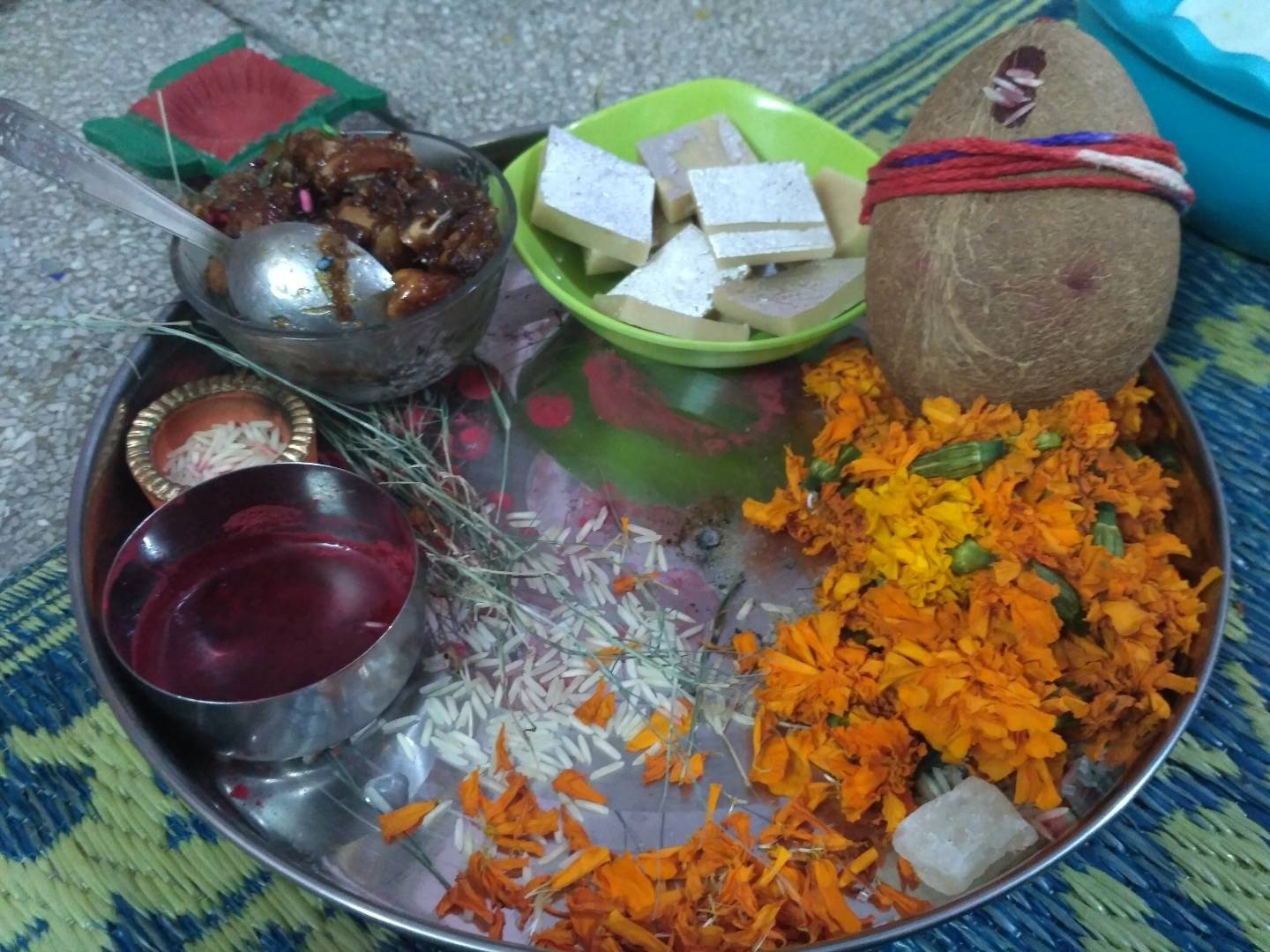
The tilak itself belongs to the afternoon, in the aparahna window. Sisters prepare a thali — a diya, kumkum or roli, rice, flowers and sweets, often with a coconut — apply the tilak to the brother’s forehead and perform aarti while praying for his long life, good health and happiness. Then come the sweets, the gifts — traditionally clothes or money from the brother, though today siblings often exchange gifts both ways — and a meal together, often the brother’s favourite dishes cooked by the sister. In some families, sisters fast until the puja is complete.
Travelling for Bhai Dooj: what to know
If you are heading to Mathura tomorrow, go early and expect the city to be full: the festival week has already drawn lakhs to Braj for Govardhan Puja today. Delhi travellers should check the air before setting out — the capital’s air was still “very poor” to “severe” through the Diwali week; see our Delhi weather and AQI post. And check your city’s own muhurat rather than Delhi’s: the aparahna window runs 1:30–3:46 PM in Mumbai and 1:09–3:20 PM in Mathura, against Delhi’s 1:10–3:20 PM.
One thing not to assume: Bhai Dooj is not a national holiday. It is a public holiday in some states, including West Bengal and Maharashtra, and schools, banks and government offices follow different schedules elsewhere — worth checking before you travel.
Frequently asked questions
When is Bhai Dooj in 2026?
Wednesday 11 November 2026. The Dwitiya tithi runs from 2:00 PM on Tuesday 10 November to 3:53 PM on Wednesday 11 November, and the tilak muhurat in New Delhi is 1:10–3:20 PM.
Why do some calendars say Bhai Dooj is on 10 November 2026?
The Dwitiya tithi begins on Tuesday afternoon, so calendars that count from the tithi’s start list 10 November. North India follows the udaya tithi rule — the tithi in force at sunrise owns the day — which puts the festival on Wednesday 11 November. Drik Panchang lists 10 November for the USA, Canada, the UK and the UAE.
What time is the tilak muhurat in my city?
Delhi 1:10–3:20 PM; Mumbai 1:30–3:46 PM; Mathura 1:09–3:20 PM. Timings come from local sunrise and sunset, so check your city’s panchang.
Why do brothers and sisters bathe in the Yamuna at Mathura on Bhai Dooj?
By Yama’s boon, siblings who bathe together in the Yamuna at Vishram Ghat on this day are protected from untimely death. Around 1.25 lakh devotees gathered at Vishram Ghat for the dip in 2025.
How is Bhai Dooj different from Raksha Bandhan?
Both celebrate the brother–sister bond, but the rituals differ: on Raksha Bandhan the sister ties a rakhi on the brother’s wrist; on Bhai Dooj she applies a tilak on his forehead and performs aarti. The two festivals also have different legends.
Is Bhai Dooj a public holiday?
Not nationally. It is observed as a public holiday in some states, including West Bengal and Maharashtra; elsewhere, schools, banks and offices follow their own schedules.
Planning a trip to Braj?
Planning a Braj trip? Start with our Mathura–Vrindavan guide and the Uttar Pradesh state guide, then the 3-day Agra–Mathura itinerary. Also see our Diwali 2026 dates guide, our Braj Holi guide, our Govardhan Puja post from today, and our Delhi weather and AQI post — and the News Corner for the day’s other stories.