
Food Atlas · Rajasthan
Gatte ki sabzi: Gram-flour dumplings in tangy curd gravy

By Beauty of Bharat — India travel guide, every place, every flavour.
Guides covering all 36 States and UTs, researched from official sources and checked at publish time. Corrections welcome — see About Beauty of Bharat.
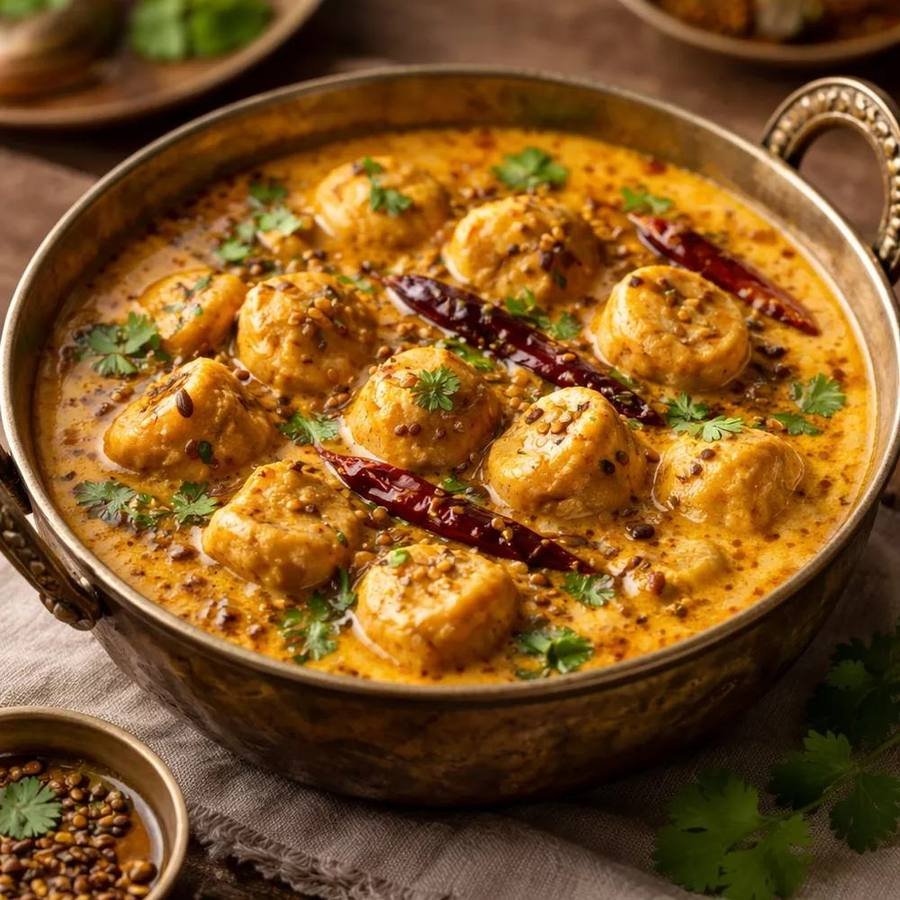
In Rajasthan, Gatte ki sabzi is not just a menu entry; it is a clue to how the state cooks, celebrates and feeds people. A curry of steamed besan dumplings simmered in a spiced yogurt-based gravy.
A detail worth knowing before the first bite: the water used to boil the gatte is often added to the gravy so no flavour is lost. Keep that in mind as you read on, because Gatte ki sabzi rewards eaters who notice how Rajasthan seasons, serves and shares its food.
Gatte ki sabzi at a Glance
| State / UT | Rajasthan |
| Capital / base | Jaipur |
| What it is | A curry of steamed besan dumplings simmered in a spiced yogurt-based gravy |
| Main ingredients | gram flour (besan), curd, ajwain and red chilli, turmeric and coriander powder, asafoetida and cumin and ghee or oil |
| Taste | Tangy, savoury and warmly spiced, with the dumplings absorbing the sour curd gravy |
| Texture | Gatte are firm yet tender, slightly chewy, in a smooth, medium-thick gravy |
| Usually eaten | Served hot with roti, bati or steamed rice, often as part of a Rajasthani thali |
| Occasion | An everyday home curry and a common festive thali item in Rajasthan |
The Story on Rajasthan’s Table
Gatte ki sabzi reflects Rajasthan's pantry ingenuity: in a dry region where fresh vegetables could be scarce, gram flour and curd became a curry in themselves. It is a staple of Marwari home cooking and festive meals without fresh produce. The dish shows how besan functions as both vegetable and thickener in Rajasthani kitchens. That context is essential in Rajasthan, where a plate can signal a harvest, a religious calendar, a market habit or the meeting of communities. Gatte ki sabzi belongs in this atlas under Rajasthan because this is the setting in which its ingredients, accompaniments and meaning come together.
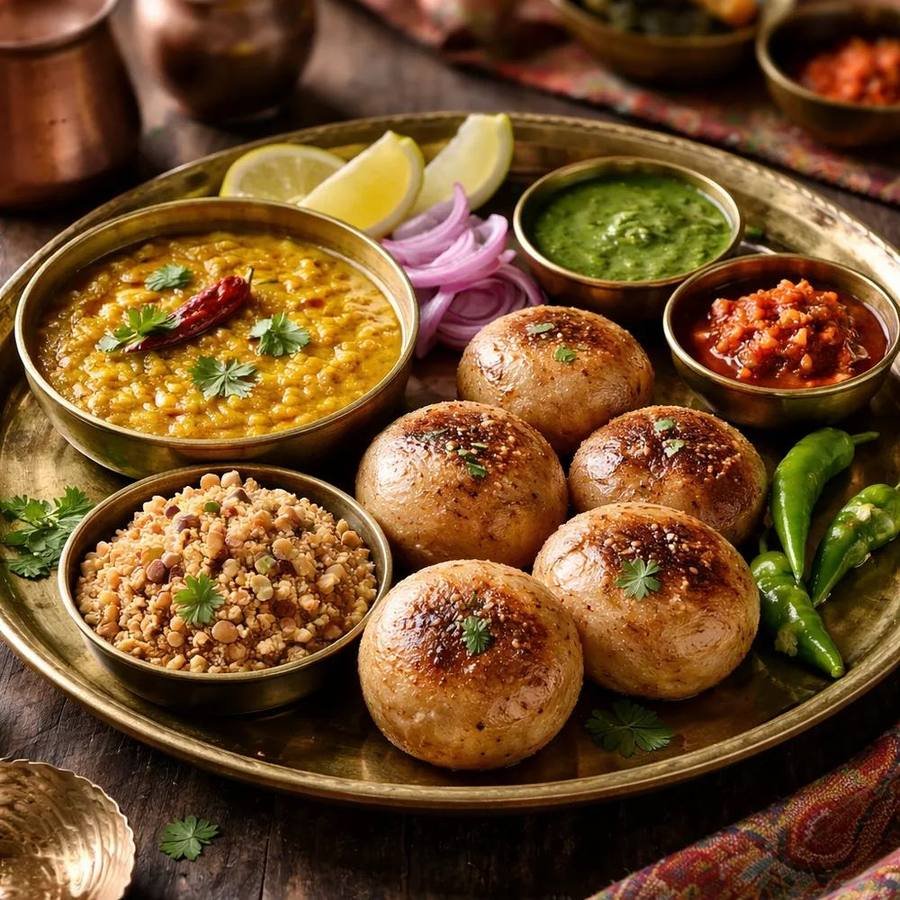
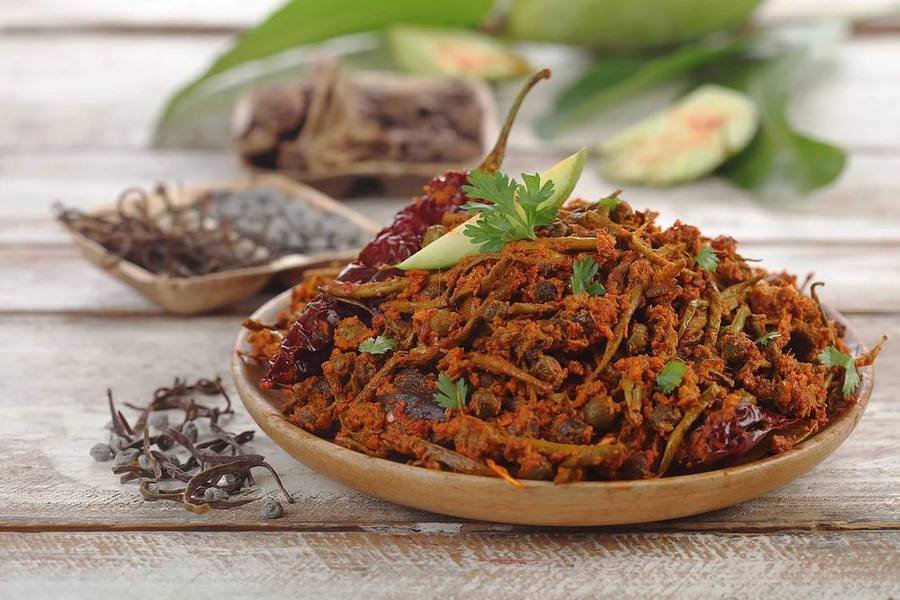
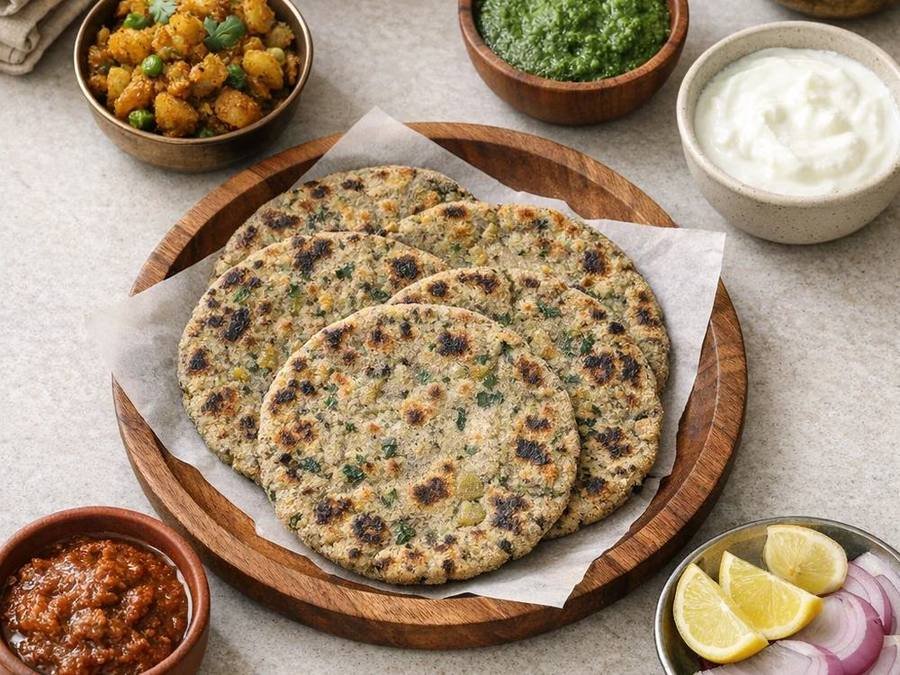
The state guide places Gatte ki sabzi alongside Dal bati churma, Ker sangri and Bajra roti. Start with the Rajasthan travel and food guide if you are planning where this tasting fits into a route.
Taste, Texture and Ingredients
Expect tangy, savoury and warmly spiced, with the dumplings absorbing the sour curd gravy. Think gatte are firm yet tender, slightly chewy, in a smooth, medium-thick gravy.
The ingredient list is best read as a structure rather than a shopping list: gram flour (besan), curd, ajwain and red chilli, turmeric and coriander powder, asafoetida and cumin and ghee or oil.
How Gatte ki sabzi Is Made
A stiff, spiced besan dough is rolled into cylinders, boiled until cooked, then sliced into rounds. The pieces are simmered in a whisked curd gravy that is stirred carefully so it does not split. The cooking rewards attention to sequence and balance rather than a long list of additions.
When Gatte ki sabzi is made for a gathering, that timing also becomes social — food reaches the table as part of a shared rhythm, not as an isolated plate.
When and How It Is Eaten
Served hot with roti, bati or steamed rice, often as part of a Rajasthani thali. Its natural moment is an everyday home curry and a common festive thali item in Rajasthan.
Rajasthan’s broader food culture helps explain the serving style. The state is known for forts, palaces and desert, and its calendar includes Pushkar Camel Fair and Gangaur.
Where to Try It in Rajasthan
Order it in a Marwari thali in Jodhpur or Jaipur for the classic curd-gravy version. The most convincing first plate usually comes from paying attention to where local people already eat.
Gatte ki sabzi pairs naturally with time in Jaipur and Udaipur, and can sit just as comfortably beside a quieter excursion to Bundi or Kumbhalgarh.
More Dishes of Rajasthan
Continue through Rajasthan’s other signature plates and drinks below — each has its own page, photograph and story.

Frequently Asked Questions
What is Gatte ki sabzi?
A curry of steamed besan dumplings simmered in a spiced yogurt-based gravy. Expect tangy, savoury and warmly spiced, with the dumplings absorbing the sour curd gravy.
What are the main ingredients in Gatte ki sabzi?
The defining ingredients or components are gram flour (besan), curd, ajwain and red chilli, turmeric and coriander powder, asafoetida and cumin and ghee or oil. A stiff, spiced besan dough is rolled into cylinders, boiled until cooked, then sliced into rounds. The pieces are simmered in a whisked curd gravy that is stirred carefully so it does not split.
What does Gatte ki sabzi taste like?
Expect tangy, savoury and warmly spiced, with the dumplings absorbing the sour curd gravy. Think gatte are firm yet tender, slightly chewy, in a smooth, medium-thick gravy. Serving pattern: Served hot with roti, bati or steamed rice, often as part of a Rajasthani thali.
When is Gatte ki sabzi eaten in Rajasthan?
An everyday home curry and a common festive thali item in Rajasthan. Variations include stuffed gatte and a drier masala gatte preparation.
Where can I try Gatte ki sabzi in Rajasthan?
Order it in a Marwari thali in Jodhpur or Jaipur for the classic curd-gravy version. Pair a first tasting with Dal bati churma and Ker sangri to see how Gatte ki sabzi sits within the wider Rajasthan table.
Every Place. Every Flavour.
Gatte ki sabzi is one of 7 dishes and drinks profiled from Rajasthan — and one of 213 regional dishes across all 36 states and union territories in this atlas.
Open the Rajasthan guide Read the blog