
Food Atlas · Gujarat
Khandvi: Silky besan rolls that melt before you chew

By Beauty of Bharat — India travel guide, every place, every flavour.
Guides covering all 36 States and UTs, researched from official sources and checked at publish time. Corrections welcome — see About Beauty of Bharat.
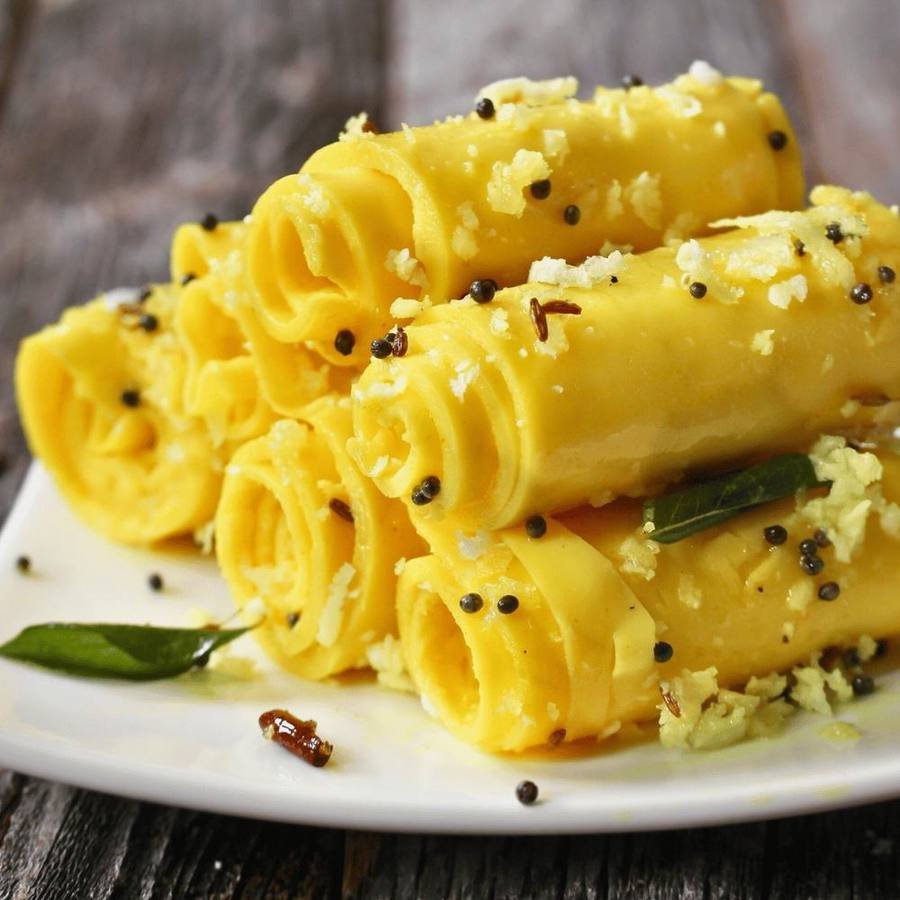
In Gujarat, Khandvi is not just a menu entry; it is a clue to how the state cooks, celebrates and feeds people. Khandvi is a snack of thin, set layers of cooked gram-flour and buttermilk batter, spread, rolled into tight spirals and tempered.
A detail worth knowing before the first bite: overcooking the batter makes khandvi rubbery; undercooking makes it impossible to roll. Keep that in mind as you read on, because Khandvi rewards eaters who notice how Gujarat seasons, serves and shares its food.
Khandvi at a Glance
| State / UT | Gujarat |
| Capital / base | Gandhinagar |
| What it is | Khandvi is a snack of thin, set layers of cooked gram-flour and buttermilk batter, spread, rolled into tight spirals and tempered |
| Main ingredients | besan (gram flour), sour buttermilk or curd, turmeric, ginger-green chilli paste, mustard seeds, sesame seeds, curry leaves, grated coconut and coriander |
| Taste | Delicately tangy and savoury, very mild, with aroma from the tempering and freshness from coconut and coriander |
| Texture | Silky, smooth and melt-in-the-mouth, with soft layered rolls and no chewiness when well made |
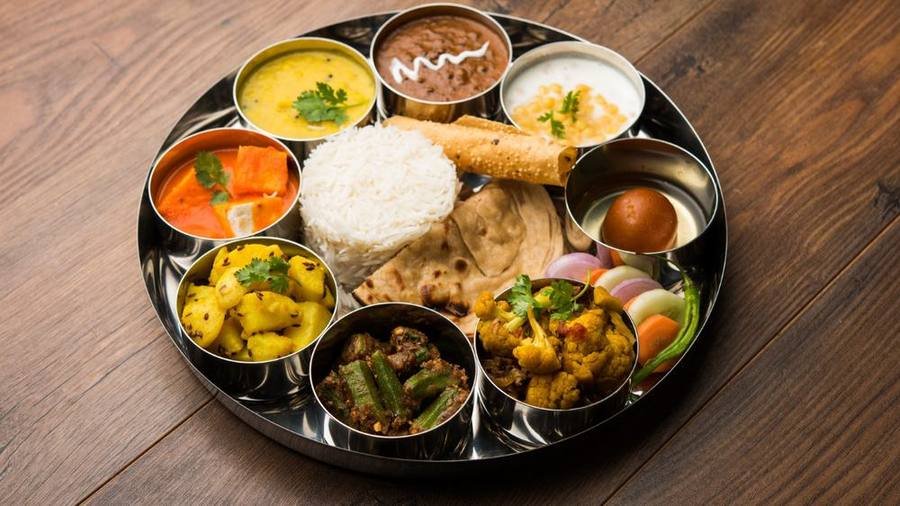
| Usually eaten | Served at room temperature as a snack or as part of a Gujarati thali, with chutney |
| Occasion | Tea-time, festive farsan and thali accompaniment |
The Story on Gujarat’s Table
Khandvi is considered one of the most skill-testing Gujarati farsan items: the batter must be cooked to exactly the right consistency and spread within moments. It represents the refined, delicate end of Gujarati snack-making, in contrast to its many fried items. Home cooks regard clean, unbroken rolls as a mark of expertise. That context is essential in Gujarat, where a plate can signal a harvest, a religious calendar, a market habit or the meeting of communities. Khandvi belongs in this atlas under Gujarat because this is the setting in which its ingredients, accompaniments and meaning come together.
The state guide places Khandvi alongside Dhokla, Thepla and Undhiyu. Start with the Gujarat travel and food guide if you are planning where this tasting fits into a route.
Taste, Texture and Ingredients
Expect delicately tangy and savoury, very mild, with aroma from the tempering and freshness from coconut and coriander. Think silky, smooth and melt-in-the-mouth, with soft layered rolls and no chewiness when well made.
The ingredient list is best read as a structure rather than a shopping list: besan (gram flour), sour buttermilk or curd, turmeric, ginger-green chilli paste, mustard seeds, sesame seeds, curry leaves, grated coconut and coriander.
How Khandvi Is Made
Besan is whisked into buttermilk and cooked, stirring constantly, until it thickens to a spreading paste. It is spread in a thin film on a flat surface, cut into strips, rolled up, and finished with a hot mustard-sesame tempering. Good versions are built patiently, with each stage adding aroma, body or contrast.
When Khandvi is made for a gathering, that timing also becomes social — food reaches the table as part of a shared rhythm, not as an isolated plate.
When and How It Is Eaten
Served at room temperature as a snack or as part of a Gujarati thali, with chutney. Its natural moment is tea-time, festive farsan and thali accompaniment.
Gujarat’s broader food culture helps explain the serving style. The state is known for rann, crafts and heritage, and its calendar includes Navratri and Rann Utsav.
Where to Try It in Gujarat
Buy it from established farsan shops in Ahmedabad and Surat, where it is made fresh daily. A first tasting is best treated as fieldwork: watch how the dish is served, what surrounds it and when it appears.
Khandvi pairs naturally with time in Ahmedabad and Kutch, and can sit just as comfortably beside a quieter excursion to Dholavira or Modhera.
More Dishes of Gujarat
Continue through Gujarat’s other signature plates and drinks below — each has its own page, photograph and story.


Frequently Asked Questions
What is Khandvi?
Khandvi is a snack of thin, set layers of cooked gram-flour and buttermilk batter, spread, rolled into tight spirals and tempered. Expect delicately tangy and savoury, very mild, with aroma from the tempering and freshness from coconut and coriander.
What are the main ingredients in Khandvi?
The defining ingredients or components are besan (gram flour), sour buttermilk or curd, turmeric, ginger-green chilli paste, mustard seeds, sesame seeds, curry leaves, grated coconut and coriander. Besan is whisked into buttermilk and cooked, stirring constantly, until it thickens to a spreading paste. It is spread in a thin film on a flat surface, cut into strips, rolled up, and finished with a hot mustard-sesame tempering.
What does Khandvi taste like?
Expect delicately tangy and savoury, very mild, with aroma from the tempering and freshness from coconut and coriander. Think silky, smooth and melt-in-the-mouth, with soft layered rolls and no chewiness when well made. Serving pattern: Served at room temperature as a snack or as part of a Gujarati thali, with chutney.
When is Khandvi eaten in Gujarat?
Tea-time, festive farsan and thali accompaniment. A garlic-flavoured version, lasaniya khandvi, is popular in parts of Saurashtra.
Where can I try Khandvi in Gujarat?
Buy it from established farsan shops in Ahmedabad and Surat, where it is made fresh daily. Pair a first tasting with Dhokla and Thepla to see how Khandvi sits within the wider Gujarat table.
Every Place. Every Flavour.
Khandvi is one of 6 dishes and drinks profiled from Gujarat — and one of 213 regional dishes across all 36 states and union territories in this atlas.
Open the Gujarat guide Read the blog