
Food Atlas · Delhi
Nihari: Slow-cooked overnight, eaten at dawn in Old Delhi

By Beauty of Bharat — India travel guide, every place, every flavour.
Guides covering all 36 States and UTs, researched from official sources and checked at publish time. Corrections welcome — see About Beauty of Bharat.

Some dishes explain a region faster than a map. In Delhi, Nihari is one of them. A slow-braised meat stew, classically beef or mutton shank, in a spiced, lightly thickened gravy, garnished with ginger, chillies and lemon.
A detail worth knowing before the first bite: despite its richness, classic nihari gravy is only lightly thickened — the body comes from slow-cooked shank. Keep that in mind as you read on, because Nihari rewards eaters who notice how Delhi seasons, serves and shares its food.
Nihari at a Glance
| State / UT | Delhi |
| Capital / base | New Delhi |
| What it is | A slow-braised meat stew, classically beef or mutton shank, in a spiced, lightly thickened gravy, garnished with ginger, chillies and lemon |
| Main ingredients | meat shank, mutton or beef depending on the shop, browned onions, wheat flour or similar light thickening, long pepper and garam masala in traditional blends, fresh ginger juliennes and green chillies and lemon to finish |
| Taste | Deep, savoury and gelatinous with slow-building warmth; fresh ginger and lemon cut through the richness at the table |
| Texture | Meat so tender it falls from the bone, in a gravy that coats the spoon without being heavy or floury |
| Usually eaten | Eaten with khameeri roti or naan, which scoop up the gravy, traditionally as a heavy breakfast rather than a dinner |
| Occasion | Early-morning eating in Old Delhi, winter breakfasts, and special trips during Ramadan when timings shift to the night |
The Story on Delhi’s Table
Nihari is rooted in Mughal-era Delhi — its name is linked to nihar, the early morning, when it was traditionally eaten after dawn prayers. Old Delhi eateries in Shahjahanabad kept the tradition alive, and some shops still sell out by mid-morning after cooking through the night. That context is essential in Delhi, where a plate can signal a harvest, a religious calendar, a market habit or the meeting of communities. Nihari belongs in this atlas under Delhi because this is the setting in which its ingredients, accompaniments and meaning come together.
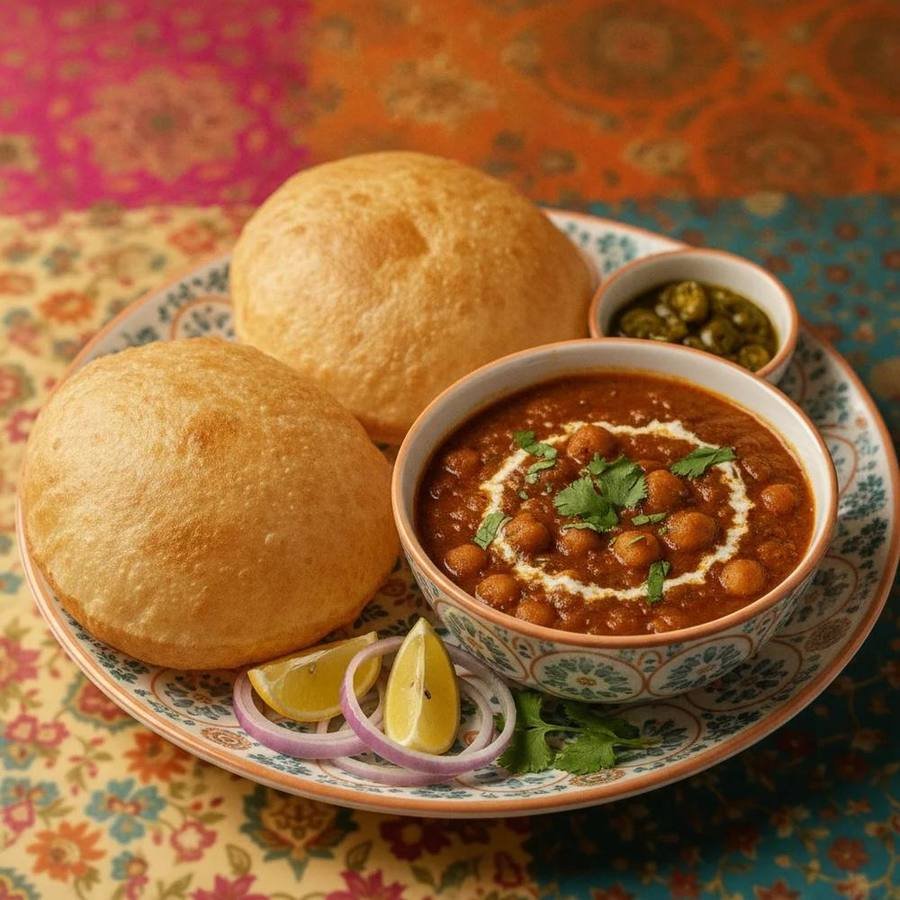
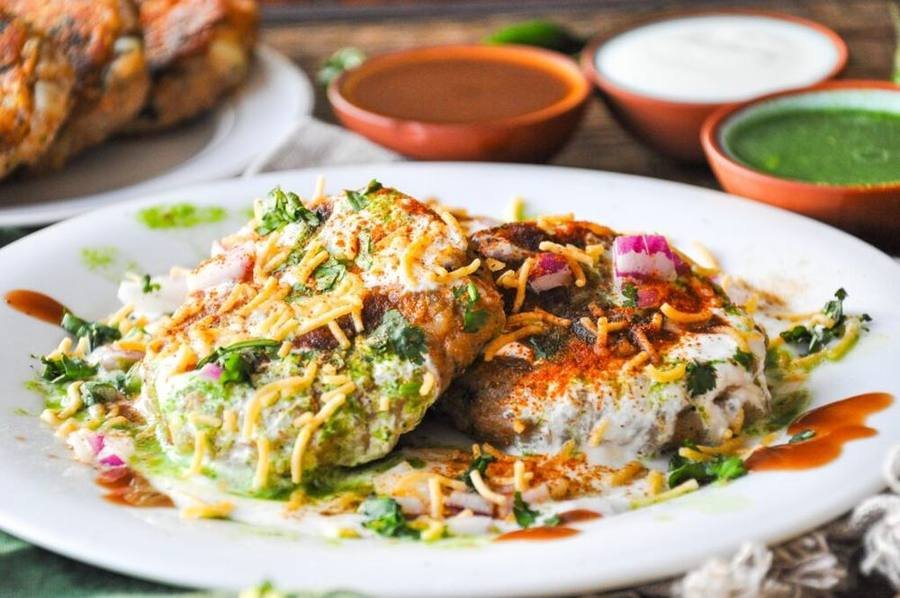
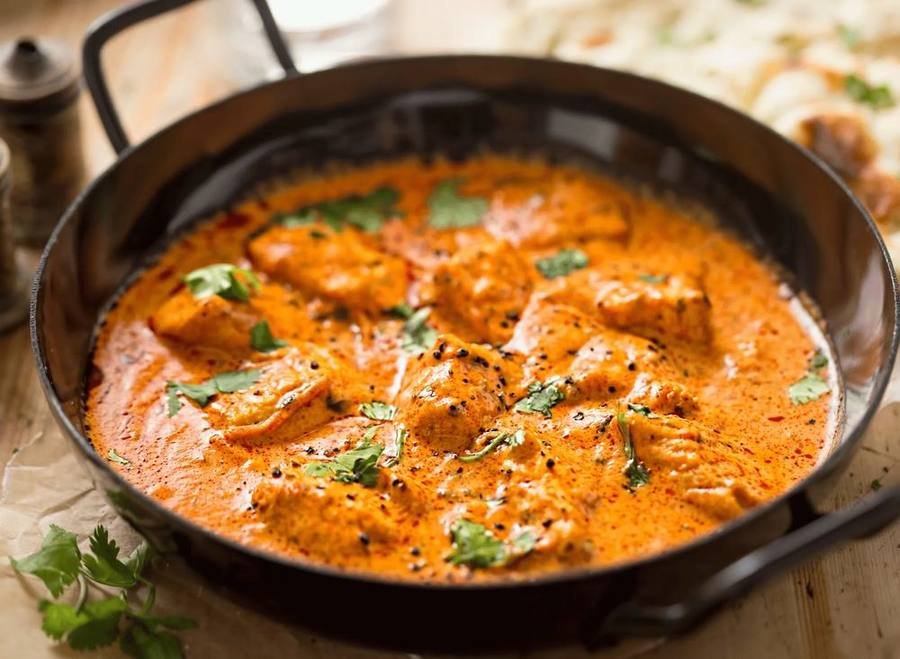
The state guide places Nihari alongside Chole bhature, Parathas and Chaat. Start with the Delhi travel and food guide if you are planning where this tasting fits into a route.
Taste, Texture and Ingredients
Expect deep, savoury and gelatinous with slow-building warmth; fresh ginger and lemon cut through the richness at the table. Think meat so tender it falls from the bone, in a gravy that coats the spoon without being heavy or floury.
The ingredient list is best read as a structure rather than a shopping list: meat shank, mutton or beef depending on the shop, browned onions, wheat flour or similar light thickening, long pepper and garam masala in traditional blends, fresh ginger juliennes and green chillies and lemon to finish.
How Nihari Is Made
Tough shank cuts are browned with onions and spices, then braised very slowly for hours until the connective tissue melts. The gravy is lightly thickened, rested, and finished at serving with ginger, chillies, coriander and lemon. The cooking rewards attention to sequence and balance rather than a long list of additions.
When Nihari is made for a gathering, that timing also becomes social — food reaches the table as part of a shared rhythm, not as an isolated plate.
When and How It Is Eaten
Eaten with khameeri roti or naan, which scoop up the gravy, traditionally as a heavy breakfast rather than a dinner. Its natural moment is early-morning eating in Old Delhi, winter breakfasts, and special trips during Ramadan when timings shift to the night.
Delhi’s broader food culture helps explain the serving style. The state is known for history, food and museums, and its calendar includes Republic Day events and Diwali.
Where to Try It in Delhi
Go early to the Jama Masjid and Ballimaran areas of Old Delhi — the most sought-after pots can finish by mid-morning. The most convincing first plate usually comes from paying attention to where local people already eat.
Nihari pairs naturally with time in Red Fort and India Gate, and can sit just as comfortably beside a quieter excursion to Mehrauli Archaeological Park or Sunder Nursery.
More Dishes of Delhi
Continue through Delhi’s other signature plates and drinks below — each has its own page, photograph and story.



Frequently Asked Questions
What is Nihari?
A slow-braised meat stew, classically beef or mutton shank, in a spiced, lightly thickened gravy, garnished with ginger, chillies and lemon. Expect deep, savoury and gelatinous with slow-building warmth; fresh ginger and lemon cut through the richness at the table.
What are the main ingredients in Nihari?
The defining ingredients or components are meat shank, mutton or beef depending on the shop, browned onions, wheat flour or similar light thickening, long pepper and garam masala in traditional blends, fresh ginger juliennes and green chillies and lemon to finish. Tough shank cuts are browned with onions and spices, then braised very slowly for hours until the connective tissue melts. The gravy is lightly thickened, rested, and finished at serving with ginger, chillies, coriander and lemon.
What does Nihari taste like?
Expect deep, savoury and gelatinous with slow-building warmth; fresh ginger and lemon cut through the richness at the table. Think meat so tender it falls from the bone, in a gravy that coats the spoon without being heavy or floury. Serving pattern: Eaten with khameeri roti or naan, which scoop up the gravy, traditionally as a heavy breakfast rather than a dinner.
When is Nihari eaten in Delhi?
Early-morning eating in Old Delhi, winter breakfasts, and special trips during Ramadan when timings shift to the night. The garnish is not decoration: ginger, chilli and lemon are essential to balance the stew.
Where can I try Nihari in Delhi?
Go early to the Jama Masjid and Ballimaran areas of Old Delhi — the most sought-after pots can finish by mid-morning. Pair a first tasting with Chole bhature and Parathas to see how Nihari sits within the wider Delhi table.
Every Place. Every Flavour.
Nihari is one of 7 dishes and drinks profiled from Delhi — and one of 213 regional dishes across all 36 states and union territories in this atlas.
Open the Delhi guide Read the blog