
Food Atlas · Delhi
Jalebi: Hot, crisp spirals straight from Old Delhi's kadhais

By Beauty of Bharat — India travel guide, every place, every flavour.
Guides covering all 36 States and UTs, researched from official sources and checked at publish time. Corrections welcome — see About Beauty of Bharat.

Some dishes explain a region faster than a map. In Delhi, Jalebi is one of them. Fermented batter piped in spirals, deep-fried and soaked briefly in saffron-tinted sugar syrup, eaten hot and crisp.
A detail worth knowing before the first bite: delhi also loves the jalebi's bigger cousin, imarti, made from urad dal batter — shops often sell both. Keep that in mind as you read on, because Jalebi rewards eaters who notice how Delhi seasons, serves and shares its food.
Jalebi at a Glance
| State / UT | Delhi |
| Capital / base | New Delhi |
| What it is | Fermented batter piped in spirals, deep-fried and soaked briefly in saffron-tinted sugar syrup, eaten hot and crisp |
| Main ingredients | refined flour batter, lightly fermented, sugar syrup, saffron or food colour in some shops, cardamom in the syrup, ghee or oil for frying and rabri as an accompaniment in some places |
| Taste | Intensely sweet with a faint fermented tang beneath, softened when paired with creamy rabri or hot milk |
| Texture | Shatteringly crisp shell with a syrupy, juicy centre — a texture that fades within minutes as the jalebi cools |
| Usually eaten | Sold by weight and eaten immediately, often for breakfast with poori-sabzi nearby, or with rabri and hot milk in winter |
| Occasion | Morning treats in Old Delhi, festival sweet purchases, and winter evenings when hot jalebi is most craved |
The Story on Delhi’s Table
Jalebi's ancestors travelled from West Asia — as zalabiya — into Indian kitchens centuries ago, and Old Delhi made it a morning ritual. The Old Famous Jalebi Wala in Chandni Chowk, founded in 1884, is among the shops that turned hot jalebi with rabri or milk into a Shahjahanabad institution. That context is essential in Delhi, where a plate can signal a harvest, a religious calendar, a market habit or the meeting of communities. Jalebi belongs in this atlas under Delhi because this is the setting in which its ingredients, accompaniments and meaning come together.
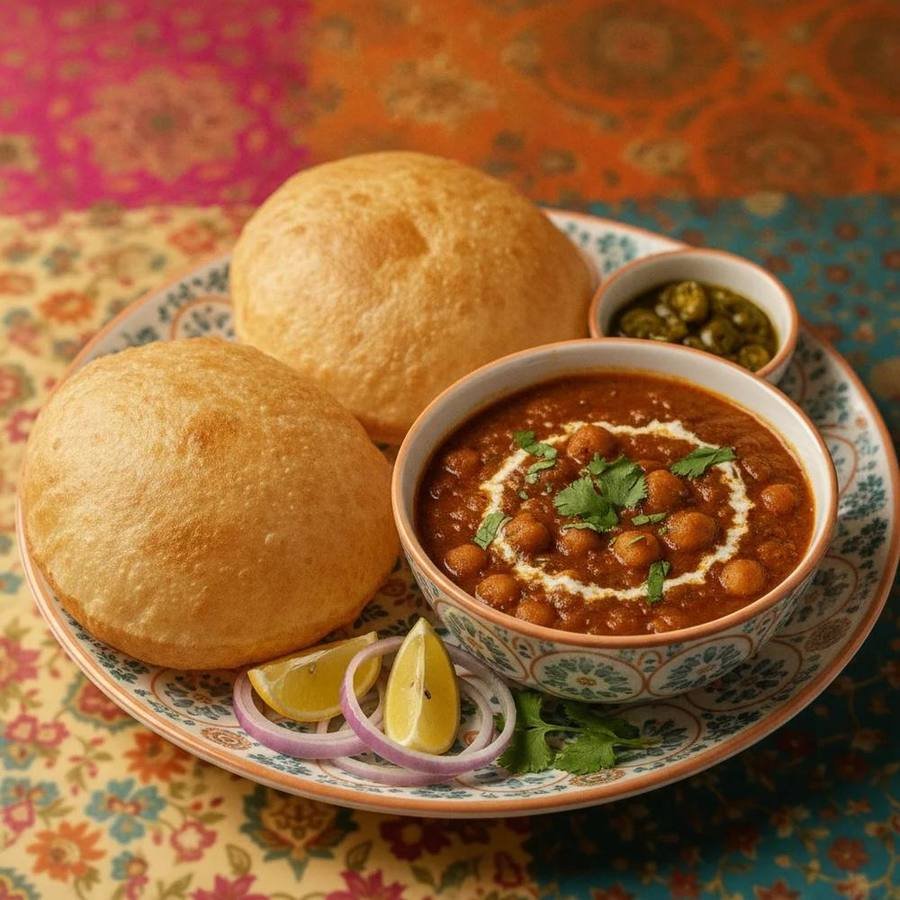
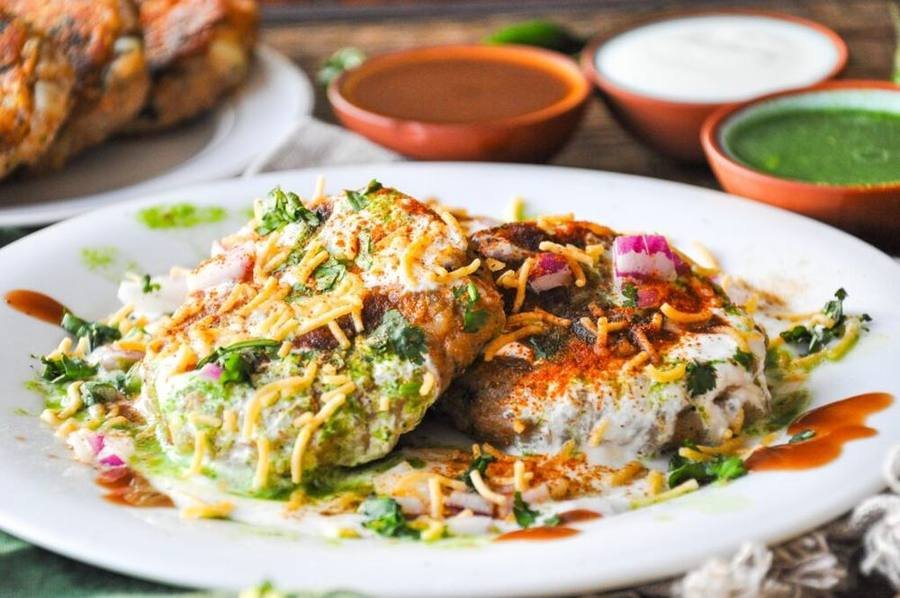
The state guide places Jalebi alongside Chole bhature, Parathas and Chaat. Start with the Delhi travel and food guide if you are planning where this tasting fits into a route.
Taste, Texture and Ingredients
Expect intensely sweet with a faint fermented tang beneath, softened when paired with creamy rabri or hot milk. Think shatteringly crisp shell with a syrupy, juicy centre — a texture that fades within minutes as the jalebi cools.
The ingredient list is best read as a structure rather than a shopping list: refined flour batter, lightly fermented, sugar syrup, saffron or food colour in some shops, cardamom in the syrup, ghee or oil for frying and rabri as an accompaniment in some places.
How Jalebi Is Made
Batter is fermented until slightly airy, piped from a cloth or nozzle in tight spirals into hot fat, fried until crisp and orange, then dipped in warm syrup just long enough to fill without going soggy. The cooking rewards attention to sequence and balance rather than a long list of additions.
When Jalebi is made for a gathering, that timing also becomes social — food reaches the table as part of a shared rhythm, not as an isolated plate.
When and How It Is Eaten
Sold by weight and eaten immediately, often for breakfast with poori-sabzi nearby, or with rabri and hot milk in winter. Its natural moment is morning treats in Old Delhi, festival sweet purchases, and winter evenings when hot jalebi is most craved.
Delhi’s broader food culture helps explain the serving style. The state is known for history, food and museums, and its calendar includes Republic Day events and Diwali.
Where to Try It in Delhi
Go to Chandni Chowk in the morning for jalebi fried in continuous batches, and eat it on the spot rather than carrying it home. The most convincing first plate usually comes from paying attention to where local people already eat.
Jalebi pairs naturally with time in Red Fort and India Gate, and can sit just as comfortably beside a quieter excursion to Mehrauli Archaeological Park or Sunder Nursery.
More Dishes of Delhi
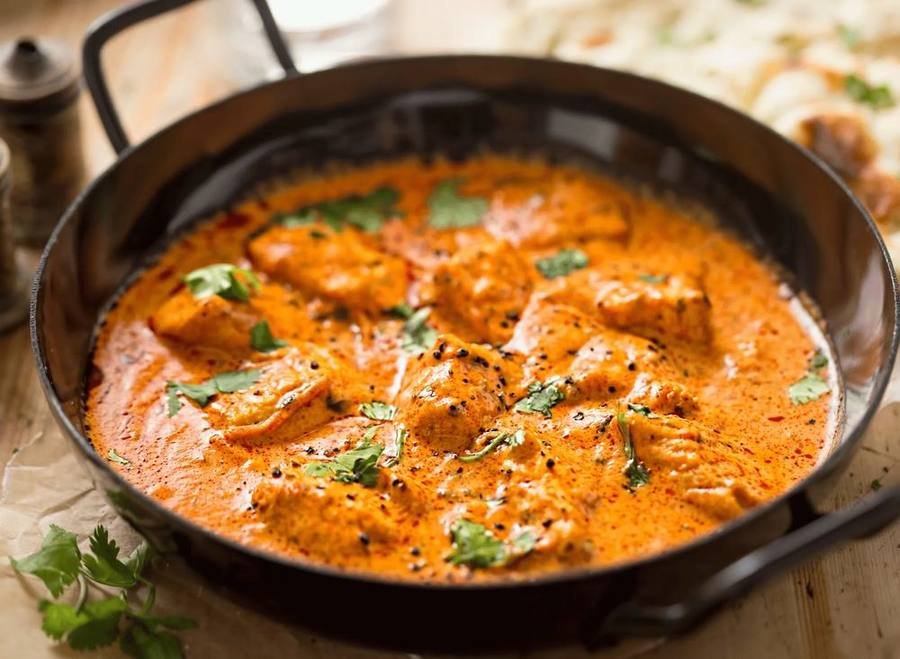
Continue through Delhi’s other signature plates and drinks below — each has its own page, photograph and story.



Frequently Asked Questions
What is Jalebi?
Fermented batter piped in spirals, deep-fried and soaked briefly in saffron-tinted sugar syrup, eaten hot and crisp. Expect intensely sweet with a faint fermented tang beneath, softened when paired with creamy rabri or hot milk.
What are the main ingredients in Jalebi?
The defining ingredients or components are refined flour batter, lightly fermented, sugar syrup, saffron or food colour in some shops, cardamom in the syrup, ghee or oil for frying and rabri as an accompaniment in some places. Batter is fermented until slightly airy, piped from a cloth or nozzle in tight spirals into hot fat, fried until crisp and orange, then dipped in warm syrup just long enough to fill without going soggy.
What does Jalebi taste like?
Expect intensely sweet with a faint fermented tang beneath, softened when paired with creamy rabri or hot milk. Think shatteringly crisp shell with a syrupy, juicy centre — a texture that fades within minutes as the jalebi cools. Serving pattern: Sold by weight and eaten immediately, often for breakfast with poori-sabzi nearby, or with rabri and hot milk in winter.
When is Jalebi eaten in Delhi?
Morning treats in Old Delhi, festival sweet purchases, and winter evenings when hot jalebi is most craved. Winter mornings are peak jalebi season in Old Delhi, paired with hot milk.
Where can I try Jalebi in Delhi?
Go to Chandni Chowk in the morning for jalebi fried in continuous batches, and eat it on the spot rather than carrying it home. Pair a first tasting with Chole bhature and Parathas to see how Jalebi sits within the wider Delhi table.
Every Place. Every Flavour.
Jalebi is one of 7 dishes and drinks profiled from Delhi — and one of 213 regional dishes across all 36 states and union territories in this atlas.
Open the Delhi guide Read the blog