
Food Atlas · Dadra and Nagar Haveli and Daman and Diu
Portuguese-influenced dishes: Four centuries of Portuguese rule, still on the plate

By Beauty of Bharat — India travel guide, every place, every flavour.
Guides covering all 36 States and UTs, researched from official sources and checked at publish time. Corrections welcome — see About Beauty of Bharat.
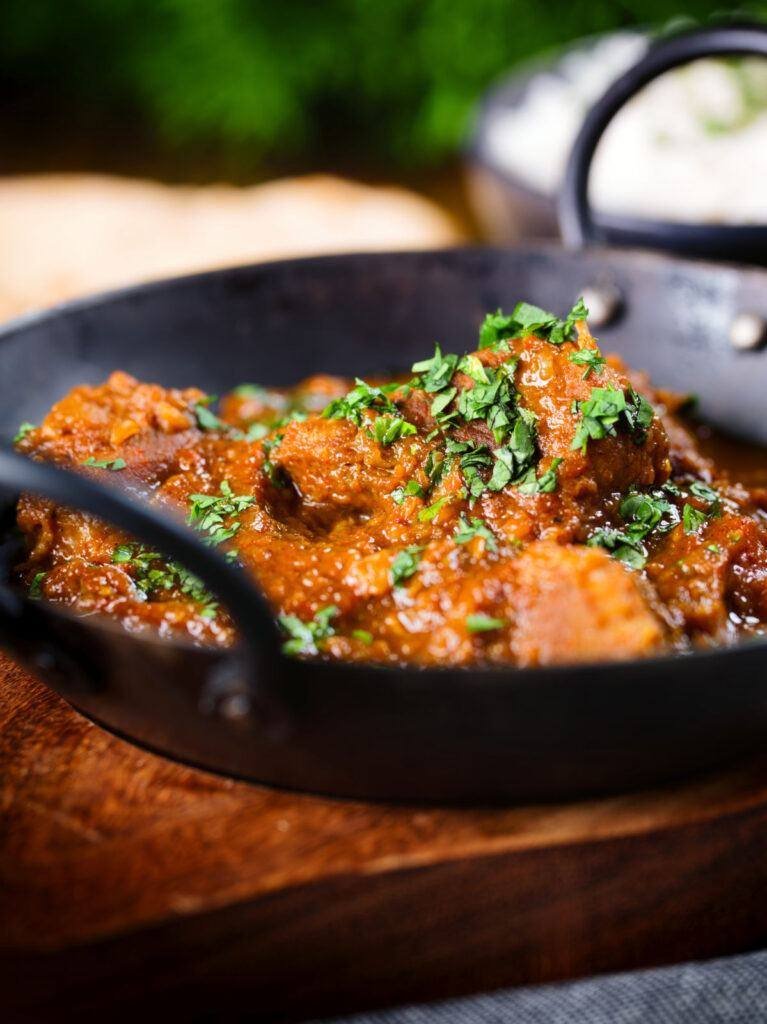
To understand the table in Dadra and Nagar Haveli and Daman and Diu, begin with Portuguese-influenced dishes: a dish whose flavour carries the state's ingredients and habits in miniature. A broad historical category, not one dish: the meat, seafood, vinegar, bread and sweet preparations that entered Daman and Diu kitchens during Portuguese rule.
A detail worth knowing before the first bite: daman and Diu's Portuguese period lasted from the 16th century until December 1961, longer than British rule in much of India. Keep that in mind as you read on, because Portuguese-influenced dishes rewards eaters who notice how Dadra and Nagar Haveli and Daman and Diu seasons, serves and shares its food.
Portuguese-influenced dishes at a Glance
| State / UT | Dadra and Nagar Haveli and Daman and Diu |
| Capital / base | Daman |
| What it is | A broad historical category, not one dish: the meat, seafood, vinegar, bread and sweet preparations that entered Daman and Diu kitchens during Portuguese rule |
| Main ingredients | pork, chicken or fish in festive dishes, vinegar and dried red chillies, garlic, local breads, eggs and sugar in sweets and spices traded through the port |
| Taste | Tangy from vinegar, warm with garlic and dried spices, and often richer and slower-cooked than everyday coastal food |
| Texture | Ranges widely — tender braised meats, firm grilled fish, crusty breads and dense, eggy sweets |
| Usually eaten | Mostly at home celebrations, Christmas and community feasts, and in a few heritage eateries, served with bread or rice |
| Occasion | Festive and community cooking, especially Christmas and family celebrations in Daman and Diu's Christian households |
The Story on Dadra and Nagar Haveli and Daman and Diu’s Table
Daman and Diu were under Portuguese administration for over four centuries, until 1961, and Catholic Goan and local Christian communities carried many dishes between Goa, Daman and Diu. Over time the recipes localised, using Indian chillies, spices and seafood while keeping vinegar, bread and egg-based sweets. That context is essential in Dadra and Nagar Haveli and Daman and Diu, where a plate can signal a harvest, a religious calendar, a market habit or the meeting of communities. Portuguese-influenced dishes belongs in this atlas under Dadra and Nagar Haveli and Daman and Diu because this is the setting in which its ingredients, accompaniments and meaning come together.
The state guide places Portuguese-influenced dishes alongside Gujarati-inspired vegetarian food, Seafood and Prawn/fish preparations. Start with the Dadra and Nagar Haveli and Daman and Diu travel and food guide if you are planning where this tasting fits into a route.
Taste, Texture and Ingredients
Expect tangy from vinegar, warm with garlic and dried spices, and often richer and slower-cooked than everyday coastal food. It ranges widely — tender braised meats, firm grilled fish, crusty breads and dense, eggy sweets.
The ingredient list is best read as a structure rather than a shopping list: pork, chicken or fish in festive dishes, vinegar and dried red chillies, garlic, local breads, eggs and sugar in sweets and spices traded through the port.
How Portuguese-influenced dishes Is Made
Meats may be marinated in vinegar and spice before slow cooking, a preservation-friendly technique from the pre-refrigeration era. Breads are baked rather than griddled, and sweets often rely on egg yolk, coconut and sugar. Good versions are built patiently, with each stage adding aroma, body or contrast.
When Portuguese-influenced dishes is made for a gathering, that timing also becomes social — food reaches the table as part of a shared rhythm, not as an isolated plate.
When and How It Is Eaten
Mostly at home celebrations, Christmas and community feasts, and in a few heritage eateries, served with bread or rice. Its natural moment is festive and community cooking, especially Christmas and family celebrations in Daman and Diu's Christian households.
Dadra and Nagar Haveli and Daman and Diu’s broader food culture helps explain the serving style. The state is known for coast, portuguese heritage and forests, and its calendar includes Nariyal Purnima and Christmas/New Year celebrations.
Where to Try It in Dadra and Nagar Haveli and Daman and Diu
Seek it in Diu town and Moti Daman's older quarters, particularly around Christmas, and in small bakeries selling local breads. Do not reduce the search to the most famous address; freshness and context are better guides.
Portuguese-influenced dishes pairs naturally with time in Daman and Diu, and can sit just as comfortably beside a quieter excursion to Vanganga Lake Garden or Dudhni.
More Dishes of Dadra and Nagar Haveli and Daman and Diu
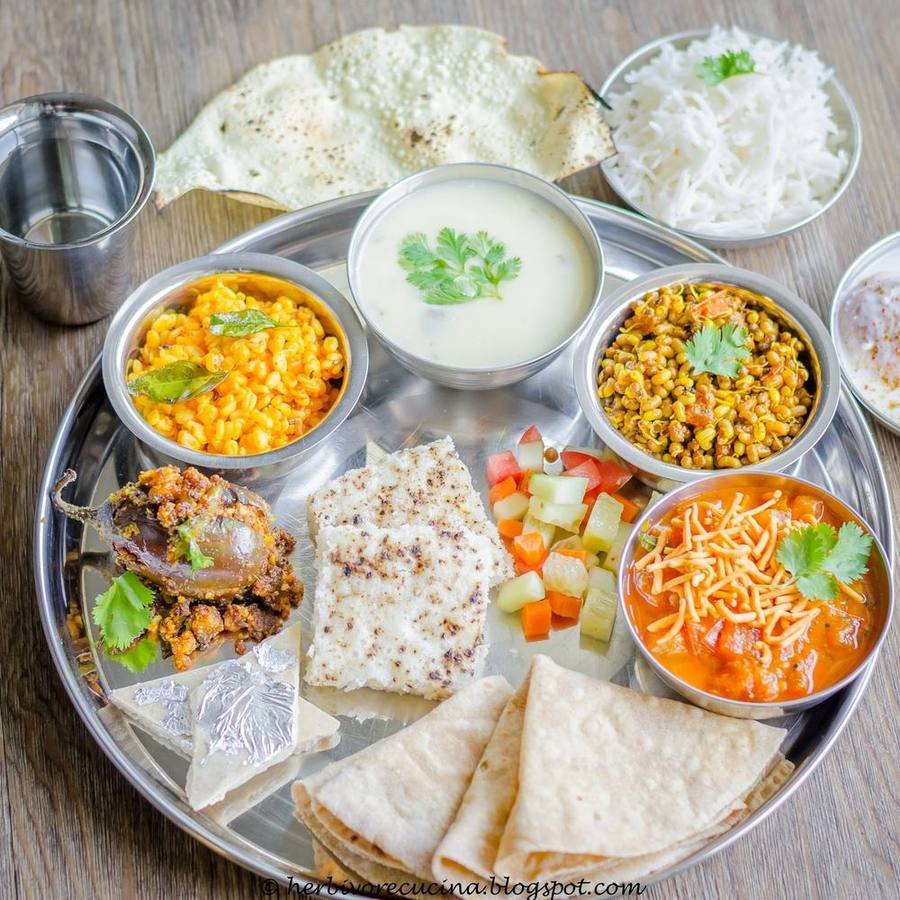
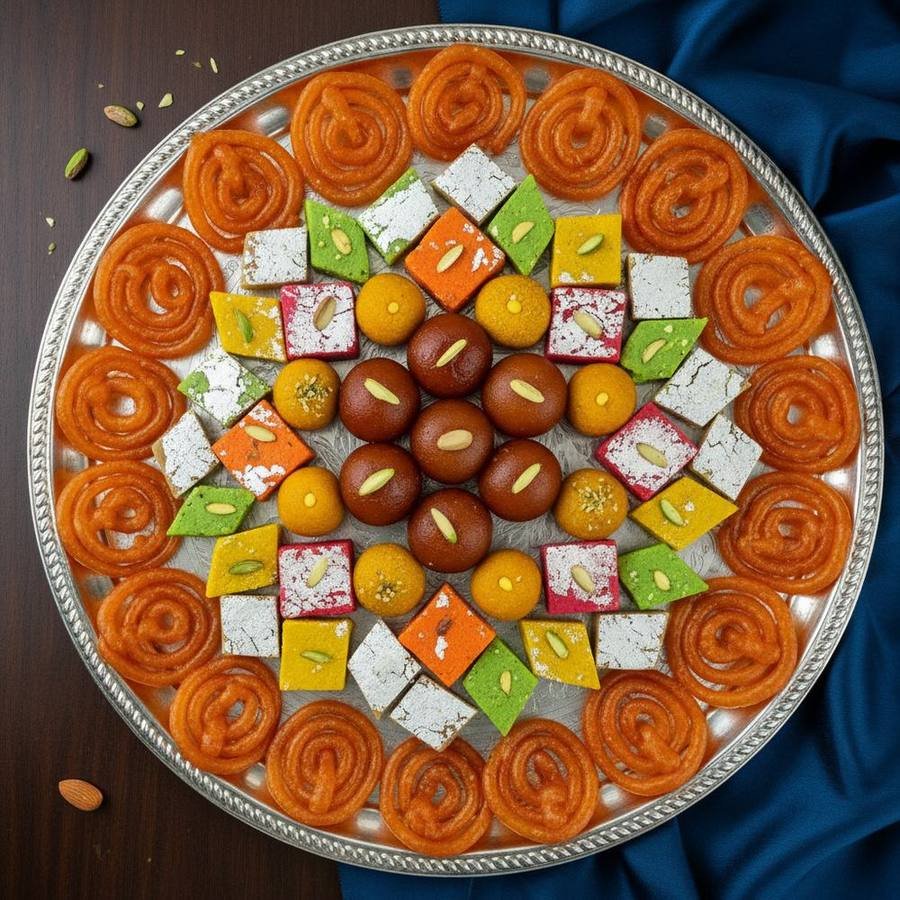
Continue through Dadra and Nagar Haveli and Daman and Diu’s other signature plates and drinks below — each has its own page, photograph and story.


Frequently Asked Questions
What is Portuguese-influenced dishes?
A broad historical category, not one dish: the meat, seafood, vinegar, bread and sweet preparations that entered Daman and Diu kitchens during Portuguese rule. Expect tangy from vinegar, warm with garlic and dried spices, and often richer and slower-cooked than everyday coastal food.
What are the main ingredients in Portuguese-influenced dishes?
The defining ingredients or components are pork, chicken or fish in festive dishes, vinegar and dried red chillies, garlic, local breads, eggs and sugar in sweets and spices traded through the port. Meats may be marinated in vinegar and spice before slow cooking, a preservation-friendly technique from the pre-refrigeration era. Breads are baked rather than griddled, and sweets often rely on egg yolk, coconut and sugar.
What does Portuguese-influenced dishes taste like?
Expect tangy from vinegar, warm with garlic and dried spices, and often richer and slower-cooked than everyday coastal food. It ranges widely — tender braised meats, firm grilled fish, crusty breads and dense, eggy sweets. Serving pattern: Mostly at home celebrations, Christmas and community feasts, and in a few heritage eateries, served with bread or rice.
When is Portuguese-influenced dishes eaten in Dadra and Nagar Haveli and Daman and Diu?
Festive and community cooking, especially Christmas and family celebrations in Daman and Diu's Christian households. Not every dish in this category is widely sold — many survive mainly as home and community recipes.
Where can I try Portuguese-influenced dishes in Dadra and Nagar Haveli and Daman and Diu?
Seek it in Diu town and Moti Daman's older quarters, particularly around Christmas, and in small bakeries selling local breads. Pair a first tasting with Gujarati-inspired vegetarian food and Seafood to see how Portuguese-influenced dishes sits within the wider Dadra and Nagar Haveli and Daman and Diu table.
Every Place. Every Flavour.
Portuguese-influenced dishes is one of 5 dishes and drinks profiled from Dadra and Nagar Haveli and Daman and Diu — and one of 213 regional dishes across all 36 states and union territories in this atlas.
Open the Dadra and Nagar Haveli and Daman and Diu guide Read the blog