
Food Atlas · Dadra and Nagar Haveli and Daman and Diu
Local sweets: Jaggery, coconut and mithai-shop classics of three regions in one

By Beauty of Bharat — India travel guide, every place, every flavour.
Guides covering all 36 States and UTs, researched from official sources and checked at publish time. Corrections welcome — see About Beauty of Bharat.
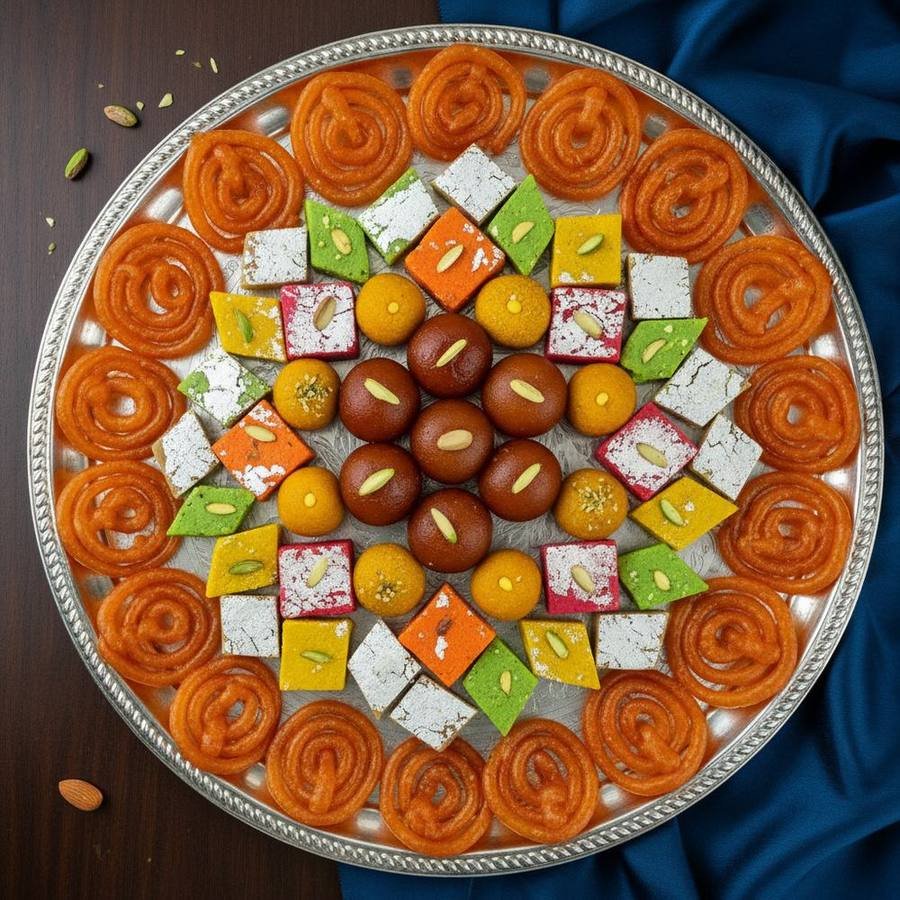
Some dishes explain a region faster than a map. In Dadra and Nagar Haveli and Daman and Diu, Local sweets is one of them. A collective term for the sweets actually eaten across the territory — Gujarati-style mithai, coconut and jaggery preparations, and Portuguese-influenced egg sweets — not one signature confection.
A detail worth knowing before the first bite: freshness matters — milk sweets here are best eaten within a day or two of purchase. Keep that in mind as you read on, because Local sweets rewards eaters who notice how Dadra and Nagar Haveli and Daman and Diu seasons, serves and shares its food.
Local sweets at a Glance
| State / UT | Dadra and Nagar Haveli and Daman and Diu |
| Capital / base | Daman |
| What it is | A collective term for the sweets actually eaten across the territory — Gujarati-style mithai, coconut and jaggery preparations, and Portuguese-influenced egg sweets — not one signature confection |
| Main ingredients | milk and khoya in mithai, coconut, jaggery and sugar, gram and wheat flours, ghee and cardamom and nuts |
| Taste | Comfortingly sweet, from caramel-like jaggery depth to clean milk-and-cardamom flavours, rarely as intensely syrupy as some northern mithai |
| Texture | Varies by sweet: soft milk cakes, chewy coconut preparations, crisp fried items and moist, dense festive pieces |
| Usually eaten | Eaten in small pieces after meals, offered to guests with tea, and bought by weight from sweet shops for festivals and travel |
| Occasion | Festivals including Diwali and Christmas, weddings, and everyday tea-time treats |
The Story on Dadra and Nagar Haveli and Daman and Diu’s Table
This territory joins three distinct places — Dadra and Nagar Haveli, Daman and Diu — each with its own sweet traditions, from tribal jaggery use inland to mithai shops shaped by Gujarat and bakeries shaped by Portugal. Presenting them together is practical for visitors, but no single sweet unites all three. That context is essential in Dadra and Nagar Haveli and Daman and Diu, where a plate can signal a harvest, a religious calendar, a market habit or the meeting of communities. Local sweets belongs in this atlas under Dadra and Nagar Haveli and Daman and Diu because this is the setting in which its ingredients, accompaniments and meaning come together.
The state guide places Local sweets alongside Gujarati-inspired vegetarian food, Seafood and Prawn/fish preparations. Start with the Dadra and Nagar Haveli and Daman and Diu travel and food guide if you are planning where this tasting fits into a route.
Taste, Texture and Ingredients
Expect comfortingly sweet, from caramel-like jaggery depth to clean milk-and-cardamom flavours, rarely as intensely syrupy as some northern mithai. It varies by sweet: soft milk cakes, chewy coconut preparations, crisp fried items and moist, dense festive pieces.
The ingredient list is best read as a structure rather than a shopping list: milk and khoya in mithai, coconut, jaggery and sugar, gram and wheat flours, ghee and cardamom and nuts.
How Local sweets Is Made
Milk sweets are made by reducing milk or using khoya with sugar and flavouring. Coconut and jaggery sweets are cooked until the mixture thickens and sets, while fried sweets are shaped, fried in ghee or oil and sometimes soaked lightly. The cooking rewards attention to sequence and balance rather than a long list of additions.
When Local sweets is made for a gathering, that timing also becomes social — food reaches the table as part of a shared rhythm, not as an isolated plate.
When and How It Is Eaten
Eaten in small pieces after meals, offered to guests with tea, and bought by weight from sweet shops for festivals and travel. Its natural moment is festivals including Diwali and Christmas, weddings, and everyday tea-time treats.
Dadra and Nagar Haveli and Daman and Diu’s broader food culture helps explain the serving style. The state is known for coast, portuguese heritage and forests, and its calendar includes Nariyal Purnima and Christmas/New Year celebrations.
Where to Try It in Dadra and Nagar Haveli and Daman and Diu
Browse mithai shops in Silvassa and Daman for Gujarati-style sweets, and bakeries in Diu for coconut and egg-based items. The most convincing first plate usually comes from paying attention to where local people already eat.
Local sweets pairs naturally with time in Daman and Diu, and can sit just as comfortably beside a quieter excursion to Vanganga Lake Garden or Dudhni.
More Dishes of Dadra and Nagar Haveli and Daman and Diu
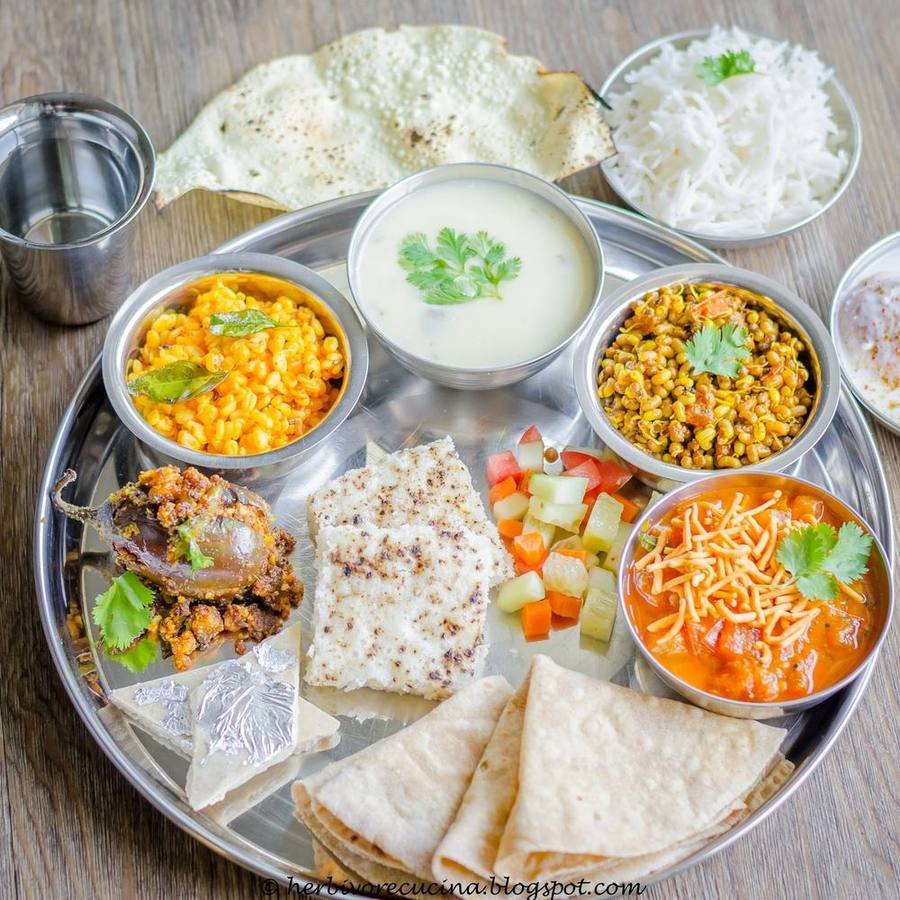
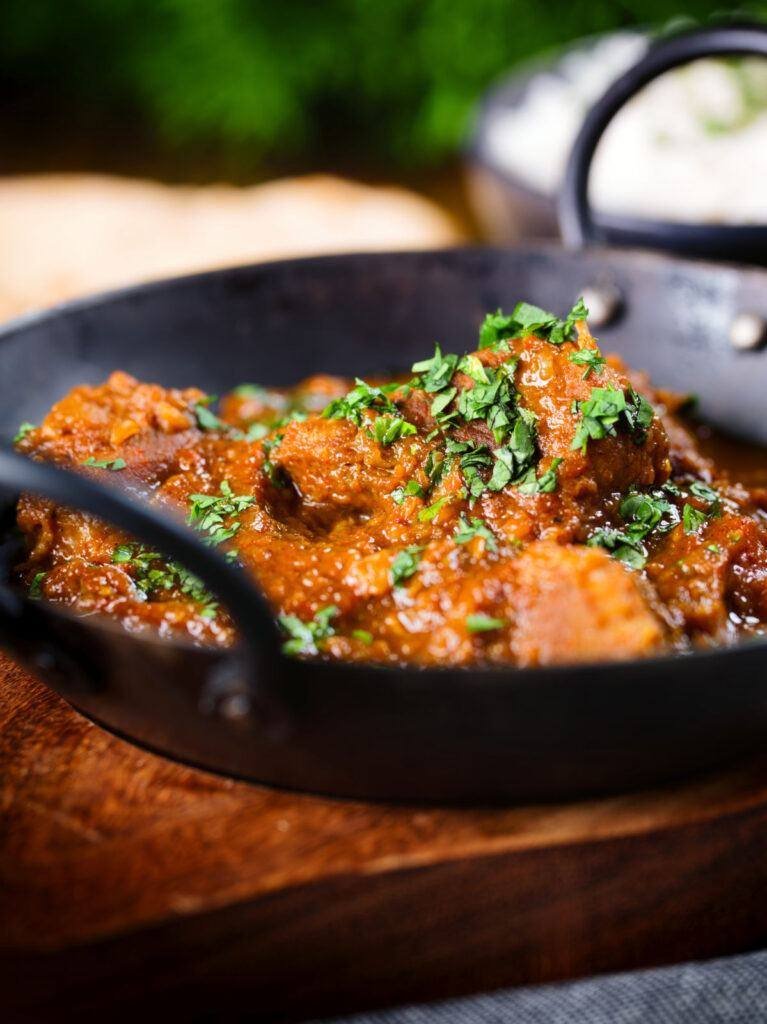
Continue through Dadra and Nagar Haveli and Daman and Diu’s other signature plates and drinks below — each has its own page, photograph and story.


Frequently Asked Questions
What is Local sweets?
A collective term for the sweets actually eaten across the territory — Gujarati-style mithai, coconut and jaggery preparations, and Portuguese-influenced egg sweets — not one signature confection. Expect comfortingly sweet, from caramel-like jaggery depth to clean milk-and-cardamom flavours, rarely as intensely syrupy as some northern mithai.
What are the main ingredients in Local sweets?
The defining ingredients or components are milk and khoya in mithai, coconut, jaggery and sugar, gram and wheat flours, ghee and cardamom and nuts. Milk sweets are made by reducing milk or using khoya with sugar and flavouring. Coconut and jaggery sweets are cooked until the mixture thickens and sets, while fried sweets are shaped, fried in ghee or oil and sometimes soaked lightly.
What does Local sweets taste like?
Expect comfortingly sweet, from caramel-like jaggery depth to clean milk-and-cardamom flavours, rarely as intensely syrupy as some northern mithai. It varies by sweet: soft milk cakes, chewy coconut preparations, crisp fried items and moist, dense festive pieces. Serving pattern: Eaten in small pieces after meals, offered to guests with tea, and bought by weight from sweet shops for festivals and travel.
When is Local sweets eaten in Dadra and Nagar Haveli and Daman and Diu?
Festivals including Diwali and Christmas, weddings, and everyday tea-time treats. Sweet shops often sell savoury farsan alongside mithai, so a mixed box is a normal local purchase.
Where can I try Local sweets in Dadra and Nagar Haveli and Daman and Diu?
Browse mithai shops in Silvassa and Daman for Gujarati-style sweets, and bakeries in Diu for coconut and egg-based items. Pair a first tasting with Gujarati-inspired vegetarian food and Seafood to see how Local sweets sits within the wider Dadra and Nagar Haveli and Daman and Diu table.
Every Place. Every Flavour.
Local sweets is one of 5 dishes and drinks profiled from Dadra and Nagar Haveli and Daman and Diu — and one of 213 regional dishes across all 36 states and union territories in this atlas.
Open the Dadra and Nagar Haveli and Daman and Diu guide Read the blog