
Destination Guide · Nagaland
Dzukou Valley Travel Guide: The Valley of Flowers of the Northeast

By Beauty of Bharat — India travel guide, every place, every flavour.
Guides covering all 36 States and UTs, researched from official sources and checked at publish time. Corrections welcome — see About Beauty of Bharat.
Dzukou hides behind the Japfu range south of Kohima, and reaching it is a pilgrim's bargain: a steep forest climb from the trailheads near Viswema or Zakhama, then the land suddenly opens into a vast, rolling bowl of dwarf bamboo and grass, a river curling through it, caves and rock shelters in its folds — and in summer, the pink Dzukou lilies and a confetti of wildflowers across the green.
Trekkers base in the valley's simple dormitory huts and caves, walk the rim for sunrise seas of mist, and in winter find a frozen, silent world of frost and clear stars. Dzukou is protected and precious — permits and local guides apply, fires are restricted, and everything you carry in, you carry out. It is the Northeast's most beloved trek for good reason.
Dzukou Valley at a Glance
| State / UT | Nagaland |
| Region | Northeast India |
| Known for | Trekking and mountain landscape |
| Best time to visit | June–July for lilies and flowers; October–November for clear post-monsoon views; December–January for the… |
| Nearest gateway | Road from Kohima to Viswema/Zakhama; trek in |
| Good for | Tribal Culture, Mountains, Food, Festivals and Trekking |
| Famous food | Smoked pork, Axone/akhuni dishes and Bamboo shoot preparations |
| Full state guide | Nagaland Travel Guide |
Highlights: Best Things to Do in Dzukou Valley
The valley trek in
Choose the Viswema route (longer, gentler finish) or Zakhama (steeper, shorter) — both climb through cloud forest to the rim.
Dzukou lily season
In early monsoon (roughly June–July) the valley's namesake lily and wildflowers carpet the bowl.
Sunrise from the rim & the valley river
Dawn over a sea of mist in the bowl, then a day walking the river's meanders and rock shelters.
The caves & dormitory base
Sleep in the valley's basic trekkers' huts or the famous caves — Dzukou's rustic rite of passage.
Japfu Peak (extension)
Nagaland's second-highest summit rises beside the valley for those with an extra day and legs.
Best Time to Visit Dzukou Valley
June–July for lilies and flowers; October–November for clear post-monsoon views; December–January for the stark frozen valley. Monsoon trails are slippery; take a guide and check permits at Kohima/Viswema.
That window is when Dzukou Valley shows its best side. It also matches the wider season for Nagaland — the Nagaland guide sets out the state's full calendar, festivals included, so you can time Dzukou Valley alongside Kohima and Hornbill Festival area/Kisama on one trip.
What Makes Dzukou Valley Different
Dzukou hides, and the hiding is the point. Behind the Japfu range south of Kohima, the valley reveals itself only after a steep forest climb from the trailheads near Viswema or Zakhama, when the trees break and the land suddenly opens into a vast rolling bowl of dwarf bamboo and grass, a river curling through it, caves and rock shelters tucked into its folds. There is no road into the bowl, no viewpoint car park, no shortcut: the valley is earned on foot, and that earned quality filters the crowd down to people who genuinely want to be there. The climb itself sorts the valley's visitors, since the steep forest ascent from either trailhead leaves the bowl to walkers who have already committed a day to reaching it.
The bowl then changes its character with the seasons so completely that summer and winter visitors barely describe the same place. In roughly June and July the namesake pink lilies and a confetti of wildflowers spread across the green, turning the trek into a flower pilgrimage, while October and November bring clear post-monsoon views and December and January leave a frozen, silent world of frost and clear stars. Trekkers sleep in the valley's simple dormitory huts or its famous caves, a rustic rite of passage, and walk the rim at dawn for sunrise seas of mist over the bowl. Japfu Peak, Nagaland's second-highest summit, waits beside the valley for those with an extra day and strong legs. In winter the same bowl that held lilies becomes a study in frost and starlight, a silence so complete that the frozen valley feels like a different destination sharing only its shape.
Dzukou's protected status shapes the etiquette as much as the landscape. Permits and local guides apply, fires are restricted, and everything carried in must be carried out, so the valley survives as one of the Northeast's most beloved treks precisely because its visitors accept those terms. The choice of trailhead is itself part of the planning: Viswema offers the longer route with a gentler finish, while Zakhama is steeper and shorter, and both climb through cloud forest to the rim before the bowl opens below. Carrying everything out again is not presented as a burden but as the price of keeping a beloved trek unspoiled for the next season's walkers.
A signature day, for those already based in the valley, begins before dawn with the rim walk, watching mist fill the bowl and then burn away to reveal the river's meanders and rock shelters. The middle of the day follows the valley river on foot, pausing at the caves and the dormitory base that form the valley's rough social heart, and in lily season the afternoon is given over to the flowers themselves, wandering the bowl's green expanse among the pink blooms. Evening returns to the huts as frost gathers, with stars over a silent valley for those staying the winter night.
Going further, Kohima is the staging city the valley depends on, where Naga heritage and the war cemetery give the trek its historical frame. Japfu extends the high country itself, the range that shelters Dzukou and holds its second-highest summit. Hornbill Festival gathers the Naga tribes whose villages and trails surround the valley into a single cultural showcase near Kohima.
How to Reach Dzukou Valley
Trailheads at Viswema and Zakhama villages are about an hour's drive from Kohima (itself reached from Dimapur airport/station); the valley is walk-in only. Entry permits are arranged locally.
Most travellers route into Nagaland through Kohima or the nearest transport hub and continue by road; local taxis and shared transport cover the last stretch in season. Build in buffer time for hill and island routes, and confirm festival and permit rules for Nagaland before you set out.
Dzukou Valley — Transport at a Glance
| Nearest airport | Dimapur Airport (DMU), then road to Kohima and the trailheads |
| Nearest railway station | Dimapur is the railhead; the trailheads at Viswema and Zakhama are ≈ 1 hr's drive from Kohima |
| By road | The valley is walk-in only; entry permits are arranged locally in Kohima/the trailhead villages |
| Getting around | On foot — porters and guides are hired at Viswema or Zakhama |
Where to Stay in Dzukou Valley
Dzukou has no hotels — the valley is a protected trek: the stay is the trekkers' hut and campsites at the valley rim (arranged via Kohima-based operators and the village youth organisations of Viswema/Jakhama, the two trailhead villages, which also keep homestays). Carry everything, leave nothing: the valley's famous rule is enforced by its communities. Kohima is the comfort base either side of the trek. Stays here run to trekkers' hut, organised camps and trailhead-village homestays. The honest way to choose is live, because the season moves prices fast — the buttons below pull today's listings with photos and guest ratings from Google Maps, and live rates from Booking.com, for Dzukou Valley itself. Plan the base around the sights: travellers come to Dzukou Valley for The valley trek in, Dzukou lily season and Sunrise from the rim & the valley river — the areas above keep the first of these within easy reach, which matters most on short trips.
See live hotels & ratings — Google MapsCompare prices — Booking.com
This button opens a hotel search on Booking.com. Some travel tools on this site are provided by affiliate partners — if you book through one, we may earn a commission at no extra cost to you.
Markets & Shopping in Dzukou Valley
There is no commerce in Dzukou at all; Kohima's markets (Naga shawls, craft) are the run before the trek. For the full bazaar run, base it in Kohima — there, the name to know is Kohima's main market and the MAO market; the Kisama crafts at Hornbill time. Look for Naga tribal shawls (each tribe's weave is a signature), wood carving, beadwork and dried king chilli. Buy shawls tribe-aware — a Lotha, Ao and Angami weave are different languages; sellers here are proud to explain. Before a big purchase, it is worth comparing the same craft at a state handicraft emporium or the makers' own workshop — bazaars usually win on price, emporiums and makers on assurance. Take some home on a plate, too: Dzukou Valley's edible signatures start with Smoked pork and Axone/akhuni dishes and Bamboo shoot preparations — try them at the source, and ask the food stalls what packs well for the journey. Keep small notes handy as well: bargaining is expected on craft in the bazaars, while food and emporium counters usually hold fixed prices.
A Taste of Nagaland
No stop in Nagaland is complete at the table. The state's kitchen is best met through Smoked pork, Axone/akhuni dishes and Bamboo shoot preparations — look for them in Dzukou Valley's own markets and eateries, where the cooking is at its most local. Each dish has a full page in the Food Atlas: Smoked pork · Axone/akhuni dishes · Bamboo shoot preparations · Galho.
More Destinations in Nagaland
Dzukou Valley is one of 5 destinations in the Nagaland atlas. The others pair with it naturally — each has its own full guide page.
Kohima
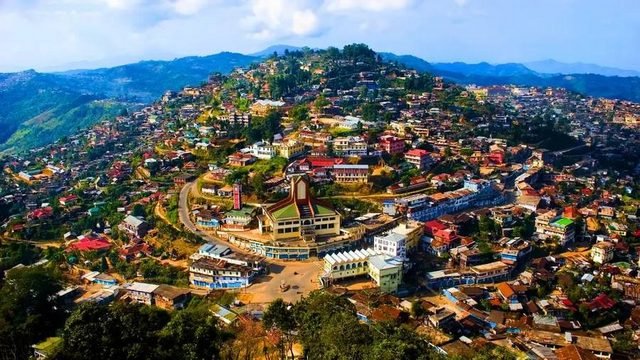
Naga heritage and war cemetery.
Hornbill Festival area/Kisama

cultural showcase.
Dimapur
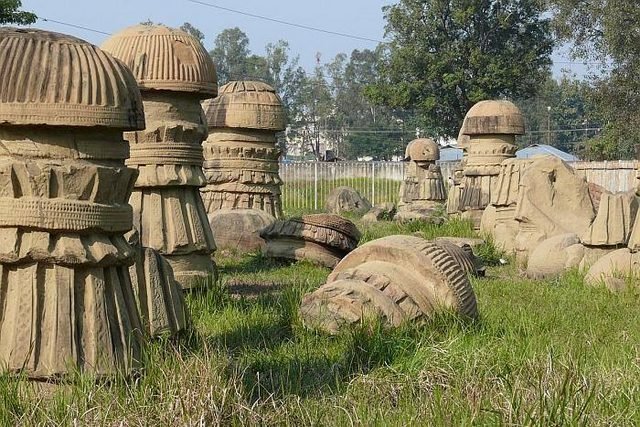
gateway and historic ruins.
Mon
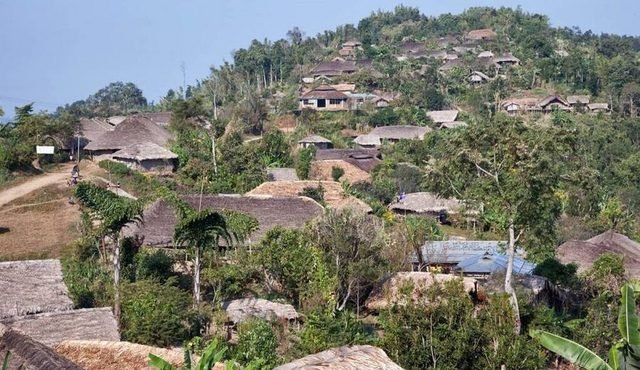
Konyak cultural region.
Offbeat Nagaland: Beyond Dzukou Valley
When the headline sights are done, Nagaland keeps a quieter register — Longwa · Khonoma · Mokokchung · Japfu are the state's lesser-known corners, profiled in the Nagaland guide. Expect fewer facilities and more of the state as its own people know it.
Frequently Asked Questions
What is Dzukou Valley famous for?
Dzukou is a hidden rolling valley on the Nagaland–Manipur border — a bamboo-and-grass bowl famous for the Dzukou lily, seasonal wildflowers and one of the Northeast's great treks.
What are the best things to do in Dzukou Valley?
The essential experiences in Dzukou Valley are The valley trek in, Dzukou lily season, Sunrise from the rim & the valley river and The caves & dormitory base. Choose the Viswema route (longer, gentler finish) or Zakhama (steeper, shorter) — both climb through cloud forest to the rim.
What is the best time to visit Dzukou Valley?
June–July for lilies and flowers; October–November for clear post-monsoon views; December–January for the stark frozen valley. Monsoon trails are slippery; take a guide and check permits at Kohima/Viswema.
How do I reach Dzukou Valley?
Trailheads at Viswema and Zakhama villages are about an hour's drive from Kohima (itself reached from Dimapur airport/station); the valley is walk-in only. Entry permits are arranged locally.
How many days do I need in Dzukou Valley?
Plan two days — one in, one exploring and out (three is kinder) in Dzukou Valley. It pairs naturally with the other Nagaland stops in this atlas, and the Nagaland state guide links them into one route.
Every Place. Every Flavour.
Dzukou Valley is one of 188 destinations in this atlas — with 154 offbeat places and 213 regional dishes, each with its own full guide page.
Nagaland Travel Guide Read the blog