
Seasons · 5 min read
Chasing the winter sun: where India travels best from October to March
By Beauty of Bharat — India travel guide, every place, every flavour.
Guides covering all 36 States and UTs, researched from official sources and checked at publish time. Corrections welcome — see About Beauty of Bharat.
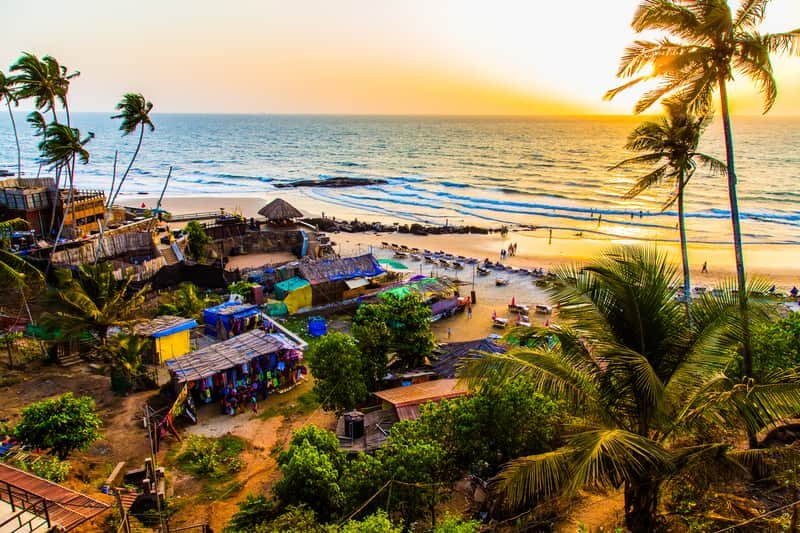
The plains cool, the desert blooms and the seas calm down. A month-aware route through India's great travel season.
India's travel calendar turns on one hinge: the retreat of the monsoon. From October, the plains dry out and cool, the Himalaya shows its clearest faces, and the seas on both coasts settle. This is when the country's greatest hits align — Rajasthan's forts in soft light, Goa's beaches at their best, Kerala's backwaters under blue skies, and temple towns across Tamil Nadu comfortable for full days on foot.
But 'winter' is not one season. October belongs to festivals — Dussehra, Durga Puja in Kolkata, the run-up to Diwali. November and December are peak for the desert and the south; the Rann of Kutch comes alive under the full moons of the Rann Utsav. January brings the coldest, clearest Himalayan views — and fog in the northern plains, which is its own moody pleasure in Varanasi and Delhi. February is the connoisseur's month: warm but not hot almost everywhere, with Holi arriving as March opens.
The exceptions prove the rule: high Ladakh is effectively closed to casual travel in deep winter, and the Northeast's festivals — Hornbill in December above all — make a virtue of the cold. Each state page in this atlas carries its own best-time note; start there, then build the route.
← A first-timer's guide to eating across India, state by state · From Hornbill to Rann Utsav: planning a trip around a festival →