
Bihar · Festival Guide
Sonepur Mela 2026: Asia's Largest Cattle Fair — Dates, History & Complete Guide

By Beauty of Bharat — India travel guide, every place, every flavour.
Guides covering all 36 States and UTs, researched from official sources and checked at publish time. Corrections welcome — see About Beauty of Bharat.
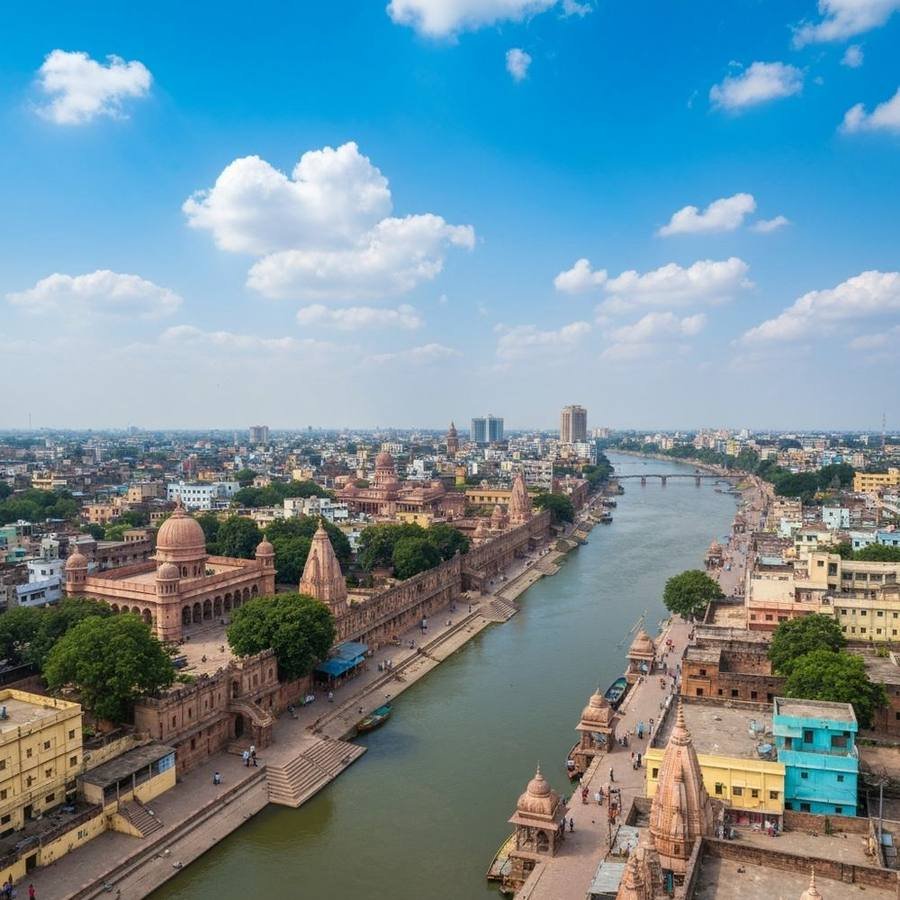
You can buy almost anything at Sonepur Mela, the old saying goes — from a needle to an elephant. The second half of that sentence is now history: no elephant has been sold at the fair since 2004, and after 2019 not a single elephant has even been brought for display. What remains is still Asia's largest cattle fair — a month-long gathering at the meeting of two holy rivers, where pilgrims bathe at dawn and traders still haggle over horses, cattle and birds. Sonepur Mela 2026 runs from 22 November to 23 December at Sonepur in Bihar's Saran district, with the great Kartik Purnima dip on Tuesday, 24 November.
In brief: come for the opening days or for Kartik Purnima itself, walk the trading grounds in the morning, take the holy dip at the confluence, see the Harihar Nath Temple, and stay for the evening cultural programmes. Base yourself in Sonepur, Hajipur or Patna.
Sonepur Mela 2026 at a glance
| Dates | 22 November – 23 December 2026 (32 days), per the Bihar Tourism Department's official tender for the fair |
| Main day | Kartik Purnima, Tuesday 24 November 2026 — the holy dip at the confluence |
| Where | Sonepur, Saran district, Bihar — at the confluence of the Ganga and the Gandak |
| Also known as | Harihar Kshetra Mela, after the Harihar Nath Temple |
| Nearest station | Sonpur Junction (SEE), in the town itself; Hajipur Junction is about 5–6 km away across the Gandak |
| Nearest airport | Patna (Jay Prakash Narayan International Airport), about 30 km by road |
| Stay | The Bihar tourism department's tourist village at the fair, or hotels in Hajipur and Patna |
Sonepur Mela 2026 dates — the honest picture
The dates need a small note, because listings disagree. The Bihar Tourism Department's official tender gives the event duration as 22 November to 23 December 2026, and the Saran district administration's preparations — reported in September 2026 — describe the same 32-day run, opening on 22 November. Kartik Purnima, the full-moon day the fair is built around, falls on Tuesday, 24 November 2026 according to panchang sources. Some listings give 24 November to 23 December instead; that is the full-moon day, not the fair's opening. Plan on the fair opening on 22 November, the great dip on 24 November, and the closing on 23 December — and check the Bihar Tourism announcements closer to the date for the final cultural programme, which had not been published at the time of writing.
Where the fair happens: two rivers, one sacred ground
Sonepur sits in Saran district in northern Bihar, on the banks of the Gandak where it meets the Ganga — a confluence Hindus regard as blessed ground. Across the Gandak lies Hajipur, and Patna is about 30 km away on the far bank of the Ganga. The fair spreads over the sandy riverbank near the Harihar Nath Temple, and on Kartik Purnima thousands bathe at the confluence and visit the temple. That religious core is why the fair's formal name is the Harihar Kshetra Mela — Kshetra meaning sacred ground — and why a cattle market grew here at all: pilgrims came for the dip, and traders followed the crowds.
A fair older than empires
Sonepur Mela claims origins in the Vedic period, and local tradition holds that Chandragupta Maurya bought horses and elephants for his army here more than two thousand years ago — the reason the fair's fame travelled as far as Central Asia. Originally the fair was held at Hajipur, with only the puja performed at the Harihar Nath Temple in Sonepur; under the Mughal emperor Aurangzeb the fairground too shifted to Sonepur. The temple is believed in local tradition to have been first built by Lord Rama, and the temple as it stands today was built by Raja Ram Narain, an influential figure of the late Mughal period.
The legend that gives the fair its soul is Gajendra Moksha. King Indrayamuna, cursed by the sage Agastya, was reborn as an elephant; the Gandharva chief Huhu, cursed by the sage Dewala, became a crocodile. When the crocodile seized the elephant's leg, the elephant prayed to Vishnu — Hari — with a lotus held in its trunk, and Vishnu freed them both with his chakra. The temple honours Hari (Vishnu) and Har (Shiva) together, and the fair is, at its root, a pilgrimage to that story.
What actually happens at the fair today
The trading grounds
Animals are still bought and sold at Sonepur: cattle and buffaloes, horses, goats, dogs, birds and poultry, in separate bazaars — Gai Bazaar, Ghora Bazaar and the rest — with traders from across India. Mornings are the trading hours, and the bargaining is half the spectacle.
The elephant story, honestly told
Haathi Bazaar was once the fair's great sight: decorated elephants lined up for sale, hundreds of them in the 1960s and 1970s, and 354 as recently as 2004. That year the sale of elephants was prohibited under the Wildlife (Protection) Act, 1972, and ownership transfers were refused. After that, elephants came only for display — 13 in 2016, three in 2017 — and after 2019, following a tough government directive, not a single elephant has been brought to the fair even for display. Do not plan your trip around seeing elephants at Sonepur; that chapter has closed, and the fair is now a cultural and religious gathering with a livestock market attached. That is the honest picture — and the reason the fair still matters is everything else that happens around the trading grounds.
The cultural fair
The district administration prepares a cultural programme covering all 32 days of the fair, with folk music and dance, theatre, puppet shows, magic shows and circus acts, and the famous "Well of Death" in which motorcyclists ride inside a wooden cylinder. Giant wheels and fairground rides line the lanes, alongside handicraft stalls and food vendors selling jalebis, samosas and local sweets. The Bihar State Tourism Development Corporation has built a tourist village at the fair with "Swiss Cottage" style accommodation. Locals call the fair a "village mall" — and for a visitor, that is the best way to read it: a month-long carnival where the trading is only one part of the day.
The Kartik Purnima dip and Harihar Nath Temple
The spiritual heart of the fair is the morning of Kartik Purnima. Devotees gather before dawn at the confluence for the holy dip in the Ganga and Gandak, then offer prayers at the Harihar Nath Temple. The district administration deploys boats, trained boatmen, divers and SDRF teams for the dip, and the ghats are at their most crowded — and most moving — in the first hours of the day. If you come for the dip, arrive early and follow the instructions of the officials and volunteers at the ghats. The temple is worth a slow visit on any day of the fair, when the queues are shorter.
How to reach Sonepur Mela
By train. Sonpur Junction (station code SEE) is the nearest station — in the town itself, headquarters of the Sonpur railway division of East Central Railway — and the fairground is a short auto ride away. Hajipur Junction, about 5–6 km away across the Gandak, is the other useful stop, with Patna Junction connecting onward across the Digha–Sonpur bridge.
By air. The nearest airport is Patna's Jay Prakash Narayan International Airport, about 30 km from Sonepur by road; take a taxi or a train onward from Patna.
By road. Sonepur is well connected to Patna (about 30 km), Muzaffarpur (about 36 km) and Hajipur (about 5 km). Buses run to Hajipur, from where autos and taxis cover the last stretch.
Where to stay
The simplest option is the tourist village at the fair itself, where the Bihar State Tourism Development Corporation provides Swiss Cottage style accommodation — book well ahead, as it fills for the Kartik Purnima week. Otherwise stay in Hajipur, a few kilometres away, or in Patna, which has the widest choice of hotels. No room rates are published for 2026 at the time of writing, so confirm tariffs directly before you travel. If you are driving in for a single day, Patna as a base works well: arrive early, spend the day at the fair, and return the same evening.
Tips for visiting Sonepur Mela
Pick your day. The opening days and Kartik Purnima (24 November) carry the biggest crowds and the fullest programme; weekday mornings are quieter for the trading grounds.
Start early. The trading grounds wake up at dawn, the dip happens in the early hours, and the light on the rivers is at its best before the midday dust.
Travel light. Keep valuables to a minimum in the crowds, carry cash for small stalls, and wear comfortable shoes — the fairground is sandy riverbank, and you will walk a lot.
Photograph with courtesy. Ask traders before photographing them or their animals; a small purchase or a friendly word goes a long way.
Extend the trip: Bihar beyond the fair
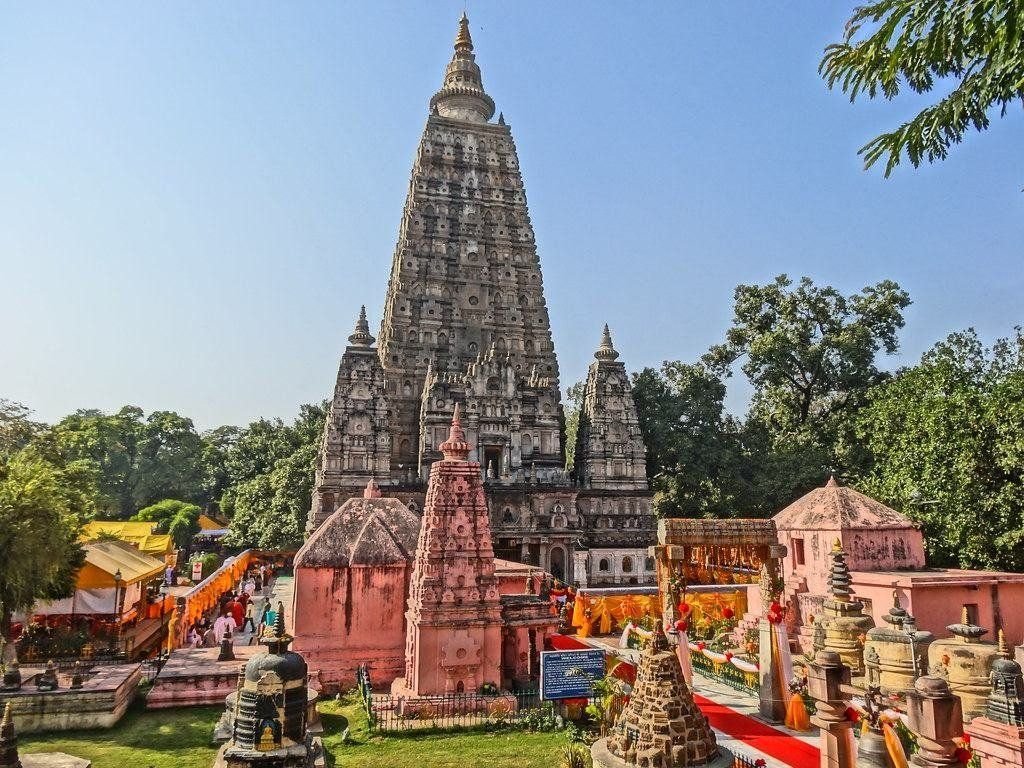
Sonepur is a good doorway into Bihar. Patna, the state capital, is about half an hour away by road and worth a day of its own — see our Patna guide for the ghats, the museums and the food. Across the Gandak, Vaishali is one of the great ancient cities of India. And if the fair has put you in the mood for a longer Bihar journey, Bodh Gaya — where the Buddha attained enlightenment — and the ruins of Nalanda are the two great pilgrimages of the state; our Bihar state guide ties them together.
Watch & feel the place
See the fairgrounds, the trading lanes and the riverfront before you go:
Videos are by their respective creators and are embedded for viewing; please check the creators' channels for the latest Sonepur Mela content before travelling.
Sonepur Mela 2026 FAQs
When is Sonepur Mela 2026?
Sonepur Mela 2026 runs from 22 November to 23 December 2026 — 32 days — according to the Bihar Tourism Department and the Saran district administration. Kartik Purnima, the fair's main day, falls on Tuesday, 24 November 2026. Some listings give 24 November as the start date; that is the full-moon day, not the fair's opening.
Where is Sonepur Mela held?
At Sonepur in Saran district, Bihar, on the banks of the Gandak at its confluence with the Ganga, near the Harihar Nath Temple. Hajipur lies across the Gandak, and Patna is about 30 km away.
Is Sonepur Mela really Asia's largest cattle fair?
It is billed as Asia's largest cattle fair — a month-long event drawing traders, pilgrims and visitors from across India and abroad. Its livestock trade has shrunk in recent years, but the fair remains one of India's great gatherings.
Are elephants still sold at Sonepur Mela?
No. The sale of elephants at Sonepur was prohibited in 2004 under the Wildlife (Protection) Act, 1972. Elephants were brought only for display afterwards — 13 in 2016 and three in 2017 — and none has been brought to the fair since 2019, even for display.
How do I reach Sonepur Mela?
Sonpur Junction (SEE) is the nearest railway station, in the town itself; Hajipur Junction is about 5–6 km away. The nearest airport is Patna, about 30 km by road. By road, Sonepur is about 30 km from Patna, 36 km from Muzaffarpur and 5 km from Hajipur.
How many days do I need for Sonepur Mela?
One full day covers the trading grounds, the temple and the evening cultural programmes, ideally timed for Kartik Purnima. Allow two to three days if you also want to see Patna and Vaishali, and longer if you are adding Bodh Gaya or Nalanda to the trip.
Sonepur Mela answers the old needle-to-elephant question with a fair that has outlived its most famous attraction — and kept its soul: a river confluence, a temple, and a month of bargaining, bathing and celebration. If the Kartik season has you looking for more of Bihar's festivals, read our Chhath Puja 2026 guide next.
Plan your Bihar trip
Start at Sonepur Mela, then explore Patna, Vaishali, Bodh Gaya and Nalanda.
Bihar state guide →