
Chhath Puja 2026 · Festival Guide
Chhath Puja 2026: Dates, Rituals & Where to Experience It

By Beauty of Bharat — India travel guide, every place, every flavour.
Guides covering all 36 States and UTs, researched from official sources and checked at publish time. Corrections welcome — see About Beauty of Bharat.
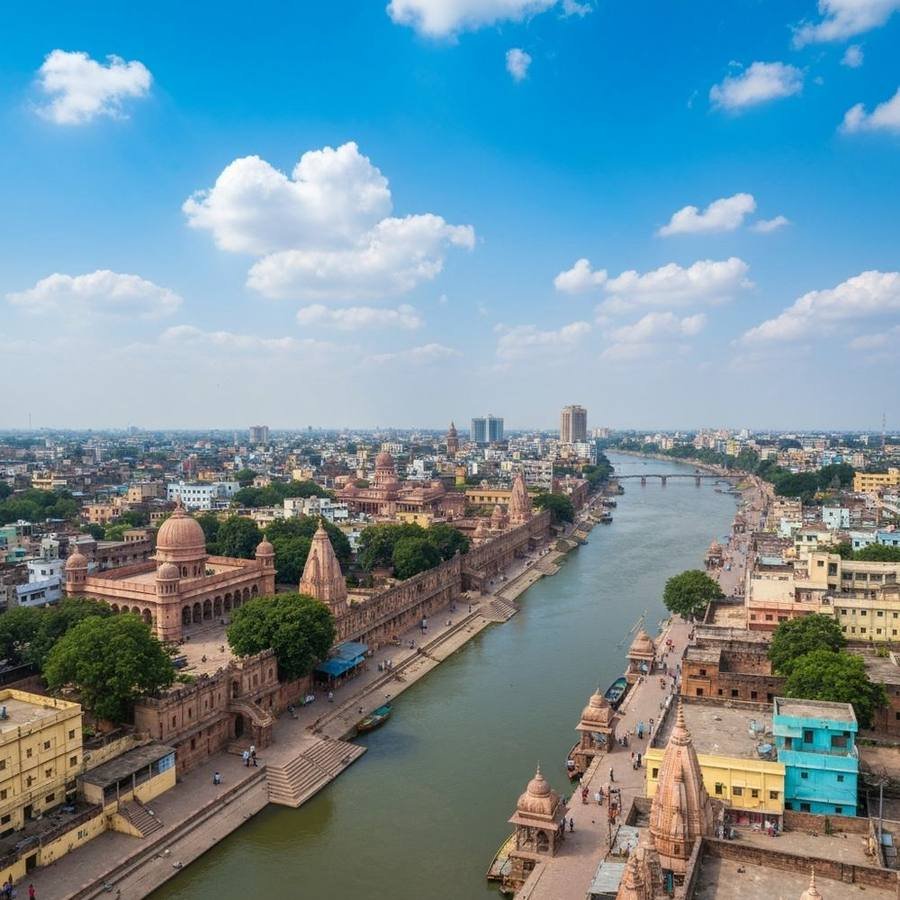
Chhath Puja 2026 runs from Friday 13 November to Monday 16 November 2026, with the main evening offering, Sandhya Arghya, on Sunday 15 November and the closing morning offering, Usha Arghya, on Monday 16 November. It is Bihar's great festival of the sun — four days of bathing, fasting, folk songs and offerings made standing in river water at dawn and dusk. Plan around those two arghya days, and base yourself in Patna if you can.
Chhath honours Surya, the sun god, and Chhathi Maiya, the goddess of the festival. Unusually, the offering is made first to the setting sun and then to the rising sun — gratitude at dusk, hope at dawn. The festival falls six days after Diwali; see our November guide, Diwali 2026 dates guide, Chhath festival page and festivals hub.
Chhath Puja 2026 dates at a glance
The dates follow the Kartik Shukla Shashthi tithi: Shashthi is the tithi at sunset on Sunday 15 November, setting the evening arghya that day and the morning arghya the next morning. Exact sunrise and sunset minutes vary by city, so check a local panchang for your ghat.
| Day | Date (2026) | Ritual | What happens |
|---|---|---|---|
| Day 1 | Friday 13 November | Nahay Khay | Holy bath; home cleaned; one sattvic meal of lauki, chana dal and rice |
| Day 2 | Saturday 14 November | Kharna | Day fast, broken after sunset with kheer and roti; the 36-hour nirjala fast then begins |
| Day 3 | Sunday 15 November | Sandhya Arghya | Evening offering to the setting sun at the ghat — the main day (Patna sunset around 5:00 pm) |
| Day 4 | Monday 16 November | Usha Arghya & Parana | Morning offering to the rising sun, then the fast is broken (Patna sunrise around 6:07 am) |
What is Chhath Puja?
Chhath is one of India's oldest living festivals, rooted in Bihar, Jharkhand and eastern Uttar Pradesh and carried wherever Bihari and Purvanchali families have settled — Delhi, Mumbai, Kolkata and beyond. It is a festival of discipline and gratitude: the vrati (the person keeping the vow) fasts, bathes, cooks prasad with strict purity, and stands in a river, pond or tank to offer arghya — water, milk and offerings poured from a bamboo soop — to the sun.
What makes Chhath so striking is its simplicity. There are no idols and no priests are required; families worship directly at the water's edge, singing Chhath geet — folk songs passed down for generations — as diyas float and the light changes. Everyone stands in the same water, and prasad is shared freely with neighbours and strangers alike.
The four days of Chhath, day by day
Day 1 — Nahay Khay (Friday 13 November)
Nahay Khay means "bathe and eat". The vrati takes a holy bath in a river or pond and brings river water home for cooking. The house is scrubbed, the kitchen is reserved for Chhath food alone, and the day's single meal is deliberately plain: rice, chana dal and lauki (bottle gourd), cooked with sendha namak. For a visitor, day one is the quietest day at the ghats — the best time to walk the riverfront and talk to families while they still have time to talk.
Day 2 — Kharna (Saturday 14 November)
On Kharna the vrati fasts through the day, without food and, in the strict observance, without water, until after sunset. In the evening, kheer made with jaggery (rasiao) and roti are offered and then eaten as prasad, shared with family and neighbours. The moment Kharna's prasad is eaten, the great fast begins: roughly 36 hours without food or water, lasting until the morning arghya.
Day 3 — Sandhya Arghya (Sunday 15 November)
This is the day to see. From mid-afternoon, families process to the ghats carrying the daura — bamboo baskets laden with thekua, fruits, sugarcane and coconuts — often on their heads, singing as they go. The vrati wades into the water and stands facing west as the sun sets, offering arghya to the setting sun. In Patna, be in position well before the roughly 5:00 pm sunset, because the ghats fill early. Keep to the edges of family spaces and ask before photographing anyone closely.
Day 4 — Usha Arghya and Parana (Monday 16 November)
Before dawn, the ghats fill again. Devotees stand in the water in the dark, waiting for the first light, and offer arghya to the rising sun — the festival's closing act and its emotional peak. In Patna, sunrise is around 6:07 am, so be in place by about 5:15 am. After the offering, the fast is broken (parana) with prasad, distributed to family, neighbours and anyone nearby. If you can only attend one arghya, first-timers often choose the evening for its colour — but the quieter dawn arghya is the one devotees describe as the heart of Chhath.
Where to experience Chhath Puja 2026
Patna, Bihar — the essential experience. Patna's long Ganga riverfront, from Gandhi Ghat to the neighbourhood ghats along the city, is the most spectacular Chhath stage in India: thousands of families, the river full of diyas at dusk, and nothing else quite like it. See our Patna guide and the Bihar state guide. Book stays and trains as early as you can: Chhath is Bihar's biggest homecoming, and Patna fills completely.
Elsewhere in Bihar and Jharkhand. The festival is celebrated at river and pond ghats across both states, and smaller towns often offer a more intimate experience than Patna — closer views, easier movement, and families with time to explain what is happening.
Varanasi, Delhi and other cities. The Ganga ghats of Varanasi and Purvanchal host large gatherings, while Delhi's Yamuna ghats and NCR sites host huge celebrations by Purvanchali communities (sunset 15 November around 5:25 pm, sunrise 16 November around 6:45 am). Wherever you watch, arrive early, dress modestly, and treat the ghat as a place of worship.
Chhath prasad: thekua and the soop

Food is central to Chhath, and its preparation is a ritual in itself. Thekua — a crisp, patterned biscuit of wheat flour, jaggery and ghee, pressed with a wooden mould — is the festival's signature prasad, made in large batches before the arghya. Offerings are arranged in the soop, a winnowed bamboo basket, with fruits, sugarcane and coconut, and carried to the ghat on the head. After Usha Arghya, prasad is shared generously; accept it with both hands.
Practical tips for visitors
Book transport first. Trains to Bihar in Chhath week are among the hardest tickets in India, with waitlists stretching for months. If trains are full, look at buses or flying into Patna, then travelling onward by road.
Time the ghats right. For Sandhya Arghya, reach the ghat by mid-afternoon; for Usha Arghya, be in place before 5:15 am in Patna. Movement near the riverfront is slow once crowds build, so walk the last stretch.
Dress and behave as a guest. Modest clothing and footwear you can remove easily. Do not wade into the water where devotees stand, do not step over offerings, and keep photography discreet and permission-based.
Stay safe at the water. Riverbanks are crowded, wet and uneven. Keep children close, carry little of value, and follow local announcements and barricades.
Stay nearby. Stay close to your ghat and carry water — November days are warm and ghat hours are long. If you are planning a festival-centred trip, see our guide to planning a trip around a festival.
Chhath Puja is not a spectacle put on for visitors — it is a family's vow, kept in public, at the water's edge. Come as a respectful guest and arrive early, and you will witness a river full of diyas, a city singing to the sun, and dawn breaking over the Ganga.
Watch & Feel the Place: Chhath Puja on Film
Two films: a morning at the Patna ghats, and the festival a century ago. Press play.
Frequently Asked Questions
When is Chhath Puja in 2026?
Chhath Puja 2026 runs over four days from Friday 13 November to Monday 16 November 2026. The main evening offering, Sandhya Arghya, is on Sunday 15 November, and the closing morning offering, Usha Arghya, is on Monday 16 November.
What are the four days of Chhath Puja?
Day one is Nahay Khay (13 November), a holy bath and one sattvic meal. Day two is Kharna (14 November), a day fast broken after sunset with kheer and roti, after which the 36-hour nirjala fast begins. Day three is Sandhya Arghya (15 November), the offering to the setting sun at the ghat. Day four is Usha Arghya (16 November), the offering to the rising sun, followed by parana, breaking the fast.
Where is the best place to experience Chhath Puja?
Patna, on the Ganga in Bihar, is the most spectacular place to witness Chhath, with its long chain of ghats crowded with devotees, diyas and folk songs. It is also celebrated widely in Jharkhand, eastern Uttar Pradesh, Delhi's Yamuna ghats and wherever Bihari and Purvanchali communities live.
Can visitors watch the arghya at the ghats?
Yes, visitors are welcome to watch, but the ghats are places of worship, not shows. Arrive early, do not wade into the water where devotees stand, ask before photographing people closely, and dress modestly.
What is Chhath prasad, and what is thekua?
Chhath prasad is prepared with great care and purity: thekua, a crisp wheat-and-jaggery biscuit, is the most famous item, offered with fruits, sugarcane and coconut in the bamboo soop. Accept prasad with both hands when offered, and do not ask for it before the offering is complete.
How early should I book travel for Chhath Puja?
As early as possible. Chhath is Bihar's biggest homecoming festival, and trains to Patna and eastern Uttar Pradesh fill weeks or months ahead, with long waitlists in the festival week. Book as soon as your dates are fixed.
Chhath Puja 2026 is a festival worth travelling for — a river, a sunrise, and a city's devotion. For the bigger picture, see our best places to visit in India pillar guide.
Plan Your Chhath Puja Trip
Patna's ghats at dusk and dawn — book early, arrive early, and come as a respectful guest.
Browse more travel guides →