
Kerala Travel Guide · Winter Season
Kerala in Winter: Backwaters, Houseboats & 7-Day Route

By Beauty of Bharat — India travel guide, every place, every flavour.
Guides covering all 36 States and UTs, researched from official sources and checked at publish time. Corrections welcome — see About Beauty of Bharat.
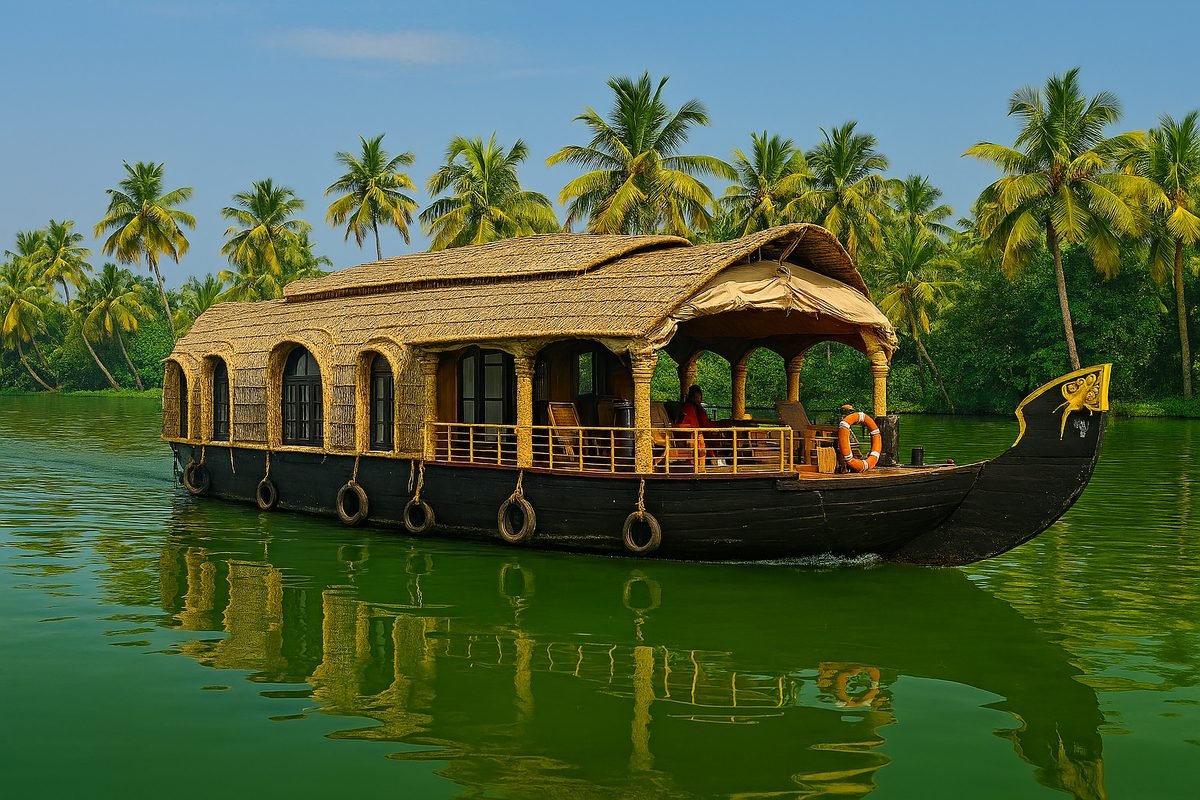
Is winter the best time to visit Kerala? Yes — December to February is the state's sweet spot. The monsoons are long gone, days on the coast are warm and dry (highs around 28–31°C), the backwaters lie calm, and the hill stations wear their best mist. Among the best places to visit in Kerala in winter, five stand out: Kochi, Munnar, Thekkady, Alappuzha and Kovalam.
This 7-day winter route threads them together in one smooth loop: two nights in Kochi, two in the tea hills of Munnar, one in the spice country of Thekkady, a night aboard a houseboat in Alappuzha, and a finale on the beaches of Kovalam — ending at Thiruvananthapuram for an easy flight home.
Why Winter Is Kerala's Best Season
From June to November, Kerala's weather belongs to the monsoons — first the southwest, then the northeast. By December both have moved on: the skies clear, humidity drops, and everything a traveller came for is actually open. Houseboats run full schedules, the sea is calm enough for real beach days, and the Western Ghats turn cool and crisp. One timing note: Christmas and New Year bring peak domestic crowds and the year's highest prices, so the weeks of early December and mid-to-late January are the value window.
| Region | December–February weather |
|---|---|
| Kochi & the coast | 23–30°C, dry — perfect for Fort Kochi walks; evenings need nothing warmer than a shirt |
| Alappuzha backwaters | 22–30°C, calm water — the calmest cruising of the year; clear skies over the sunset deck |
| Munnar & the hills | 10–24°C — crisp days, genuinely cold nights; the only part of Kerala where you need a jacket |
| Kovalam & the south coast | 24–31°C — the warmest sea of the year (~28°C); Kerala's best swimming season |
The 7-Day Kerala Winter Route at a Glance
| Days | Stop | Getting there | Nights |
|---|---|---|---|
| 1–2 | Kochi | Fly into COK or arrive by train at Ernakulam | 2 |
| 3–4 | Munnar | ~130 km, 4–5 hrs by road from Kochi | 2 |
| 5 | Thekkady | ~95 km, 3–4 hrs from Munnar | 1 |
| 6 | Alappuzha houseboat | ~140 km, 4 hrs from Thekkady | 1 (onboard) |
| 7 | Kovalam | ~170 km, 4–5 hrs; fly out of Thiruvananthapuram | — |
Days 1–2: Kochi — the Slow Arrival
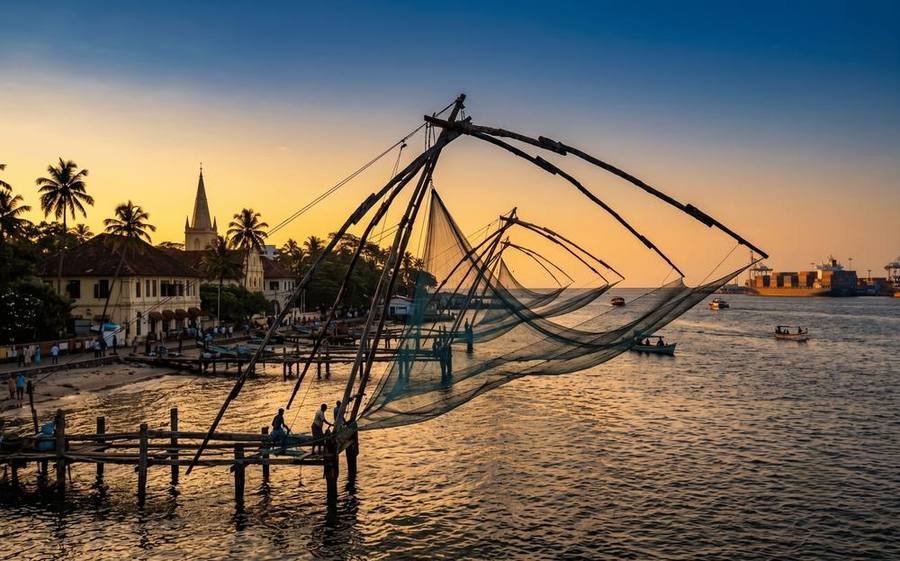
Do: base yourself in Fort Kochi — walkable, heritage-lined and made for slow evenings. Walk the waterfront past the Chinese fishing nets, take in Mattancherry Palace's murals, browse the spice-scented lanes of Mattancherry, and end the day with a Kathakali performance or a sunset cruise.
Practical: Fort Kochi heritage homestays run roughly ₹2,500–7,000 a night; Ernakulam hotels are cheaper and better connected by metro. See Kochi in the full guide.
Days 3–4: Munnar — the Cold Snap
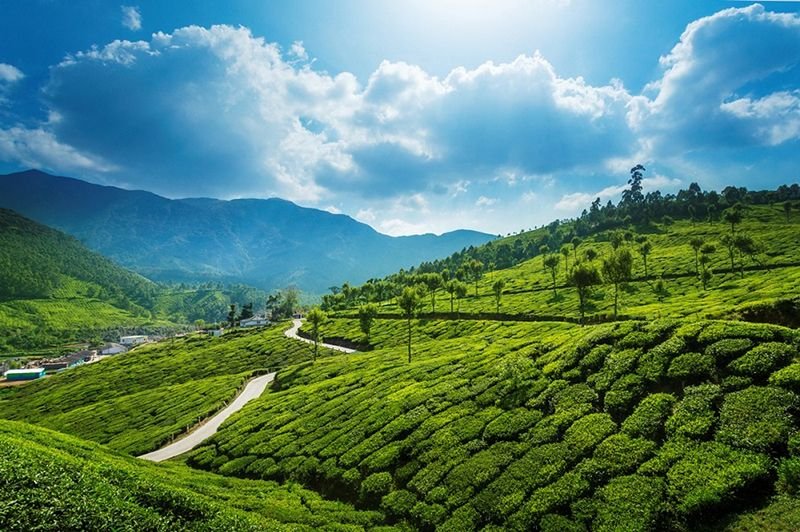
Do: the drive from Kochi climbs through spice country into the tea hills — 130 km that takes 4–5 hours, with photo stops you won't regret. Winter is Munnar at its sharpest: mist on the estate roads at dawn, tea pluckers out by 7, and temperatures that can dip toward 5°C on the coldest January nights. Walk a tea estate with a guide (most stays arrange one), visit a tea factory for a tasting, drive out to Mattupetty Dam and Echo Point, and climb through Eravikulam National Park's grasslands to look for the Nilgiri tahr — note the park typically closes for a few weeks in February–March for the tahr calving season, so check before banking on it in late winter.
Day 5: Thekkady — the Spice Detour
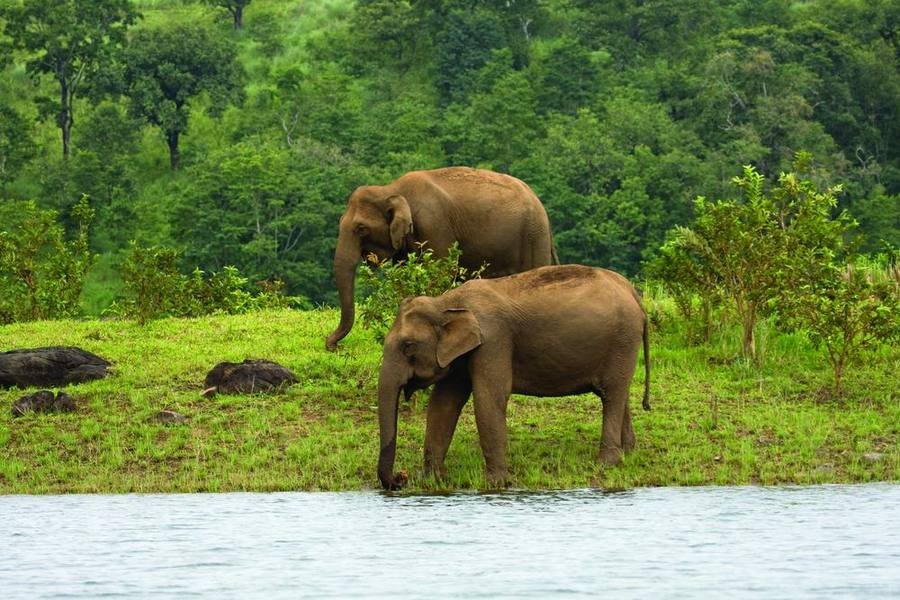
Do: down from the hills and east to Kumily — 95 km, 3–4 hours. Thekkady is a one-night stop that earns its place. Take the morning boat ride on Periyar Lake inside the Periyar Tiger Reserve — elephants and sambar come down to drink in the dry winter months — then spend the afternoon on a guided spice plantation walk: cardamom, pepper, clove and vanilla within arm's reach. Evenings in Kumily belong to the Kathakali and Kalaripayattu shows.
Practical: stay in Kumily, 4 km from the reserve gates; book the morning boat slot a day ahead in winter. See Thekkady in the full guide.
Day 6: Alappuzha — the Houseboat Night
Do: this is the day the whole trip is built around. Board your houseboat at Alappuzha (Alleppey) around noon — the boats cruise until about 5:30 pm, moor overnight, and return by 9 the next morning. An afternoon drifts past coconut groves, paddy fields and village life, with a Keralan lunch cooked onboard. For everything the boats include and what the one-night experience feels like, read our Kerala backwaters planning guide.
Practical: a private one-bedroom houseboat runs roughly ₹8,000–15,000 for the night with all meals in winter; premium upper-deck boats push higher. Book through an established operator or your hotel — the roadside touts at the jetty are not a bargain. One night is the sweet spot. See Alappuzha in the full guide.
Day 7: Kovalam — the Beach Finale
Do: end with sand. Kovalam, 20 minutes from Thiruvananthapuram, is Kerala's classic beach — Lighthouse Beach for swimming and long lunches, Hawa Beach for quieter stretches. Winter gives Kovalam its calmest sea and warmest water of the year (~28°C): take a morning dip, book an Ayurvedic massage — winter is the traditional season for Ayurveda treatments — and watch the sun drop behind the lighthouse.
Practical: stay a night if your flight allows, or head straight to Thiruvananthapuram airport (TRV) — the cleanest exit from this route.
Houseboat or Homestay? An Honest Comparison
The houseboat night is a wonderful splurge — but it isn't the only way to feel the backwaters, and on a tight budget the shikara-plus-homestay combination is arguably more local. What a houseboat cannot do: move at night (boats moor by dusk), or slip down the narrowest canals.
| Option | Typical winter price |
|---|---|
| Private 1-bedroom houseboat, all meals | ₹8,000–15,000 / night — the once-in-a-trip experience; ideal for couples |
| 2–3 bedroom premium houseboat | ₹15,000–30,000+ / night — families and groups |
| Shikara day cruise (2–4 hrs) | ₹600–1,200 / hour — the backwater feel on a budget; reaches narrower canals |
| Backwater homestay + day cruise | ₹2,500–6,000 / night — slow travellers; hosts who know the canals |
What to Pack for Kerala Winter
- A light jacket or fleece — for Munnar nights only; the coast never needs it.
- Cottons and linens — the coast and backwaters stay warm and humid enough for summer clothes.
- Swimsuit and reef-safe sunscreen — Kovalam's winter sea is genuinely swimmable.
- Mosquito repellent — non-negotiable at dusk on the water.
- Modest clothing — covered shoulders and knees for temples and Mattancherry's synagogue lane.
- A shawl — for Kathakali halls and air-conditioned trains.
- ID copies — houseboat operators ask for them at boarding.
Food to Try on the Route
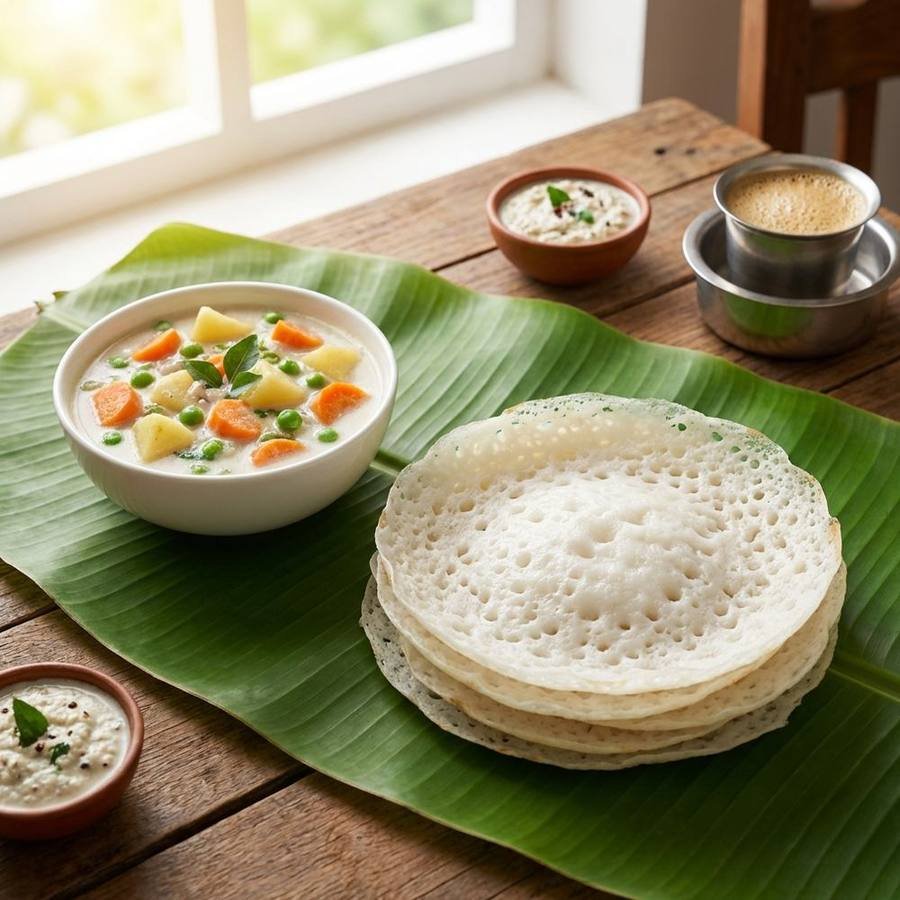
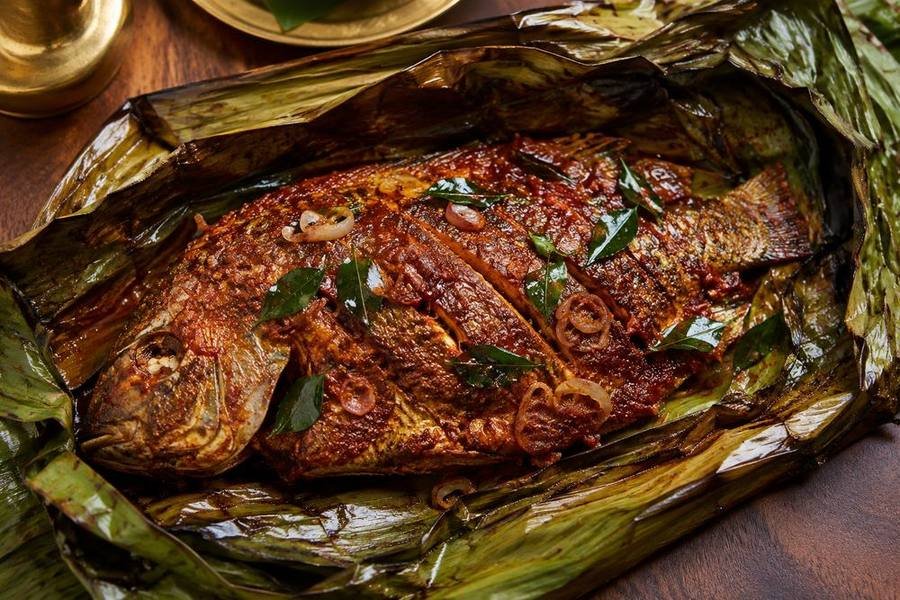
Kerala eats rice, coconut and the sea. On this route: appam with vegetable or chicken stew for breakfast — the lacy fermented-rice pancake is a Kochi and Alappuzha staple. If your dates coincide with a festival meal or a homestay that offers one, eat a full vegetarian sadya served on a banana leaf. And on the houseboat, order karimeen pollichathu — pearl-spot fish marinated, wrapped in banana leaf and grilled: the backwater dish of the trip.
In Fort Kochi or Kumily, Malabar parotta with fish curry does the job for dinner; snack on banana chips from any market; and in Munnar, drink the tea where it's grown. For the wider Indian table, see our best food in India guide.
Watch: Feel Kerala Before You Go
Photos tell you what Kerala looks like — video tells you what it feels like. Two short films: the official Kerala Tourism anthem for God's Own Country, and a full Alleppey houseboat cruise covering village life, onboard food and what to know before booking.
Frequently Asked Questions
Is Kerala cold in December?
Not on the coast — Kochi and Kovalam sit at 24–31°C in December and feel like summer. “Cold” in Kerala means Munnar, where nights can fall to 5–10°C in December and January. That is the only stop on this route where you need a jacket.
Which is better for a houseboat — Alappuzha or Kumarakom?
Alappuzha has the bigger fleet, more choice and easier access from Kochi; Kumarakom's backwaters are quieter and prettier, and it pairs well with the Kumarakom Bird Sanctuary. For a first trip, choose Alappuzha; for a quieter second trip, Kumarakom.
How much does a houseboat cost in Kerala?
In winter, roughly ₹8,000–15,000 per night for a private one-bedroom houseboat with all meals; premium and multi-bedroom boats go higher. Day shikara cruises run ₹600–1,200 per hour. Prices peak between Christmas and New Year, so confirm what's included in writing before paying.
Is 7 days enough for Kerala?
Yes for the highlights — this route's five stops cover the coast, the tea hills, the backwaters and the beach. It does not cover Wayanad, Varkala or the Malabar coast; add three to four days if you want those.
Is winter or monsoon better for Kerala?
Winter for travel: dry days, calm water, and everything open. The monsoon (June–September) suits Ayurveda seekers and photographers who don't mind rain — the landscape is at its greenest and prices at their lowest, but cruising and beach days suffer.
Should I worry about mosquitoes or malaria in Kerala?
Kerala's malaria risk is low, but mosquitoes are a genuine evening nuisance, especially on the backwaters. Carry repellent and use the nets or screens your stay provides — that is enough for almost everyone.
Kerala in winter is the state's showpiece season — dry days, calm backwaters, misty hills and the warmest sea of the year. For the full picture of where to go this season across the country, see our best places to visit in India guide and our best places to visit in India in November.
Plan Kerala with the Full Guide
Destinations, offbeat corners, the food atlas and ready itineraries — Kerala across every page we cover.
Open the full Kerala guide →