
Food Atlas · Kerala
Karimeen pollichathu: Pearl-spot fish masala-wrapped in banana leaf, a backwaters classic

By Beauty of Bharat — India travel guide, every place, every flavour.
Guides covering all 36 States and UTs, researched from official sources and checked at publish time. Corrections welcome — see About Beauty of Bharat.
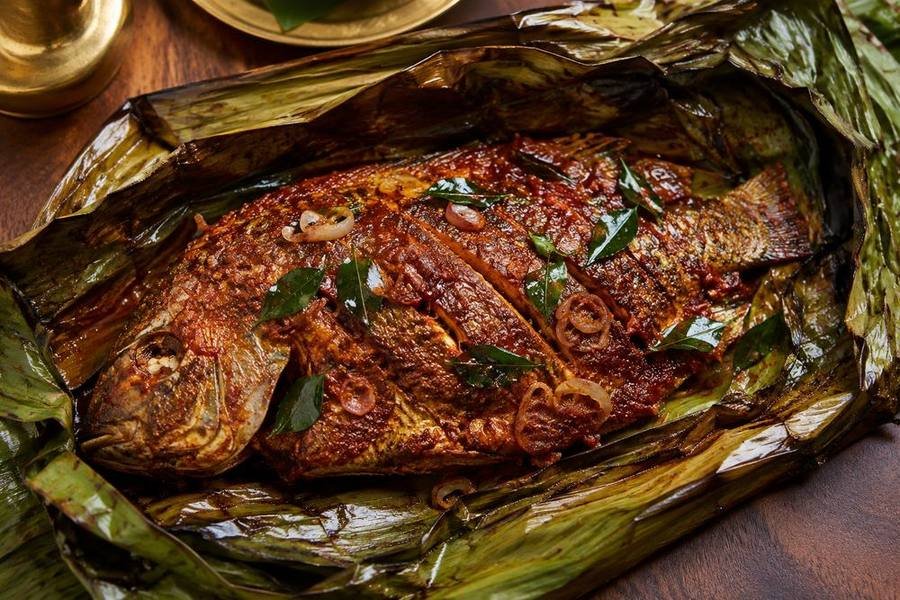
Karimeen pollichathu gives travellers one of the clearest tastes of Kerala — specific in flavour, rooted in place and still part of living food culture. A preparation of karimeen (pearl spot fish) coated in spicy masala, wrapped in banana leaf and pan-cooked, from Kerala's backwater regions.
A detail worth knowing before the first bite: pollichathu means 'burnt/charred in leaf' in spirit — the leaf is lightly scorched as the fish cooks. Keep that in mind as you read on, because Karimeen pollichathu rewards eaters who notice how Kerala seasons, serves and shares its food.
Karimeen pollichathu at a Glance
| State / UT | Kerala |
| Capital / base | Thiruvananthapuram |
| What it is | A preparation of karimeen (pearl spot fish) coated in spicy masala, wrapped in banana leaf and pan-cooked, from Kerala's backwater regions |
| Main ingredients | karimeen (pearl spot fish), onion and tomato masala, ginger and garlic, chilli and turmeric, coconut oil, banana leaf for wrapping and curry leaves |
| Taste | Spicy, tangy and rich, with the masala's heat softened by coconut oil and the leaf's gentle aroma |
| Texture | Moist, flaky fish steamed in its own juices inside the leaf, with a thick masala coating |
| Usually eaten | Served with rice meals, kappa (tapioca) or as the star dish of a backwater houseboat or seafood meal |
| Occasion | A special-occasion and restaurant dish rather than daily home cooking |
The Story on Kerala’s Table
Karimeen is the signature fish of Kerala's lakes and backwaters, especially around Alappuzha, Kumarakom and Kochi, and pollichathu is its most celebrated preparation. Karimeen was declared Kerala's state fish, reflecting its cultural and culinary importance. Wrapping fish in banana leaf is an old Kerala technique that keeps it moist and perfumes it gently. That context is essential in Kerala, where a plate can signal a harvest, a religious calendar, a market habit or the meeting of communities. Karimeen pollichathu belongs in this atlas under Kerala because this is the setting in which its ingredients, accompaniments and meaning come together.
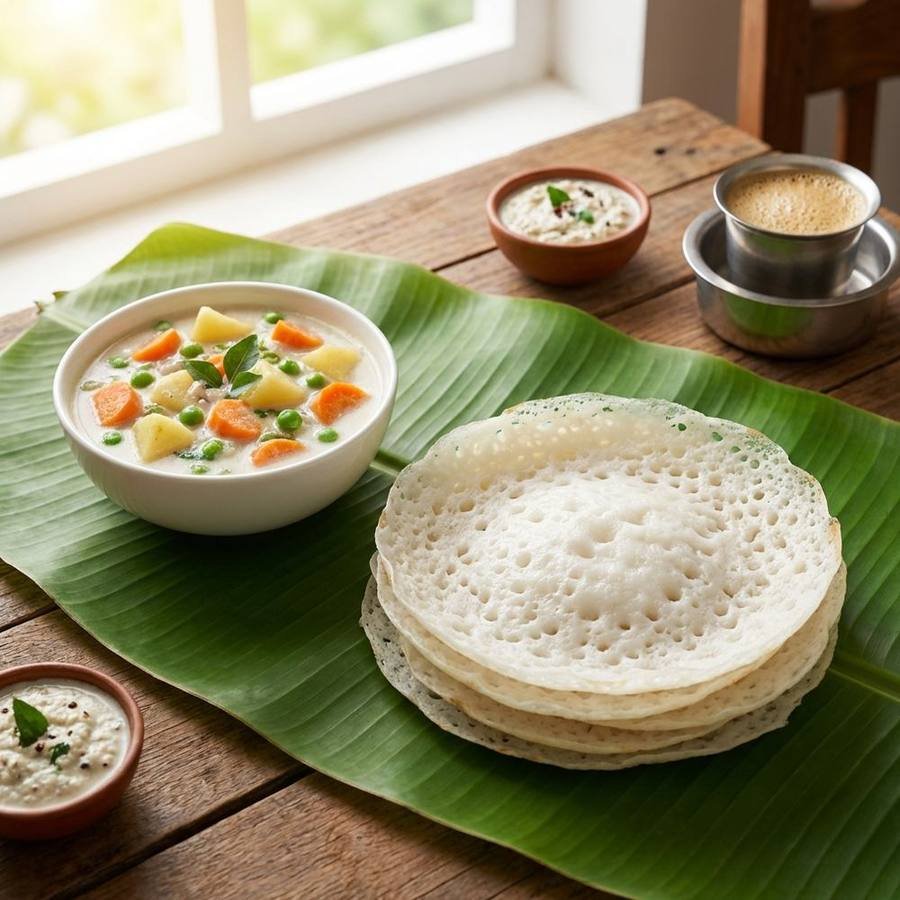
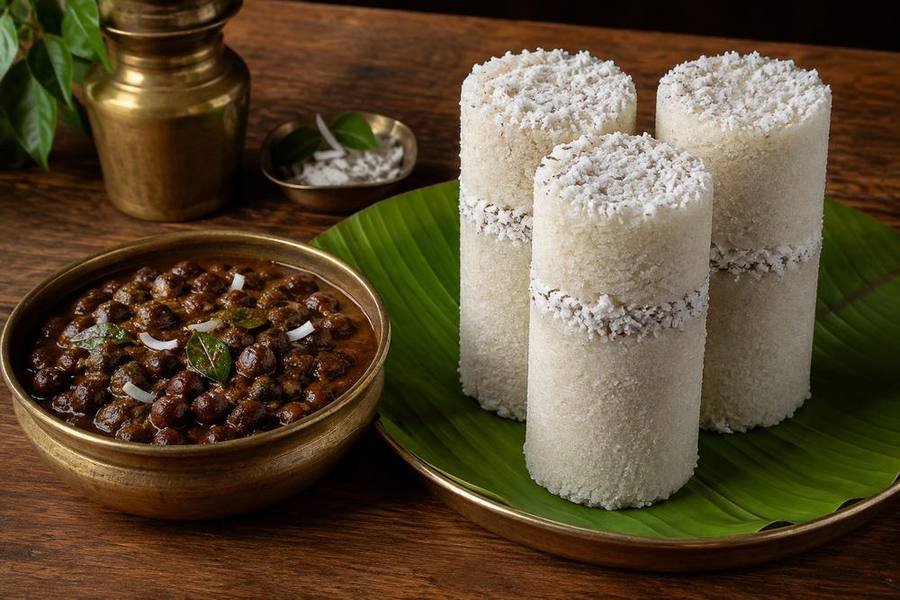
The state guide places Karimeen pollichathu alongside Appam & stew, Puttu & kadala and Sadya. Start with the Kerala travel and food guide if you are planning where this tasting fits into a route.
Taste, Texture and Ingredients
Expect spicy, tangy and rich, with the masala's heat softened by coconut oil and the leaf's gentle aroma. Think moist, flaky fish steamed in its own juices inside the leaf, with a thick masala coating.
The ingredient list is best read as a structure rather than a shopping list: karimeen (pearl spot fish), onion and tomato masala, ginger and garlic, chilli and turmeric, coconut oil, banana leaf for wrapping and curry leaves.
How Karimeen pollichathu Is Made
The fish is marinated, a cooked onion-tomato masala is spread over it, and it is wrapped in a softened banana leaf parcel. The parcel is cooked on a tawa with coconut oil until the leaf chars lightly and the fish steams through, then opened at the table. Technique matters here: the same core ingredients can taste flat or vivid depending on how they are handled.
When Karimeen pollichathu is made for a gathering, that timing also becomes social — food reaches the table as part of a shared rhythm, not as an isolated plate.
When and How It Is Eaten
Served with rice meals, kappa (tapioca) or as the star dish of a backwater houseboat or seafood meal. Its natural moment is a special-occasion and restaurant dish rather than daily home cooking.
Kerala’s broader food culture helps explain the serving style. The state is known for backwaters, beaches and ayurveda, and its calendar includes Onam and Thrissur Pooram.
Where to Try It in Kerala
Try it in Alappuzha, Kumarakom and Kochi seafood restaurants, where karimeen is caught locally. A first tasting is best treated as fieldwork: watch how the dish is served, what surrounds it and when it appears.
Karimeen pollichathu pairs naturally with time in Kochi and Alappuzha, and can sit just as comfortably beside a quieter excursion to Kumbalangi or Marayoor.
More Dishes of Kerala
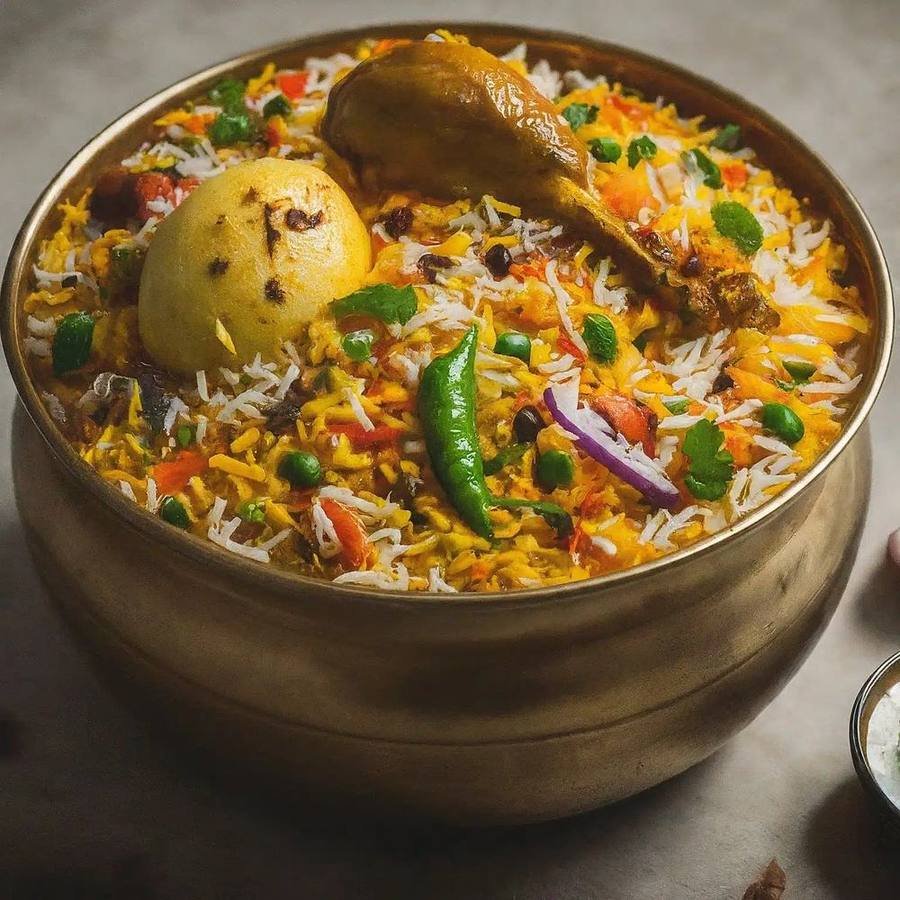
Continue through Kerala’s other signature plates and drinks below — each has its own page, photograph and story.


Frequently Asked Questions
What is Karimeen pollichathu?
A preparation of karimeen (pearl spot fish) coated in spicy masala, wrapped in banana leaf and pan-cooked, from Kerala's backwater regions. Expect spicy, tangy and rich, with the masala's heat softened by coconut oil and the leaf's gentle aroma.
What are the main ingredients in Karimeen pollichathu?
The defining ingredients or components are karimeen (pearl spot fish), onion and tomato masala, ginger and garlic, chilli and turmeric, coconut oil, banana leaf for wrapping and curry leaves. The fish is marinated, a cooked onion-tomato masala is spread over it, and it is wrapped in a softened banana leaf parcel. The parcel is cooked on a tawa with coconut oil until the leaf chars lightly and the fish steams through, then opened at the table.
What does Karimeen pollichathu taste like?
Expect spicy, tangy and rich, with the masala's heat softened by coconut oil and the leaf's gentle aroma. Think moist, flaky fish steamed in its own juices inside the leaf, with a thick masala coating. Serving pattern: Served with rice meals, kappa (tapioca) or as the star dish of a backwater houseboat or seafood meal.
When is Karimeen pollichathu eaten in Kerala?
A special-occasion and restaurant dish rather than daily home cooking. Banana-leaf wrapping both steams the fish and adds aroma — it is not just presentation.
Where can I try Karimeen pollichathu in Kerala?
Try it in Alappuzha, Kumarakom and Kochi seafood restaurants, where karimeen is caught locally. Pair a first tasting with Appam & stew and Puttu & kadala to see how Karimeen pollichathu sits within the wider Kerala table.
Every Place. Every Flavour.
Karimeen pollichathu is one of 6 dishes and drinks profiled from Kerala — and one of 213 regional dishes across all 36 states and union territories in this atlas.
Open the Kerala guide Read the blog