
Jharkhand · State Guide
Best Places to Visit in Jharkhand: 10 Places That Prove the State Is Underrated

By Beauty of Bharat — India travel guide, every place, every flavour.
Guides covering all 36 States and UTs, researched from official sources and checked at publish time. Corrections welcome — see About Beauty of Bharat.

Jharkhand turned 26 today. Carved out of Bihar on 15 November 2000, it is still the state most travellers skip on the map — and that is exactly why it rewards the ones who don’t. The best places to visit in Jharkhand are Ranchi’s waterfalls, the hill station of Netarhat, Betla National Park, Deoghar’s Baidyanath Dham and Parasnath Hill: ten stops — waterfalls, forests, a Jyotirlinga and Jainism’s holiest hill — in one small state. The surprises start early. Deoghar holds the only Jyotirlinga that is also a Shakti Peetha. Betla’s forests hosted the world’s first tiger census, counted by pugmark, in 1932. And Hundru Falls, at 98 metres, is not even the tallest waterfall in the state — Lodh Falls, at 143 metres, is.
| Place | Distance from Ranchi | Best for | Time needed |
| 1. Ranchi | in the city | Waterfalls, temples, base camp | 1 day |
| 2. Hundru Falls | about 45 km | Jharkhand’s best-known waterfall (98 m) | Half a day |
| 3. Netarhat | about 150 km | Sunsets, pine forest, cool air | 1–2 days |
| 4. Lodh Falls | about 200 km (60–70 km from Netarhat) | Jharkhand’s tallest waterfall (143 m) | Day trip from Netarhat |
| 5. Betla National Park | about 150–170 km | Wildlife, elephants, Palamu Forts | 1–2 days |
| 6. Deoghar | about 250–275 km | Jyotirlinga + Shakti Peetha | 1–2 days |
| 7. Parasnath Hill | about 190 km | Jain pilgrimage, highest peak (1,365 m) | 1 day |
| 8. Patratu Valley | about 40–48 km | Hairpin drive, dam, sunset | Half a day |
| 9. Jamshedpur | about 130 km | Parks, Dimna Lake, Dalma elephants | 1–2 days |
| 10. Hazaribagh | about 95 km | Gardens, lakes, wildlife | 1 day |
Distances are road distances and vary by route: sources quote 150–170 km for Betla, 250–275 km for Deoghar and 40–48 km for Patratu Valley. Treat every figure as a planning estimate and check the route before you leave.
1. Ranchi — the City of Waterfalls
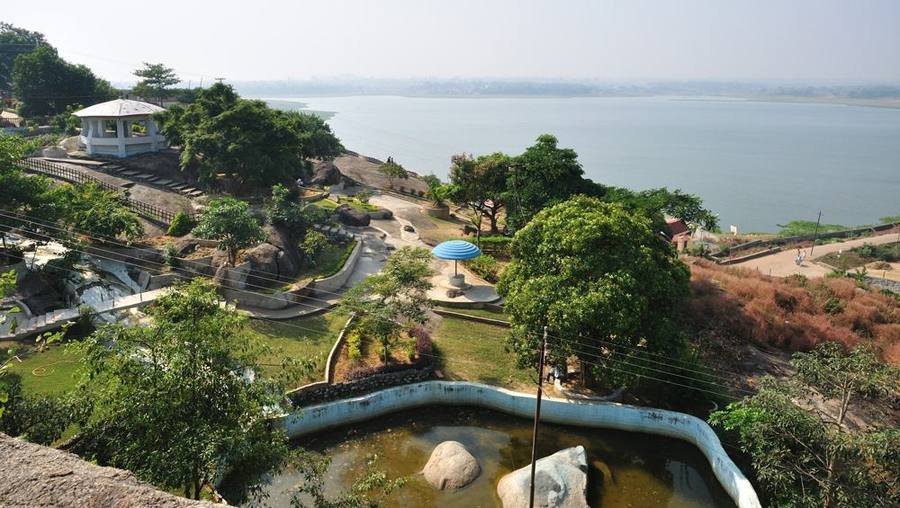
Every Jharkhand trip starts in Ranchi, and the capital earns its nickname honestly. The city sits about 650–700 metres up on the Chotanagpur plateau, ringed by dramatic waterfalls within an hour or two of the centre. Ranchi itself is worth a day: Tagore Hill, where Rabindranath Tagore’s elder brother once lived, gives the best sunset in the city, and the Rock Garden and Kanke Dam make for a slow family evening. Fly into Birsa Munda Airport or arrive at Ranchi Junction, and use the city as your base. See our Ranchi guide.
The waterfalls are the reason to stay. Dassam Falls, about 40 km south, drops 44 metres off the Kanchi River into a wide, misty gorge. Jonha Falls, also about 40 km out, drops 43 metres at Gautamdhara, with steps down to the base and a small Buddhist monastery nearby.
2. Hundru Falls — the famous one, 98 metres down
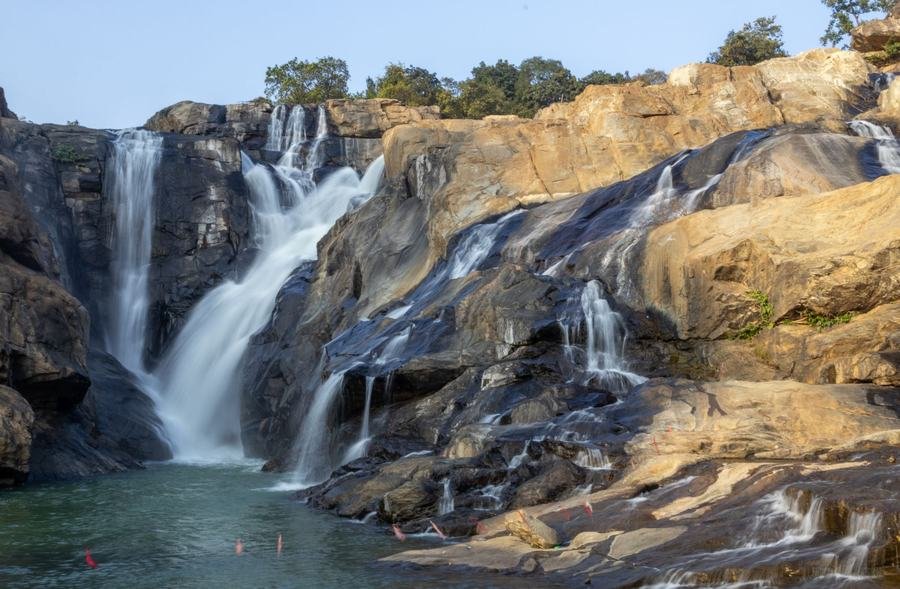
Hundru is the waterfall on every Jharkhand postcard, and it deserves the fame. About 45 km from Ranchi, the Subarnarekha River drops 98 metres over a rocky cliff. It is the most visited waterfall in the state, so come early: the light is best in the morning, and the crowds arrive by late morning. The falls are fullest just after the monsoon, from July to October, and most peaceful in winter, when the flow thins and the rocks make a good picnic spot. Go in daylight hours.
3. Netarhat — the Queen of Chotanagpur
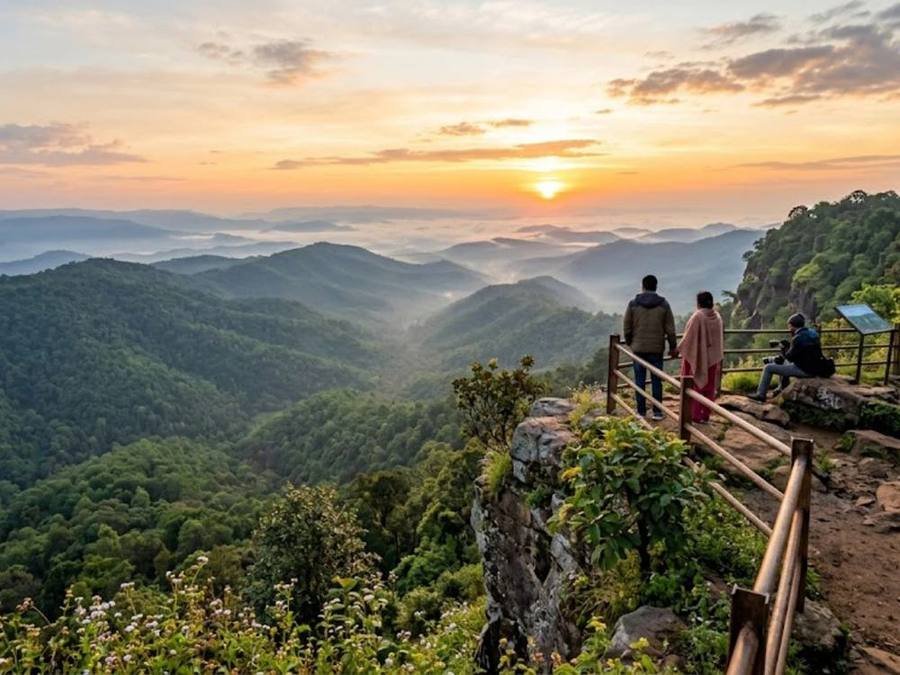
Netarhat is the one place in Jharkhand that feels like a proper hill station. Perched about 1,070–1,130 metres up on the plateau — sources differ on the exact figure — it is roughly 150 km and a four-hour drive west of Ranchi, through winding ghat roads and sal forest. Its fame rests on two daily events: sunrise at Koel View Point and sunset at Magnolia Point, where the sun drops behind layer after layer of forested hills. Winter mornings run cold, roughly 4–18°C, so pack a layer even if Ranchi felt warm. Stay a night — the sunrise is the reason to come.
4. Lodh Falls — the real tallest waterfall in Jharkhand
Here is the correction the postcards skip. Hundru gets called the tallest waterfall in Jharkhand, but Lodh Falls — also known as Budha Ghagh — is taller by nearly half again: 143 metres, in tiers, down the Burha River, making it the 21st highest waterfall in India. It sits deep in the Latehar forests, about 60–70 km from Netarhat and roughly 200 km from Ranchi. Come between September and February, when the cascade is at its most dramatic; do not try to swim at the base, where the pool is deep and the current is dangerous. There is no verified photo of Lodh Falls in our library, so this one runs text-only.
5. Betla National Park — elephants, forts and the first tiger census
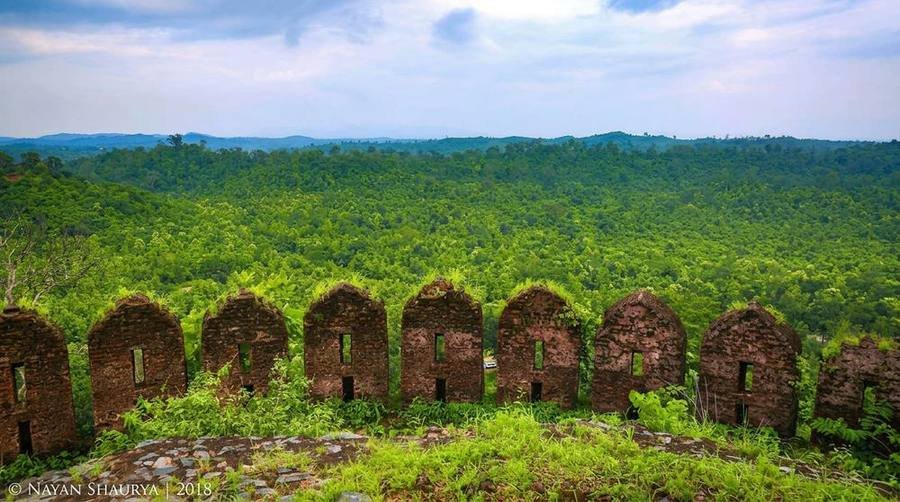
Betla is Jharkhand’s only national park, 226 sq km inside the Palamu Tiger Reserve (1,130 sq km), one of the first nine tiger reserves declared under Project Tiger in 1973–74. The forests hold a world first: in 1932, forest officer J. W. Nicholson ran the world’s first tiger census, by pugmark, here. Even the name is a field guide — BETLA stands for bison, elephant, tiger, leopard and axis-axis, the spotted deer. Inside the park stand the ruined Old and New Palamu Forts, 16th–17th-century Chero-dynasty structures half-swallowed by forest. On tigers, be honest: the 2018 count found no resident tiger and the 2022 count confirmed just one, so come for the elephants, gaur, deer and the forts. Betla is about 150–170 km from Ranchi; safaris run roughly October to June.
6. Deoghar — the Jyotirlinga that is also a Shakti Peetha

Deoghar is the spiritual heart of Jharkhand, and it holds a distinction no other pilgrimage town in India can claim. Baidyanath Dham is one of the twelve Jyotirlingas of Shiva — and it is also counted among the 51 Shakti Peethas, the only Jyotirlinga site that is both. Tradition holds that the heart of the goddess Sati fell here, making this the Hridaya Peetha; Shiva is worshipped here as Vaidyanath, the Divine Physician. The town peaks in Shravan, July–August, when the Shravani Mela draws lakhs of pilgrims, many walking the 105 km Kanwar route from Sultanganj. Outside the festival, add Trikut Hills and Basukinath, about 45 km away. Deoghar is about 250–275 km from Ranchi, a five-to-six-hour drive, and it now has its own airport too. See our Deoghar guide.
7. Parasnath Hill — the highest peak, and Jainism’s holiest hill
At 1,365 metres, Parasnath Hill is the highest peak in Jharkhand — and for Jains, the holiest place on Earth. Known as Sammed Shikharji, it is where 20 of the 24 Tirthankaras are believed to have attained moksha, and the climb passes their shrines, the tonks, one by one through dense forest. The summit trek is about 9 km from the base village of Madhuban; the full circular pilgrim trail runs about 27 km. Start before dawn, carry water and food, and allow a full day. Parasnath sits about 190 km from Ranchi, on the way to Deoghar, so the two pair naturally into one pilgrimage leg. There is no verified photo of the hill in our library, so this section runs text-only.
8. Patratu Valley — the hairpin drive 40 km from Ranchi

Ask anyone in Ranchi for a Sunday drive and they will name Patratu Valley. About 40–48 km from the city — the official tourism department says 40 km, cab operators quote up to 48 km depending on the route — the road drops down a series of hairpin bends to Patratu Dam. The dam was built to a plan overseen by Sir M. Visvesvaraya, and the lake at the bottom has a resort with boating. Come in the late afternoon for the sunset over the water. Pair it with the Rock Garden and Kanke Dam on the way back.
9. Jamshedpur — the steel city with a wild edge
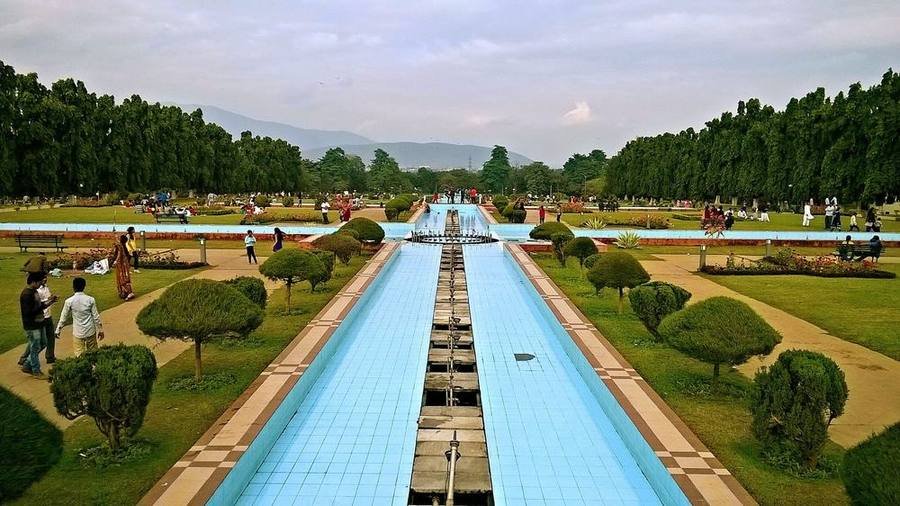
Jamshedpur is the odd one out on this list, and that is why it belongs here. Built around the Tata steelworks founded in 1907, it is green, orderly and surprisingly easy to like: Jubilee Park for an evening walk, Dimna Lake for boating with the Dalma Hills behind it. The wild edge is Dalma Wildlife Sanctuary, about 10 km from the city, where elephants from the Dalma hills come down to the water. Jamshedpur is about 130 km from Ranchi, and it makes the natural second base for the south of the state. See our best places to visit in Jamshedpur guide.
10. Hazaribagh — the land of a thousand gardens
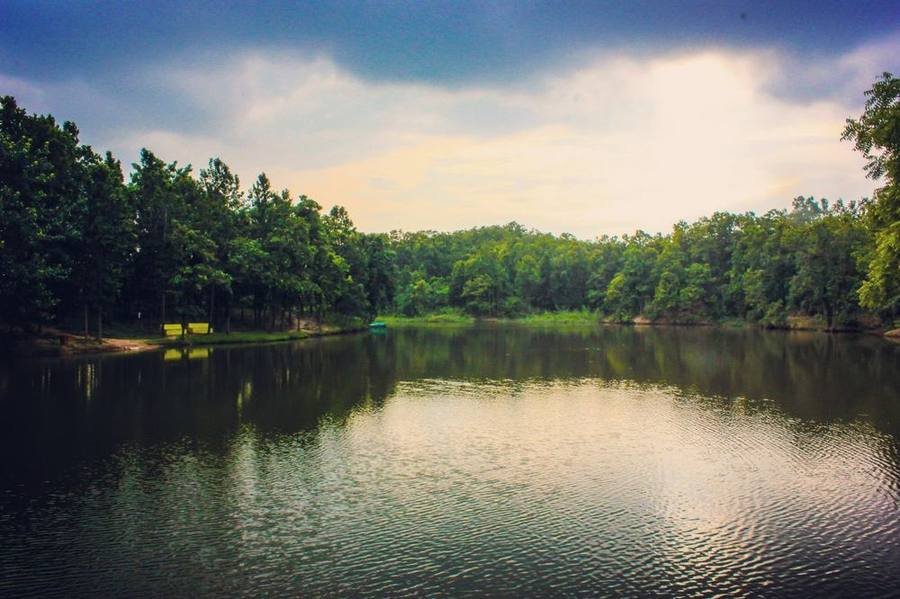
Hazaribagh is the quiet stop that travellers usually pass through on the way to Deoghar — and the one they remember afterwards. About 93–95 km from Ranchi, roughly two hours twenty minutes by road, the town lives up to its name, the land of a thousand gardens: lakes, green open spaces and the wildlife sanctuary on its edge, where the forest starts almost at the town’s doorstep. It is a calm overnight base on the Ranchi–Deoghar road, and the easiest way to see the gentler, greener side of the plateau without a trek or a safari.
Tourist Places in Jharkhand for 2 Days
Two days is enough for the classic first trip, if you keep it tight. Day one belongs to Ranchi’s waterfalls: Hundru in the morning, Jonha and Dassam after lunch, and Tagore Hill at sunset, all within about 45 km of the city. Day two starts early — Patratu Valley on the way out, then Netarhat for sunset at Magnolia Point and sunrise at Koel View Point. With four days, add Betla; with five or six, add Deoghar and Parasnath, or Jamshedpur and Dalma.
Best Places to Visit in Jharkhand in Winter
October to February is the window to aim for: cool, dry days of roughly 10–25°C, open parks, and comfortable walking everywhere from Netarhat’s viewpoints to Parasnath’s climb. The monsoon, July to September, brings the fullest falls but also closed safari zones and rough forest roads. The one exception is Deoghar: it peaks in the monsoon month of Shravan, July–August, when the Shravani Mela fills the town. For the same season elsewhere, see our best places to visit in India in December guide.
How to Reach Jharkhand
Fly into Birsa Munda Airport in Ranchi, or into Deoghar Airport for the eastern leg; Ranchi Junction is well connected by train, and the road from Kolkata is about 400 km. Once inside the state, hire a car with a local driver: the ghat roads are slow, and the best places sit at the end of roads that reward local knowledge. Book safaris and stays in advance for October–February.
What to Eat in Jharkhand
Eat like the plateau eats. Dhuska, the deep-fried rice-and-lentil bread, leads the table, with rugra, the wild mushroom curry, chilka roti and the sweet thekua close behind. For the full table, see our famous food of Jharkhand guide, and the individual dishes — dhuska, rugra, chilka roti and thekua.
Watch & Feel the Place: Netarhat & Lodh Falls on Film
Videos are by their respective creators.
Best Places to Visit in Jharkhand FAQs
What is the best time to visit Jharkhand?
October to February, when days run roughly 10–25°C and every park, viewpoint and trail is open and comfortable. Waterfalls are at their fullest just after the monsoon, in September and October. Deoghar peaks during Shravan (July–August) for the Shravani Mela.
How many days are enough for Jharkhand?
Two days cover the classic first trip: Ranchi’s waterfalls on day one and Netarhat, via Patratu Valley, on day two. Four to five days cover the full circuit — add Betla National Park for a safari, Deoghar for Baidyanath Dham and Parasnath Hill for the Jain pilgrimage climb. A week lets you add Jamshedpur, Dalma and Hazaribagh without rushing.
What is Jharkhand famous for?
Waterfalls, forests, tribal heritage and sacred landscapes. Travellers come above all for Ranchi’s waterfalls, Netarhat’s sunsets, Betla’s wildlife and Deoghar’s Baidyanath Dham — the only Jyotirlinga that is also a Shakti Peetha — plus Parasnath Hill, the holiest hill in Jainism. The table is led by dhuska, rugra, chilka roti and thekua.
What are the top places to visit in Jharkhand?
Start with Ranchi, Hundru Falls, Netarhat, Lodh Falls and Betla National Park, then Deoghar, Parasnath Hill, Patratu Valley, Jamshedpur and Hazaribagh. For a first trip, base yourself in Ranchi for the waterfalls, spend a night in Netarhat for the sunrise and sunset, and add Deoghar if you have a third or fourth day.
Can I visit Ranchi's waterfalls in one day?
Yes — Hundru, Jonha and Dassam Falls all sit within about 45 km of Ranchi, so the three make a comfortable single-day circuit by car. Start with Hundru in the morning, take Jonha and Dassam after lunch, and finish at Tagore Hill for sunset. Go in daylight hours.
Ranchi’s waterfalls are the doorway; the forests, the hill station and the shrines are the rooms beyond them. Start with the falls, stay a night in Netarhat, and let Betla, Deoghar and Parasnath set the pace after that. Next, read our best places to visit in Bihar and best places to visit in Odisha guides.
Plan your Jharkhand trip
Waterfalls, a hill station, a tiger reserve and a Jyotirlinga — in one compact state.
Jharkhand state guide →