
Offbeat Place · East India
Shantiniketan: Tagore's University Town Under the Trees

By Beauty of Bharat — India travel guide, every place, every flavour.
Guides covering all 36 States and UTs, researched from official sources and checked at publish time. Corrections welcome — see About Beauty of Bharat.

In the red-earth Birbhum district of West Bengal, north-west of Kolkata, Shantiniketan began as a retreat founded by Debendranath Tagore and became, under his son Rabindranath, Visva-Bharati: a university built on learning in nature, now recognised by UNESCO. Classes still meet under mango trees, the Uttarayan complex preserves the poet's houses, Kala Bhavana nurtured modern Indian art, and murals and sculptures by masters such as Nandalal Bose and Ramkinkar Baij animate the campus.
Shantiniketan stays offbeat in spirit even when busy, because it is a living university and artists' town rather than a monument site. Its rhythm is cultural: Baul singers at the Saturday Sonajhuri haat among sal trees, students cycling shaded lanes, craft stalls by the Khoai's eroded gullies, and festivals like Poush Mela marking the seasons. A visit feels gently intellectual and unhurried, rewarding those who walk, listen and browse rather than rush between sights. Time a visit for the Saturday haat if you can, arrive by bicycle or on foot where possible, and leave space for the unexpected concert, exhibition or conversation that this town specialises in producing. Shantiniketan is not consumed, it is joined, briefly and gratefully. Travellers who accept that leave with books, crafts, music and a distinctive, lingering calm.
Shantiniketan at a Glance
| State | West Bengal |
| Region | East India |
| Known for | Shantiniketan is known for arts and cultural heritage in West Bengal's Birbhum district, Rabindranath… |
| Gateway | Bolpur Shantiniketan railway station |
| Best time to visit | Visit from October to March for Birbhum's pleasant, dry weather and the town's festival season, including the… |
| Time needed | two unhurried days |
| State capital | Kolkata |
| More offbeat in West Bengal | 4 more places in this guide |
Why Shantiniketan Stays Off the Beaten Path
Shantiniketan is known for arts and cultural heritage in West Bengal's Birbhum district, Rabindranath Tagore's university town, where the UNESCO-listed Visva-Bharati, open-air classes, Kala Bhavana art, Baul music and the Sonajhuri haat shape a uniquely creative Bengal settlement. The headline sights of West Bengal draw the crowds for good reason, but Shantiniketan moves at a different pace: fewer signboards, fewer queues, and more of the state as its own people know it.
Presented honestly as lesser-known, never as an “undiscovered secret”: Shantiniketan is known and loved locally, and facilities are plainer than in Kolkata. Go for the place itself — the slower mornings, the unhurried conversations, the sense of West Bengal without a crowd in front of it — and it will not disappoint.
Things to Do in Shantiniketan
The highlights below are the reasons to make the detour. None of them need a packed schedule — Shantiniketan rewards travellers who pick two or three and linger over them.
Walk the Visva-Bharati campus
Explore the university Tagore founded, from open-air classrooms and prayer hall to the art and music buildings under great trees.
Tour the Uttarayan complex
Visit the houses Tagore lived and worked in, now a museum complex tracing his life, writing and world-facing experiments.
Browse Sonajhuri Haat
Spend Saturday at the craft market under sal trees, where artisans sell work and Baul musicians perform in the open air.
See Kala Bhavana's art
Look for the murals, sculptures and studios of the art school that shaped generations of modern Indian artists.
Walk the Khoai landscape
Stroll the eroded red-earth gullies at the town's edge, the distinctive Bengal badland scenery Tagore and his students loved.
Best Time to Visit Shantiniketan
Visit from October to March for Birbhum's pleasant, dry weather and the town's festival season, including the Poush Mela in December. Winter mornings under the trees are especially atmospheric; summer in the red-earth plains can be very hot.
Across West Bengal the wider season runs like this: October–March for many plains destinations; hill weather has its own seasonal pattern. Time Shantiniketan inside that window and you get the place at its best — and, this being the offbeat list, usually without the peak-season pressure of the headline stops.
How to Reach Shantiniketan
Reach Shantiniketan by rail to Bolpur, its adjoining station town, or by road from Kolkata, West Bengal's capital and main airport gateway. The campus and Uttarayan lie a short local ride from Bolpur station, with cycle-rickshaws widely used.
Treat Kolkata and the gateway above as your logistics base: stock up there, confirm local transport onward, and keep a buffer in the plan — remoter corners reward travellers who are not racing the clock.
Shantiniketan — Transport at a Glance
| Nearest airport | Kolkata Airport (CCU) is the main airport gateway |
| Nearest railway station | Bolpur Shantiniketan is its adjoining station town |
| By road | By rail to Bolpur or by road from Kolkata; the campus and Uttarayan lie a short local ride from Bolpur station, with cycle-rickshaws widely used |
| Getting around | Cycle-rickshaws are the classic way between campus, ashram and the Khoai side; everything central is walkable |
More Offbeat Places in West Bengal
Shantiniketan is one of 5 offbeat corners in the West Bengal state guide — pair it with a sibling below for a slower, deeper trip.
Bishnupur
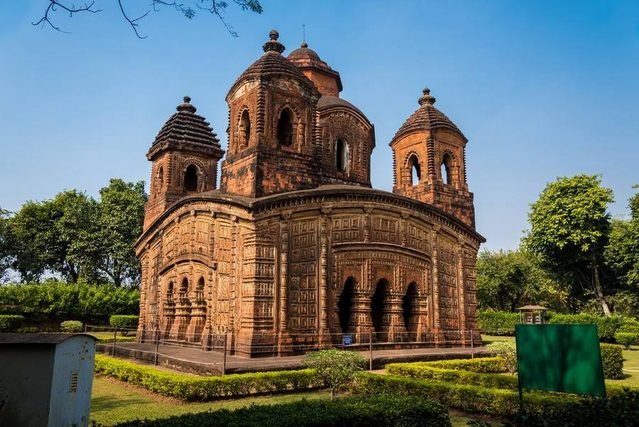
Known for: terracotta temples and crafts. It helps that Bishnupur asks a little more of the traveller — a slower road, a plainer stay, a plan made around seasons rather than weekends — and repays the effort with room to breathe.
Dooars
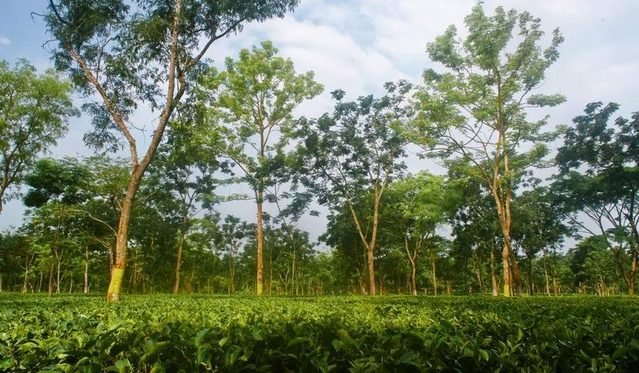
Known for: forests and wildlife. The headline sights of West Bengal draw the crowds for good reason, but Dooars moves at a different pace: fewer signboards, fewer queues, and more of the state as its own people know it.
Murshidabad

Known for: Nawabi heritage. Nothing about Murshidabad is staged for visitors. Come outside the short peak window and you may share its best hours with almost no one — that, more than any single sight, is the luxury here.
Mandarmani
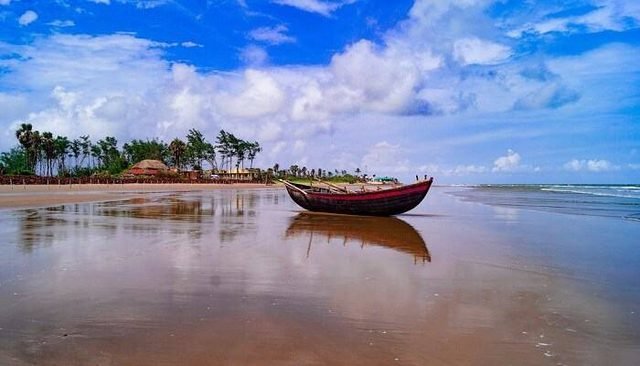
Known for: coastal escape. Mandarmani has stayed off the standard circuit because it sits a little beyond the usual route through West Bengal — close enough to reach in a day, far enough to keep its quiet.
While You Are in West Bengal
Start from the full West Bengal travel guide for the complete picture. Headline destinations to pair with this trip: Kolkata · Darjeeling · Siliguri. And eat the state properly while you are there — Macher jhol · Shorshe ilish lead the table in the Food Atlas.
Frequently Asked Questions
What is Shantiniketan known for?
Shantiniketan is known for arts and cultural heritage in West Bengal's Birbhum district, Rabindranath Tagore's university town, where the UNESCO-listed Visva-Bharati, open-air classes, Kala Bhavana art, Baul music and the Sonajhuri haat shape a uniquely creative Bengal settlement. It sits in this atlas on West Bengal's offbeat list — the state's quieter, lesser-visited side.
What is the best time to visit Shantiniketan?
Visit from October to March for Birbhum's pleasant, dry weather and the town's festival season, including the Poush Mela in December. Winter mornings under the trees are especially atmospheric; summer in the red-earth plains can be very hot. For West Bengal as a whole, October–March for many plains destinations; hill weather has its own seasonal pattern.
How do I reach Shantiniketan?
Reach Shantiniketan by rail to Bolpur, its adjoining station town, or by road from Kolkata, West Bengal's capital and main airport gateway. The campus and Uttarayan lie a short local ride from Bolpur station, with cycle-rickshaws widely used. The usual gateway is Bolpur Shantiniketan railway station.
How many days do I need for Shantiniketan?
Plan on two unhurried days. Most travellers pair Shantiniketan with Bishnupur and Dooars or the headline stops in the West Bengal state guide rather than rushing it as a whistle-stop.
What is the connection between Tagore and Shantiniketan?
Rabindranath Tagore founded a school here that grew into Visva-Bharati University, embodying his ideal of education in nature and exchange between India and the world. The campus, his houses and the town's artistic life all preserve that vision, now UNESCO-recognised.
Every Place. Every Flavour.
Shantiniketan is one of 154 offbeat places in this atlas — alongside 36 states and union territories, 188 destinations and 213 regional dishes, each with its own full guide page.
Explore all 36 states Read the blog