
Offbeat Place · South India
Arikamedu: Where Rome Came to Trade

By Beauty of Bharat — India travel guide, every place, every flavour.
Guides covering all 36 States and UTs, researched from official sources and checked at publish time. Corrections welcome — see About Beauty of Bharat.

Arikamedu lies just south of Puducherry town, on the banks of the Ariyankuppam River where it nears the sea. Excavations here revealed the remains of an ancient trading port — brick structures, warehouses and finds including Roman amphorae and pottery — evidence that ships once connected this quiet Tamil shore with the Roman world, trading in textiles, beads and spices. The site was excavated in the twentieth century by archaeologists including Mortimer Wheeler, whose work here helped establish the chronology of ancient South Indian trade — a scholarly importance out of all proportion to the modest ruins visible on the ground today.
Today Arikamedu is the opposite of a blockbuster monument: a peaceful, partly overgrown site reached by a short drive or cycle ride from White Town, with an old French-era building nearby and mango trees shading the ruins. Most Puducherry visitors never come, which keeps it contemplative. Manage expectations — this is atmosphere and imagination more than standing grandeur — and history lovers will find it quietly thrilling to stand where Mediterranean merchants once anchored. There is little signage and no spectacle, so reading a little about Indo-Roman trade beforehand transforms the visit. Bring water, a hat and imagination in equal measure, and afterwards the cafés of White Town feel enjoyably close yet centuries away.
Arikamedu at a Glance
| State | Puducherry |
| Region | South India |
| Known for | Arikamedu is known as an archaeological site on the Ariyankuppam River near Puducherry — an ancient port… |
| Gateway | Puducherry town & Chennai airport by road |
| Best time to visit | October to March is most comfortable, with cooler days for walking the open site. |
| Time needed | one gentle half-day |
| State capital | Puducherry |
| More offbeat in Puducherry | 3 more places in this guide |
Why Arikamedu Stays Off the Beaten Path
Arikamedu is known as an archaeological site on the Ariyankuppam River near Puducherry — an ancient port where Roman-era trade once linked Tamil merchants with the Mediterranean world, now a quiet ruin among mango groves. Arikamedu has stayed off the standard circuit because it sits a little beyond the usual route through Puducherry — close enough to reach in a day, far enough to keep its quiet.
Presented honestly as lesser-known, never as an “undiscovered secret”: Arikamedu is known and loved locally, and facilities are plainer than in White Town. Go for the place itself — the slower mornings, the unhurried conversations, the sense of Puducherry without a crowd in front of it — and it will not disappoint.
Things to Do in Arikamedu
The highlights below are the reasons to make the detour. None of them need a packed schedule — Arikamedu rewards travellers who pick two or three and linger over them.
Read the ancient ruins
Walk among the excavated brick remains and picture the warehouses of a port that traded with the Roman world.
Stand by the Ariyankuppam River
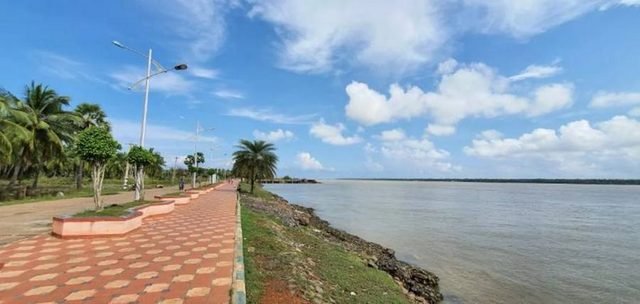
Take in the river setting that made Arikamedu a port, imagining boats loading textiles, beads and spices here.
Cycle from Puducherry
Ride out from town through local lanes, making the journey part of a gentle half-day heritage outing.
Combine with riverside villages
Explore the surrounding Ariyankuppam area for a glimpse of everyday life beyond Puducherry's tourist centre.
Reflect in the mango grove shade
Sit quietly among the trees — Arikamedu rewards slow looking and historical imagination over hurried sightseeing.
Best Time to Visit Arikamedu
October to March is most comfortable, with cooler days for walking the open site. Early mornings suit Arikamedu year-round, avoiding midday heat. Monsoon rain can make the grounds muddy, so choose a dry day in the wet season.
Across Puducherry the wider season runs like this: October–March is generally comfortable. Time Arikamedu inside that window and you get the place at its best — and, this being the offbeat list, usually without the peak-season pressure of the headline stops.
How to Reach Arikamedu
Arikamedu is a short road journey south from Puducherry town, easily reached by taxi, auto-rickshaw or bicycle from White Town. Puducherry connects by road and rail to Chennai, whose airport is the main air gateway for the region.
Because facilities thin out beyond the gateway, the rhythm that works here is simple: arrive in daylight, settle in, and give Arikamedu the early hours of the next day before moving on.
Arikamedu — Transport at a Glance
| Nearest airport | Chennai Airport (MAA) is the main air gateway; Puducherry (PNY) has limited flights |
| Nearest railway station | Puducherry's own station connects by rail to Chennai side |
| By road | A short road journey south from Puducherry town, easily reached by taxi, auto-rickshaw or bicycle from White Town |
| Getting around | The excavated port site is walked; combine with the Ariyankuppam river side by the same ride |
More Offbeat Places in Puducherry
Arikamedu is one of 4 offbeat corners in the Puducherry state guide — pair it with a sibling below for a slower, deeper trip.
Ousteri Lake

Known for: wetland and birding. The headline sights of Puducherry draw the crowds for good reason, but Ousteri Lake moves at a different pace: fewer signboards, fewer queues, and more of the state as its own people know it.
Yanam
Known for: distinct regional enclave culture. Yanam has stayed off the standard circuit because it sits a little beyond the usual route through Puducherry — close enough to reach in a day, far enough to keep its quiet.
Pichavaram nearby

Known for: mangrove experience. It helps that Pichavaram nearby asks a little more of the traveller — a slower road, a plainer stay, a plan made around seasons rather than weekends — and repays the effort with room to breathe.
While You Are in Puducherry
Start from the full Puducherry travel guide for the complete picture. Headline destinations to pair with this trip: White Town · Sri Aurobindo Ashram · Promenade Beach. And eat the state properly while you are there — South Indian cuisine · French-Tamil fusion lead the table in the Food Atlas.
Frequently Asked Questions
What is Arikamedu known for?
Arikamedu is known as an archaeological site on the Ariyankuppam River near Puducherry — an ancient port where Roman-era trade once linked Tamil merchants with the Mediterranean world, now a quiet ruin among mango groves. It sits in this atlas on Puducherry's offbeat list — the state's quieter, lesser-visited side.
What is the best time to visit Arikamedu?
October to March is most comfortable, with cooler days for walking the open site. Early mornings suit Arikamedu year-round, avoiding midday heat. Monsoon rain can make the grounds muddy, so choose a dry day in the wet season. For Puducherry as a whole, October–March is generally comfortable.
How do I reach Arikamedu?
Arikamedu is a short road journey south from Puducherry town, easily reached by taxi, auto-rickshaw or bicycle from White Town. Puducherry connects by road and rail to Chennai, whose airport is the main air gateway for the region. The usual gateway is Puducherry town & Chennai airport by road.
How many days do I need for Arikamedu?
Plan on one gentle half-day. Most travellers pair Arikamedu with Ousteri Lake and Yanam or the headline stops in the Puducherry state guide rather than rushing it as a whistle-stop.
What exactly was traded at Arikamedu?
Evidence points to a busy Indo-Roman trade: Indian textiles, beads and spices went west, while Roman goods including wine amphorae and pottery arrived here. Excavated finds from the site are the basis for this picture of an ancient international port.
Every Place. Every Flavour.
Arikamedu is one of 154 offbeat places in this atlas — alongside 36 states and union territories, 188 destinations and 213 regional dishes, each with its own full guide page.
Explore all 36 states Read the blog