
Offbeat Place · Northeast India
Keibul Lamjao: The World's Floating Park on Loktak Lake

By Beauty of Bharat — India travel guide, every place, every flavour.
Guides covering all 36 States and UTs, researched from official sources and checked at publish time. Corrections welcome — see About Beauty of Bharat.
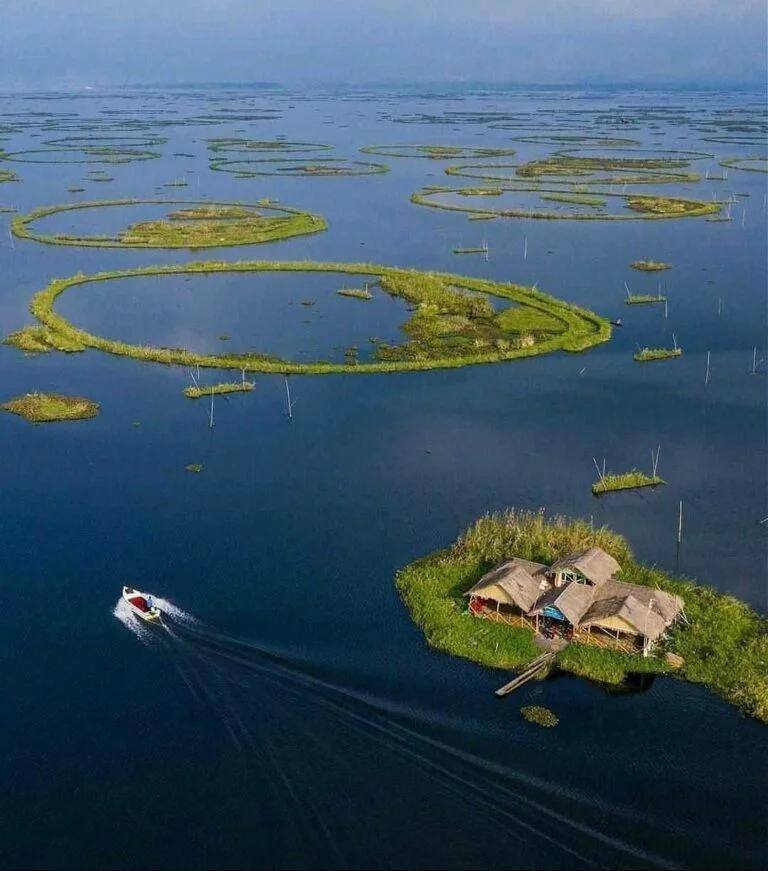
On the southern shore of Loktak Lake in Manipur, Keibul Lamjao protects something the world has almost nowhere else: a national park that floats. Its ground is phumdi, deep mats of vegetation, soil and organic matter drifting on the lake, rising and settling with the water. Among these green islands lives the sangai, a shy deer so tied to this floating world that it has become Manipur's beloved symbol, alongside rich birdlife and wetland plants adapted to a surface that is never quite solid land.
Yet most Loktak visitors stop at a viewpoint, take a boat ride and leave, never entering the quiet park on the lake's southern edge. Inside, the mood is hushed and patient: watchtowers above the phumdi, grass moving gently underfoot offshore, and long waits rewarded by a deer stepping into the open. It asks for binoculars, silence and an unhurried morning rather than a checklist. Come as a guest in a fragile ecosystem, keep to the guidance of local staff, and the floating park reveals itself slowly and memorably. Fishermen working from small boats, lotus and water plants shifting with the seasons, and deer grazing at the grass edge complete a scene that feels older than the park itself.
Keibul Lamjao at a Glance
| State | Manipur |
| Region | Northeast India |
| Known for | Keibul Lamjao is known as a floating national park ecosystem on Loktak Lake, where thick mats of vegetation… |
| Gateway | Imphal airport & the Manipur capital |
| Best time to visit | The cooler months from around November to March suit Keibul Lamjao best, with clearer mornings for wildlife… |
| Time needed | a full day from Imphal |
| State capital | Imphal |
| More offbeat in Manipur | 2 more places in this guide |
Why Keibul Lamjao Stays Off the Beaten Path
Keibul Lamjao is known as a floating national park ecosystem on Loktak Lake, where thick mats of vegetation called phumdi drift on the water and shelter the rare sangai, Manipur's brow-antlered deer, in a wetland found nowhere like it. The headline sights of Manipur draw the crowds for good reason, but Keibul Lamjao moves at a different pace: fewer signboards, fewer queues, and more of the state as its own people know it.
Presented honestly as lesser-known, never as an “undiscovered secret”: Keibul Lamjao is known and loved locally, and facilities are plainer than in Imphal. Go for the place itself — the slower mornings, the unhurried conversations, the sense of Manipur without a crowd in front of it — and it will not disappoint.
Things to Do in Keibul Lamjao
The highlights below are the reasons to make the detour. None of them need a packed schedule — Keibul Lamjao rewards travellers who pick two or three and linger over them.
Scan the phumdi for sangai
From watchtowers and open clearings, look patiently across the floating vegetation for the sangai deer, especially in softer morning light when animals move most.
Learn how phumdi works
Ask guides to explain how these drifting mats form, support plants and wildlife, and rise and fall with Loktak's changing water levels through the seasons.
Watch Loktak's birdlife
Bring binoculars for wetland birds moving between open water, reeds and phumdi edges, particularly rewarding during the cooler months when visiting species arrive.
Take a boat near Moirang
Pair the park with a boat ride on Loktak from the Moirang side to understand the fishing villages and floating islands beyond the park boundary.
Visit Moirang's heritage sites
Add Moirang's museums and memorials to your day to place the lake's natural wonder within Manipur's wider story of kings, resistance and folklore.
Best Time to Visit Keibul Lamjao
The cooler months from around November to March suit Keibul Lamjao best, with clearer mornings for wildlife watching and pleasant lake weather. Sangai are harder to spot in tall growth seasons, so check current local conditions and park guidance before travelling.
Across Manipur the wider season runs like this: October–April is generally suitable; check current local conditions and access before remote travel. Time Keibul Lamjao inside that window and you get the place at its best — and, this being the offbeat list, usually without the peak-season pressure of the headline stops.
How to Reach Keibul Lamjao
Keibul Lamjao is reached by road from Imphal via Moirang, the town on Loktak Lake's western shore. Most visitors travel from the capital with a local driver or tour, combining the park, the lake and Moirang in one day.
Treat Imphal and the gateway above as your logistics base: stock up there, confirm local transport onward, and keep a buffer in the plan — remoter corners reward travellers who are not racing the clock.
Keibul Lamjao — Transport at a Glance
| Nearest airport | Imphal International Airport (IMF) — the gateway for Manipur |
| Nearest railway station | No railway reaches Imphal yet — fly in and drive, as most visitors do |
| By road | By road from Imphal via Moirang, the town on Loktak Lake's western shore; most visitors travel with a local driver or tour, combining park, lake and Moirang in one day |
| Getting around | Guided walks on the floating phumdi grasslands; boats on Loktak from the Moirang side |
More Offbeat Places in Manipur
Keibul Lamjao is one of 3 offbeat corners in the Manipur state guide — pair it with a sibling below for a slower, deeper trip.
Andro
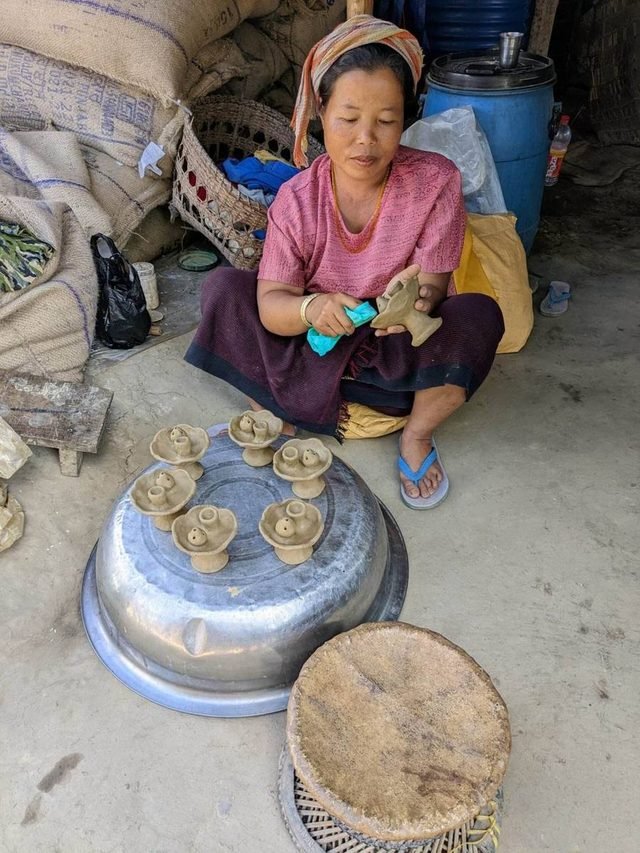
Known for: village heritage and crafts. It helps that Andro asks a little more of the traveller — a slower road, a plainer stay, a plan made around seasons rather than weekends — and repays the effort with room to breathe.
Dzuko Valley access region

Known for: trekking landscape near the state boundary. It helps that Dzuko Valley access region asks a little more of the traveller — a slower road, a plainer stay, a plan made around seasons rather than weekends — and repays the effort with room to breathe.
While You Are in Manipur
Start from the full Manipur travel guide for the complete picture. Headline destinations to pair with this trip: Imphal · Loktak Lake · Moirang. And eat the state properly while you are there — Eromba · Singju lead the table in the Food Atlas.
Frequently Asked Questions
What is Keibul Lamjao known for?
Keibul Lamjao is known as a floating national park ecosystem on Loktak Lake, where thick mats of vegetation called phumdi drift on the water and shelter the rare sangai, Manipur's brow-antlered deer, in a wetland found nowhere like it. It sits in this atlas on Manipur's offbeat list — the state's quieter, lesser-visited side.
What is the best time to visit Keibul Lamjao?
The cooler months from around November to March suit Keibul Lamjao best, with clearer mornings for wildlife watching and pleasant lake weather. Sangai are harder to spot in tall growth seasons, so check current local conditions and park guidance before travelling. For Manipur as a whole, October–April is generally suitable; check current local conditions and access before remote travel.
How do I reach Keibul Lamjao?
Keibul Lamjao is reached by road from Imphal via Moirang, the town on Loktak Lake's western shore. Most visitors travel from the capital with a local driver or tour, combining the park, the lake and Moirang in one day. The usual gateway is Imphal airport & the Manipur capital.
How many days do I need for Keibul Lamjao?
Plan on a full day from Imphal. Most travellers pair Keibul Lamjao with Andro and Dzuko Valley access region or the headline stops in the Manipur state guide rather than rushing it as a whistle-stop.
Am I guaranteed to see a sangai deer?
No, and any honest guide will tell you so. The sangai is wild, shy and camouflaged in tall phumdi grass, so sightings depend on season, time of day and luck. Go early, stay quiet, use the watchtowers patiently, and treat the floating landscape itself as the real reward.
Every Place. Every Flavour.
Keibul Lamjao is one of 154 offbeat places in this atlas — alongside 36 states and union territories, 188 destinations and 213 regional dishes, each with its own full guide page.
Explore all 36 states Read the blog