
Offbeat Place · Islands India
Thinnakara: A Sandbank You Can Call Home
By Beauty of Bharat — India travel guide, every place, every flavour.
Guides covering all 36 States and UTs, researched from official sources and checked at publish time. Corrections welcome — see About Beauty of Bharat.

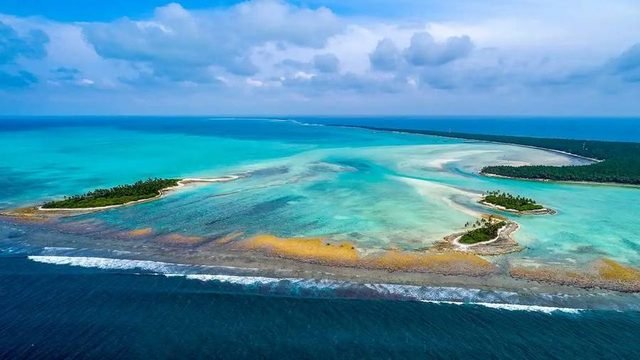
Thinnakara is a small teardrop island in Lakshadweep's Bangaram lagoon, sharing its reef system with Bangaram and neighbouring sandbanks. There is no village here — just a fringe of coconut palms, dazzling white sand, and lagoon water so shallow and clear that the bottom's patterns become the scenery. Turtles graze in the shallows and reef fish flicker at the lagoon's deeper edges. At night, with no village lights of its own, the sky opens completely, and the lagoon's phosphorescence can sparkle in the water on dark nights. Sunrise arrives straight over the reef, colouring the shallows before the day's first swim has even begun here.
Thinnakara's offbeat appeal is its emptiness. With no settlement and visits tied to permitted, arranged stays, a day — or a simple tented night — here feels like being lent a private island. There is nothing to do in the best possible way: swim, snorkel, walk the sandbank at low tide, watch the light change. Like all Lakshadweep travel, it requires entry permits arranged in advance, which keeps numbers low and the island pristine. Everything here must be brought in and taken away, so visits leave little trace. Pack reef-safe habits as carefully as luggage: no standing on coral, no taking shells home, nothing left behind but footprints in sand that the tide erases anyway.
Thinnakara at a Glance
| State | Lakshadweep |
| Region | Islands India |
| Known for | Thinnakara is known for its quiet island landscape in the same lagoon as Bangaram — a tiny… |
| Gateway | Kochi flights to Agatti & lagoon boats |
| Best time to visit | October to May is the season for calm seas, clear water and reliable boat transfers in Lakshadweep. |
| Time needed | two or three lagoon days |
| State capital | Kavaratti |
| More offbeat in Lakshadweep | 2 more places in this guide |
Why Thinnakara Stays Off the Beaten Path
Thinnakara is known for its quiet island landscape in the same lagoon as Bangaram — a tiny, uninhabited-feeling sand island of white beaches, coconut palms and shallow turquoise water, visited on permitted stays. The headline sights of Lakshadweep draw the crowds for good reason, but Thinnakara moves at a different pace: fewer signboards, fewer queues, and more of the state as its own people know it.
Presented honestly as lesser-known, never as an “undiscovered secret”: Thinnakara is known and loved locally, and facilities are plainer than in Kavaratti. Go for the place itself — the slower mornings, the unhurried conversations, the sense of Lakshadweep without a crowd in front of it — and it will not disappoint.
Things to Do in Thinnakara
The highlights below are the reasons to make the detour. None of them need a packed schedule — Thinnakara rewards travellers who pick two or three and linger over them.
Snorkel the lagoon edges
Drift over the reef edges near the island, watching reef fish and turtles in exceptionally clear, calm water.
Walk the whole sandbank
Circumnavigate this tiny island on foot at low tide, a short walk that feels wonderfully like owning the map.
Swim the shallows
Spend hours in the warm, gentle lagoon — Thinnakara's main and entirely sufficient attraction. all day long.
Watch sunset over Bangaram lagoon
End the day as the sky colours over the reef, with neighbouring islands silhouetted across the water.
Simply stay still
Read, rest and do nothing under the palms — on an island this small and quiet, stillness is the experience.
Best Time to Visit Thinnakara
October to May is the season for calm seas, clear water and reliable boat transfers in Lakshadweep. Monsoon disrupts island travel. Entry permits are required for all visitors and arranged in advance, typically as part of an organised stay.
Across Lakshadweep the wider season runs like this: October–May is generally suitable for marine travel; monsoon affects sea and island connectivity. Time Thinnakara inside that window and you get the place at its best — and, this being the offbeat list, usually without the peak-season pressure of the headline stops.
How to Reach Thinnakara
Thinnakara is reached via Agatti, which has flights from Kochi, followed by boat transfers into the Bangaram lagoon as part of an arranged visit. All Lakshadweep travel requires entry permits organised in advance through authorised channels, so book early.
Treat Kavaratti and the gateway above as your logistics base: stock up there, confirm local transport onward, and keep a buffer in the plan — remoter corners reward travellers who are not racing the clock.
Thinnakara — Transport at a Glance
| Nearest airport | Agatti Airport (AGX), which has flights from Kochi (COK) |
| Nearest railway station | No railway — Kochi (Ernakulam) is the mainland railhead for the gateway |
| By road | Via Agatti, followed by boat transfers into the Bangaram lagoon as part of an arranged visit; all Lakshadweep travel requires entry permits organised in advance through authorised channels, so book early |
| Getting around | A tent-and-lagoon island — everything is walked on sand; boats to Bangaram and the reef points |
More Offbeat Places in Lakshadweep
Thinnakara is one of 3 offbeat corners in the Lakshadweep state guide — pair it with a sibling below for a slower, deeper trip.
Minicoy

Known for: distinctive culture and lighthouse. It helps that Minicoy asks a little more of the traveller — a slower road, a plainer stay, a plan made around seasons rather than weekends — and repays the effort with room to breathe.
Kadmat reef areas
Known for: snorkeling and diving. Kadmat reef areas has stayed off the standard circuit because it sits a little beyond the usual route through Lakshadweep — close enough to reach in a day, far enough to keep its quiet.
While You Are in Lakshadweep
Start from the full Lakshadweep travel guide for the complete picture. Headline destinations to pair with this trip: Kavaratti · Agatti · Bangaram. And eat the state properly while you are there — Coconut-based seafood · Tuna preparations lead the table in the Food Atlas.
Frequently Asked Questions
What is Thinnakara known for?
Thinnakara is known for its quiet island landscape in the same lagoon as Bangaram — a tiny, uninhabited-feeling sand island of white beaches, coconut palms and shallow turquoise water, visited on permitted stays. It sits in this atlas on Lakshadweep's offbeat list — the state's quieter, lesser-visited side.
What is the best time to visit Thinnakara?
October to May is the season for calm seas, clear water and reliable boat transfers in Lakshadweep. Monsoon disrupts island travel. Entry permits are required for all visitors and arranged in advance, typically as part of an organised stay. For Lakshadweep as a whole, October–May is generally suitable for marine travel; monsoon affects sea and island connectivity.
How do I reach Thinnakara?
Thinnakara is reached via Agatti, which has flights from Kochi, followed by boat transfers into the Bangaram lagoon as part of an arranged visit. All Lakshadweep travel requires entry permits organised in advance through authorised channels, so book early. The usual gateway is Kochi flights to Agatti & lagoon boats.
How many days do I need for Thinnakara?
Plan on two or three lagoon days. Most travellers pair Thinnakara with Minicoy and Kadmat reef areas or the headline stops in the Lakshadweep state guide rather than rushing it as a whistle-stop.
Can I just turn up at Thinnakara for the day?
No. Lakshadweep requires entry permits for all visitors, arranged in advance, and Thinnakara visits are tied to authorised stays in the Bangaram lagoon, usually via Agatti. Plan through official or authorised operators and carry your permit throughout the trip.
Every Place. Every Flavour.
Thinnakara is one of 154 offbeat places in this atlas — alongside 36 states and union territories, 188 destinations and 213 regional dishes, each with its own full guide page.
Explore all 36 states Read the blog