
Offbeat Place · North India
Suru Valley: Ladakh's Green and Secret Valley

By Beauty of Bharat — India travel guide, every place, every flavour.
Guides covering all 36 States and UTs, researched from official sources and checked at publish time. Corrections welcome — see About Beauty of Bharat.
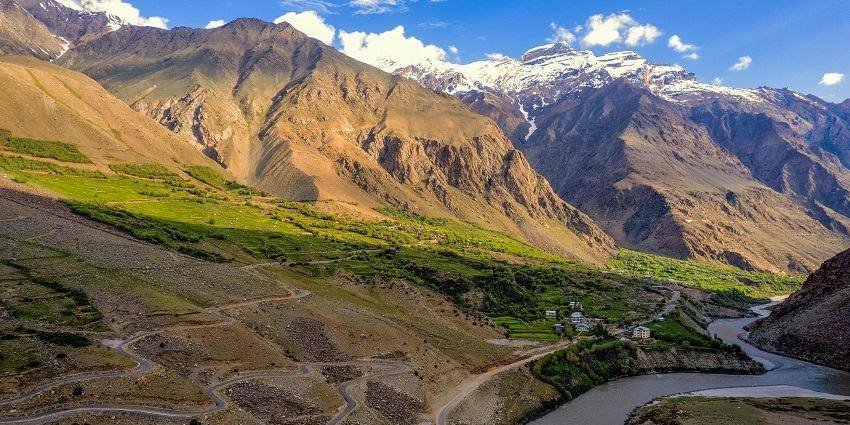
The Suru Valley runs through Kargil district in western Ladakh, following the Suru River from Kargil town towards the Penzi La and Zanskar. Unlike the stark high desert around Leh, Suru is comparatively lush: irrigated fields, apricot and apple orchards, and villages shaded by poplars, all overshadowed by Nun Kun, among the highest massifs in the region, gleaming white at the valley's head. Kargil town, the valley's gateway, carries its own history and a mixed Balti and Purigpa culture, while further up the valley the villages grow smaller, the river colder and the mountains steadily more dominant over every view and every journey.
Tourism concentrates in Leh, Nubra and Pangong, leaving Suru to travellers deliberately heading west. That makes it wonderfully uncommercial: homestays are simple, encounters are genuine, and the scenery mixes green valley floors with serious Himalayan scale. It suits road-trippers crossing towards Zanskar or looping through Kargil, and anyone who wants Ladakh's village heart rather than its headline lakes. Give it time — Suru's rewards are cumulative, village by village, orchard by orchard. Roads can be slow, stays are family-run, and English may give way to warmth and gesture — all part of the experience. Travellers who accept Suru on its own terms often rate it the most human, least performative corner of Ladakh they visited.
Suru Valley at a Glance
| State | Ladakh |
| Region | North India |
| Known for | Suru Valley is known for its mountain and village landscapes around Kargil — a greener, river-fed Ladakh of… |
| Gateway | Kargil town & the Srinagar–Leh highway |
| Best time to visit | Late spring to early autumn is best, when the valley is green, orchards are alive and passes towards Zanskar… |
| Time needed | three days along the valley |
| State capital | Leh |
| More offbeat in Ladakh | 3 more places in this guide |
Why Suru Valley Stays Off the Beaten Path
Suru Valley is known for its mountain and village landscapes around Kargil — a greener, river-fed Ladakh of apricot orchards, poplar-lined fields and farming villages beneath the great Nun Kun massif. The headline sights of Ladakh draw the crowds for good reason, but Suru Valley moves at a different pace: fewer signboards, fewer queues, and more of the state as its own people know it.
Presented honestly as lesser-known, never as an “undiscovered secret”: Suru Valley is known and loved locally, and facilities are plainer than in Leh. Go for the place itself — the slower mornings, the unhurried conversations, the sense of Ladakh without a crowd in front of it — and it will not disappoint.
Things to Do in Suru Valley
The highlights below are the reasons to make the detour. None of them need a packed schedule — Suru Valley rewards travellers who pick two or three and linger over them.
Drive the Suru River road
Follow the river through a patchwork of fields and villages, stopping often as the valley narrows and widens again.
Gaze at Nun Kun
Take in views of the snowbound Nun Kun massif towering at the head of the valley on clear days.
Stay in a village homestay
Sleep in a family home in a Suru village, eating local food and learning how farming works at altitude.
Walk orchards and fields
Stroll between apricot orchards, poplar avenues and terraced plots that give Suru its unusually green character.
Continue towards Rangdum
Push deeper towards Rangdum's monastery and open pastures if roads allow, where Suru turns wilder and emptier.
Best Time to Visit Suru Valley
Late spring to early autumn is best, when the valley is green, orchards are alive and passes towards Zanskar are generally open. Winter is severe and can isolate the valley. Acclimatise gradually, especially if combining Suru with higher routes.
Across Ladakh the wider season runs like this: May–September for most road-based tourism; winter is a specialized experience with severe conditions. Time Suru Valley inside that window and you get the place at its best — and, this being the offbeat list, usually without the peak-season pressure of the headline stops.
How to Reach Suru Valley
Suru Valley is reached by road from Kargil, itself connected by road to Srinagar and to Leh along the Srinagar–Leh highway. Leh and Srinagar airports are the main gateways. A sturdy vehicle and experienced mountain driver are strongly recommended throughout.
Most travellers fold Suru Valley into a wider Ladakh trip rather than coming only for it — paired with Leh or the state guide's headline stops, it becomes the quiet chapter of the journey.
Suru Valley — Transport at a Glance
| Nearest airport | Leh (IXL) and Srinagar (SXR) airports are the main gateways |
| Nearest railway station | No railway reaches the valley — Kargil is a road town on the Srinagar–Leh highway |
| By road | By road from Kargil, itself connected by road to Srinagar and to Leh along the Srinagar–Leh highway; a sturdy vehicle and experienced mountain driver are strongly recommended throughout |
| Getting around | Villages and monastery stops are covered by your vehicle; the Nun-Kun viewpoints are short walks from the road |
More Offbeat Places in Ladakh
Suru Valley is one of 4 offbeat corners in the Ladakh state guide — pair it with a sibling below for a slower, deeper trip.
Hanle
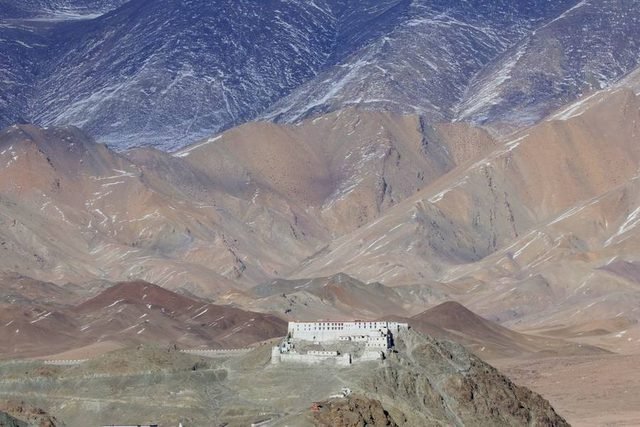
Known for: remote high-altitude landscape and astronomy. It helps that Hanle asks a little more of the traveller — a slower road, a plainer stay, a plan made around seasons rather than weekends — and repays the effort with room to breathe.
Lamayuru
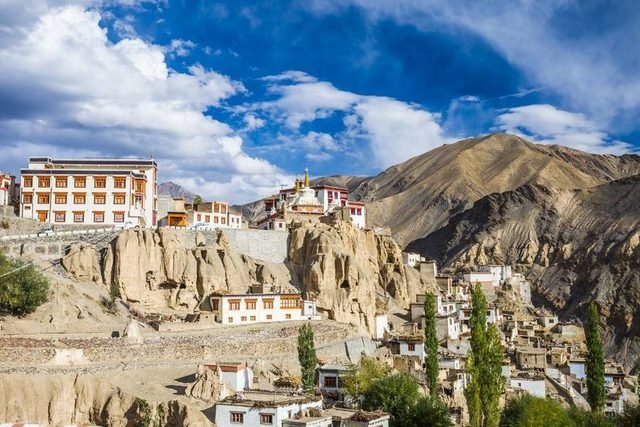
Known for: moonland-like geology and monastery. The headline sights of Ladakh draw the crowds for good reason, but Lamayuru moves at a different pace: fewer signboards, fewer queues, and more of the state as its own people know it.
Sham Valley villages
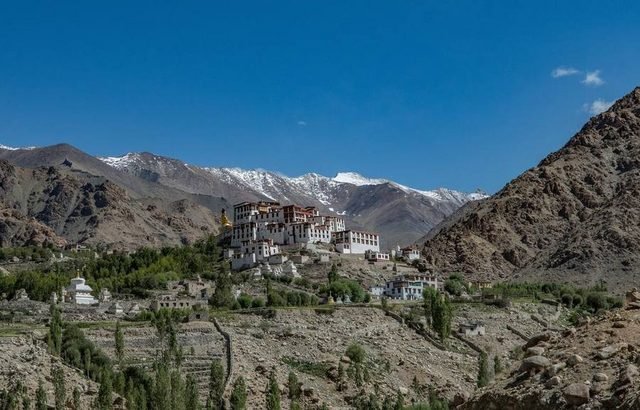
Known for: monastery and cultural route. The headline sights of Ladakh draw the crowds for good reason, but Sham Valley villages moves at a different pace: fewer signboards, fewer queues, and more of the state as its own people know it.
While You Are in Ladakh
Start from the full Ladakh travel guide for the complete picture. Headline destinations to pair with this trip: Leh · Pangong Lake · Nubra Valley. And eat the state properly while you are there — Thukpa · Momos lead the table in the Food Atlas.
Frequently Asked Questions
What is Suru Valley known for?
Suru Valley is known for its mountain and village landscapes around Kargil — a greener, river-fed Ladakh of apricot orchards, poplar-lined fields and farming villages beneath the great Nun Kun massif. It sits in this atlas on Ladakh's offbeat list — the state's quieter, lesser-visited side.
What is the best time to visit Suru Valley?
Late spring to early autumn is best, when the valley is green, orchards are alive and passes towards Zanskar are generally open. Winter is severe and can isolate the valley. Acclimatise gradually, especially if combining Suru with higher routes. For Ladakh as a whole, May–September for most road-based tourism; winter is a specialized experience with severe conditions.
How do I reach Suru Valley?
Suru Valley is reached by road from Kargil, itself connected by road to Srinagar and to Leh along the Srinagar–Leh highway. Leh and Srinagar airports are the main gateways. A sturdy vehicle and experienced mountain driver are strongly recommended throughout. The usual gateway is Kargil town & the Srinagar–Leh highway.
How many days do I need for Suru Valley?
Plan on three days along the valley. Most travellers pair Suru Valley with Hanle and Lamayuru or the headline stops in the Ladakh state guide rather than rushing it as a whistle-stop.
How is Suru Valley different from the rest of Ladakh?
It is greener and more agricultural. Where eastern Ladakh is high desert and famous lakes, Suru offers irrigated fields, orchards, river villages and the Nun Kun backdrop — a farming valley culture that feels distinct, and far fewer visitors.
Every Place. Every Flavour.
Suru Valley is one of 154 offbeat places in this atlas — alongside 36 states and union territories, 188 destinations and 213 regional dishes, each with its own full guide page.
Explore all 36 states Read the blog