
Offbeat Place · West India
Tribal Museum: The First Peoples' Story, Told in Objects

By Beauty of Bharat — India travel guide, every place, every flavour.
Guides covering all 36 States and UTs, researched from official sources and checked at publish time. Corrections welcome — see About Beauty of Bharat.

In Silvassa, the Tribal Museum offers the essential context for everything else you will see in Dadra and Nagar Haveli. This territory is home to communities including the Warli, Dhodia and Kokna, whose lives have long been shaped by its forests and rivers. The museum gathers their material world in one place: agricultural and fishing tools, hunting implements, musical instruments, ornaments, masks and the everyday objects of village households. Photographs and explanatory panels place the objects in context, showing village houses, weekly markets and ceremonies alongside the tools and ornaments used in everyday tribal life here.
Small museums like this are the definition of an offbeat stop, easy to skip and a mistake to miss. Without it, the territory can look like scenery; with it, the forests, fields and villages you drive through gain human meaning. Displays explain how people fished the rivers, farmed the clearings, celebrated festivals and made music, and the celebrated Warli painting tradition belongs to this same cultural landscape. Give the museum an unhurried hour early in your trip, read the labels properly, and you will travel through the rest of Dadra and Nagar Haveli with far better eyes.
Tribal Museum at a Glance
| State | Dadra and Nagar Haveli and Daman and Diu |
| Region | West India |
| Known for | A museum in Silvassa dedicated to the tribal communities of Dadra and Nagar Haveli, known for displaying… |
| Gateway | Vapi railway station & Silvassa town |
| Best time to visit | The museum suits any season as an indoor stop, but pair it with travel between October and March, when the… |
| Time needed | an hour of essential context |
| State capital | Daman |
| More offbeat in Dadra and Nagar Haveli and Daman and Diu | 3 more places in this guide |
Why Tribal Museum Stays Off the Beaten Path
A museum in Silvassa dedicated to the tribal communities of Dadra and Nagar Haveli, known for displaying traditional tools, fishing implements, musical instruments, masks, jewellery and household objects that interpret local cultural life for visitors. Tribal Museum has stayed off the standard circuit because it sits a little beyond the usual route through Dadra and Nagar Haveli and Daman and Diu — close enough to reach in a day, far enough to keep its quiet.
Presented honestly as lesser-known, never as an “undiscovered secret”: Tribal Museum is known and loved locally, and facilities are plainer than in Daman. Go for the place itself — the slower mornings, the unhurried conversations, the sense of Dadra and Nagar Haveli and Daman and Diu without a crowd in front of it — and it will not disappoint.
Things to Do in Tribal Museum
The highlights below are the reasons to make the detour. None of them need a packed schedule — Tribal Museum rewards travellers who pick two or three and linger over them.
Study the Traditional Tool Displays
Examine farming, fishing and hunting implements to understand how tribal communities worked the forests and rivers of this territory for generations.
See Masks, Jewellery and Dress
Look closely at the ornaments, masks and clothing on display, where identity, festival and craft come together in vivid detail.
Find the Musical Instruments
Seek out the drums and instruments used in celebration and ritual, imagining the festivals that still animate village life beyond Silvassa.
Learn About Warli Art's Homeland
Use the museum to ground yourself in the culture that produced Warli painting, the region's most famous art form, before seeing it across the territory.
Talk to the Museum Staff
Ask questions of the attendants, whose local knowledge often adds the stories and context that labels alone cannot carry.
Best Time to Visit Tribal Museum
The museum suits any season as an indoor stop, but pair it with travel between October and March, when the rest of Dadra and Nagar Haveli is at its best outdoors. A morning visit works well before heading to the territory's lakes and forests.
Across Dadra and Nagar Haveli and Daman and Diu the wider season runs like this: October–March. Time Tribal Museum inside that window and you get the place at its best — and, this being the offbeat list, usually without the peak-season pressure of the headline stops.
How to Reach Tribal Museum
The museum is in Silvassa, the territory's main town, reached by road from Vapi railway station and the Mumbai to Gujarat highway. Within Silvassa it is a short auto-rickshaw or taxi ride from the bus stand, and combines easily with Vanganga Lake Garden.
Treat Daman and the gateway above as your logistics base: stock up there, confirm local transport onward, and keep a buffer in the plan — remoter corners reward travellers who are not racing the clock.
Tribal Museum — Transport at a Glance
| Nearest airport | Mumbai (BOM) and Surat (STV) are the air gateways for the territory |
| Nearest railway station | Vapi is the railhead, on the Mumbai–Delhi line |
| By road | The museum is in Silvassa, reached by road from Vapi and the Mumbai–Gujarat highway; within town it is a short auto-rickshaw or taxi ride from the bus stand |
| Getting around | Combine with Vanganga Lake Garden on the same local ride; Silvassa's sights are minutes apart |
More Offbeat Places in Dadra and Nagar Haveli and Daman and Diu
Tribal Museum is one of 4 offbeat corners in the Dadra and Nagar Haveli and Daman and Diu state guide — pair it with a sibling below for a slower, deeper trip.
Vanganga Lake Garden
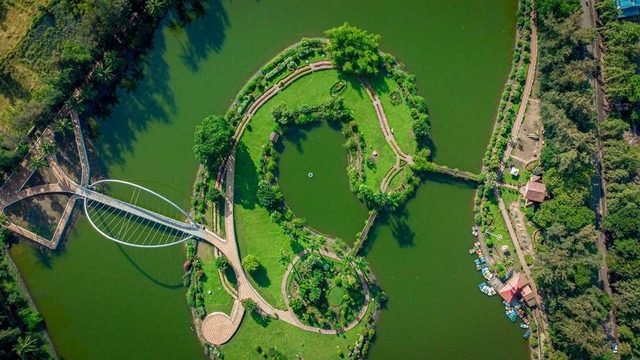
Vanganga Lake Garden is one of the quieter corners in the Dadra and Nagar Haveli and Daman and Diu guide. Vanganga Lake Garden has stayed off the standard circuit because it sits a little beyond the usual route through Dadra and Nagar Haveli and Daman and Diu — close enough to reach in a day, far enough to keep its quiet.
Dudhni

Known for: lake and forest landscape. The headline sights of Dadra and Nagar Haveli and Daman and Diu draw the crowds for good reason, but Dudhni moves at a different pace: fewer signboards, fewer queues, and more of the state as its own people know it.
Khanvel

Known for: green inland escape. Khanvel has stayed off the standard circuit because it sits a little beyond the usual route through Dadra and Nagar Haveli and Daman and Diu — close enough to reach in a day, far enough to keep its quiet.
While You Are in Dadra and Nagar Haveli and Daman and Diu
Start from the full Dadra and Nagar Haveli and Daman and Diu travel guide for the complete picture. Headline destinations to pair with this trip: Daman · Diu · Silvassa. And eat the state properly while you are there — Gujarati-inspired vegetarian food · Seafood lead the table in the Food Atlas.
Frequently Asked Questions
What is Tribal Museum known for?
A museum in Silvassa dedicated to the tribal communities of Dadra and Nagar Haveli, known for displaying traditional tools, fishing implements, musical instruments, masks, jewellery and household objects that interpret local cultural life for visitors. It sits in this atlas on Dadra and Nagar Haveli and Daman and Diu's offbeat list — the state's quieter, lesser-visited side.
What is the best time to visit Tribal Museum?
The museum suits any season as an indoor stop, but pair it with travel between October and March, when the rest of Dadra and Nagar Haveli is at its best outdoors. A morning visit works well before heading to the territory's lakes and forests. For Dadra and Nagar Haveli and Daman and Diu as a whole, October–March.
How do I reach Tribal Museum?
The museum is in Silvassa, the territory's main town, reached by road from Vapi railway station and the Mumbai to Gujarat highway. Within Silvassa it is a short auto-rickshaw or taxi ride from the bus stand, and combines easily with Vanganga Lake Garden. The usual gateway is Vapi railway station & Silvassa town.
How many days do I need for Tribal Museum?
Plan on an hour of essential context. Most travellers pair Tribal Museum with Vanganga Lake Garden and Dudhni or the headline stops in the Dadra and Nagar Haveli and Daman and Diu state guide rather than rushing it as a whistle-stop.
Why visit the Tribal Museum before other sights?
Because it explains the human story of the whole territory. An hour here teaches you who lives in these forests, how they farm, fish, celebrate and make art, and every village, market and craft you see afterwards becomes more meaningful for that grounding.
Every Place. Every Flavour.
Tribal Museum is one of 154 offbeat places in this atlas — alongside 36 states and union territories, 188 destinations and 213 regional dishes, each with its own full guide page.
Explore all 36 states Read the blog