
Offbeat Place · North India
Sukhna wildlife/birding areas: The Wild Green Backdrop Behind Sukhna Lake

By Beauty of Bharat — India travel guide, every place, every flavour.
Guides covering all 36 States and UTs, researched from official sources and checked at publish time. Corrections welcome — see About Beauty of Bharat.

Everyone in Chandigarh knows Sukhna Lake's promenade, but fewer step into the wilder country that feeds and frames it. Around the lake's quieter ends and in the protected catchment sanctuary behind it, thorn forest, grass and woodland shelter deer, smaller mammals and a rich bird population. Nature trails thread through this green buffer between the planned city and the Shivalik hills, and the air changes the moment you leave the embankment behind. Interpretation boards along the way explain the catchment's role in protecting the lake from silt, a quiet lesson in how a city can guard its own water.
This is offbeat Chandigarh at its most restorative. In winter, migratory waterbirds join the lake's residents, and early mornings belong to birdwatchers scanning the reedy edges with binoculars while mist sits on the water. The sanctuary side stays hushed even when the promenade fills with evening crowds, offering the odd experience of genuine wild quiet inside a state capital. Go slowly, keep noise down, and treat every rustle as a possibility. You may leave with a list of sightings, or simply with the memory of forest light and birdsong a short walk from the city's neat avenues.
Sukhna wildlife/birding areas at a Glance
| State | Chandigarh |
| Region | North India |
| Known for | The protected catchment forests and quieter shores around Sukhna Lake in Chandigarh, known for birdwatching… |
| Gateway | Chandigarh airport & railway station |
| Best time to visit | Visit between October and March, when Chandigarh is cool, trails are comfortable and winter brings migratory… |
| Time needed | a half-day outdoors |
| State capital | Chandigarh |
| More offbeat in Chandigarh | 3 more places in this guide |
Why Sukhna wildlife/birding areas Stays Off the Beaten Path
The protected catchment forests and quieter shores around Sukhna Lake in Chandigarh, known for birdwatching, nature trails and seasonal migratory visitors, where the Shivalik foothills' scrub and woodland meet the city's favourite water. It helps that Sukhna wildlife/birding areas asks a little more of the traveller — a slower road, a plainer stay, a plan made around seasons rather than weekends — and repays the effort with room to breathe.
Presented honestly as lesser-known, never as an “undiscovered secret”: Sukhna wildlife/birding areas is known and loved locally, and facilities are plainer than in Capitol Complex. Go for the place itself — the slower mornings, the unhurried conversations, the sense of Chandigarh without a crowd in front of it — and it will not disappoint.
Things to Do in Sukhna wildlife/birding areas
The highlights below are the reasons to make the detour. None of them need a packed schedule — Sukhna wildlife/birding areas rewards travellers who pick two or three and linger over them.
Birdwatch the Lake's Quiet Ends
Scan the reedier, less-visited shores at dawn for resident waterbirds and, in winter, migratory arrivals, keeping a respectful distance from feeding flocks.
Walk a Nature Trail
Follow the marked paths into the catchment woodland, watching for deer, peafowl and smaller wildlife while the city noise fades behind the trees.
Visit at Sunrise for Mist and Birds
Arrive before the promenade wakes to see mist over the water, birds on the move and the Shivaliks catching first light beyond the forest.
Combine Promenade and Wild Side
Pair a gentle lakefront stroll with time in the greener stretches, so you experience both faces of Sukhna in a single unhurried outing.
Photograph Reflections and Foothills
Use calm early light for mirror-like water, silhouetted birds and layered hill views, a very different Chandigarh from the usual concrete landmarks.
Best Time to Visit Sukhna wildlife/birding areas
Visit between October and March, when Chandigarh is cool, trails are comfortable and winter brings migratory birds to the lake. Early mornings are best in every season for bird activity and calm water, while summer midday heat quickly empties the paths.
Across Chandigarh the wider season runs like this: October–March for outdoor exploration. Time Sukhna wildlife/birding areas inside that window and you get the place at its best — and, this being the offbeat list, usually without the peak-season pressure of the headline stops.
How to Reach Sukhna wildlife/birding areas
Chandigarh has an airport, railway station and intercity bus links, and Sukhna Lake sits at the city's edge near Sector 1. Taxis, auto-rickshaws and buses reach the lake easily; the quieter nature areas are accessed on foot from around the lake's less busy ends.
Most travellers fold Sukhna wildlife/birding areas into a wider Chandigarh trip rather than coming only for it — paired with Capitol Complex or the state guide's headline stops, it becomes the quiet chapter of the journey.
Sukhna wildlife/birding areas — Transport at a Glance
| Nearest airport | Chandigarh Airport (IXC) serves the tricity |
| Nearest railway station | Chandigarh's own railway station, with intercity bus links |
| By road | Sukhna Lake sits at the city's edge near Sector 1 — taxis, auto-rickshaws and buses reach the lake easily |
| Getting around | The quieter nature areas are accessed on foot from the lake's less busy ends; go at dawn for the birds |
More Offbeat Places in Chandigarh
Sukhna wildlife/birding areas is one of 4 offbeat corners in the Chandigarh state guide — pair it with a sibling below for a slower, deeper trip.
Le Corbusier Centre
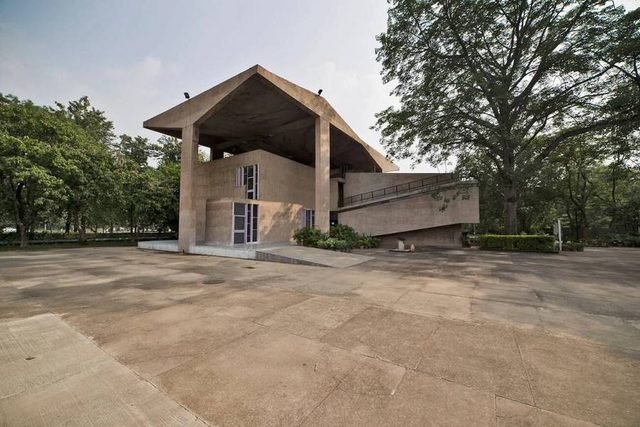
Le Corbusier Centre is one of the quieter corners in the Chandigarh guide. Nothing about Le Corbusier Centre is staged for visitors. Come outside the short peak window and you may share its best hours with almost no one — that, more than any single sight, is the luxury here.
Japanese Garden

Japanese Garden is one of the quieter corners in the Chandigarh guide. Nothing about Japanese Garden is staged for visitors. Come outside the short peak window and you may share its best hours with almost no one — that, more than any single sight, is the luxury here.
Terraced Garden
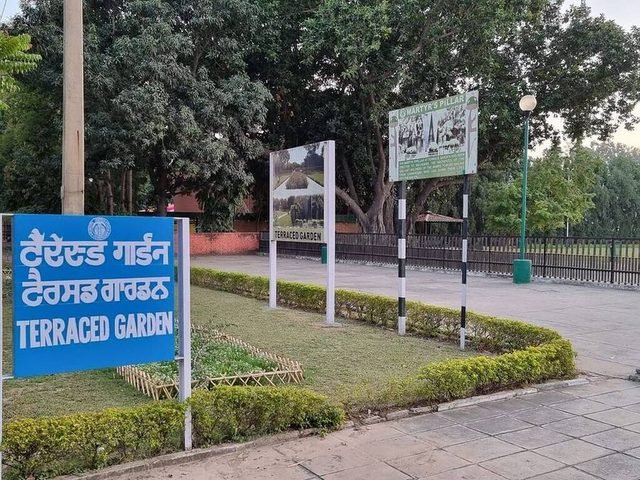
Terraced Garden is one of the quieter corners in the Chandigarh guide. Nothing about Terraced Garden is staged for visitors. Come outside the short peak window and you may share its best hours with almost no one — that, more than any single sight, is the luxury here.
While You Are in Chandigarh
Start from the full Chandigarh travel guide for the complete picture. Headline destinations to pair with this trip: Capitol Complex · Rock Garden · Sukhna Lake. And eat the state properly while you are there — Chole bhature · Kulcha lead the table in the Food Atlas.
Frequently Asked Questions
What is Sukhna wildlife/birding areas known for?
The protected catchment forests and quieter shores around Sukhna Lake in Chandigarh, known for birdwatching, nature trails and seasonal migratory visitors, where the Shivalik foothills' scrub and woodland meet the city's favourite water. It sits in this atlas on Chandigarh's offbeat list — the state's quieter, lesser-visited side.
What is the best time to visit Sukhna wildlife/birding areas?
Visit between October and March, when Chandigarh is cool, trails are comfortable and winter brings migratory birds to the lake. Early mornings are best in every season for bird activity and calm water, while summer midday heat quickly empties the paths. For Chandigarh as a whole, October–March for outdoor exploration.
How do I reach Sukhna wildlife/birding areas?
Chandigarh has an airport, railway station and intercity bus links, and Sukhna Lake sits at the city's edge near Sector 1. Taxis, auto-rickshaws and buses reach the lake easily; the quieter nature areas are accessed on foot from around the lake's less busy ends. The usual gateway is Chandigarh airport & railway station.
How many days do I need for Sukhna wildlife/birding areas?
Plan on a half-day outdoors. Most travellers pair Sukhna wildlife/birding areas with Le Corbusier Centre and Japanese Garden or the headline stops in the Chandigarh state guide rather than rushing it as a whistle-stop.
What birds might I see around Sukhna?
Expect common waterbirds such as herons, egrets, cormorants and kingfishers through much of the year, with migratory ducks and other winter visitors arriving in the cooler months. Sightings vary daily, so bring binoculars, come early and enjoy whatever the morning offers rather than chasing a list.
Every Place. Every Flavour.
Sukhna wildlife/birding areas is one of 154 offbeat places in this atlas — alongside 36 states and union territories, 188 destinations and 213 regional dishes, each with its own full guide page.
Explore all 36 states Read the blog