
Trade · News Corner
A Faster Lane at the World's Highest Border: Pakistan and China Open a Green Channel
By Beauty of Bharat — India travel guide, every place, every flavour.
Guides covering all 36 States and UTs, researched from official sources and checked at publish time. Corrections welcome — see About Beauty of Bharat.
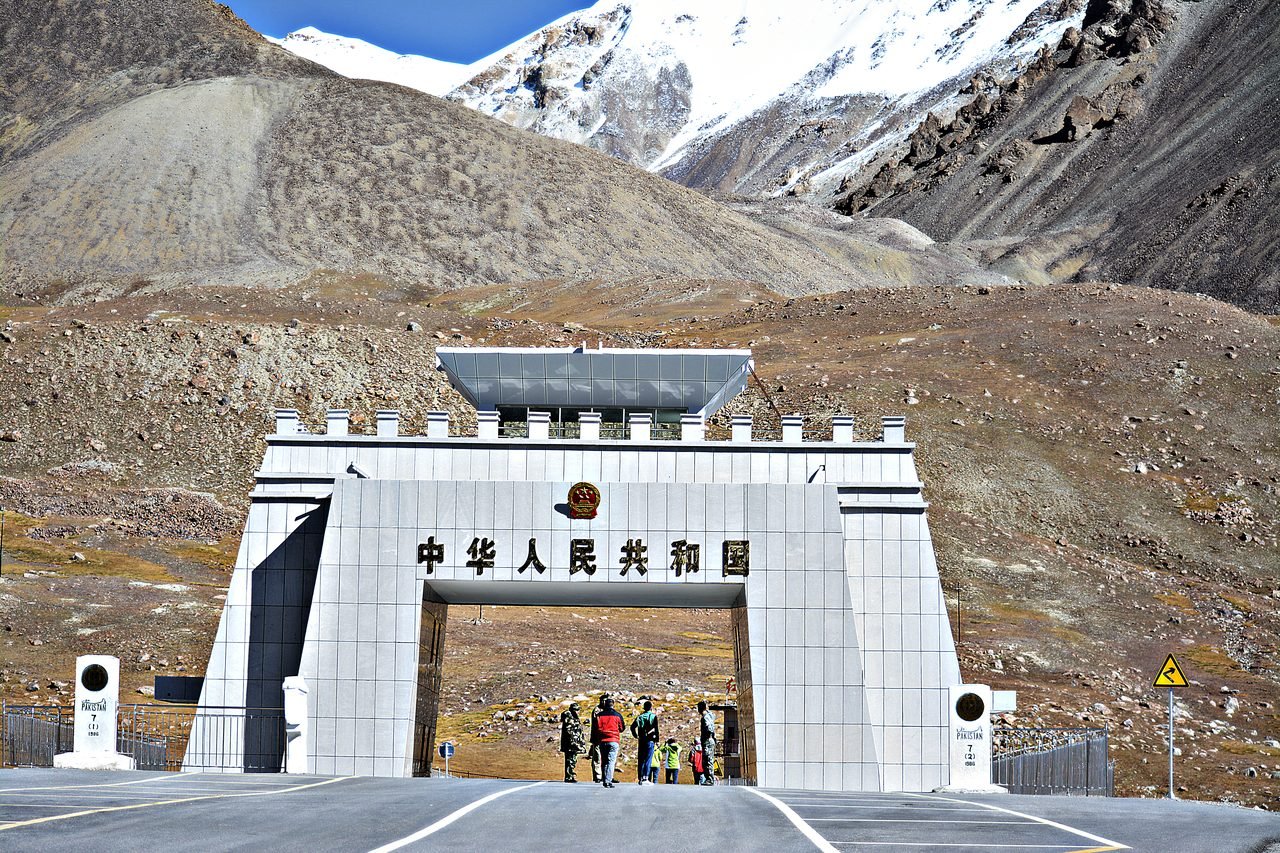
Pakistan and China have signed an agreement to run a green channel at the Sost-Khunjerab border, giving farm goods priority customs clearance at the world's highest paved border crossing.
This post reflects reporting available on 30 October 2026, including Dawn, Business Recorder e-paper and The Pakistan Daily. Where sources disagree or a detail is unconfirmed, the article says so.
What was agreed
Pakistan and China have signed an agreement to operationalise a green channel at the Sost-Khunjerab border, giving agricultural and allied products priority customs clearance between the two countries. The agreement was signed online on Thursday at the Federal Board of Revenue headquarters in Islamabad, by the customs administrations of both countries. Pakistan's delegation was led by Member Customs (Operations) Syed Shakeel Shah, while the Chinese side was led by Li Qinghua, deputy head of Urumqi Customs and director of Tashkurgan Customs. The online signing ceremony was held at the Federal Board of Revenue headquarters in Islamabad, marking what officials called an important step towards facilitating bilateral trade. Pakistan's delegation also included the chief collector of customs, Peshawar; the collector of customs, Gilgit-Baltistan; and representatives of the Department of Plant Protection, NAFSA, Pakistan Single Window and the Ministry of Commerce, along with the commercial counsellor at the Pakistan Embassy in China.
How the green channel works
Under the arrangement, consignments from an agreed list of agricultural products will receive priority processing and examination, while customs authorities continue to apply risk-based controls. Perishable consignments will get priority handling to minimise delays and ensure they reach their destinations in time. The two customs administrations will also share more information and exchange risk alerts to improve coordination and the management of cross-border trade. The arrangement will apply to an agreed list of agricultural products traded between the two countries.
Why Khunjerab matters
The Khunjerab Pass connects Gilgit-Baltistan with China's Xinjiang region and, at 15,500 feet above sea level, is the highest paved international border in the world. Under a border protocol the two countries signed in 1985, the pass stays open for travel and trade from April to November; in winter, heavy snowfall hampers movement. Last year, Pakistan Customs collected a record Rs15 billion in revenue on imports from China through the pass (Rs14.93 billion in fiscal 2025-26, according to one report), while goods worth Rs2.8 billion were exported to China and Central Asian countries through the crossing. In winter, heavy snowfall hampers movement through the pass.
What happens next — and what is still unconfirmed
The green channel is expected to make agricultural trade faster and more predictable, particularly for time-sensitive goods, and to strengthen customs cooperation between the two countries. What is still unconfirmed is when exactly the channel becomes operational — no start date was published — and which products are on the agreed list, which has not been released. The arrangement is an operational agreement between border customs administrations rather than a broader trade treaty. The signing ceremony concluded with remarks by the heads of both delegations, reaffirming their commitment to enhanced customs cooperation and trade facilitation. With the pass closing for winter, the priority handling for perishables matters most for traders moving time-sensitive goods before the seasonal closure.
Context and what to watch
A green channel is a customs idea, not a free pass — and that distinction matters for what this agreement will actually do. Eligible consignments get priority customs processing and examination, so they clear the border faster, while risk-based customs controls stay in place; it is faster clearance, not unchecked passage. The channel covers an agreed list of agricultural and allied products traded between Pakistan and China, but the list itself has not been published, so the exact products covered are not yet public — and until they are, traders cannot know precisely what qualifies.
The setting is what makes the timing interesting. Khunjerab is the world's highest border crossing, and under the border protocol the two countries signed in 1985, the pass stays open for travel and trade from April to November, with heavy winter snowfall hampering movement outside that window. With the announcement coming at the end of October, the channel's first season will be short. What to watch is how much traffic uses it before the winter closure, whether the product list is published, and whether the arrangement survives its first full April-to-November season next year.
Frequently Asked Questions
What is a green channel?
A green channel gives eligible consignments priority customs processing and examination, so they clear the border faster. Risk-based customs controls stay in place — it is faster clearance, not unchecked passage.
Which goods does it cover?
An agreed list of agricultural and allied products traded between Pakistan and China. The list itself has not been published, so the exact products covered are not yet public.
When is the Khunjerab Pass open?
Under the border protocol the two countries signed in 1985, the pass stays open for travel and trade from April to November. In winter, heavy snowfall hampers movement through the pass.
For more world news, see our News Corner.
More world news
Follow the day's developing stories and the rest of today's world news from the News Corner hub.
More from News Corner →