
Jafar Panahi · News Corner
Five Years, No Named Charges: Iran's New Prison Sentence for Palme d'Or Winner Jafar Panahi

By Beauty of Bharat — India travel guide, every place, every flavour.
Guides covering all 36 States and UTs, researched from official sources and checked at publish time. Corrections welcome — see About Beauty of Bharat.
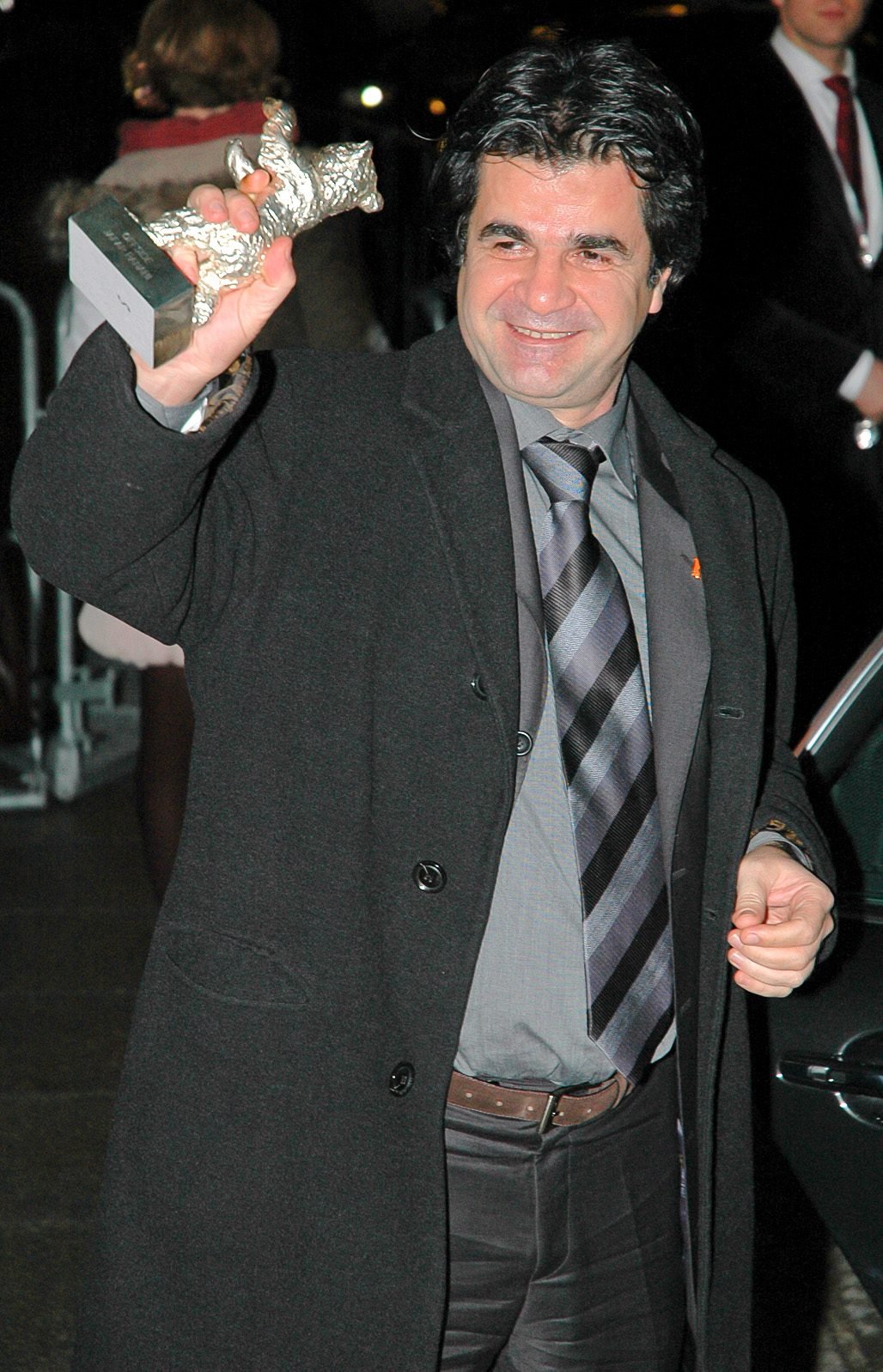
A Tehran Revolutionary Court has sentenced acclaimed Iranian filmmaker Jafar Panahi, 66, to five years and one month in prison in absentia, ordered the confiscation of all his property, and banned him from travel and social media for two years. The ruling, reported through his lawyer, carries no publicly named charges, and Panahi has not been reported imprisoned as a result of it.
This post reflects reporting available on 30 October 2026, including The Straits Times (AFP/ISNA), The Hindu, Associated Press via New Indian Express, Indian Express (ANI) and Hollywood Reporter India. Where sources disagree or a detail is unconfirmed, the article says so.
What the court decided
The Tehran Revolutionary Court sentenced Panahi to five years and one month in prison and ordered the confiscation of all his movable and immovable property, the ISNA news agency reported on 27 October, citing his lawyer Mostafa Nili. The court also imposed a two-year ban on social media activity and a two-year travel ban. The sentence was handed down on Monday 26 October, according to a friend of Panahi's in Europe who spoke to the Associated Press, and Panahi had not been detained after it.
Nili said he discovered the conviction only after Panahi told him his bank accounts had been frozen last week, which prompted the lawyer to visit the sentence enforcement office of the Culture and Media Prosecutor's Office in Tehran. Panahi was not notified of the hearing date in the latest case, Nili said, and the ISNA report did not specify the charges.
The charges nobody has named
What is still unconfirmed is the most basic question: what Panahi was convicted of in this case. No clear public explanation has come from the court, and his lawyer has said the grounds are unclear. That uncertainty extends to enforcement. The implementation of the prison sentences is discretionary, meaning the authorities can choose when and whether to act on them, and it is unclear whether or when Panahi will be taken into custody. His lawyer has said Panahi currently has three open legal cases.
It also remains unclear whether Panahi has remained in Iran. He returned to the country on 30 March 2026 after travelling internationally to promote It Was Just an Accident, the film that won the Palme d'Or at the 2025 Cannes Film Festival. One report said he returned during the war with Israel and the United States that broke out on 28 February. The sentence can be appealed, according to the Associated Press account, but all of his bank accounts have been blocked.
A decade and a half of cases
The new sentence sits on top of an earlier one-year prison term handed down in December on charges of propaganda against Iran, whose appeal a court rejected in June 2026, alongside a two-year travel ban and restrictions on his membership in political and social organisations. The two cases are legally separate. Panahi's history with the Iranian courts goes back to 2010, when he was banned from making films for 20 years and from leaving Iran after supporting mass anti-government protests, and was sentenced to six years in jail, of which he served only two months before being released on bail.
In 2022 he was arrested during a visit to Evin Prison to ask about two detained filmmakers and was held for nearly seven months before being released in 2023. His films, including his debut The White Balloon, which won an award for best first feature at Cannes in 1995, and Taxi, shot entirely inside a car in 2015, have won prizes at European festivals, and his latest film follows five former inmates contemplating revenge on a man they believe was their former jailer.
Why this case is being watched
Iranian filmmakers, prominent media figures and celebrities are closely monitored in Iran, and their work is reviewed for content deemed critical of the Islamic republic, according to the AFP report carried by the Straits Times. Panahi's international standing as a Palme d'Or winner makes his treatment a test of how far that scrutiny extends, and the absence of named charges has drawn attention to the process itself rather than only to the sentence.
For now, the practical position is a strange one: a five-year prison sentence exists on paper, the filmmaker's assets are ordered seized and his accounts frozen, and yet he has not been taken into custody under it. Whether that changes depends on decisions by the Iranian authorities that have not been announced, and on an appeal that his lawyer may pursue.
Context and what to watch
The most striking feature of this sentence is how little is publicly known about it. A five-year prison term for a Palme d'Or-winning filmmaker, reported by ISNA, with the charges not publicly specified, his lawyer saying they are unclear, and Panahi not notified of the hearing beforehand — that combination of severity and opacity is what has drawn international attention. As of the latest reporting, Panahi had not been detained as a result of the new ruling, had spoken to a friend on the evening of the sentencing, and implementation of the sentence is discretionary, so the sentence exists on paper before it exists in practice.
The new ruling also sits on top of a long history: a one-year prison term for propaganda against Iran, upheld on appeal in June 2026, plus the 2010 six-year sentence of which he served two months, and a 20-year ban on filmmaking and leaving Iran imposed in 2010. What to watch is whether the authorities move to implement the five-year term, whether the charges are ever specified or challenged, and how the international film community and governments respond — the same pressures that have surrounded Panahi's cases for a decade and a half.
Frequently Asked Questions
Is Jafar Panahi in prison now?
No. As of the latest reporting, Panahi had not been detained as a result of the new ruling, and he had spoken to a friend on the evening of the sentencing. Implementation of the sentence is discretionary.
What was he convicted of this time?
That has not been publicly specified. His lawyer says the charges are unclear, the ISNA report did not name them, and Panahi was not notified of the hearing beforehand.
What earlier sentences does he face?
A one-year prison term for propaganda against Iran, upheld on appeal in June 2026, plus the 2010 six-year sentence of which he served two months, and a 20-year ban on filmmaking and leaving Iran imposed in 2010.
For more world news, see our News Corner.
More world news
Follow the day's developing stories and the rest of today's world news from the News Corner hub.
More from News Corner →