
Israel Election · News Corner
53 Seats, No Majority: Why Israel's Election Has Left Everyone Negotiating

By Beauty of Bharat — India travel guide, every place, every flavour.
Guides covering all 36 States and UTs, researched from official sources and checked at publish time. Corrections welcome — see About Beauty of Bharat.
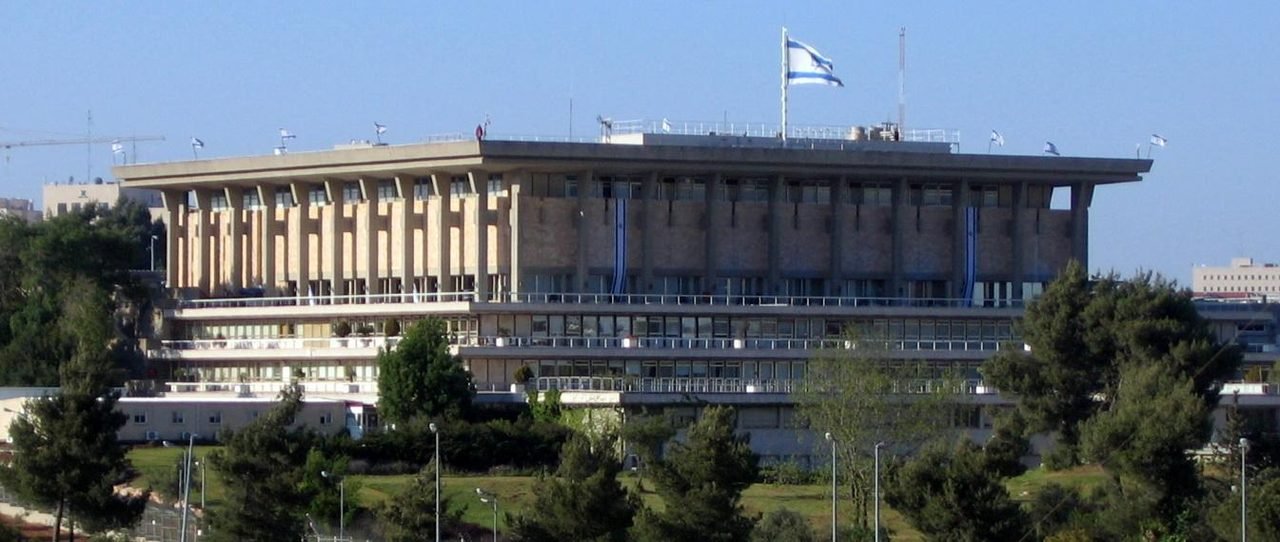
Israel's election has produced a leader without a majority: Prime Minister Benjamin Netanyahu's bloc is ahead with a projected 53 seats, but that is eight short of the 61 needed to govern in the 120-seat Knesset, and with the opposition bloc on 48 and Arab-led parties on a record 19, no side can form a government on its own.
This post reflects reporting available on 30 October 2026, including The Jerusalem Post, Outlook, Rediff, Firstpost and Le Monde. Where sources disagree or a detail is unconfirmed, the article says so.
What happened
Israelis voted on Tuesday, 27 October 2026, and the count since then has pointed to deadlock rather than a decisive result. According to the Central Elections Committee figures reported by The Jerusalem Post, Netanyahu's bloc was projected to win 53 seats, the opposition bloc led by Gadi Eisenkot 48, and the Arab-led parties a combined 19. A majority in the Knesset requires 61 seats, so neither major bloc can govern alone.
The count had reached 97 per cent of ordinary ballots by Thursday afternoon, with more than five million votes counted, the Jerusalem Post reported. The remaining double-envelope ballots — cast by soldiers, hospital patients, prisoners and certain election workers voting away from their designated polling stations — were still to be added, and could still shift the final distribution. Israel's Central Elections Committee has set 4 November as the deadline for publishing the final results, according to Outlook.
Turnout reached 77.7 per cent, the highest since 1999, according to Rediff's report of the count. Within Netanyahu's bloc, his Likud party was projected to win 27 seats, making it the largest single party in the next Knesset, followed by United Torah Judaism and Otzma Yehudit on seven seats each, and the Religious Zionist Party and Shas on six each, the Jerusalem Post reported.
Why the Arab parties now matter
The two Arab-led groupings, the Joint List on a projected 11 seats and Ra'am on eight, together hold 19 seats — a record combined total, according to the Jerusalem Post. That puts them in a potentially decisive position: the opposition bloc plus the Arab parties would reach 67 seats, while Netanyahu's bloc plus the Arab parties would reach 72, but neither combination is straightforward.
Joint List chairman Yousef Jabareen told AFP he was willing to support an alternative government to remove Netanyahu from office, but would not join an opposition-led coalition outright, Firstpost reported. In a separate interview, Joint List faction chairman Ahmad Tibi said the opposition could form a government 'if it has the courage' and that his party was 'ready to help', the Jerusalem Post reported.
At the same time, other opposition leaders have treated Arab parties in government as a red line since the 7 October 2023 Hamas attacks, and Avigdor Liberman of Yisrael Beytenu openly rejected relying on them before the election. Netanyahu's Likud, meanwhile, accused the Arab parties of 'stealing' the election through fraud and demanded an investigation, an allegation reported by both Firstpost and the Jerusalem Post without any finding of fraud cited.
What happens next
President Isaac Herzog is expected to receive the official results next week and then consult each Knesset faction before naming a prime minister to try to form a government. Herzog has publicly urged party leaders to approach the talks with open minds, warning that Israel must do everything possible to avoid another election.
The most discussed paths are a coalition deal involving the Arab parties, a minority government surviving on outside support, or a unity arrangement between the two main blocs. Eisenkot has rejected serving under Netanyahu, including in a rotation government, and other opposition leaders have ruled out joining a Netanyahu-led coalition, the Jerusalem Post reported. If no arrangement commands a majority, another election remains possible — a familiar outcome for Israel, which held five elections between April 2019 and November 2022.
What is still unconfirmed
The seat figures remain projections from a partial count, not final results: the double-envelope ballots are still outstanding, and the final distribution could move by a seat or two in either direction. Claims of election fraud by Likud are allegations, not findings, and no official body has been reported as confirming them.
Context and what to watch
The arithmetic of this election is unforgiving. A party needs at least 61 of the 120 seats in the Knesset to govern, and neither main bloc reaches it: Benjamin Netanyahu's bloc is projected at 53 seats and the opposition bloc at 48. That gap is what puts the Arab parties at the centre of the story. The Joint List, projected at 11 seats, and Ra'am, at 8, together hold a record 19 seats — and with neither main bloc at 61, their support, inside or outside a coalition, could decide who governs. That is a historic position for parties that have usually been on the margins of government formation.
The process from here is formal and dated. The Central Elections Committee's deadline for final results is 4 November, after which President Isaac Herzog will consult the factions and name a prime minister to attempt to form a government. If that attempt fails, another election is possible — an outcome Israel has seen repeatedly in recent years. Watch the final results first, then the consultations: the numbers will narrow the possible combinations, but the political choices of the Arab parties and the smaller factions will decide which combination, if any, reaches 61.
Frequently Asked Questions
How many seats does a party need to govern in Israel?
At least 61 of the 120 seats in the Knesset. Netanyahu's bloc is projected at 53 and the opposition bloc at 48, so neither reaches 61 without additional support.
Who are the Arab parties, and why do they matter now?
The Joint List (projected 11 seats) and Ra'am (8 seats) together hold a record 19 seats. With neither main bloc at 61, their support — inside or outside a coalition — could decide who governs.
When will Israel know its next government?
The Central Elections Committee's deadline for final results is 4 November. President Isaac Herzog will then consult the factions and name a prime minister to attempt to form a government; if that fails, another election is possible.
For more world news, see our News Corner.
More world news
Follow the day's developing stories and the rest of today's world news from the News Corner hub.
More from News Corner →