
Latin America · News Corner
Haiti hunger deepens as 5.94 million people face crisis levels or worse

By Beauty of Bharat — India travel guide, every place, every flavour.
Guides covering all 36 States and UTs, researched from official sources and checked at publish time. Corrections welcome — see About Beauty of Bharat.
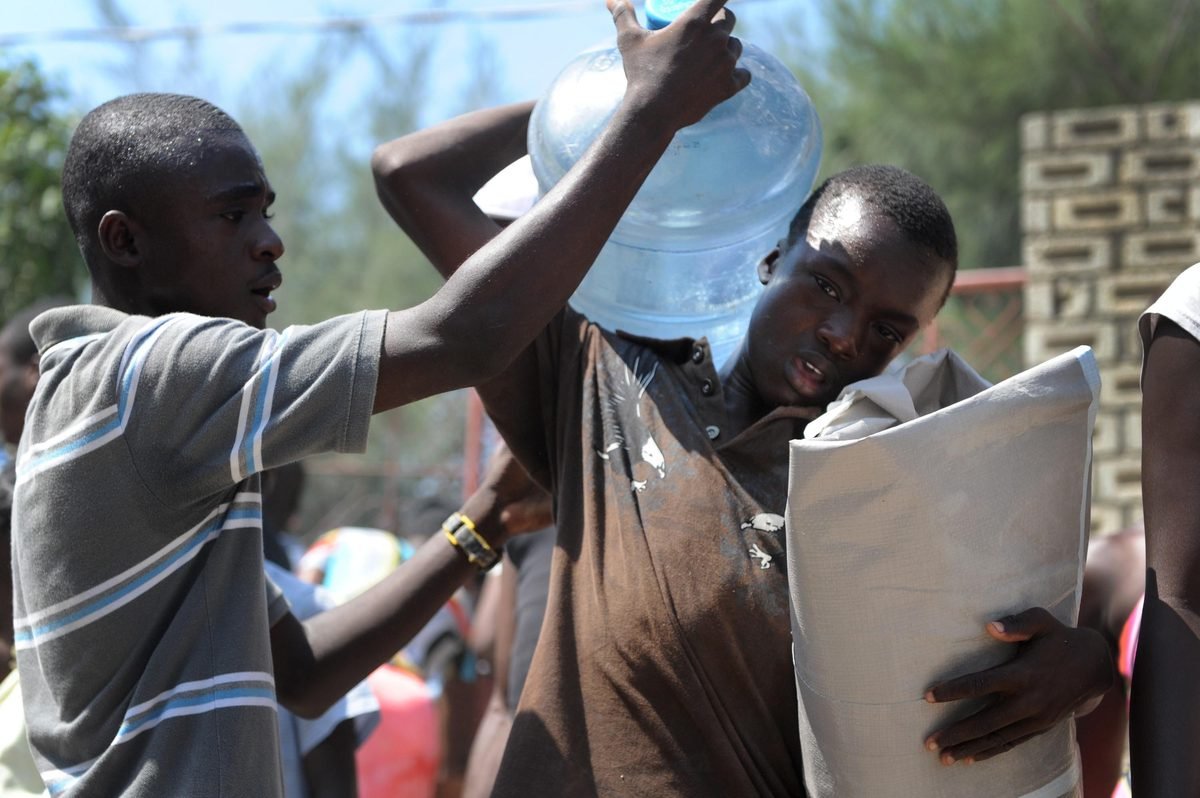
Hunger in Haiti is deepening, with more than 5.94 million people — 53 per cent of the population analysed — now facing Crisis levels of acute food insecurity or worse, according to a new Integrated Food Security Phase Classification, or IPC, analysis released on 28 October 2026. The figure is nearly a quarter of a million higher than in the same period a year earlier, and the IPC projects it could rise to 6.35 million people between March and June 2027.
This post reflects reporting available on 31 October 2026, including IPC, Haiti analysis September 2026-February 2027 and projection March-June 2027, CARE, 29 October 2026 and UN OCHA via ReliefWeb, Latin America and Caribbean Weekly Situation Update, 30 October 2026. Where sources disagree or a detail is unconfirmed, the article says so.
How severe is the crisis now
The IPC analysis covers September 2026 to February 2027. Within that period, 1.8 million people are in Emergency, or IPC Phase 4, conditions, concentrated in areas affected by insecurity, displacement and economic marginalisation. The IPC says about one in every two people analysed cannot consistently access sufficient food or has to use emergency livelihood strategies to get food.
For the projection period of March to June 2027, the IPC expects 6.35 million people, or 57 per cent of the analysed population, to face Phase 3 or worse, including nearly 2 million people in Phase 4. The World Food Programme said that projection is more than 500,000 higher than for the same four-month period in 2026. These later figures are projections for a future period, not a count of people already in those conditions today.
What is driving hunger
The IPC identifies escalating insecurity as the primary driver, disrupting livelihoods, agricultural production and market functioning. Record displacement of 1.49 million people, high inflation and rising transport costs are eroding purchasing power, while El Niño-related climate shocks are further affecting crops and harvests.
The UN's weekly situation update for Latin America and the Caribbean, dated 30 October, adds that violence is driving farmers from their land and blocking main roads into Port-au-Prince, while El Niño is bringing drier, hotter conditions. With inflation at 17 per cent, many families are skipping meals, selling belongings or going into debt to eat, according to that update. Poor harvests, worsened by last year's Hurricane Melissa, are also cutting food supplies, CARE reported.
Floods add to the strain
Heavy rain from a trough over the northern Caribbean from 23 October added immediate pressure. In Haiti, Civil Protection reported at least four deaths and two missing fishermen, with at least 2,130 homes flooded and 847 destroyed across 21 communes, with Nippes the worst affected, according to the UN update.
The same weather system affected the wider region: in the Dominican Republic it affected 2,670 people, flooded 534 homes, cut off 32 communities and left 28 water systems out of service, while in Jamaica flooding affected 313 people and 56 homes in St Thomas. CARE said heavy rains and flooding in Haiti displaced thousands and destroyed farmland, mainly in the south and south-west, at a time when humanitarian assistance remains insufficient to meet growing needs.
Context and what to watch
The IPC figures describe a crisis that is getting worse on every horizon the analysis covers. For September 2026 to February 2027, more than 5.94 million people — 53 per cent of the population analysed — face Crisis (Phase 3) or worse, including 1.8 million in Emergency (Phase 4), meaning they cannot consistently access sufficient food without emergency coping strategies. For March to June 2027, the IPC projects 6.35 million people, or 57 per cent, in Phase 3 or worse, including nearly 2 million in Phase 4 — a projection the World Food Programme notes is more than 500,000 higher than for the same four-month period in 2026. One discrepancy is flagged in the reporting: a UN FAO video summary gave a different projection of 6.53 million by March 2027, against the IPC's 6.35 million for March to June, and this article uses the IPC figure as primary.
The drivers compound each other rather than acting alone: escalating insecurity as the primary driver, disrupting livelihoods, farming and markets; record displacement of 1.49 million people; inflation at 17 per cent eroding purchasing power; El Niño-related climate shocks; poor harvests worsened by last year's Hurricane Melissa; and October flooding that left at least 2,130 homes flooded and 847 destroyed across 21 communes. CARE's warning that humanitarian assistance remains insufficient to meet growing needs is the thread to watch — whether funding and access improve before the March to June projection window will decide whether that projection becomes reality.
Frequently Asked Questions
How many people in Haiti face acute food insecurity now?
More than 5.94 million people, or 53 per cent of the population analysed by the IPC for September 2026 to February 2027, face Crisis (Phase 3) or worse, including 1.8 million in Emergency (Phase 4).
What is projected for 2027?
The IPC projects 6.35 million people, or 57 per cent of the analysed population, will face Phase 3 or worse between March and June 2027, including nearly 2 million in Phase 4.
What does IPC Phase 3 or worse mean?
Phase 3 is Crisis, Phase 4 is Emergency. Phase 3 or worse means people cannot consistently access sufficient food without emergency coping strategies.
For more world news, see our News Corner.
More world news
Follow the day's developing stories and the rest of today's world news from the News Corner hub.
More from News Corner →